IN
IN₹
Apparel & Fashion
Loading subcategories...
View More
Description
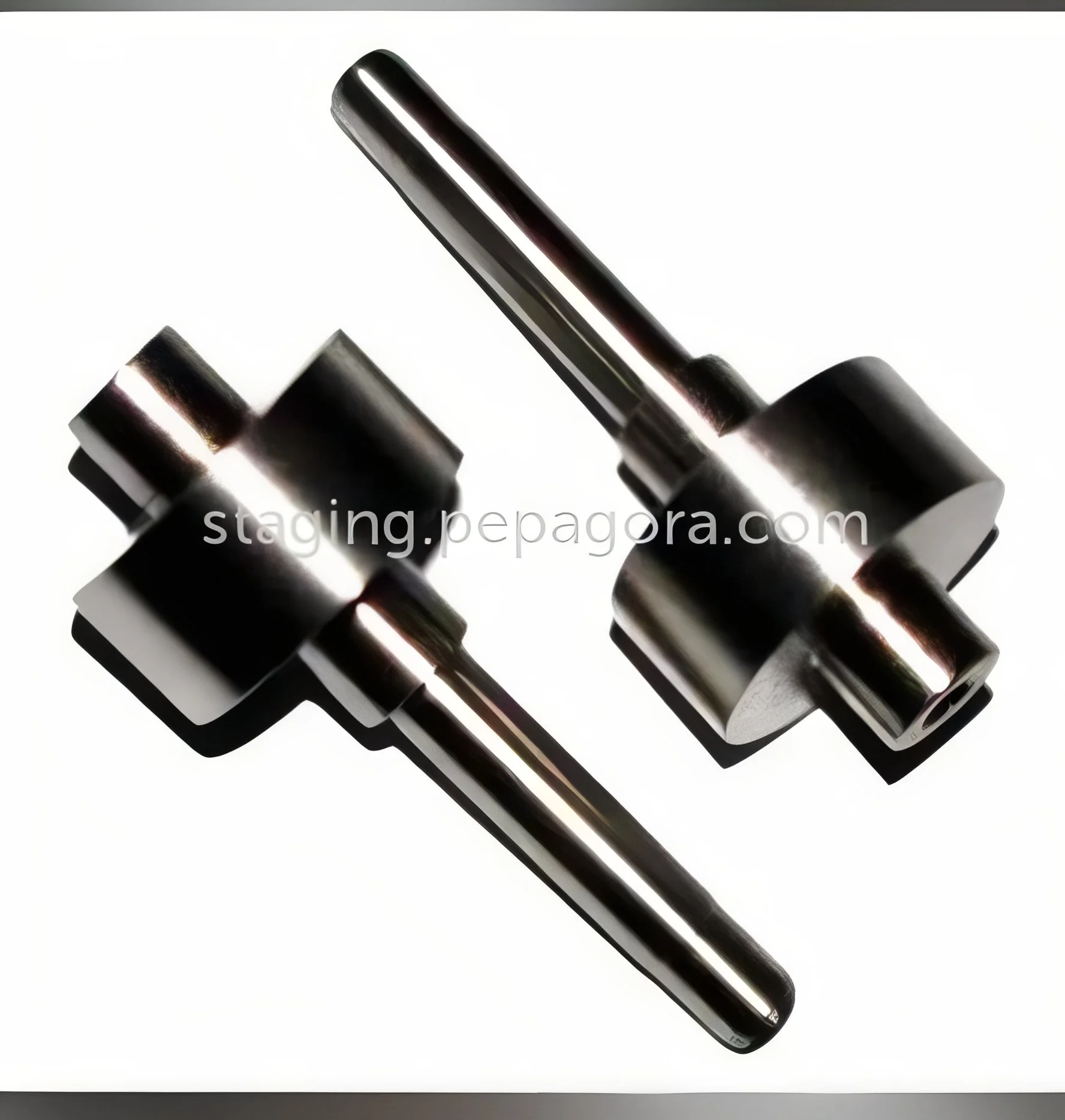
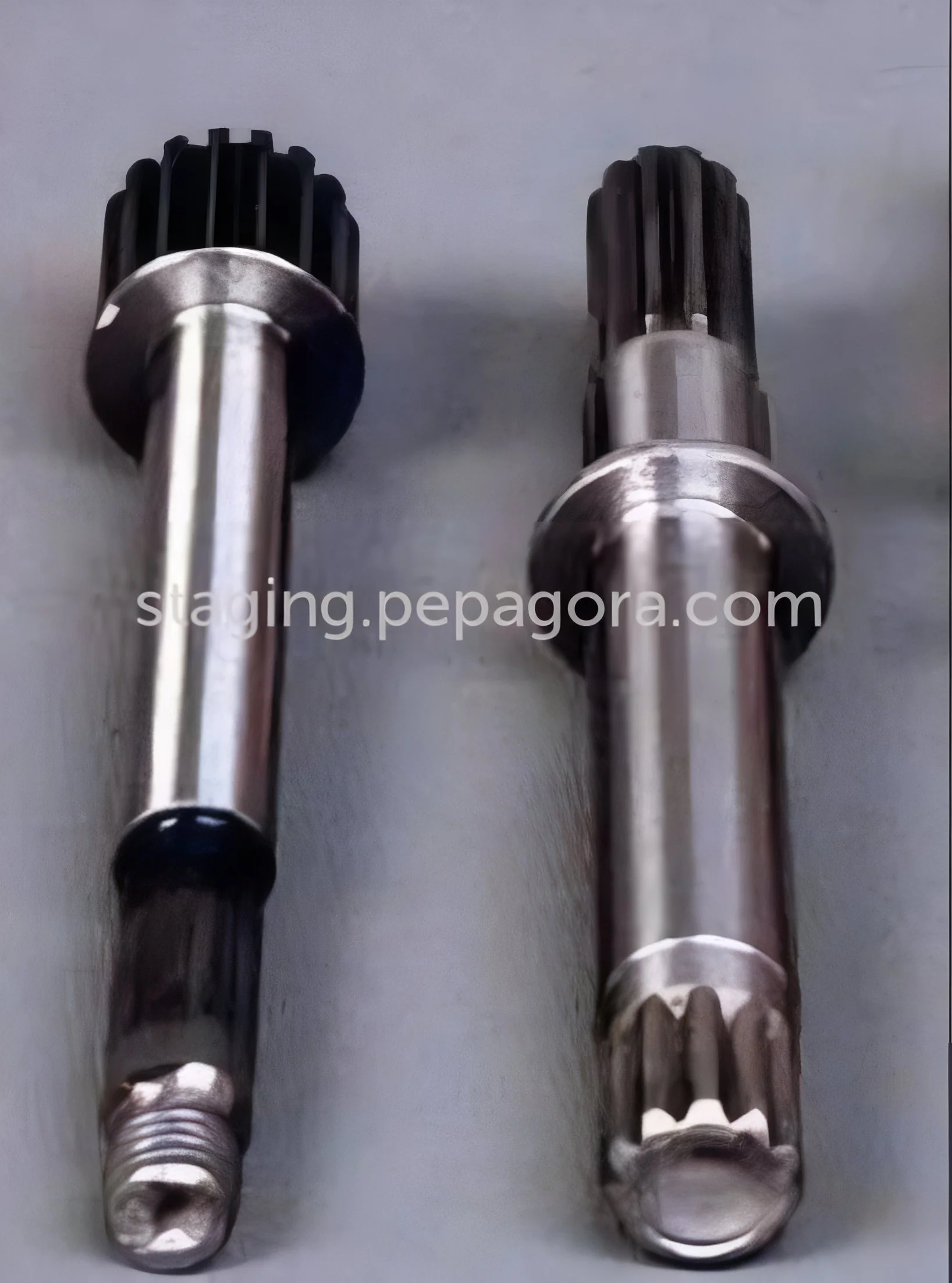
Industrial machinery precision gear shafts represent the core of mechanical power transmission systems, engineered to deliver exceptional performance in demanding operational environments. These precision components facilitate the transfer of rotational force between machine elements while maintaining exact alignment and minimal energy loss through advanced manufacturing processes. Manufactured using premium alloy steels and CNC machining technology, each gear shaft undergoes rigorous quality control to ensure dimensional accuracy, proper tooth profile, and optimal surface hardness. The result is a component that withstands continuous operation under significant loads while maintaining smooth engagement with mating gears, making these shafts indispensable for applications where consistent performance and reliability are paramount for operational success.

Across industrial sectors, precision gear shafts serve as fundamental components in equipment that drives modern manufacturing and t...
Industrial machinery precision gear shafts represent the core of mechanical power transmission systems, engineered to deliver exceptional performance in demanding operational environments. These precision components facilitate the transfer of rotational force between machine elements while maintaining exact alignment and minimal energy loss through advanced manufacturing processes. Manufactured using premium alloy steels and CNC machining technology, each gear shaft undergoes rigorous quality control to ensure dimensional accuracy, proper tooth profile, and optimal surface hardness. The result is a component that withstands continuous operation under significant loads while maintaining smooth engagement with mating gears, making these shafts indispensable for applications where consistent performance and reliability are paramount for operational success.

Across industrial sectors, precision gear shafts serve as fundamental components in equipment that drives modern manufacturing and transportation systems. In automotive applications, they form the core of transmission systems, transferring engine power to wheels with precision and efficiency while withstanding constant operational stress. Manufacturing facilities utilize them extensively in production line machinery, conveyor systems, and automated equipment where synchronized motion control is essential for production quality. The printing industry relies on gear shafts for precise paper feeding and impression control in high-speed presses, while heavy equipment manufacturers incorporate them into construction machinery, agricultural implements, and mining equipment where robust power transmission under extreme conditions is required for operational safety and productivity.

The investment in high-quality precision gear shafts delivers substantial business value through enhanced operational efficiency and reduced maintenance requirements. These components directly impact productivity by minimizing unexpected downtime and extending equipment service life through durable construction and precise engineering. Their accurate manufacturing ensures optimal power transfer, reducing energy consumption and operating expenses while maintaining consistent performance standards. The reliability of properly manufactured gear shafts translates to consistent production output and fewer quality issues in finished products, while their robust construction minimizes replacement frequency and inventory requirements. These factors combine to create a compelling return on investment for businesses prioritizing operational excellence and long-term equipment reliability in competitive industrial environments.

Key Features:
- Precision CNC machining for exact dimensional accuracy and proper tooth profile
- High-grade alloy steel construction ensuring superior strength and durability
- Advanced heat treatment processes for optimal surface hardness and wear resistance
- Rigorous quality testing including load capacity verification and surface inspection
- Engineered for smooth power transmission and minimal energy loss in operation

Benefits:
- Enhanced operational efficiency through reliable power transmission and motion control
- Extended service life with minimal maintenance requirements reducing total costs
- Reduced machinery downtime ensuring consistent production output and schedules
- Improved system reliability across varying load conditions and environments
- Optimal energy transfer efficiency lowering operational expenses and consumption
Specifications
| Additional Information | |
|---|---|
| SKU | EEC-GS-009 |
| Country of Origin | 106 |
| Customisable | No |
Application
Precision gear shafts serve as critical components in mechanical power transmission systems, efficiently transferring torque and rotational motion between machine elements. Their engineered accuracy ensures synchronized movement in complex machinery from conveyor systems to automotive assemblies, maintaining operational harmony under varying load conditions and demanding industrial environments where consistent performance is non-negotiable for continuous operations.
These components deliver reliable performance across multiple industries where motion control and power transmission are essential. Manufacturing facilities depend on them for production line equipment and automated machinery, while automotive applications require their precision for transmission systems and engine components. Their robust construction makes them suitable for agricultural machinery, printing presses, material handling equipment, and heavy construction applications where durability matters most.
- Automotive transmission systems requiring precise gear engagement and power transfer
- Industrial conveyor systems for consistent material movement in manufacturing plants
- Printing press mechanisms ensuring accurate paper feed and cylinder operation
- Agricultural equipment including tractor transmissions and harvesting machinery
- Heavy construction equipment for reliable power transfer in excavators and cranes
Trade Details
| Available Stock | In Stock |
| Sample Availability | No |
Payment Terms
| Payment Terms |
|
Shipping & Logistics
| Shipping Internationally | - | |
| Methods | -- | |
| IncoTerms | -- | |
| Port of Dispatch | Ahmedabad, Gujarat | |
| Packaging Type | -- | |
| Units per Package | -- | |
| Barcode / HSN / GTIN / UPC | -- | |
| Dispatch Lead time | -- |
Company Profile

Easel Engineering Corporation, Gujarat
 Gujarat, India
Gujarat, IndiaIndustrial Equipment & Machinery•Manufacturer
Factory Details
Factory SizeBelow 1000 sqm
Annual Production Capacity0
SKU: EEC-GS-009
Industrial Machinery Precision Gear Shafts For Power Transmission
Precision gear shafts deliver reliable power transmission for industrial machinery. These durable components ensure smooth operation in manufacturing, automotive, and heavy equipment applications with exact dimensional accuracy and superior strength.
Min. Order Quantity: 5 Unit
Shipping
Shipping fee and delivery date to be negotiated. Contact supplier now for more details.
Easel Engineering Corporation
 Gujarat, India
Gujarat, IndiaIndustrial Equipment & MachineryManufacturer