IN
IN₹
Apparel & Fashion
Loading subcategories...
View More
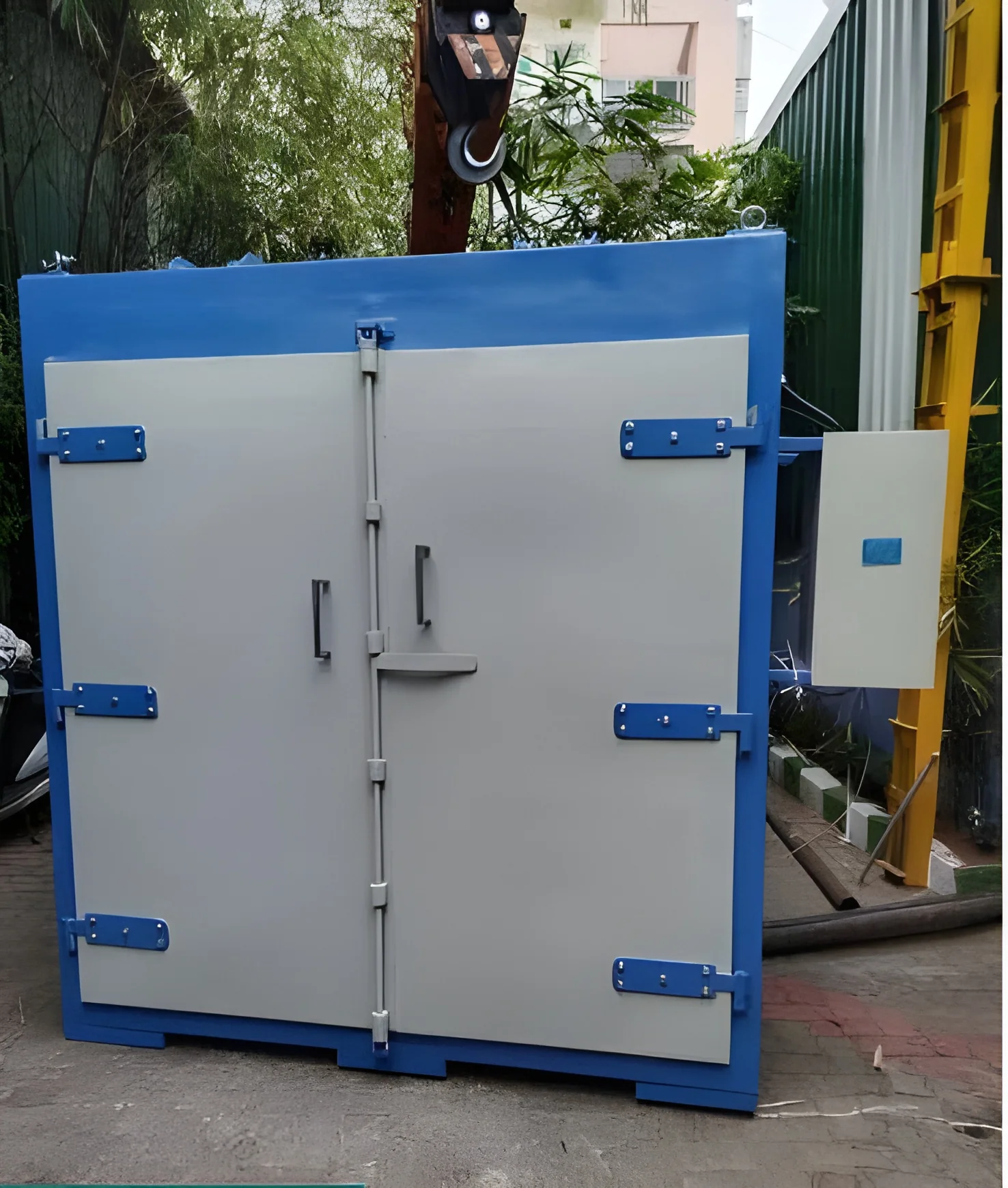
Description
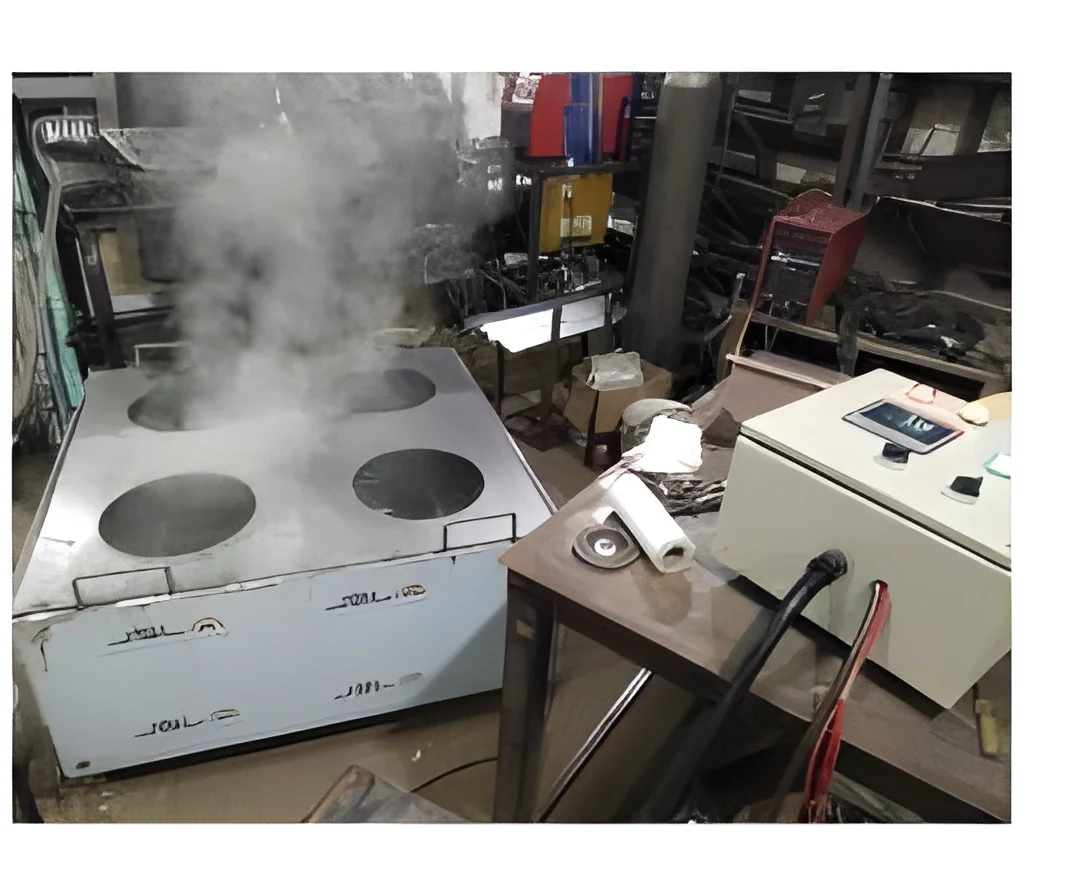
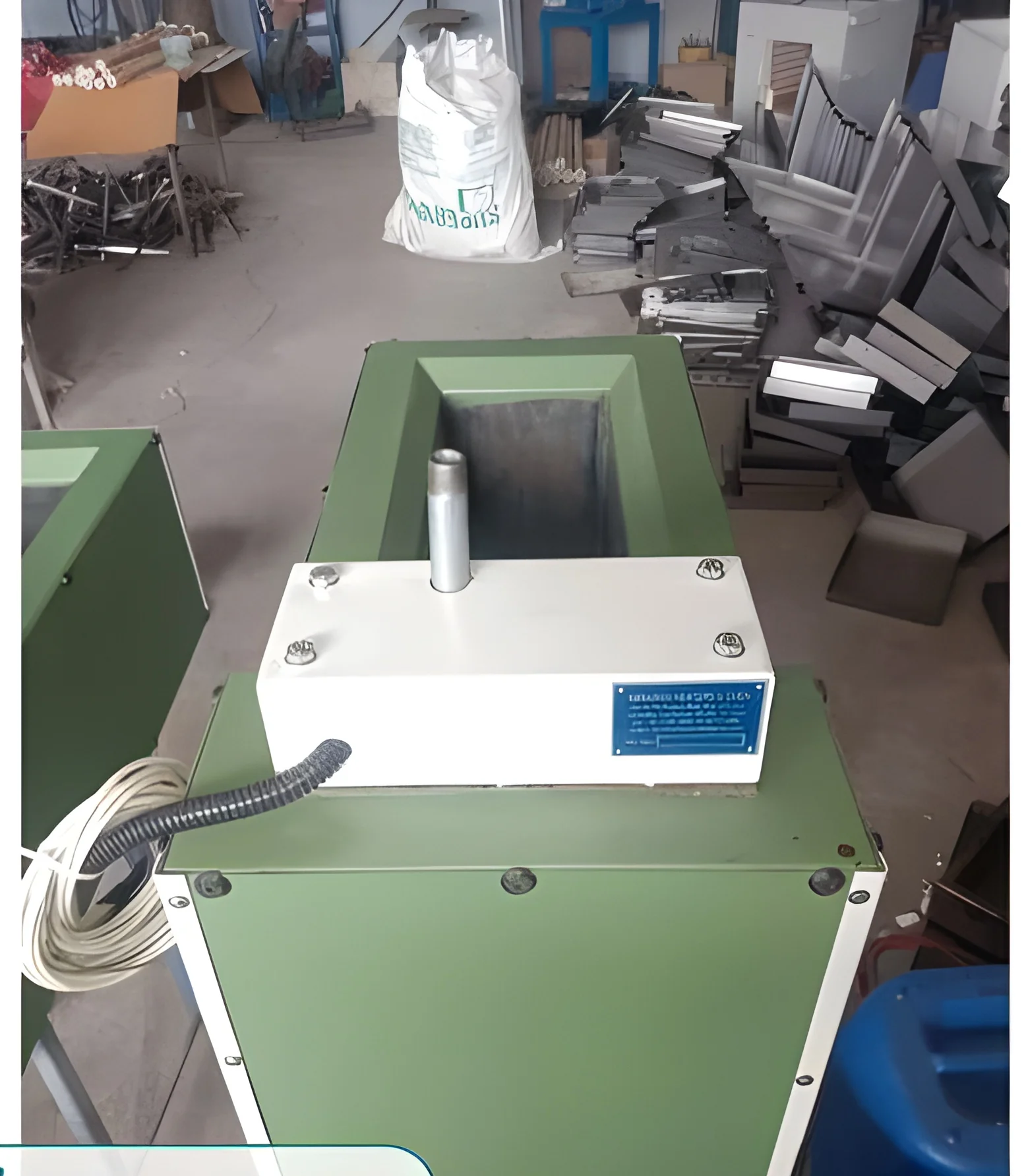
Industrial plastic preheat ovens represent essential preprocessing equipment designed to uniformly heat plastic materials including pellets, sheets, and formed parts before they undergo primary manufacturing processes. These specialized ovens operate by gently raising material temperatures to precise levels, effectively reducing moisture content and internal stresses that commonly lead to production defects. The controlled heating environment ensures plastic materials reach optimal processing conditions, preventing issues like warping, cracking, or void formation in finished products. With advanced temperature management systems and even heat distribution capabilities, these ovens deliver consistent material conditioning across batch after batch, making them indispensable for quality-conscious manufacturing operations seeking to minimize waste and maximize output consistency. Across the plastic manufacturing landscape, these preheat ovens find extensive application in numerous industri...
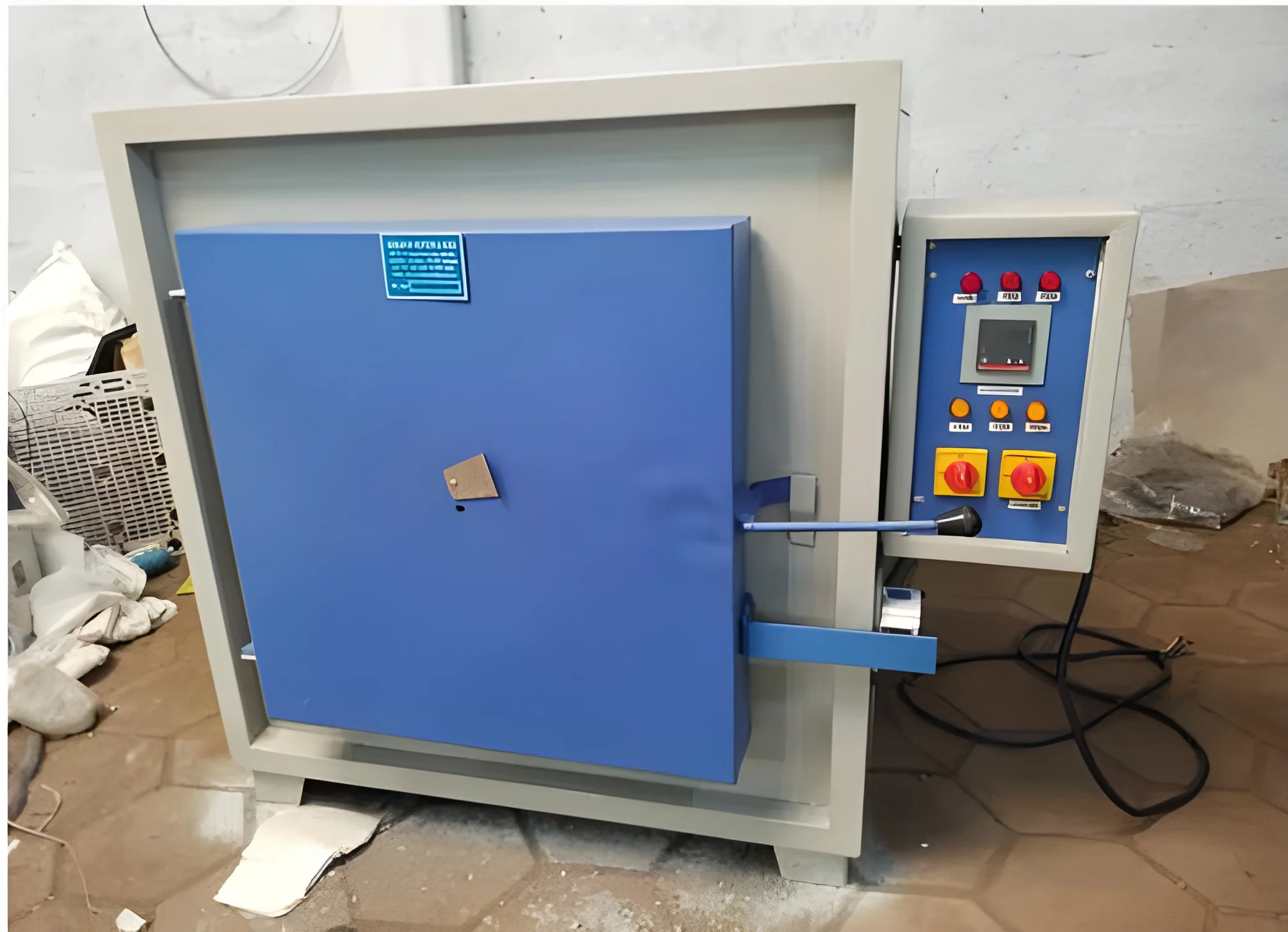
Industrial plastic preheat ovens represent essential preprocessing equipment designed to uniformly heat plastic materials including pellets, sheets, and formed parts before they undergo primary manufacturing processes. These specialized ovens operate by gently raising material temperatures to precise levels, effectively reducing moisture content and internal stresses that commonly lead to production defects. The controlled heating environment ensures plastic materials reach optimal processing conditions, preventing issues like warping, cracking, or void formation in finished products. With advanced temperature management systems and even heat distribution capabilities, these ovens deliver consistent material conditioning across batch after batch, making them indispensable for quality-conscious manufacturing operations seeking to minimize waste and maximize output consistency.

Across the plastic manufacturing landscape, these preheat ovens find extensive application in numerous industrial sectors including automotive component production, packaging material manufacturing, consumer goods fabrication, and construction material development. Injection molding facilities rely on them to prepare plastic pellets for flawless mold filling, while extrusion operations utilize them for preheating resins before profile and sheet production. Thermoforming companies depend on these ovens for heating plastic sheets to optimal forming temperatures, and plastic recycling plants implement them for conditioning recycled materials before reprocessing. The equipment's adaptability to different plastic types including ABS, polycarbonate, polyethylene, and various engineering plastics makes it valuable across diverse manufacturing environments from small specialty shops to large-scale production facilities.

The business value of industrial plastic preheat ovens extends beyond basic material preparation to encompass significant operational advantages including reduced cycle times, lower rejection rates, and enhanced production efficiency. Manufacturers investing in these ovens benefit from improved product quality consistency, decreased material waste, and reduced energy consumption compared to alternative heating methods. The reliability of these systems translates to minimal downtime and consistent performance even in demanding production environments, while their robust construction ensures long-term operation without frequent maintenance requirements. These ovens deliver tangible return on investment through higher yield rates, reduced rework costs, and the ability to maintain competitive quality standards that meet increasingly stringent customer expectations in global markets.

Key Features:
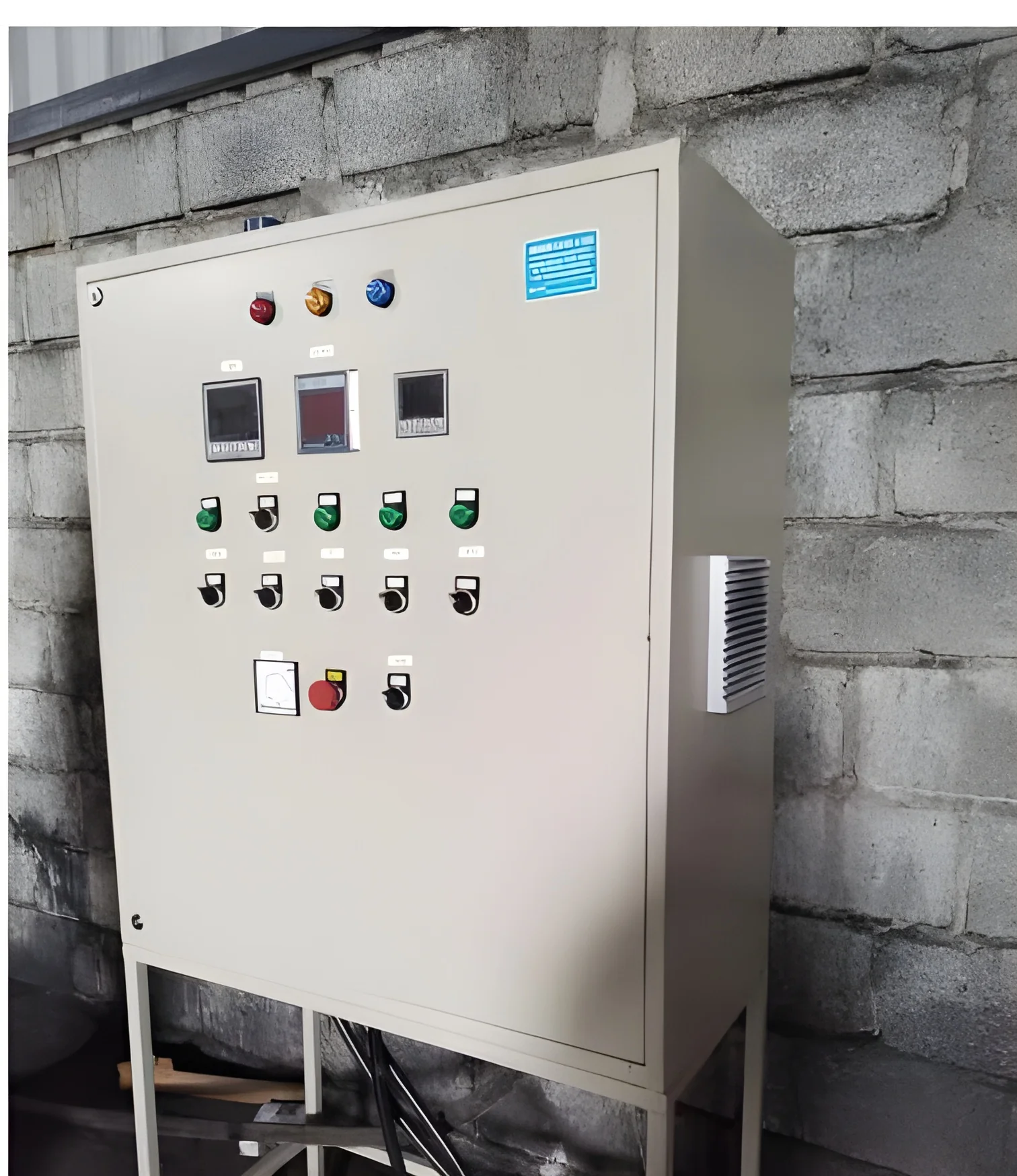
- Precise temperature control systems for consistent material conditioning
- Uniform heat distribution across entire chamber for even warming
- Energy-efficient operation reducing overall production costs
- Programmable controls adaptable to various plastic types
- Robust construction ensuring reliable performance in industrial environments

Benefits:
- Improved molding quality with reduced defects and waste
- Enhanced production efficiency through faster cycle times
- Lower operational costs via reduced energy consumption
- Increased product consistency meeting quality standards
- Extended equipment life through proper material preparation
Specifications
| Additional Information | |
|---|---|
| Country of Origin | India |
| Customisable | No |
Application
Industrial plastic preheat ovens provide essential material conditioning for manufacturing facilities handling plastic components. These systems gently warm plastic pellets, sheets, and resins to optimal temperatures, ensuring materials enter production processes without thermal shock or moisture-related defects that compromise final product quality.
Across diverse industrial settings, these preheat ovens demonstrate exceptional versatility in handling various plastic types and production scales. From automotive parts manufacturing to packaging production, the equipment maintains consistent performance while adapting to specific material characteristics and processing requirements of different manufacturing environments.
- Injection molding operations use preheat ovens to prepare plastic pellets for flawless mold filling and reduced defects
- Extrusion manufacturing lines employ these ovens for preheating plastic resin before profile and sheet production
- Thermoforming facilities utilize the equipment for heating plastic sheets to optimal forming temperatures
- Plastic recycling plants implement preheat ovens for conditioning recycled materials before reprocessing
- Composite material manufacturers rely on these ovens for resin preheating to ensure proper bonding and structural integrity
Trade Details
| Available Stock | In Stock |
| Sample Availability | No |
Payment Terms
| Payment Terms |
|
Company Profile

Annamar Heaters and Ovens, Tamil Nadu
 Tamil Nadu, India
Tamil Nadu, IndiaManufacturer•Trading Company•Importer / Exporter
Factory Details
Factory SizeBelow 1000 sqm
Industrial Plastic Preheat Ovens For Molding Extrusion Thermoforming
Industrial plastic preheat ovens deliver uniform heating for plastic materials before molding, extrusion, and thermoforming processes. These reliable ovens reduce moisture and stress to improve manufacturing quality across various industrial applications.
Min. Order Quantity: 1 piece
Shipping
Shipping fee and delivery date to be negotiated. Contact supplier now for more details.
Annamar Heaters and Ovens
 Tamil Nadu, India
Tamil Nadu, IndiaManufacturerTrading CompanyImporter / Exporter