IN
IN₹
Apparel & Fashion
Loading subcategories...
View More
Description
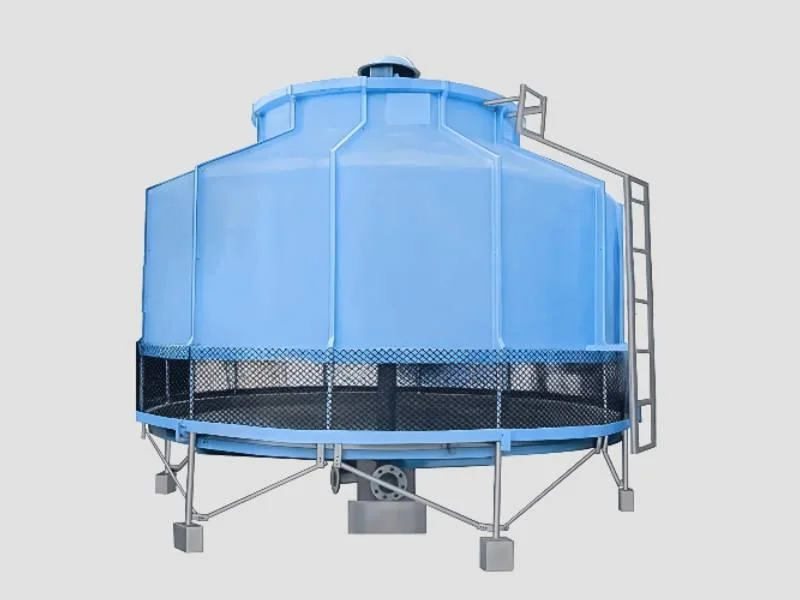
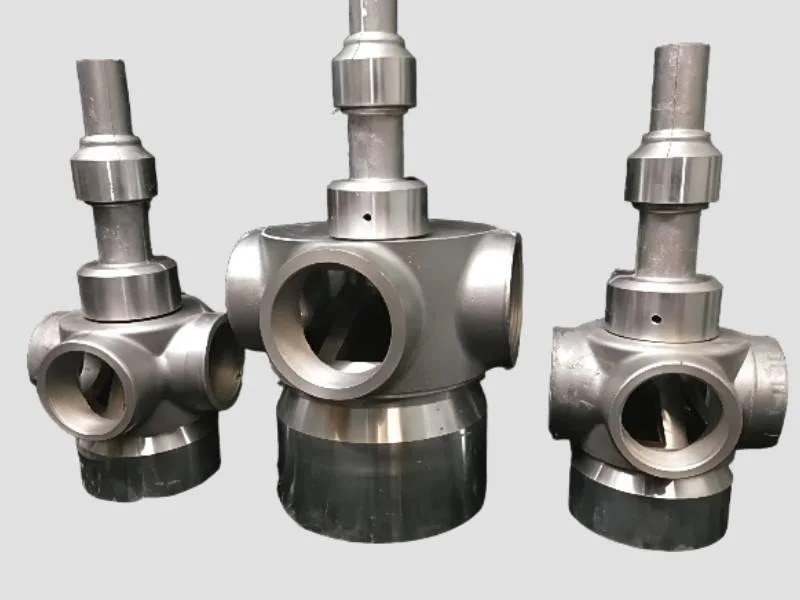
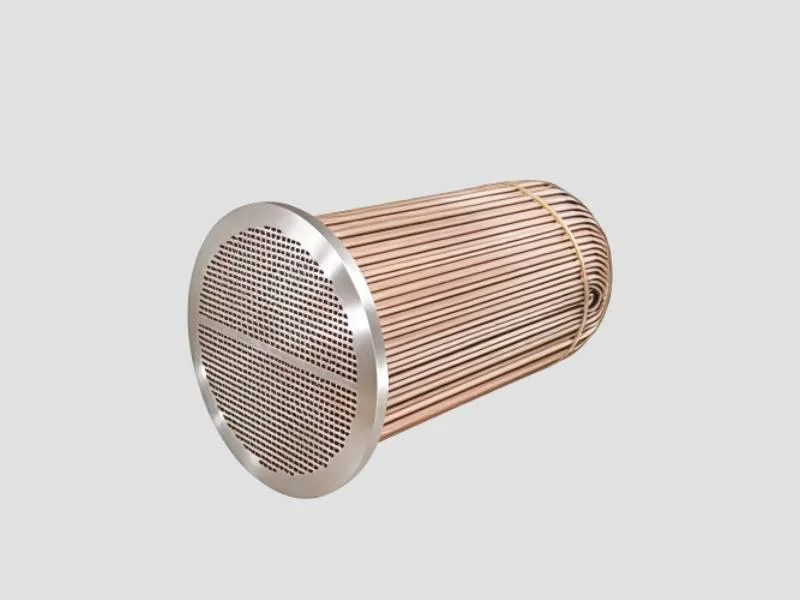
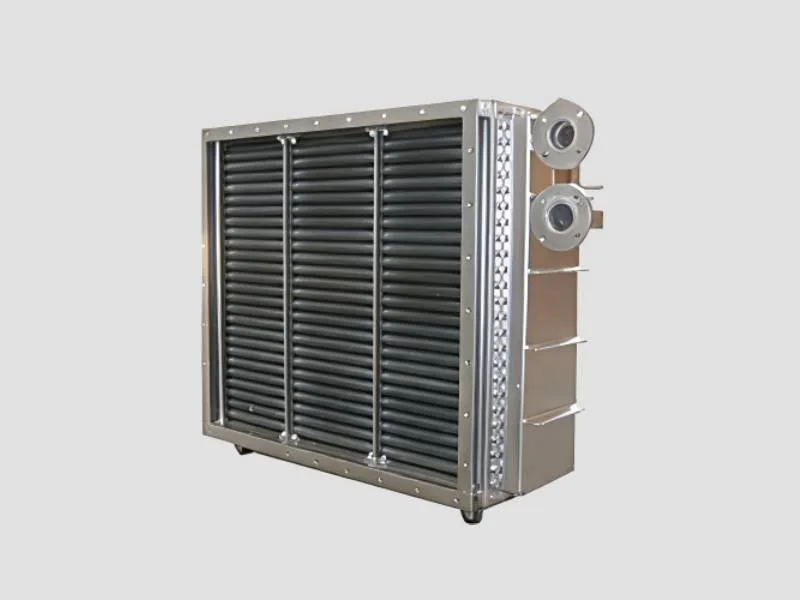
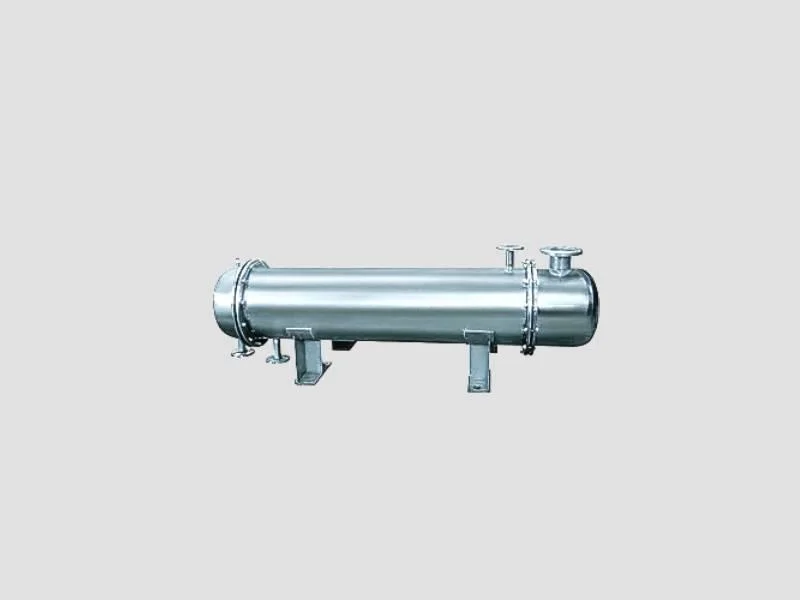
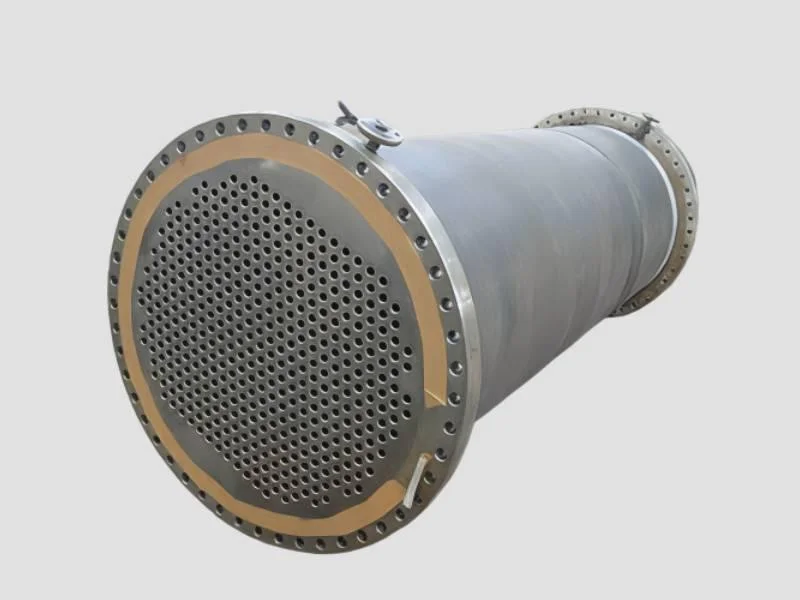
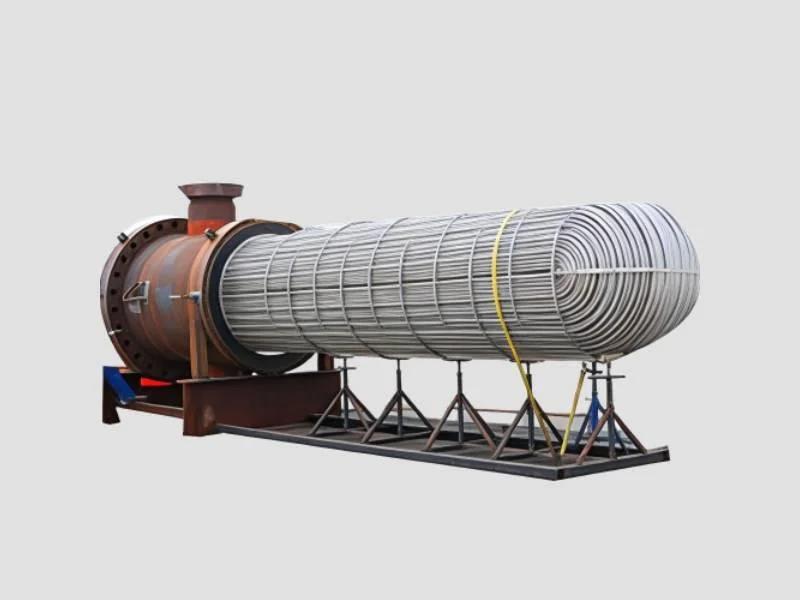
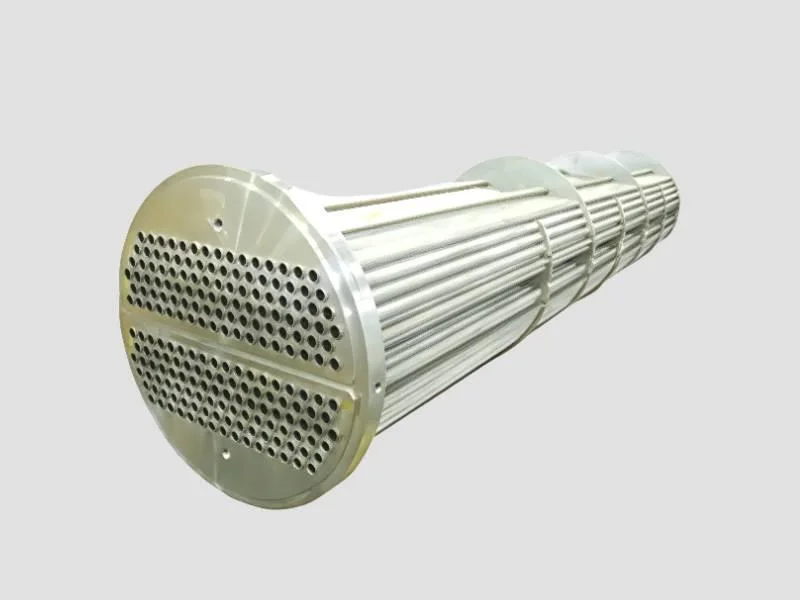
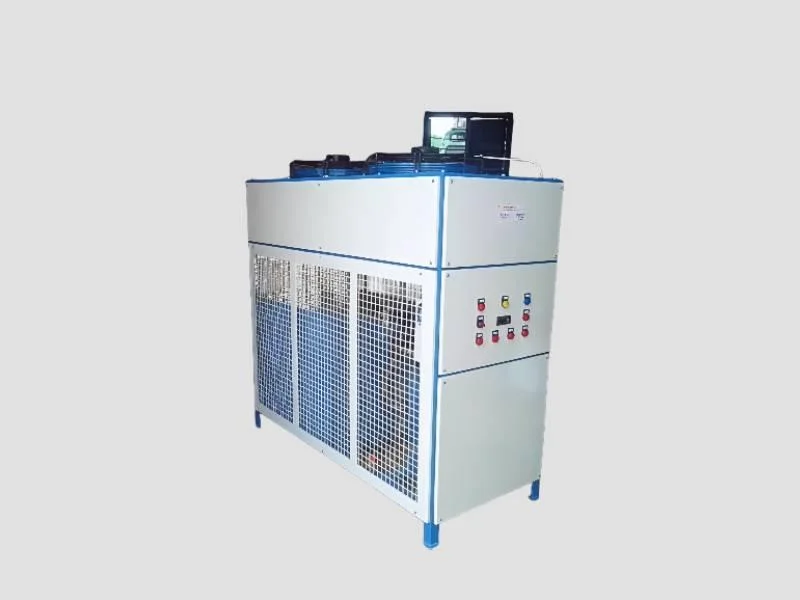
Industrial Low Temperature Cooling Systems are specialized thermal management solutions designed for demanding applications requiring sub-zero temperatures. These systems utilize glycol or antifreeze solutions as cooling media to achieve and maintain stable low temperatures, preventing fluid freezing while ensuring consistent process performance. Engineered with heavy-duty components, they deliver reliable cooling under continuous industrial workloads, with compact yet robust construction that facilitates straightforward integration into existing piping and process layouts. Their efficient refrigeration cycles optimize energy consumption while maintaining precise temperature control critical for sensitive industrial operations.

These cooling systems serve vital roles across multiple industries where temperature precision directly impacts product quality and process efficiency. In chemical manufacturing, they control reaction temperatures for consistent output. Pharmaceutical productio...
Industrial Low Temperature Cooling Systems are specialized thermal management solutions designed for demanding applications requiring sub-zero temperatures. These systems utilize glycol or antifreeze solutions as cooling media to achieve and maintain stable low temperatures, preventing fluid freezing while ensuring consistent process performance. Engineered with heavy-duty components, they deliver reliable cooling under continuous industrial workloads, with compact yet robust construction that facilitates straightforward integration into existing piping and process layouts. Their efficient refrigeration cycles optimize energy consumption while maintaining precise temperature control critical for sensitive industrial operations.

These cooling systems serve vital roles across multiple industries where temperature precision directly impacts product quality and process efficiency. In chemical manufacturing, they control reaction temperatures for consistent output. Pharmaceutical production relies on them for maintaining sterile conditions and preserving compound integrity. Food processing operations use them for chilling, freezing, and storage applications. Plastic and rubber industries employ them for mold temperature control during manufacturing. They also support metalworking, laboratory testing, and any industrial process requiring reliable sub-zero cooling capabilities.

The business value of these systems lies in their operational reliability and suitability for demanding environments. They are built to withstand varying thermal loads and ambient conditions while maintaining consistent performance. Easy maintenance access to pumps, compressors, and heat exchangers minimizes downtime. Controlled noise and vibration levels make them suitable for diverse industrial settings. Their design prioritizes long-term durability, reducing total cost of ownership through extended service life and efficient operation. These systems provide peace of mind through proven performance in critical cooling applications.

Key Features:
- Glycol-based cooling solutions that prevent freezing in sub-zero temperature applications
- Heavy-duty construction designed for continuous operation in industrial environments
- Precise temperature control systems maintaining stable process conditions
- Compact and robust design allowing easy integration with existing industrial setups
- Efficient refrigeration cycles that optimize energy usage during operation

Benefits:
- Reliable performance under varying thermal loads and ambient conditions
- Consistent temperature maintenance for sensitive industrial processes
- Reduced operational downtime through accessible maintenance components
- Long-term durability that lowers total cost of ownership
- Seamless integration with diverse industrial systems and processes
Specifications
| Additional Information | |
|---|---|
| Country of Origin | India |
| Customisable | No |
Application
These robust cooling systems are engineered to maintain stable sub-zero temperatures in environments where precision is non-negotiable. They circulate glycol-based solutions to prevent freezing, making them indispensable for processes that demand consistent thermal management under heavy operational loads.
From chemical synthesis to food preservation, these chillers provide the thermal stability required for quality and safety. Their heavy-duty construction withstands continuous use, integrating seamlessly with industrial setups to support critical cooling needs across various sectors without interruption.
Real-world applications:
- Maintaining precise temperatures during chemical reactions and material testing in laboratories and production facilities.
- Cooling industrial machinery and equipment to prevent overheating during extended operation cycles.
- Supporting plastic injection molding and rubber curing processes that require controlled cooling phases.
- Enabling consistent product quality in food processing through reliable temperature regulation.
- Providing stable cooling for pharmaceutical manufacturing where temperature-sensitive compounds are processed.
Trade Details
| Available Stock | In Stock |
| Sample Availability | No |
Payment Terms
| Payment Terms |
|
| Payment Methods |
|
Company Profile

Janani Enterprises, Tamil Nadu
 Tamil Nadu, India
Tamil Nadu, IndiaManufacturer
Factory Details
Factory Size1000-5000 sqm
Industrial Low Temperature Cooling System For Heavy Duty Applications
Industrial Low Temperature Cooling Systems deliver reliable sub-zero cooling for heavy-duty applications using glycol solutions, ensuring precise temperature control in demanding industrial processes.
Min. Order Quantity: 1 piece
Shipping
Shipping fee and delivery date to be negotiated. Contact supplier now for more details.
Janani Enterprises
 Tamil Nadu, India
Tamil Nadu, IndiaManufacturer