IN
IN₹
Apparel & Fashion
Loading subcategories...
View More
Description
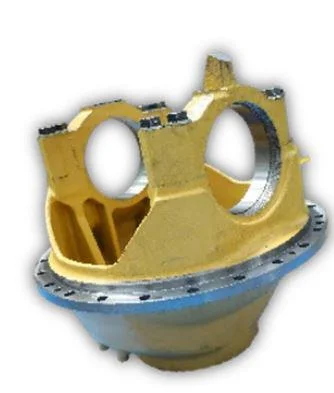
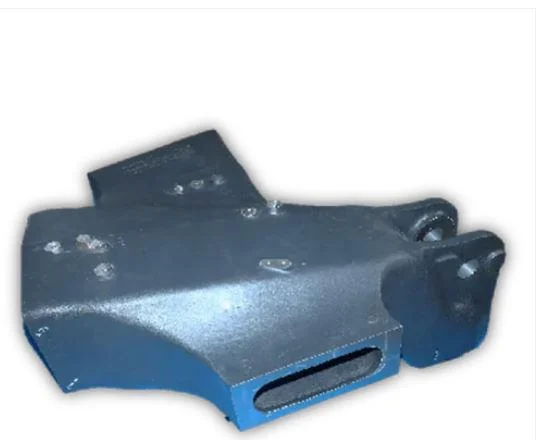
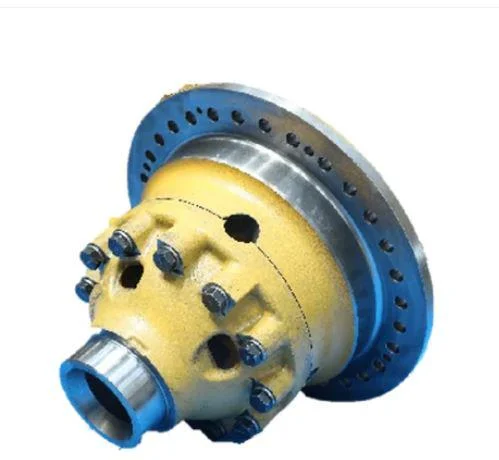
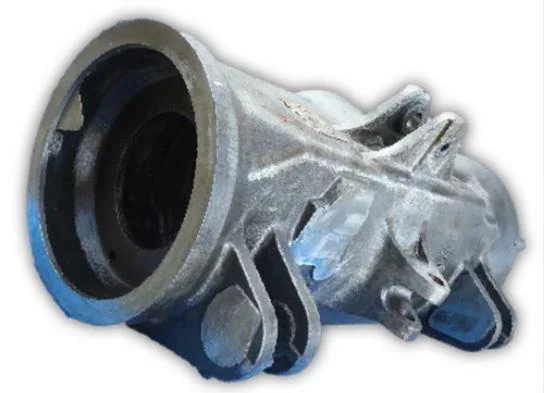
The Heavy Duty Axle Housing represents precision engineering for vehicle structural systems, designed specifically to support and protect axle components in demanding operational environments. Manufactured from high-strength materials through advanced production techniques, this housing ensures proper alignment of axle shafts while withstanding substantial loads and harsh conditions. Its construction focuses on durability and reliability, with attention to detail that results in consistent performance across various applications. The housing effectively shields internal components from dust, debris, moisture, and external impacts that could compromise vehicle functionality. This protection extends the lifespan of both the housing itself and the components it safeguards, contributing to overall vehicle longevity and reduced maintenance requirements.

Across multiple industries, this axle housing serves as a critical component in vehicles that face rigorous daily use. In commercial trans...
The Heavy Duty Axle Housing represents precision engineering for vehicle structural systems, designed specifically to support and protect axle components in demanding operational environments. Manufactured from high-strength materials through advanced production techniques, this housing ensures proper alignment of axle shafts while withstanding substantial loads and harsh conditions. Its construction focuses on durability and reliability, with attention to detail that results in consistent performance across various applications. The housing effectively shields internal components from dust, debris, moisture, and external impacts that could compromise vehicle functionality. This protection extends the lifespan of both the housing itself and the components it safeguards, contributing to overall vehicle longevity and reduced maintenance requirements.

Across multiple industries, this axle housing serves as a critical component in vehicles that face rigorous daily use. In commercial transportation, it supports long-haul trucks carrying heavy payloads across diverse road conditions. Agricultural operations benefit from its robustness in tractors and harvesting equipment navigating uneven terrain. Construction sites utilize it in dump trucks, concrete mixers, and heavy loaders that move materials throughout projects. Industrial settings employ the housing in material handling vehicles operating within warehouses, ports, and manufacturing facilities. Specialized transport applications include trailers, utility vehicles, and off-road equipment that require dependable performance in challenging environments.

Businesses investing in this heavy duty axle housing gain significant value through enhanced vehicle reliability and operational efficiency. The housing's durable construction minimizes unexpected failures that could lead to costly downtime and repairs. Its precision engineering ensures smooth power transmission, reducing wear on connected components and extending service intervals. The protective design maintains internal component integrity even in harsh conditions, preserving vehicle performance over extended periods. This reliability translates to predictable operating costs and consistent vehicle availability for revenue-generating activities. The housing's quality construction and proven performance make it a sound investment for organizations prioritizing vehicle dependability and long-term value.

Key Features:
- High-strength construction using durable materials for maximum load-bearing capacity
- Precision engineering ensuring proper axle alignment and smooth power transmission
- Protective design shielding internal components from dust, debris, and external damage
- Robust manufacturing standards for consistent quality and reliable performance
- Engineered for demanding conditions including heavy loads and harsh environments

Benefits:
- Enhanced vehicle reliability with reduced risk of unexpected component failures
- Extended service life through durable construction and protective capabilities
- Lower maintenance requirements with fewer repairs and longer service intervals
- Improved operational efficiency with consistent performance across various applications
- Cost-effective investment through reduced downtime and predictable operating expenses
Specifications
| Additional Information | |
|---|---|
| Country of Origin | India |
| Customisable | No |
Application
This heavy duty axle housing is engineered for demanding environments where structural integrity is non-negotiable. Its robust construction makes it suitable for vehicles that regularly transport substantial loads across various terrains, from paved roads to rugged industrial sites. The housing's design focuses on maintaining axle alignment and protecting critical components from external elements that could compromise vehicle safety and performance.
Manufacturers and fleet operators choose this axle housing for its consistent reliability in challenging conditions. It serves as a foundational component in vehicles that require dependable power transmission and load-bearing capabilities. The housing's durability translates to reduced downtime and maintenance costs, making it a practical investment for businesses that depend on their vehicles for daily operations and revenue generation.
Real-world applications:
- Commercial trucking fleets transporting goods across long distances and varied road conditions
- Agricultural machinery including tractors and harvesters operating in fields with uneven terrain
- Construction equipment such as dump trucks, concrete mixers, and heavy loaders at job sites
- Industrial material handling vehicles in warehouses, ports, and manufacturing facilities
- Specialized transport vehicles including trailers, utility trucks, and off-road vehicles
Trade Details
| Available Stock | In Stock |
| Sample Availability | No |
Payment Terms
| Payment Terms |
|
| Payment Methods |
|
Company Profile

Oriental Plants Equipments Pvt Ltd, Tamil Nadu
 Tamil Nadu, India
Tamil Nadu, IndiaIndustrial Equipment & Machinery•Manufacturer
Factory Details
Factory SizeBelow 1000 sqm
Heavy Duty Axle Housing For Automotive Industrial Vehicles Durable Precision Engineering
Heavy Duty Axle Housing provides robust structural support for automotive and industrial vehicle axles, ensuring smooth load distribution and reliable performance with durable precision engineering.
Min. Order Quantity: 1 piece
Shipping
Shipping fee and delivery date to be negotiated. Contact supplier now for more details.
Oriental Plants Equipments Pvt Ltd
 Tamil Nadu, India
Tamil Nadu, IndiaIndustrial Equipment & MachineryManufacturer