IN
IN₹
Description
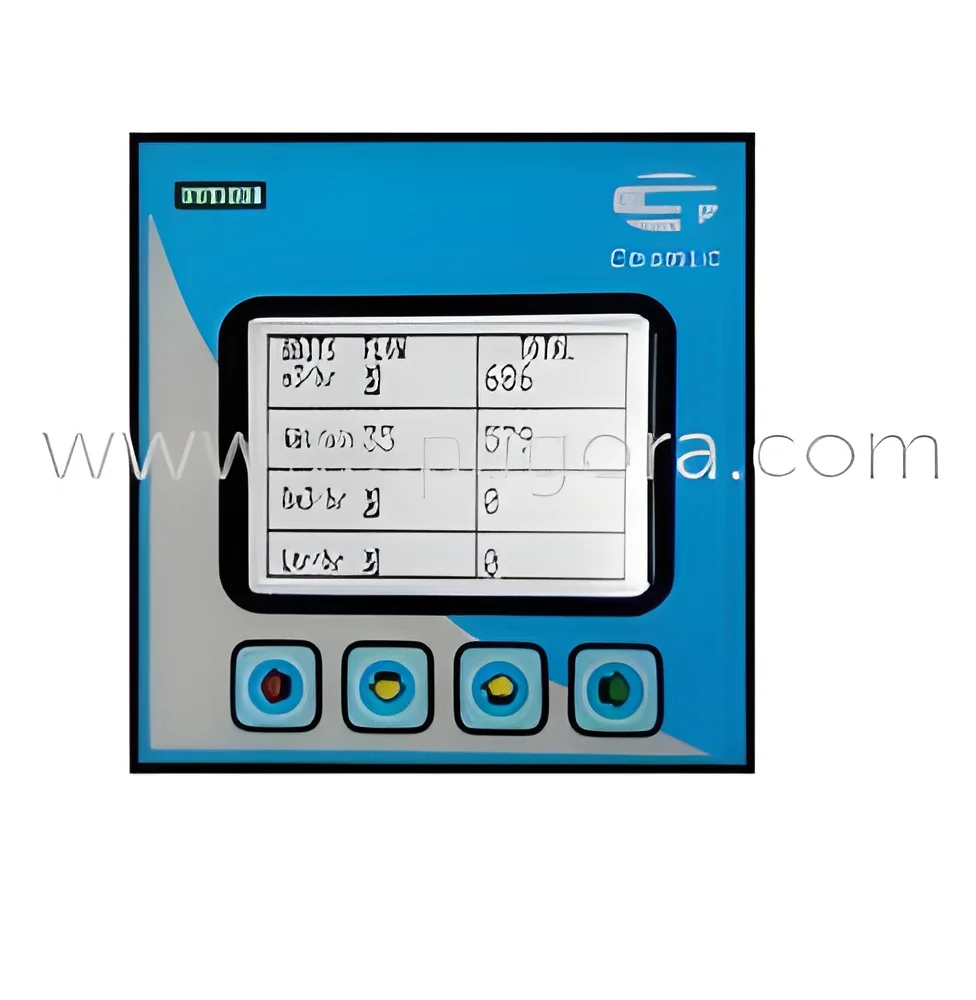
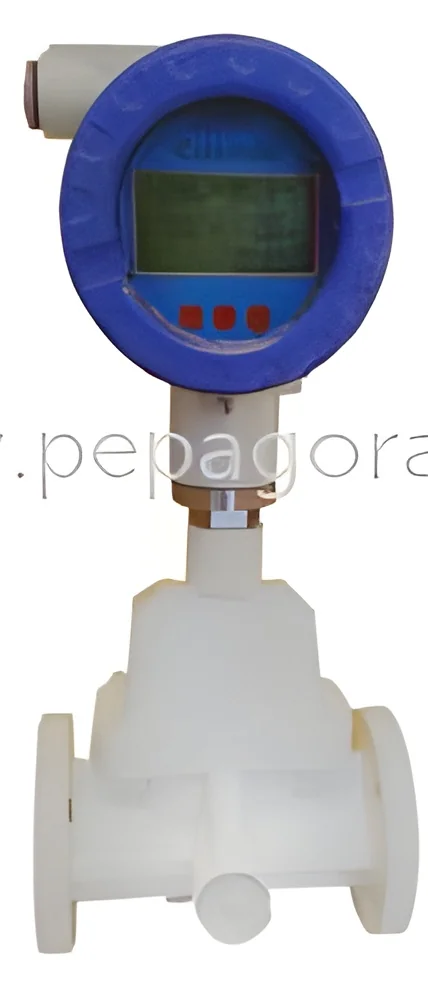
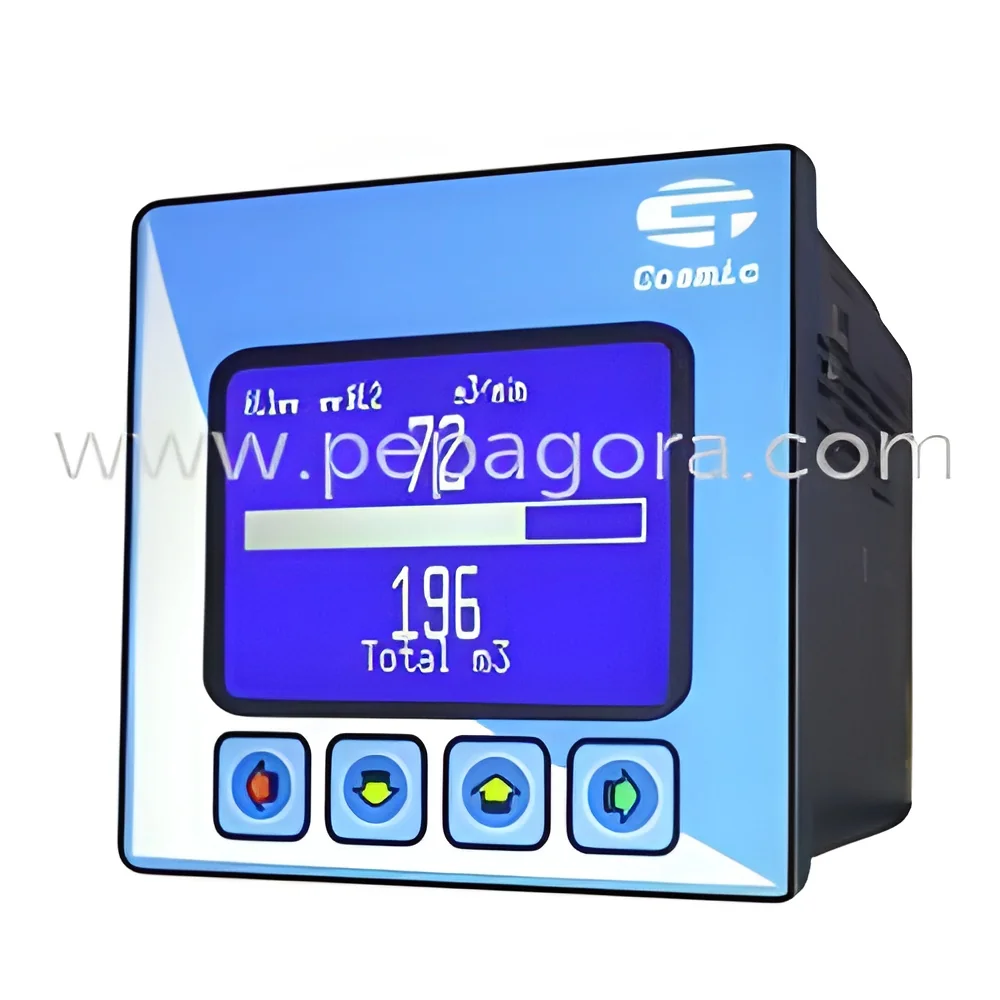
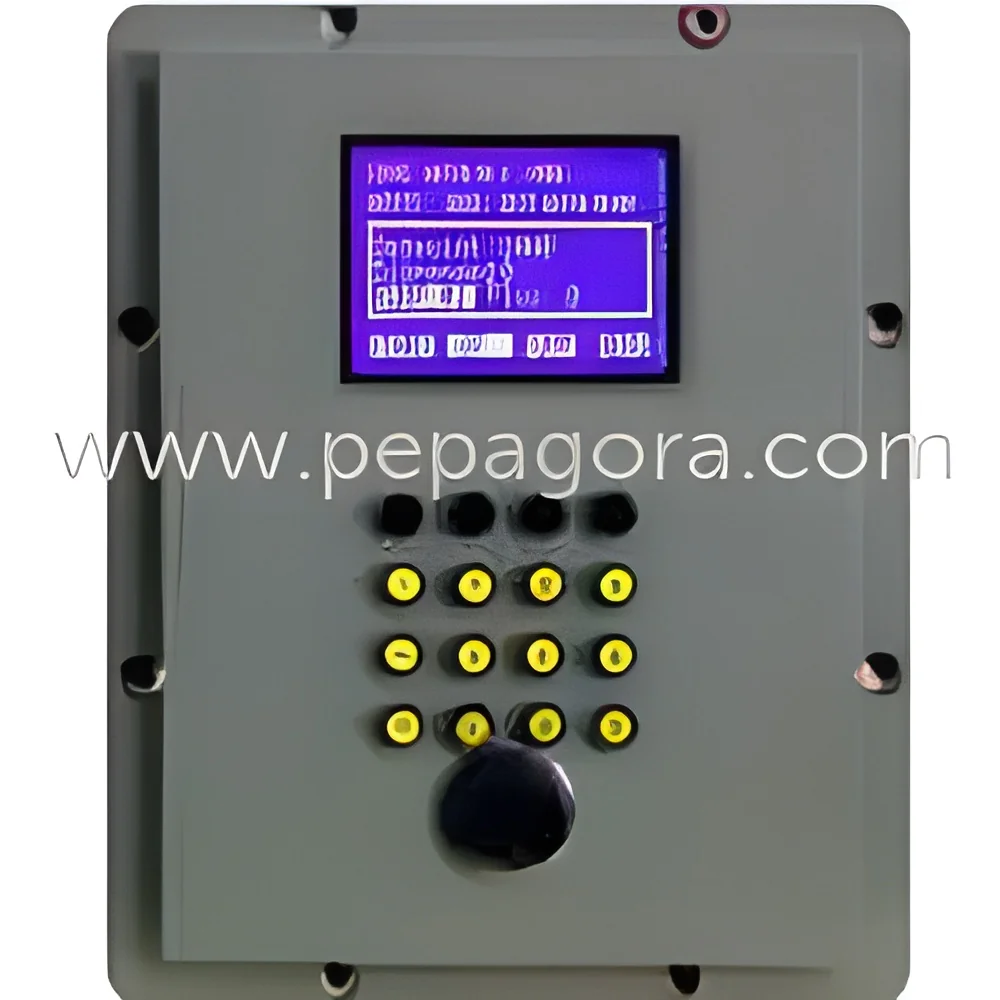
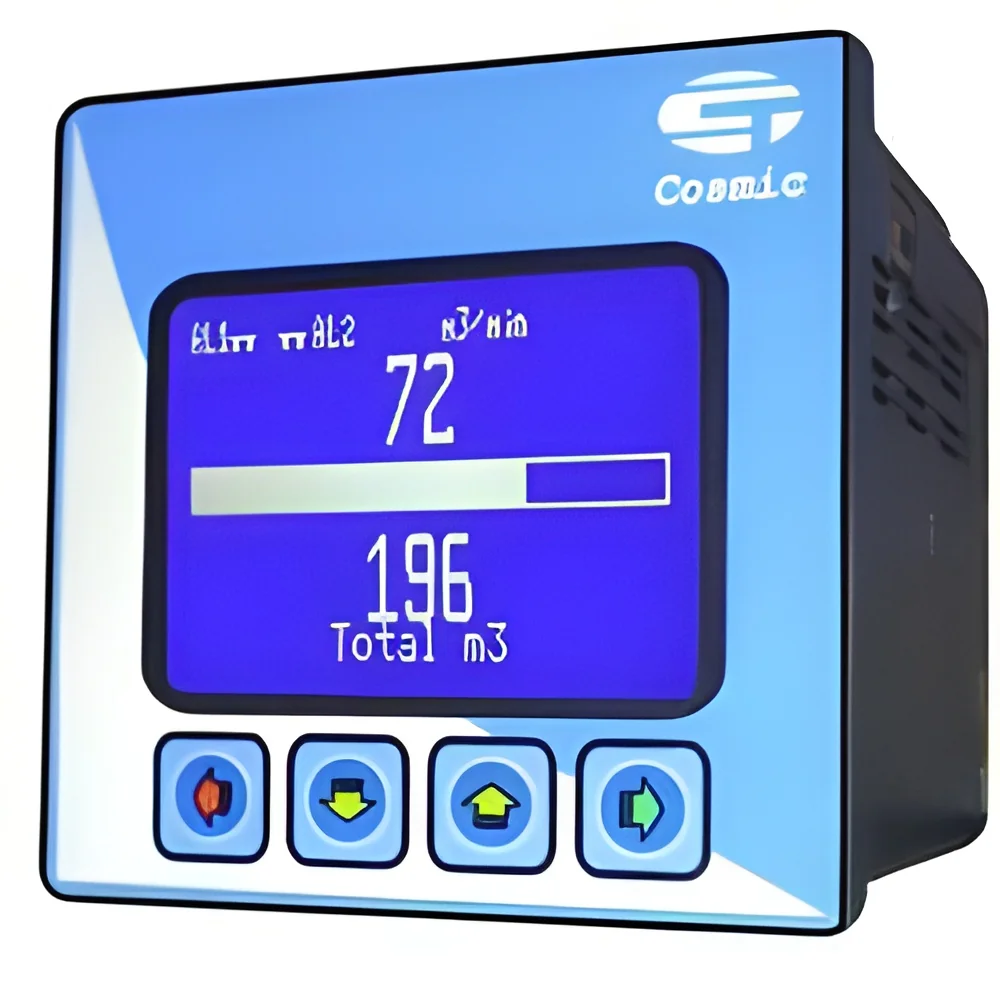
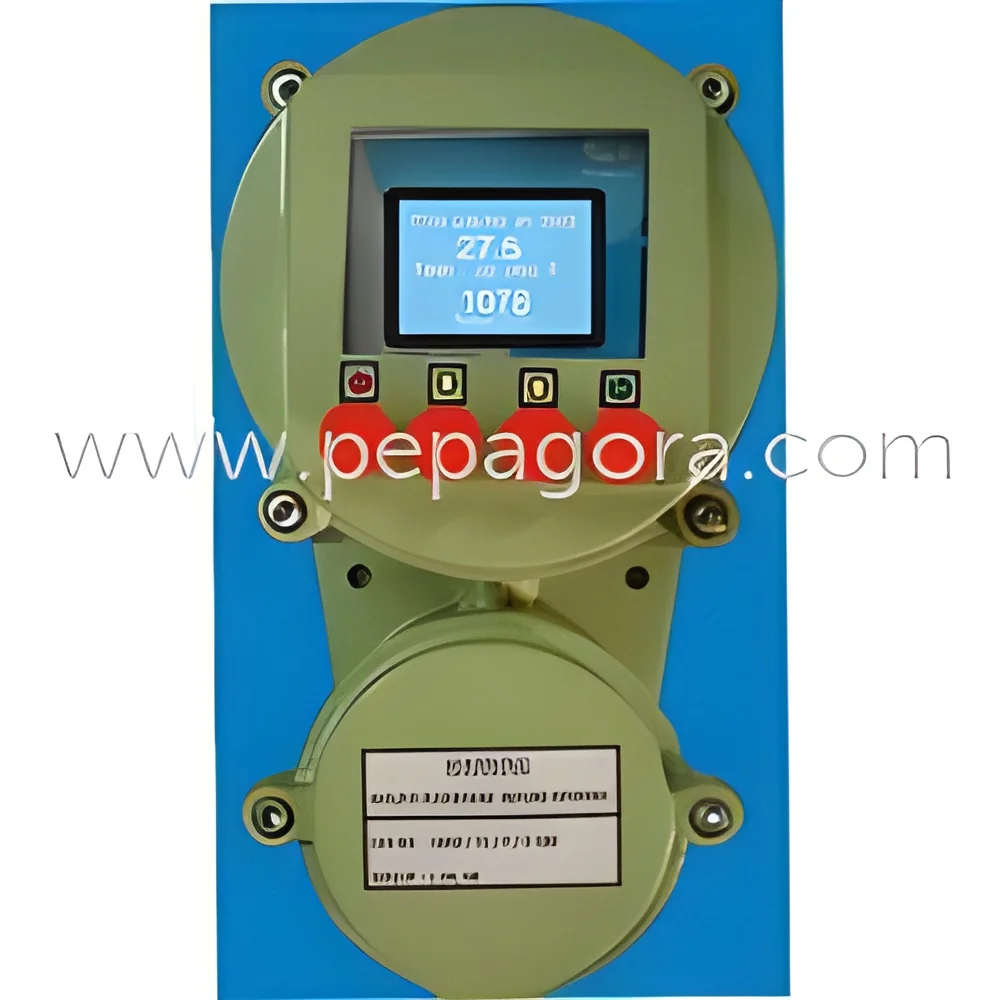
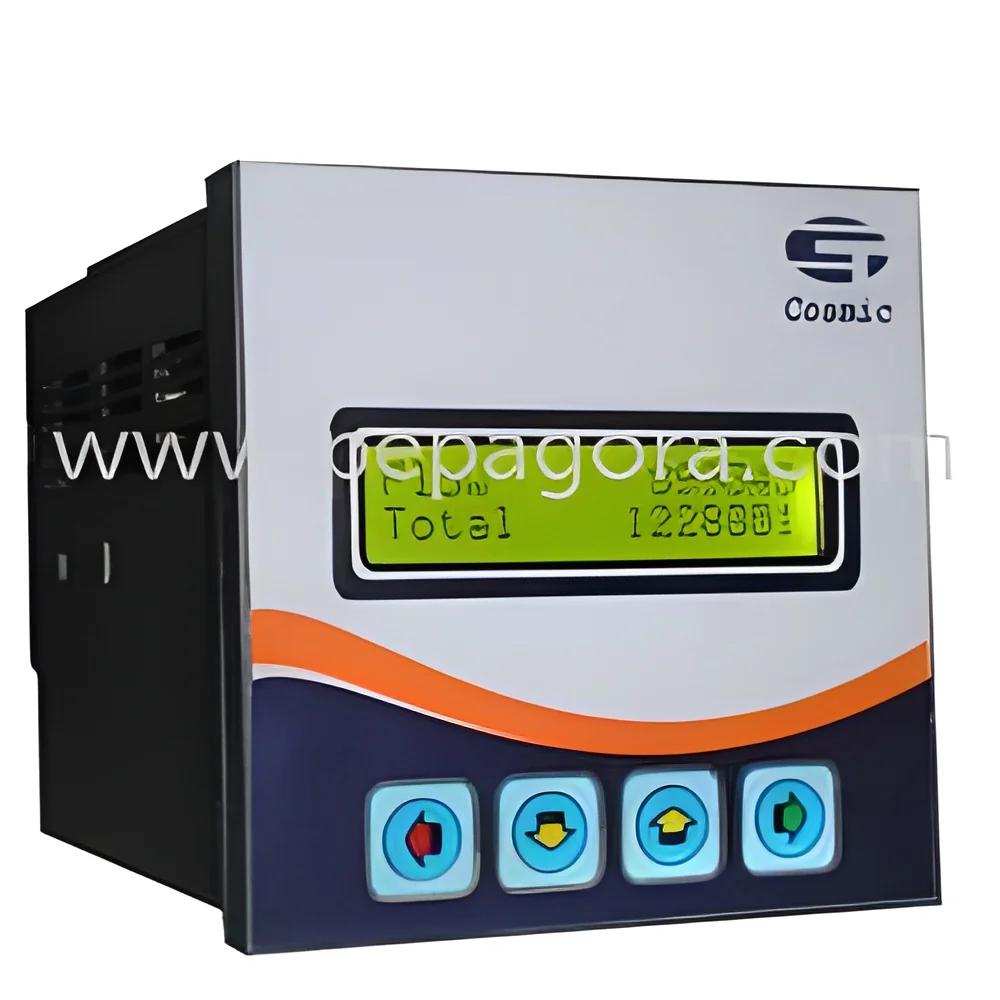
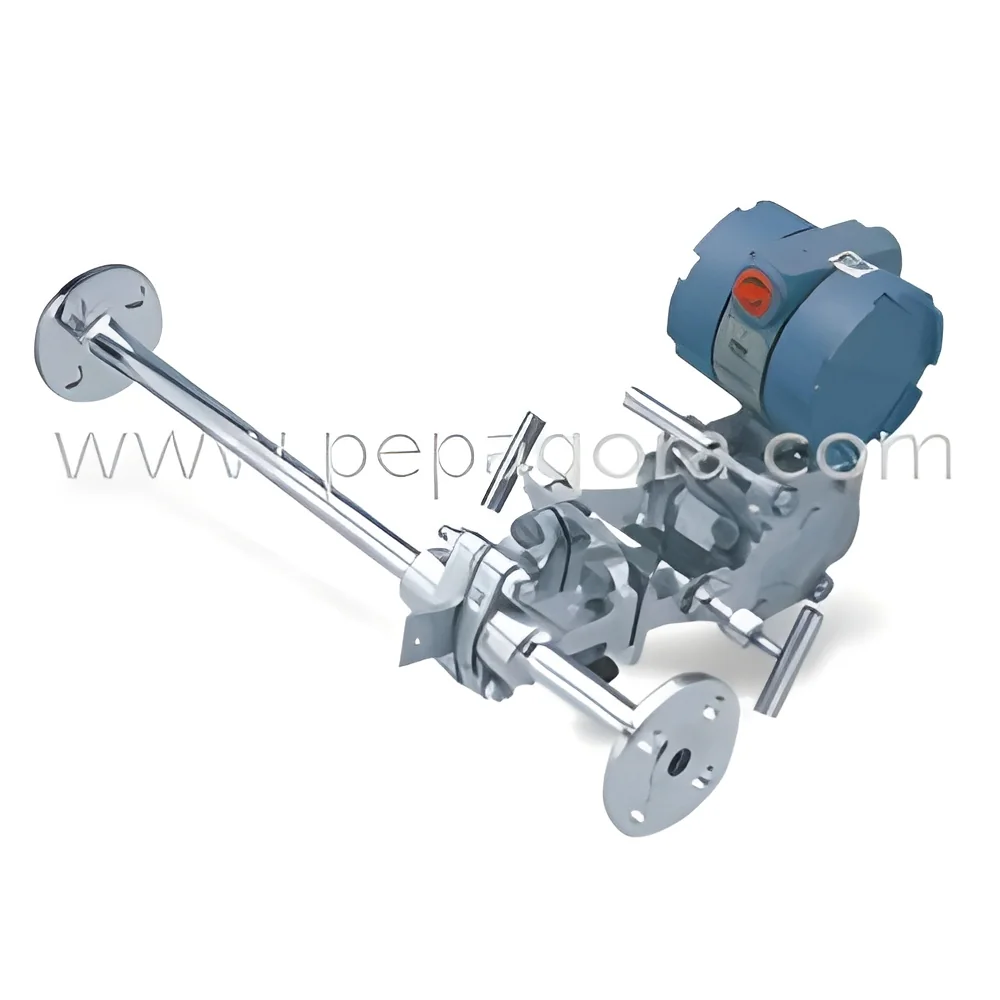
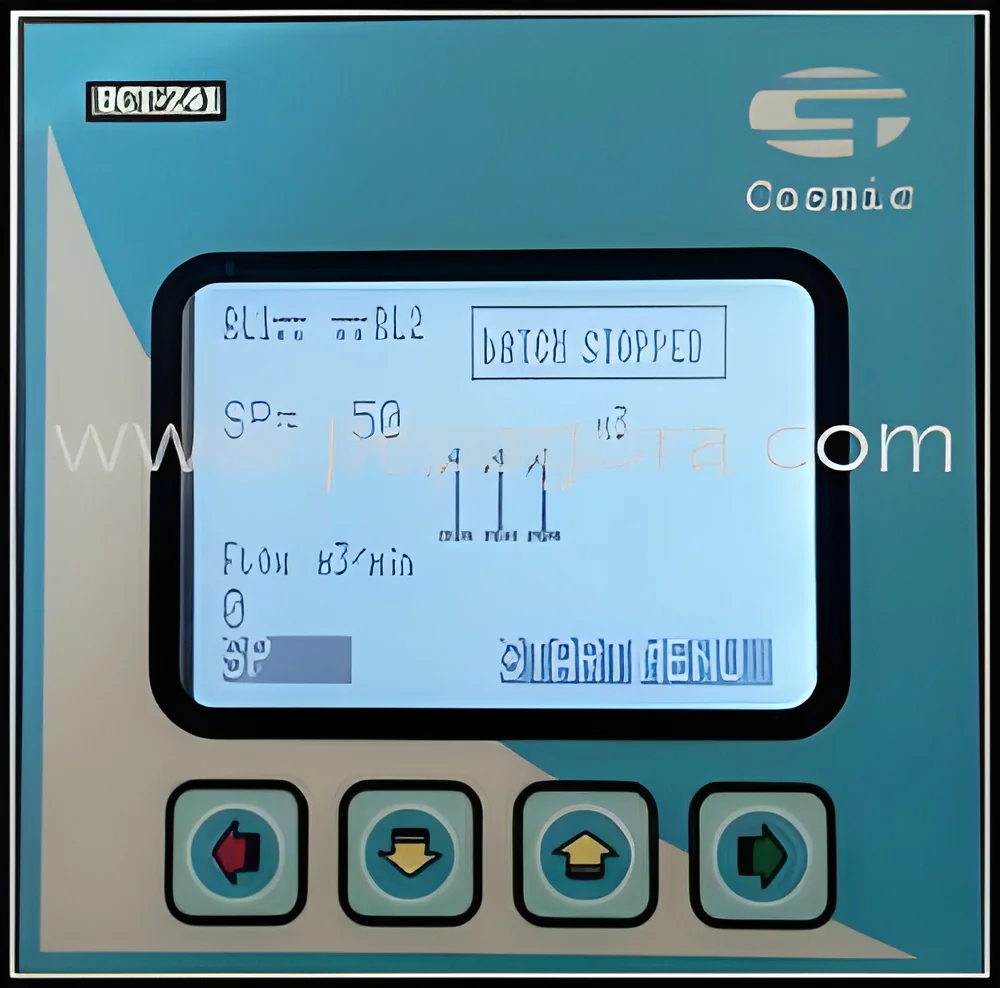
Industrial batch controllers represent advanced precision instruments designed for accurate liquid dispensing and batch control in manufacturing operations. These sophisticated devices accept input signals from flow meters in multiple formats including 4-20mA analog, frequency, and pulse signals, providing broad compatibility with industrial measurement systems. Operators can program specific volume or mass parameters directly through the controller interface. When activated, the unit automatically executes control sequences to dispensing components such as pumps and valves, continuously monitoring and adjusting the process through closed-loop control to ensure the delivered quantity precisely matches predetermined settings without requiring manual oversight.

These controllers are extensively utilized across multiple industrial sectors where precise liquid handling is critical to product quality and process efficiency. In chemical processing industries, they ensure accurate dosing of ...
Industrial batch controllers represent advanced precision instruments designed for accurate liquid dispensing and batch control in manufacturing operations. These sophisticated devices accept input signals from flow meters in multiple formats including 4-20mA analog, frequency, and pulse signals, providing broad compatibility with industrial measurement systems. Operators can program specific volume or mass parameters directly through the controller interface. When activated, the unit automatically executes control sequences to dispensing components such as pumps and valves, continuously monitoring and adjusting the process through closed-loop control to ensure the delivered quantity precisely matches predetermined settings without requiring manual oversight.

These controllers are extensively utilized across multiple industrial sectors where precise liquid handling is critical to product quality and process efficiency. In chemical processing industries, they ensure accurate dosing of ingredients and additives. Textile manufacturers rely on them for consistent dye application and chemical treatments. Water treatment facilities use these controllers for precise chemical additive dispensing, while food and beverage producers depend on them for ingredient measurement and mixing operations. The technology also serves pharmaceutical manufacturing where exact liquid component dispensing is essential for product consistency and regulatory compliance.

The business value of industrial batch controllers lies in their ability to enhance production efficiency, reduce material consumption, and ensure consistent output quality. These systems deliver measurable return on investment through minimized human error, decreased product variation, and reduced rework requirements. Their reliability stems from robust construction and precision electronic components that maintain accuracy in challenging industrial environments. The technology's compatibility with various flow meters and signal types ensures flexibility for different application requirements, making these controllers a valuable investment for businesses seeking to optimize manufacturing processes and maintain competitive advantage through improved quality control and operational efficiency.

Key Features:
- Multiple input signal compatibility including 4-20mA, frequency, and pulse
- Programmable volume and mass set points for precise control
- Automated sequencing for pumps and control valves
- Real-time monitoring and adjustment capabilities
- Broad compatibility with industrial flow meters

Benefits:
- Enhanced production efficiency through automation
- Reduced material waste and consumption
- Consistent product quality and batch uniformity
- Minimized human error and operational costs
- Improved process reliability and repeatability
Specifications
| Additional Information | |
|---|---|
| Country of Origin | 106 |
Application
Industrial batch controllers provide precise automated dispensing for manufacturing processes requiring exact volume or mass transfer. These systems accept multiple flow meter input signals including 4-20mA analog, frequency, and pulse formats, ensuring compatibility with various industrial measurement devices. The controllers manage complete dispensing sequences automatically, delivering consistent quantities across production batches while eliminating manual intervention and measurement errors.
These versatile controllers serve multiple industries where batch accuracy directly impacts product quality and operational efficiency. They integrate seamlessly with pumps and control valves, providing automated command sequences that maintain precision in demanding production environments. The technology ensures consistent results in chemical processing, textile manufacturing, and material treatment applications where repeatability and accuracy are essential for maintaining quality standards and reducing material waste.
- Chemical manufacturing plants for precise ingredient dosing and batch processing
- Textile dyeing facilities for accurate color formulation and consistency
- Water treatment plants for chemical additive dispensing and control
- Food and beverage production for ingredient measurement and mixing
- Pharmaceutical manufacturing for precise liquid component dispensing
Trade Details
| Available Stock | In Stock |
| Sample Availability | No |
Payment Terms
| Payment Terms |
|
Company Profile

Cosmic Technologies, Punjab
 Punjab, India
Punjab, IndiaIndustrial Equipment & Machinery•Manufacturer•Trading Company•Importer / Exporter
Factory Details
Factory SizeBelow 1000 sqm
Annual Production Capacity0
Industrial Batch Controllers For Precise Liquid Dispensing With Flow Meter Inputs
Industrial batch controllers for precise liquid dispensing with flow meter inputs including 4-20mA, frequency, and pulse signals. Ensures accurate batch control for chemical processing, textile manufacturing, and industrial applications with reliable performance.
Min. Order Quantity: 1 unit
Shipping
Shipping fee and delivery date to be negotiated. Contact supplier now for more details.
Cosmic Technologies
 Punjab, India
Punjab, IndiaIndustrial Equipment & MachineryManufacturer