IN
IN₹
Apparel & Fashion
Description
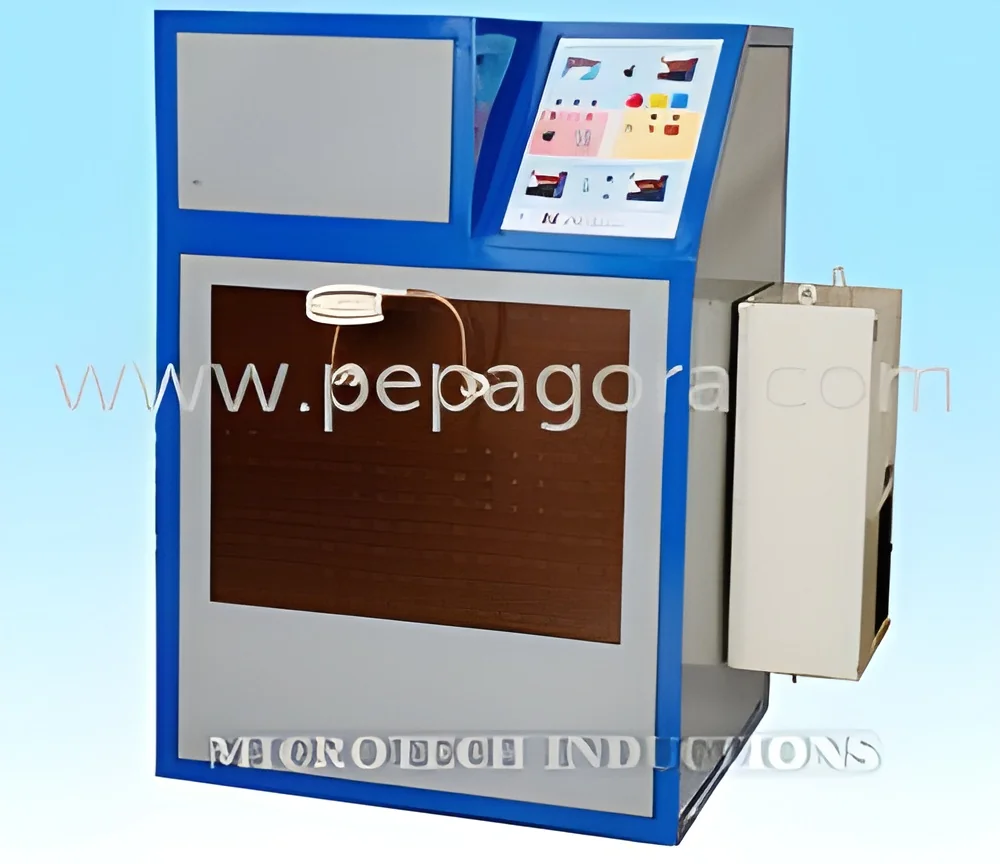
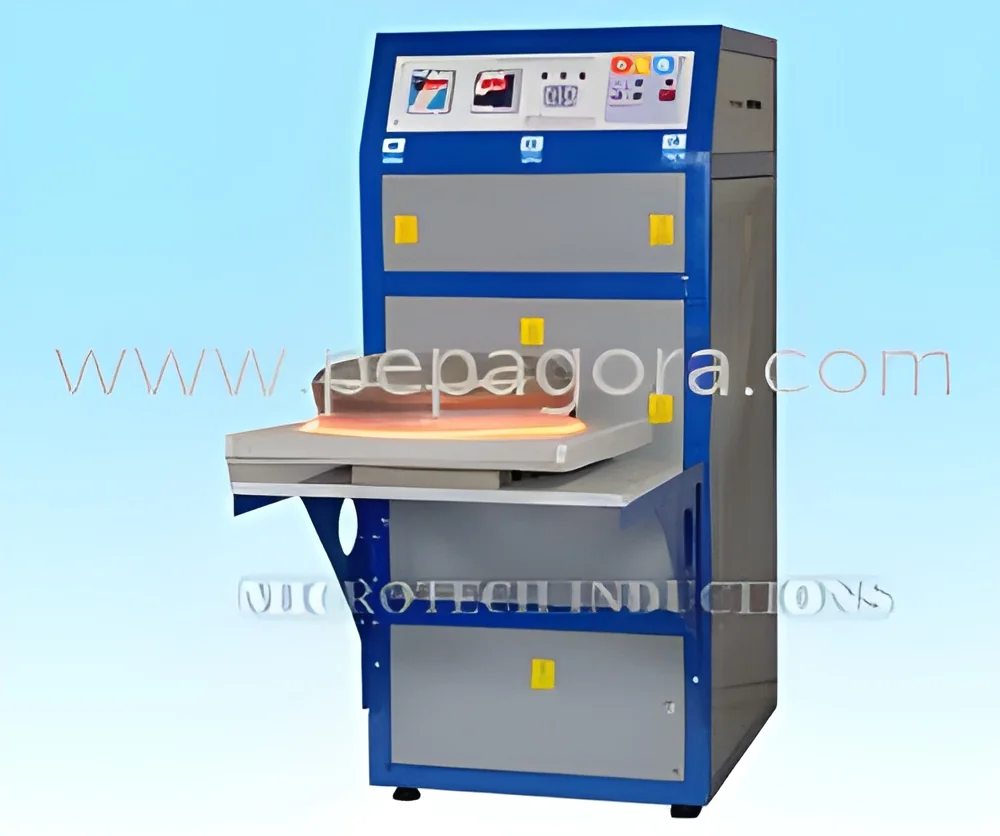
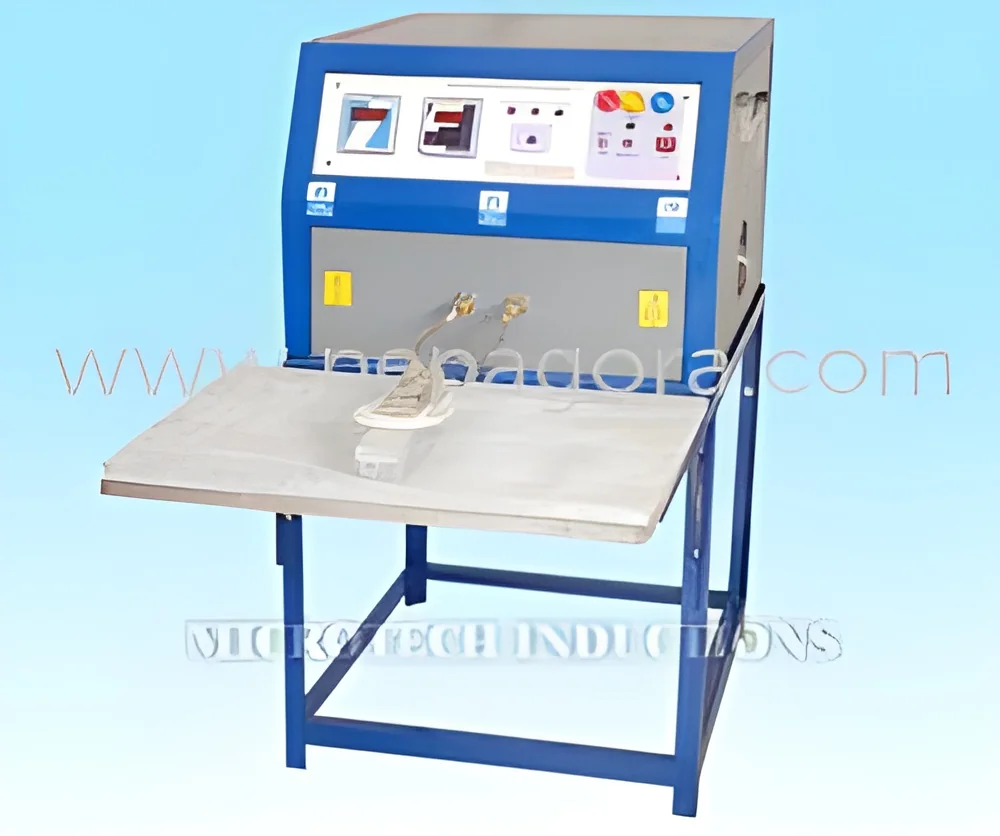
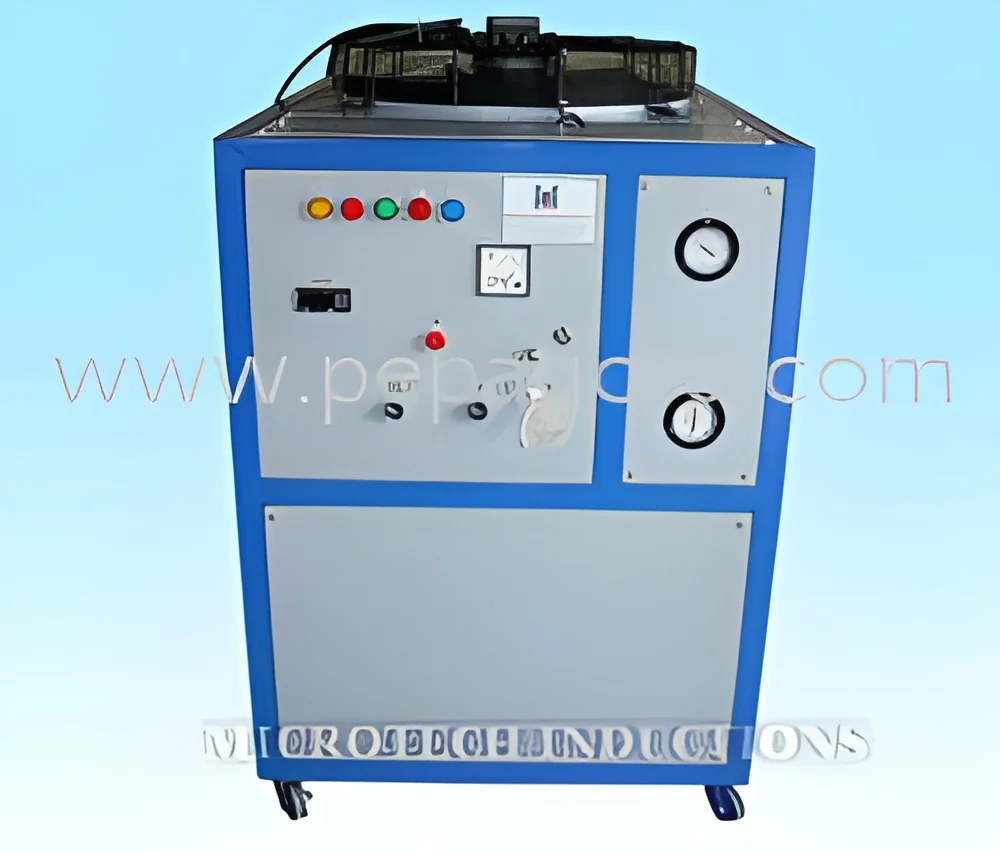
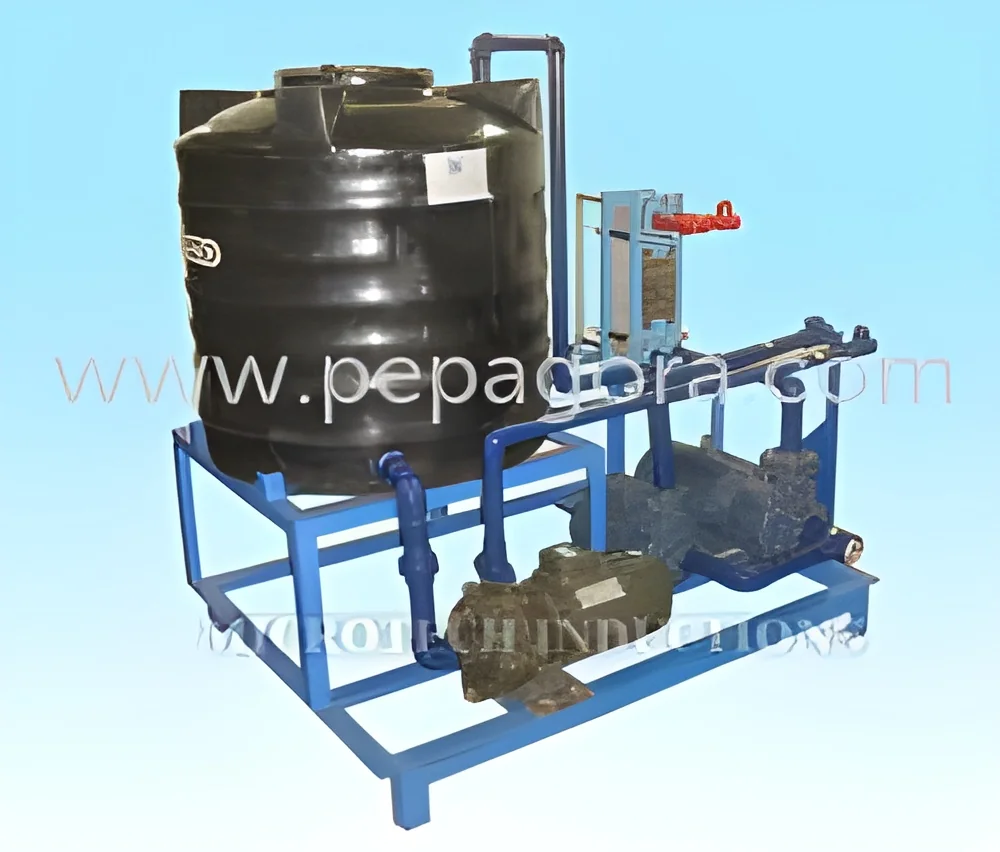
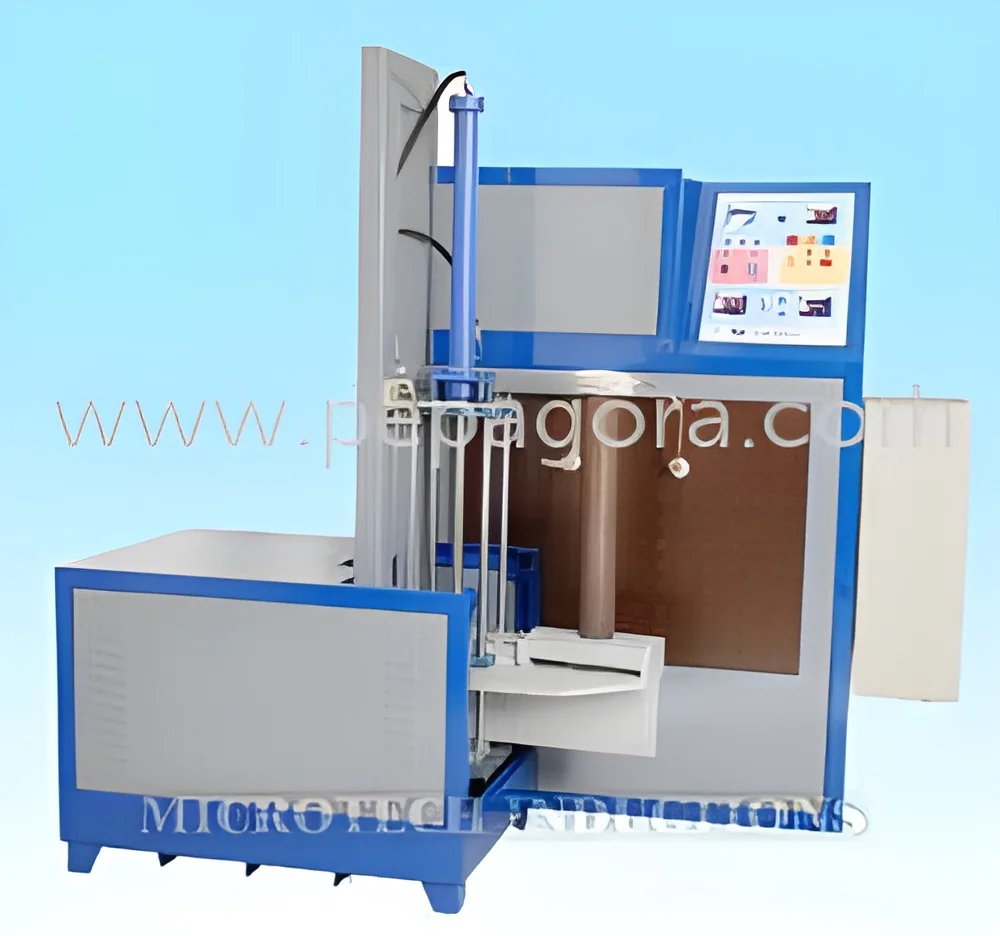
The Industrial Induction Heating System represents advanced thermal processing technology designed for precision metal treatment. Using electromagnetic fields to generate heat directly within conductive materials, this system delivers fast, consistent, and controlled heating without physical contact. This method ensures uniform temperature distribution and precise process control for hardening, brazing, and annealing applications. The technology eliminates flame inconsistencies and external heat source limitations, providing reliable performance that meets stringent industrial standards. Its energy-efficient operation and rapid heating cycles significantly reduce processing times compared to conventional methods.

This induction heating technology serves critical functions across multiple industrial sectors. Automotive manufacturers utilize it for hardening transmission components, crankshafts, and gears to enhance durability and performance. Aerospace applications include brazing turb...
The Industrial Induction Heating System represents advanced thermal processing technology designed for precision metal treatment. Using electromagnetic fields to generate heat directly within conductive materials, this system delivers fast, consistent, and controlled heating without physical contact. This method ensures uniform temperature distribution and precise process control for hardening, brazing, and annealing applications. The technology eliminates flame inconsistencies and external heat source limitations, providing reliable performance that meets stringent industrial standards. Its energy-efficient operation and rapid heating cycles significantly reduce processing times compared to conventional methods.

This induction heating technology serves critical functions across multiple industrial sectors. Automotive manufacturers utilize it for hardening transmission components, crankshafts, and gears to enhance durability and performance. Aerospace applications include brazing turbine blades and annealing structural components where material integrity is paramount. Metal fabrication shops employ these systems for stress relieving welded assemblies and pre-heating before forging operations. Tool and die manufacturers rely on induction heating for annealing cutting tools and molds to extend service life. The system's versatility supports both mass production environments and specialized workshops requiring precise thermal management.

Businesses invest in induction heating systems for their proven reliability, operational efficiency, and consistent quality output. The precise temperature control minimizes material waste and reduces scrap rates, directly impacting production costs. Energy-efficient operation lowers electricity consumption while maintaining high throughput capabilities. The non-contact heating method reduces maintenance requirements and enhances workplace safety by eliminating open flames. These systems maintain consistent performance over extended periods, ensuring predictable processing times and reliable integration into production schedules. The combination of reduced operational costs, improved product quality, and enhanced process control delivers substantial return on investment for industrial operations.

Key Features:
- Fast, consistent heating with precise temperature control for repeatable industrial processes.
- Non-contact electromagnetic heating eliminates part contamination and tool wear.
- Energy-efficient design reduces power consumption and operational costs significantly.
- Uniform heat distribution ensures consistent material properties and processing results.
- Robust construction with reliable components for continuous industrial operation.

Benefits:
- Increased production throughput with rapid heating cycles and reduced processing times.
- Consistent quality output with precise temperature control minimizing material defects.
- Lower operational costs through energy efficiency and reduced maintenance requirements.
- Enhanced workplace safety with no open flames or combustion byproducts.
- Reliable performance ensuring predictable results and integration with production schedules.
Specifications
| Additional Information | |
|---|---|
| Country of Origin | India |
Application
Industrial induction heating systems provide precise, localized heat for critical metal processing applications. This technology is essential for hardening, tempering, and annealing operations where consistent material properties and minimal distortion are required. The non-contact method ensures clean processing without contamination, making it ideal for quality-focused manufacturing environments.
These systems excel in bonding operations like brazing and soldering, creating strong, flux-free joints with exceptional reliability. Industries including automotive, aerospace, and heavy machinery rely on induction heating for its speed, repeatability, and energy efficiency. The technology integrates seamlessly with automated production lines, reducing labor requirements while increasing throughput in high-volume manufacturing settings.
- Surface hardening of automotive gears, shafts, and camshafts for enhanced wear resistance and durability.
- Brazing copper and steel components in HVAC, refrigeration, and plumbing systems with precise heat control.
- Annealing metal parts after forming or machining to relieve stresses and improve material workability.
- Pre-heating metals before forging operations in heavy equipment and machinery manufacturing.
- Shrink fitting bearings, gears, and other components in assembly lines for secure, interference-free installations.
Trade Details
| Available Stock | In Stock |
| Sample Availability | No |
Payment Terms
| Payment Terms |
|
Company Profile
Microtech Inductions Pvt Ltd, Maharashtra
 Maharashtra, India
Maharashtra, IndiaIndustrial Equipment & Machinery•Manufacturer
Factory Details
Factory SizeBelow 1000 sqm
Annual Production Capacity0
Industrial Induction Heating System For Metal Hardening Brazing Annealing
Industrial Induction Heating System delivers fast, precise heating for metal hardening, brazing, and annealing. This reliable, energy-efficient solution is ideal for manufacturing, automotive, and aerospace sectors requiring consistent results.
Min. Order Quantity: 1 unit
Shipping
Shipping fee and delivery date to be negotiated. Contact supplier now for more details.
Microtech Inductions Pvt Ltd
 Maharashtra, India
Maharashtra, IndiaIndustrial Equipment & MachineryManufacturer