IN
IN₹
Apparel & Fashion
Description
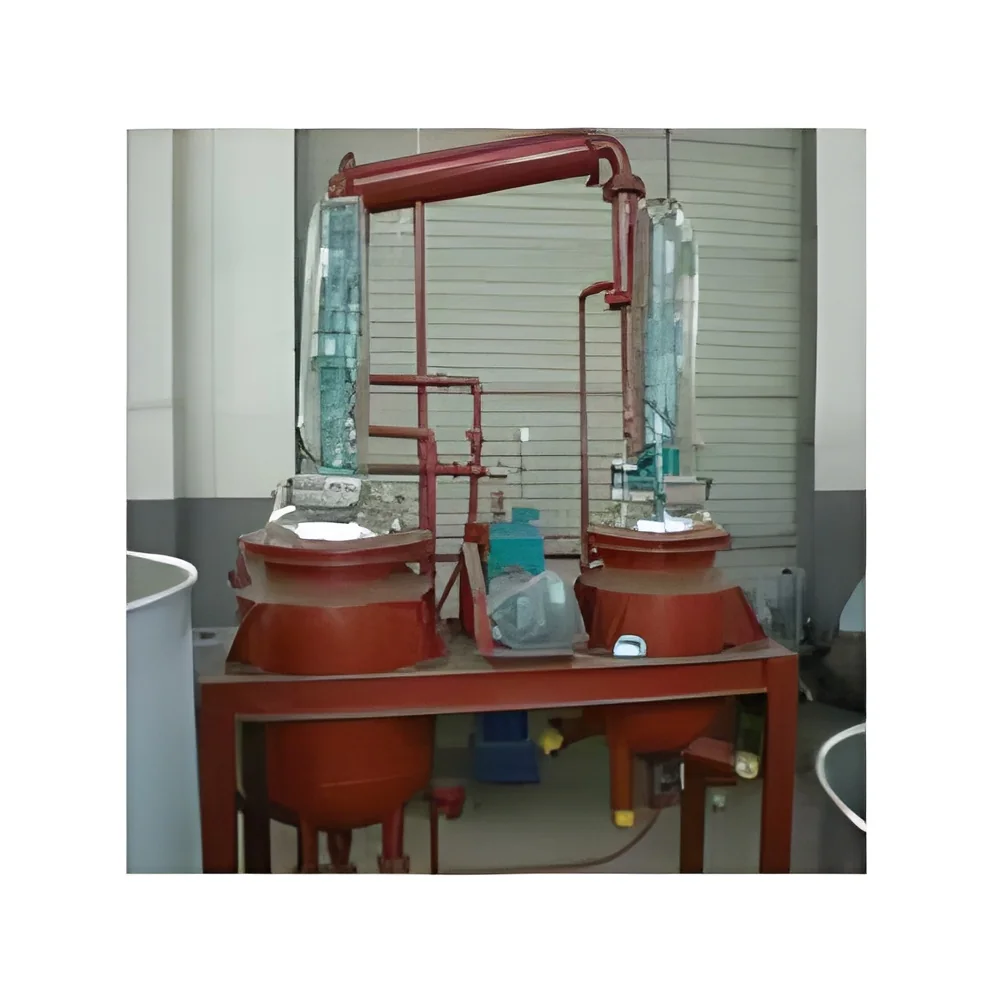
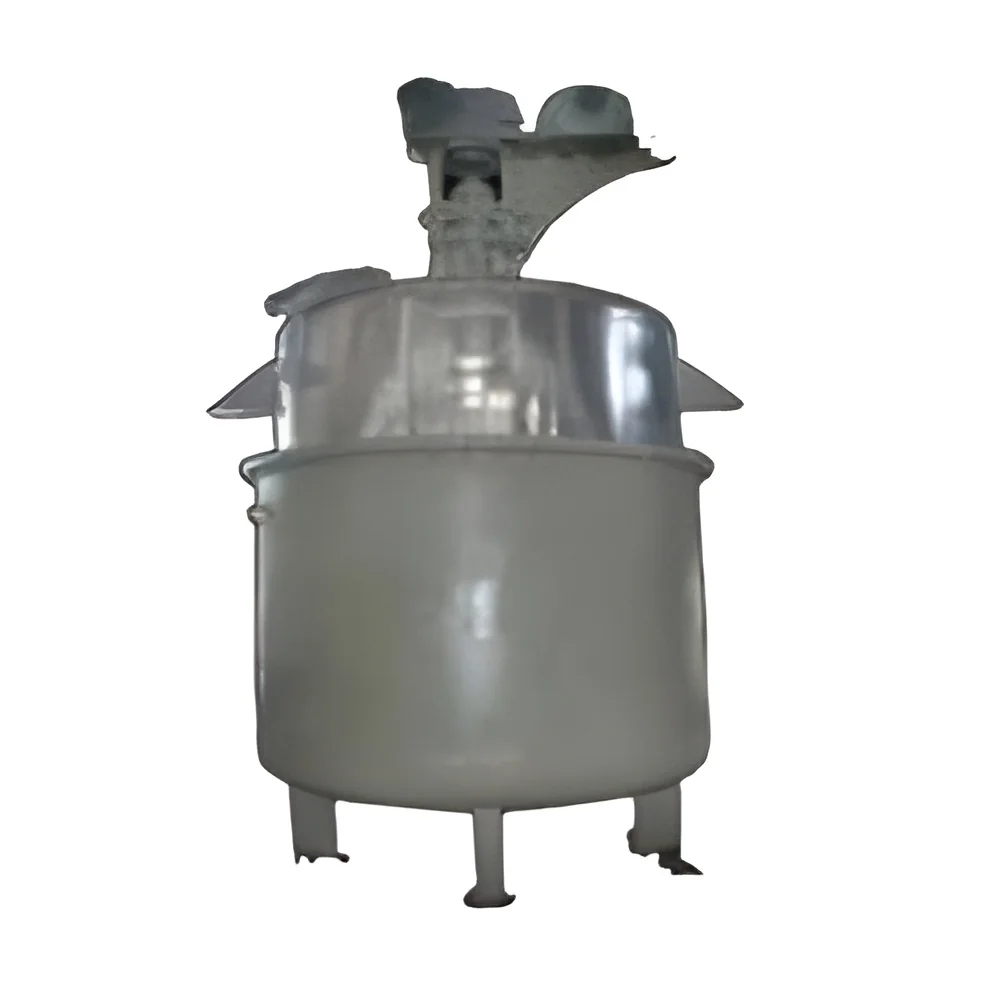
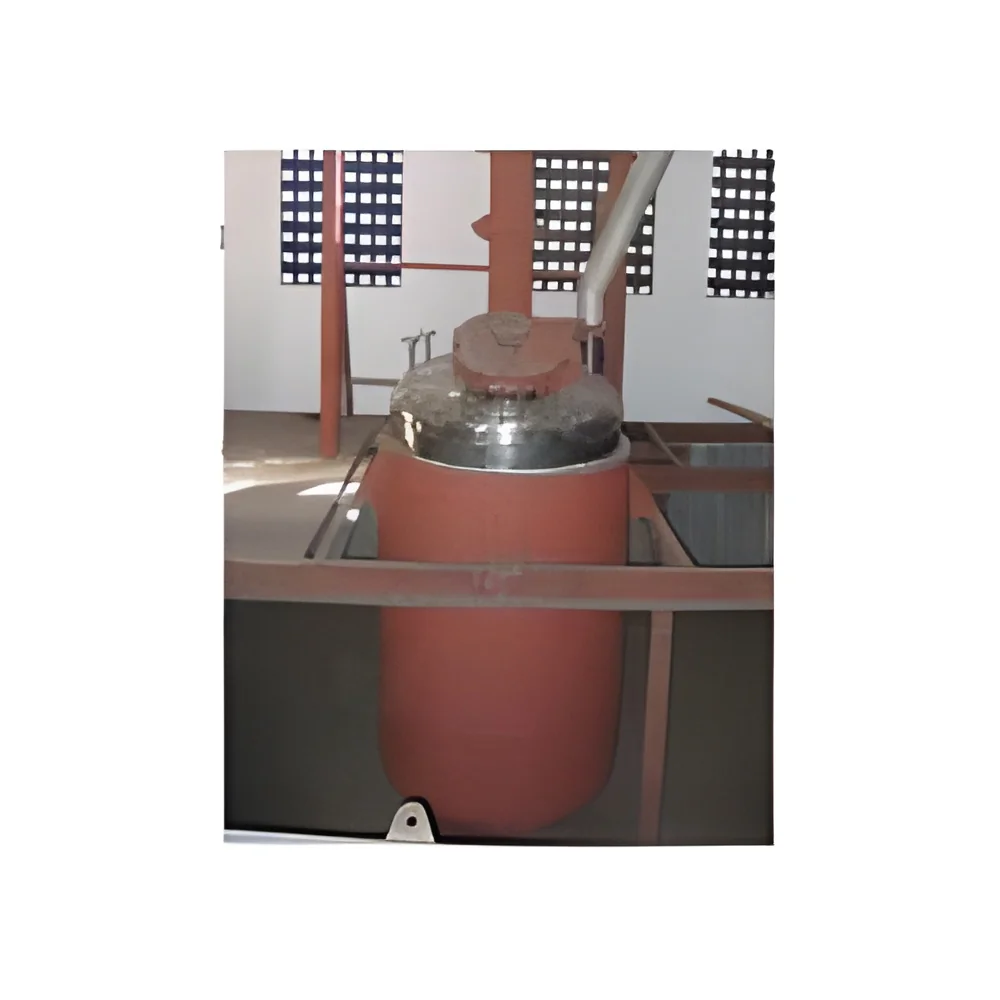
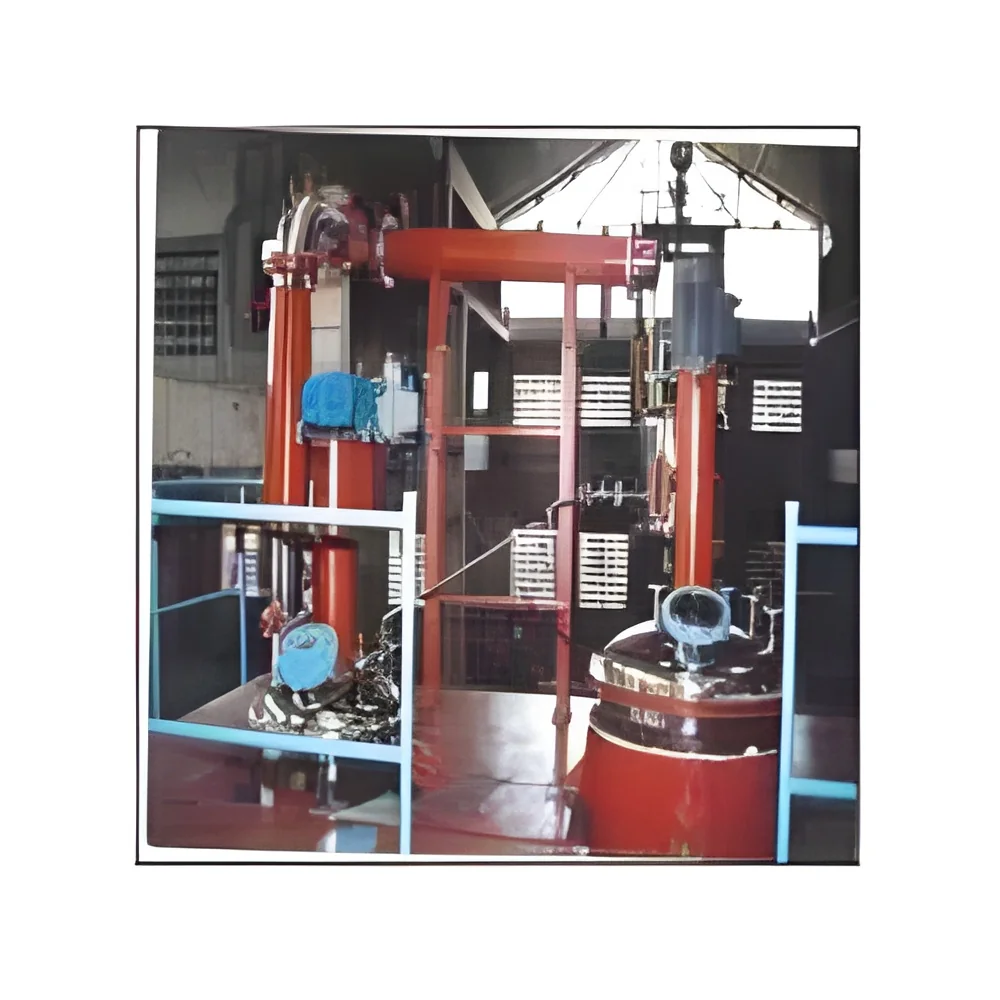
Industrial hydrogenators represent advanced processing equipment engineered for precise hydrogenation reactions across multiple industrial sectors. These systems facilitate the controlled chemical addition of hydrogen to compounds under specific temperature and pressure conditions, enabling transformative production processes essential for modern manufacturing. Built with durable materials and engineering excellence, these units deliver consistent performance in demanding industrial environments while prioritizing operational efficiency, safety, and reliability. The equipment incorporates sophisticated monitoring systems and automated controls that ensure precise reaction management while maintaining optimal process conditions throughout operation cycles, making them indispensable for facilities requiring high-purity hydrogenation capabilities.

These hydrogenation systems find extensive application across pharmaceutical manufacturing for active pharmaceutical ingredient development, f...
Industrial hydrogenators represent advanced processing equipment engineered for precise hydrogenation reactions across multiple industrial sectors. These systems facilitate the controlled chemical addition of hydrogen to compounds under specific temperature and pressure conditions, enabling transformative production processes essential for modern manufacturing. Built with durable materials and engineering excellence, these units deliver consistent performance in demanding industrial environments while prioritizing operational efficiency, safety, and reliability. The equipment incorporates sophisticated monitoring systems and automated controls that ensure precise reaction management while maintaining optimal process conditions throughout operation cycles, making them indispensable for facilities requiring high-purity hydrogenation capabilities.

These hydrogenation systems find extensive application across pharmaceutical manufacturing for active pharmaceutical ingredient development, food processing for oil and fat modification, and chemical production for creating specialized compounds. The pharmaceutical industry utilizes them for critical drug intermediate synthesis where precise hydrogenation is essential for product efficacy and purity. Food processors rely on these systems for achieving specific texture, stability, and shelf-life characteristics in edible products. Chemical manufacturers employ these units for producing high-value specialty chemicals, polymer precursors, and advanced materials. The equipment's versatility also extends to petrochemical processing and agricultural chemical production, where hydrogenation processes enhance product quality and performance characteristics across diverse industrial applications.

The business value of these hydrogenators lies in their proven reliability, operational efficiency, and consistent performance. They significantly reduce production costs through optimized energy consumption and minimal maintenance requirements while ensuring uniform output quality batch after batch. Their robust construction minimizes operational downtime and extends service life, providing substantial long-term operational savings and return on investment. The equipment's design allows for seamless integration into existing production lines, while its compliance with international safety standards ensures comprehensive risk mitigation. These systems enhance production scalability and product consistency, directly contributing to improved profitability and competitive advantage in demanding industrial markets where reliability and efficiency are paramount.

Key Features:
- Heavy-duty construction using corrosion-resistant materials for extended operational lifespan
- Precision temperature and pressure control systems ensuring optimal reaction conditions
- Customizable configurations to accommodate specific production requirements and facility layouts
- Automated monitoring and comprehensive safety systems with emergency shutdown capabilities
- High-efficiency heat exchange systems reducing energy consumption and operating costs

Benefits:
- Extended equipment lifespan through durable construction and corrosion-resistant materials
- Consistent product quality achieved through precise temperature and pressure control
- Flexible integration options accommodating various production layouts and process needs
- Enhanced operational safety with automated monitoring and emergency shutdown systems
- Reduced operating costs via energy-efficient design and minimal maintenance requirements
Specifications
| Additional Information | |
|---|---|
| Country of Origin | India |
Application
Industrial hydrogenators enable precise catalytic hydrogenation under controlled conditions, making them essential for chemical transformations across multiple sectors. These robust systems maintain consistent performance in demanding production environments while ensuring operational safety and process reliability. Their adaptable design supports both batch and continuous processing requirements with minimal integration challenges.
These units serve critical functions in pharmaceutical manufacturing for API synthesis, food processing for oil modification, and chemical production for specialty compounds. Advanced control systems and safety features ensure compliance with industry standards while maximizing production efficiency. The equipment's versatility accommodates various production scales and specific process requirements across different industrial applications.
- Pharmaceutical manufacturing for hydrogenation of active pharmaceutical ingredients and drug intermediates
- Food processing industry for edible oil hardening and fat modification processes
- Chemical production facilities for creating specialty chemicals and polymer precursors
- Petrochemical sector for hydrocarbon processing and fuel upgrading applications
- Agricultural chemical manufacturing for producing hydrogenated fertilizers and crop protection agents
Trade Details
| Available Stock | In Stock |
| Sample Availability | No |
Payment Terms
| Payment Terms |
|
Company Profile
Alphamech, Maharashtra
 Maharashtra, India
Maharashtra, IndiaManufacturer
Factory Details
Factory Size1000-5000 sqm
Annual Production Capacity0
Industrial Hydrogenators For Chemical Pharmaceutical Food Processing
Industrial hydrogenators for chemical, pharmaceutical, and food processing applications. These reliable systems deliver precise hydrogenation with advanced temperature and pressure control for high-efficiency production across multiple industries.
Min. Order Quantity: 1 unit
Shipping
Shipping fee and delivery date to be negotiated. Contact supplier now for more details.
Alphamech
 Maharashtra, India
Maharashtra, IndiaManufacturer