IN
IN₹
Apparel & Fashion
Loading subcategories...
View More
Description
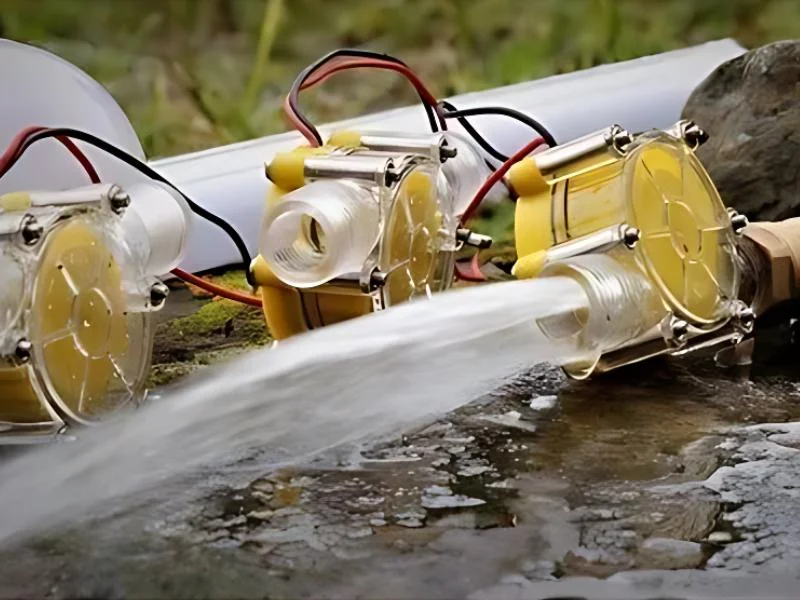
Hydro turbine generators represent advanced renewable energy technology that converts water's kinetic and potential energy into reliable electrical power. These systems incorporate durable Pelton, Francis, and Kaplan turbines paired with high-performance generators to deliver stable electricity output ranging from 50 kW to 200 MW. Designed for both grid-connected and off-grid applications, they operate at 85-95% efficiency with voltage outputs from 400V to 11kV and frequencies of 50/60 Hz. The generators feature robust construction with air or water cooling systems, turbine speeds of 200-1500 RPM, and noise levels below 75 dB, ensuring minimal environmental impact while maximizing energy conversion from available water resources.

These generators serve critical roles across multiple industries including power generation, manufacturing, agriculture, and rural development. Utility companies deploy large-scale units for base load power generation in hydroelectric plants, while industrial...
Hydro turbine generators represent advanced renewable energy technology that converts water's kinetic and potential energy into reliable electrical power. These systems incorporate durable Pelton, Francis, and Kaplan turbines paired with high-performance generators to deliver stable electricity output ranging from 50 kW to 200 MW. Designed for both grid-connected and off-grid applications, they operate at 85-95% efficiency with voltage outputs from 400V to 11kV and frequencies of 50/60 Hz. The generators feature robust construction with air or water cooling systems, turbine speeds of 200-1500 RPM, and noise levels below 75 dB, ensuring minimal environmental impact while maximizing energy conversion from available water resources.

These generators serve critical roles across multiple industries including power generation, manufacturing, agriculture, and rural development. Utility companies deploy large-scale units for base load power generation in hydroelectric plants, while industrial facilities utilize medium-capacity turbines for process power near water sources. Government agencies implement smaller systems for rural electrification projects, and private enterprises install them for commercial power needs in remote locations. The technology supports sustainable development goals across sectors requiring reliable, cost-effective electricity with minimal carbon footprint, making them particularly valuable in regions prioritizing renewable energy infrastructure.

The business value of hydro turbine generators lies in their exceptional reliability, long operational lifespan of 30-40 years, and low maintenance requirements that translate to reduced lifetime costs. These systems provide energy security through predictable power generation unaffected by fuel price volatility, offering stable operational expenses for businesses and communities. Their proven technology ensures minimal downtime and consistent performance, while the eco-friendly operation supports sustainability initiatives and regulatory compliance. This makes them a strategic investment for organizations committed to renewable energy and long-term operational efficiency.

Key Features:
- Power output capacity from 50 kW to 200 MW for diverse application needs
- Support for Pelton, Francis, and Kaplan turbine types across various head conditions
- High efficiency rating of 85-95% for optimal energy conversion
- Flexible installation options including onshore, river, and dam setups
- Robust cooling systems using both air and water methods

Benefits:
- Reduced operational costs through fuel-free electricity generation
- Long operational lifespan of 30-40 years ensuring lasting value
- Low maintenance requirements minimizing downtime and service costs
- Environmental sustainability with zero emissions during operation
- Energy independence from grid reliability and fuel price fluctuations
Specifications
| Attribute | Value |
|---|---|
| Power Output Capacity | 50 kW – 200 MW |
| Turbine Types Supported | Pelton, Francis, Kaplan |
| Voltage | 400 V – 11 kV |
| Frequency | 50 / 60 Hz |
| Turbine Speed | 200 – 1500 RPM |
| Efficiency | 85 – 95% |
| Cooling System | Air / Water Cooled |
| Operational Lifespan | 30 – 40 years |
| Noise Level | ≤ 75 dB |
| Installation Type | Onshore / River / Dam Setup |
| Additional Information | |
|---|---|
| Country of Origin | India |
| Customisable | No |
Application
Hydro turbine generators provide essential power solutions across diverse environments, from remote off-grid communities to large industrial complexes. Their ability to operate reliably with river, dam, or onshore installations makes them ideal for regions with consistent water flow, ensuring uninterrupted electricity where traditional grid access is limited or unavailable.
These robust systems support both public infrastructure and private sector energy needs, delivering scalable power generation from small community projects to major utility-scale hydroelectric plants. With flexible configurations for various head and flow conditions, they serve as primary or backup power sources while promoting sustainable development and reducing fossil fuel dependence.
- Powering remote villages and off-grid communities with reliable renewable electricity
- Supporting industrial operations near water sources with continuous process power
- Enabling rural electrification projects for government and development agencies
- Generating clean energy for commercial facilities and agricultural processing units
- Providing decentralized power for water-powered mills and local micro-grid systems
Trade Details
| Available Stock | In Stock |
| Sample Availability | No |
Payment Terms
| Payment Terms |
|
Company Profile

Diamond Engineering Enterprises , Tamil Nadu
 Tamil Nadu, India
Tamil Nadu, IndiaFood & Agriculture•Manufacturer•Importer / Exporter
Factory Details
Factory SizeBelow 1000 sqm
Annual Production Capacity0
Main Markets
Africa
Hydro Turbine Generator 50 kW 200 MW Pelton Francis Kaplan
Hydro Turbine Generator delivers 50 kW to 200 MW reliable renewable power using Pelton, Francis, and Kaplan turbines for industrial and rural electrification with 85-95% efficiency and 30-40 year lifespan.
Min. Order Quantity: 1 piece
Shipping
Shipping fee and delivery date to be negotiated. Contact supplier now for more details.
Diamond Engineering Enterprises 
 Tamil Nadu, India
Tamil Nadu, IndiaFood & AgricultureManufacturer