IN
IN₹
Apparel & Fashion
Description
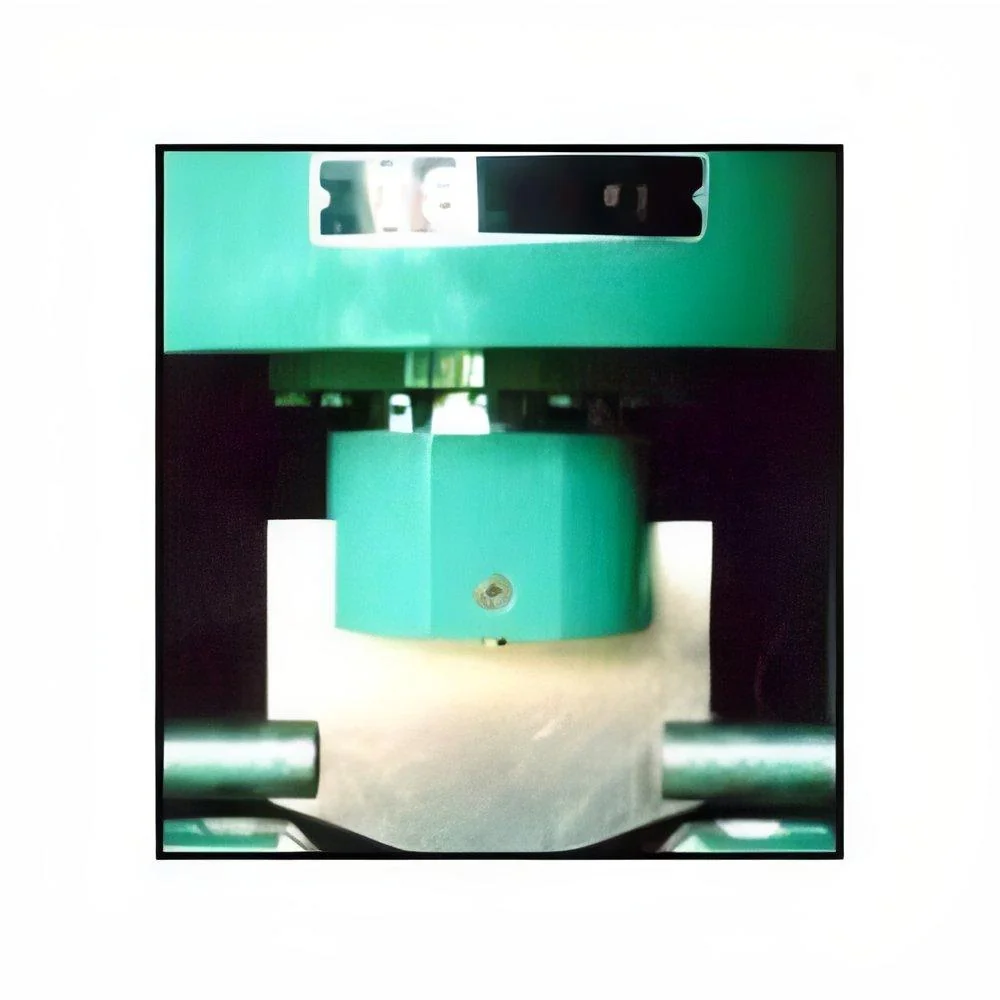
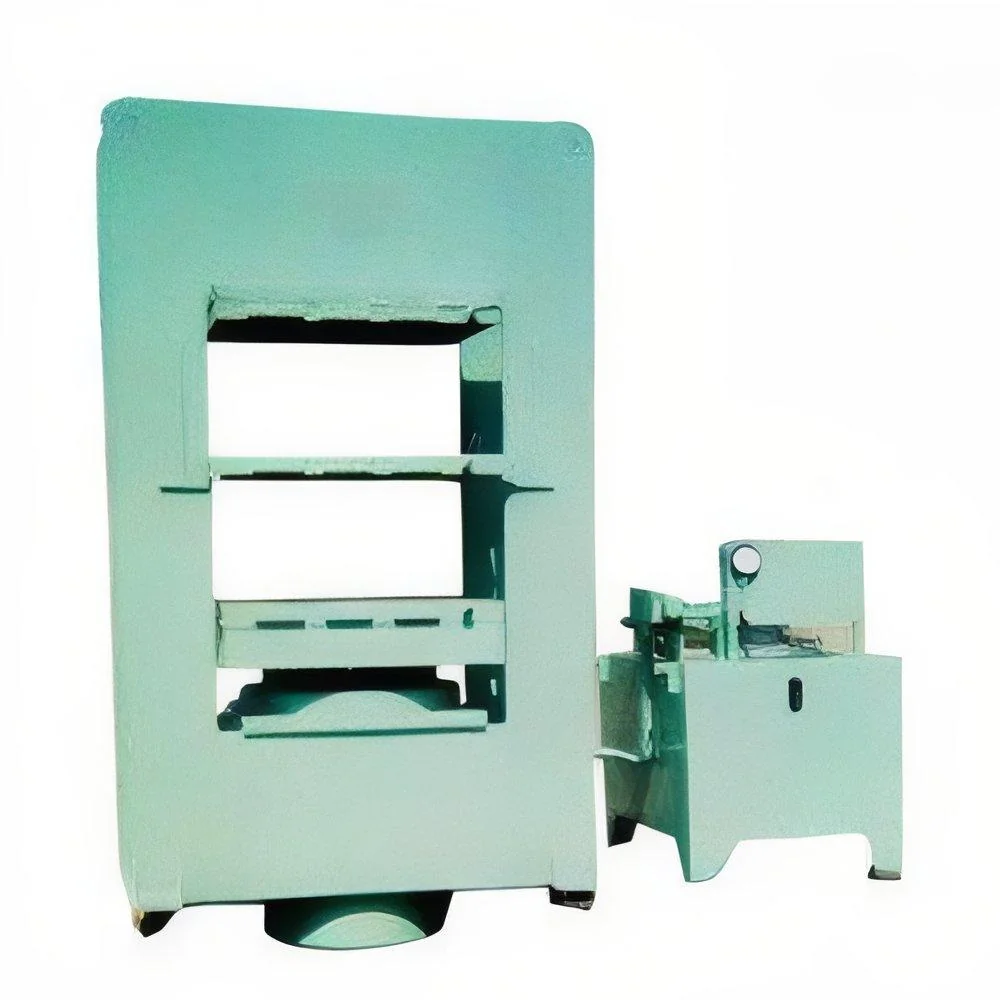
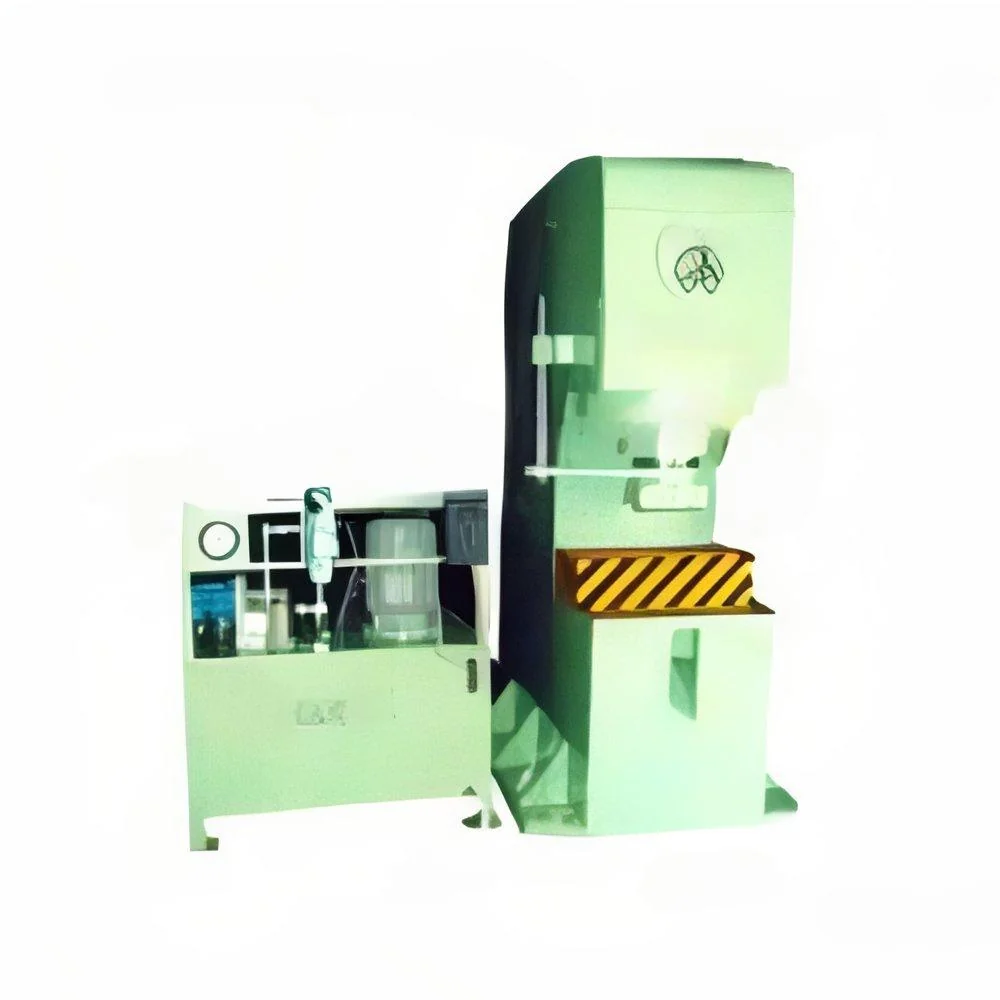
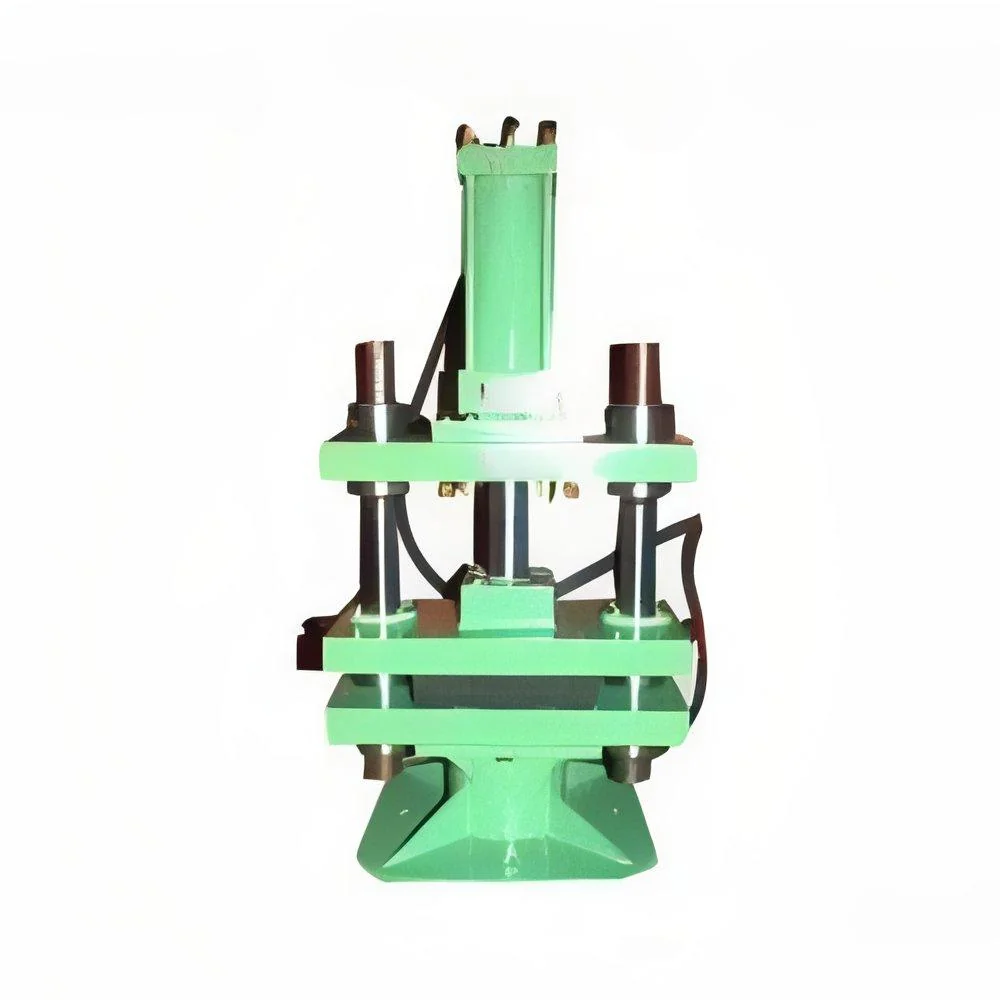
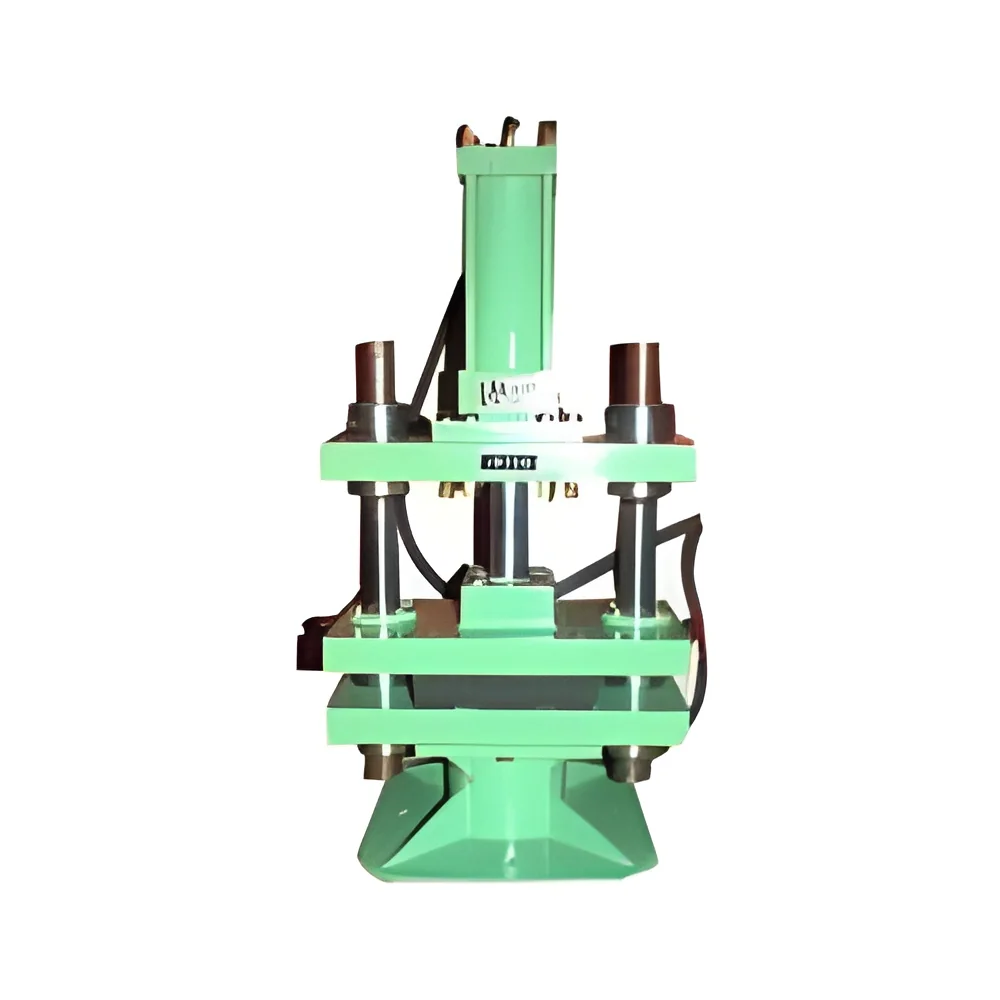
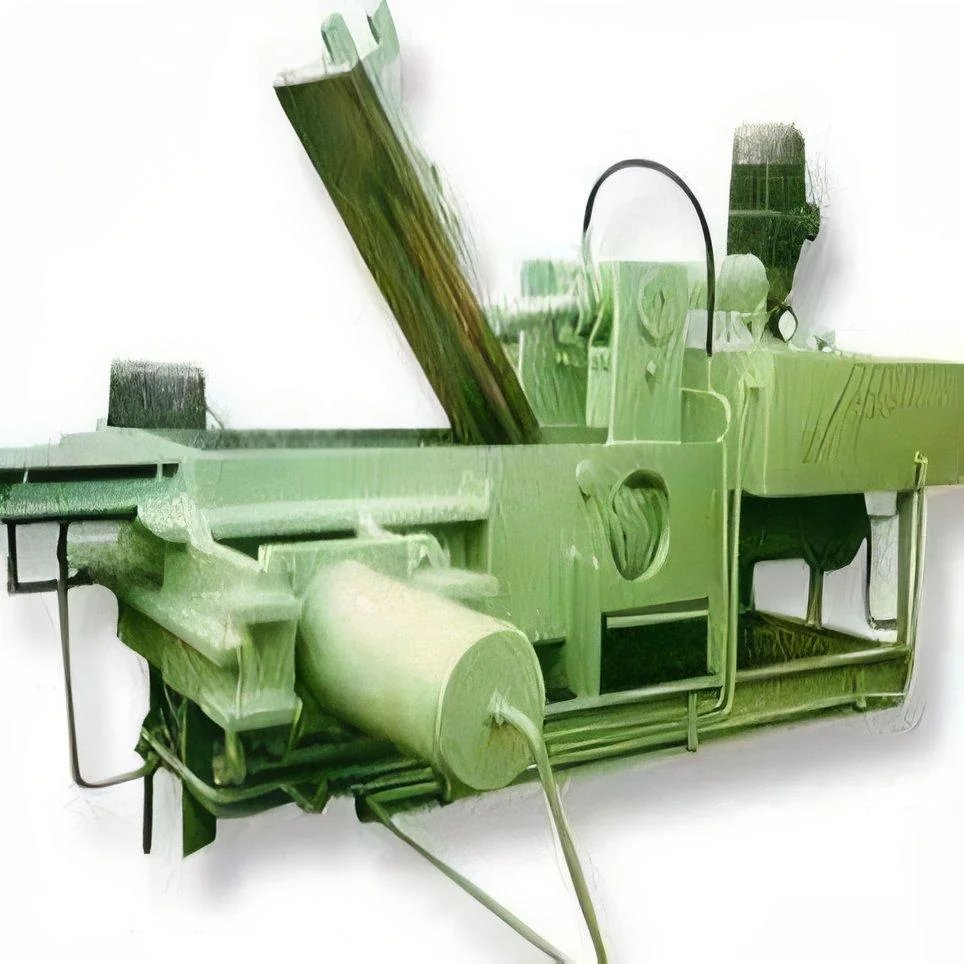
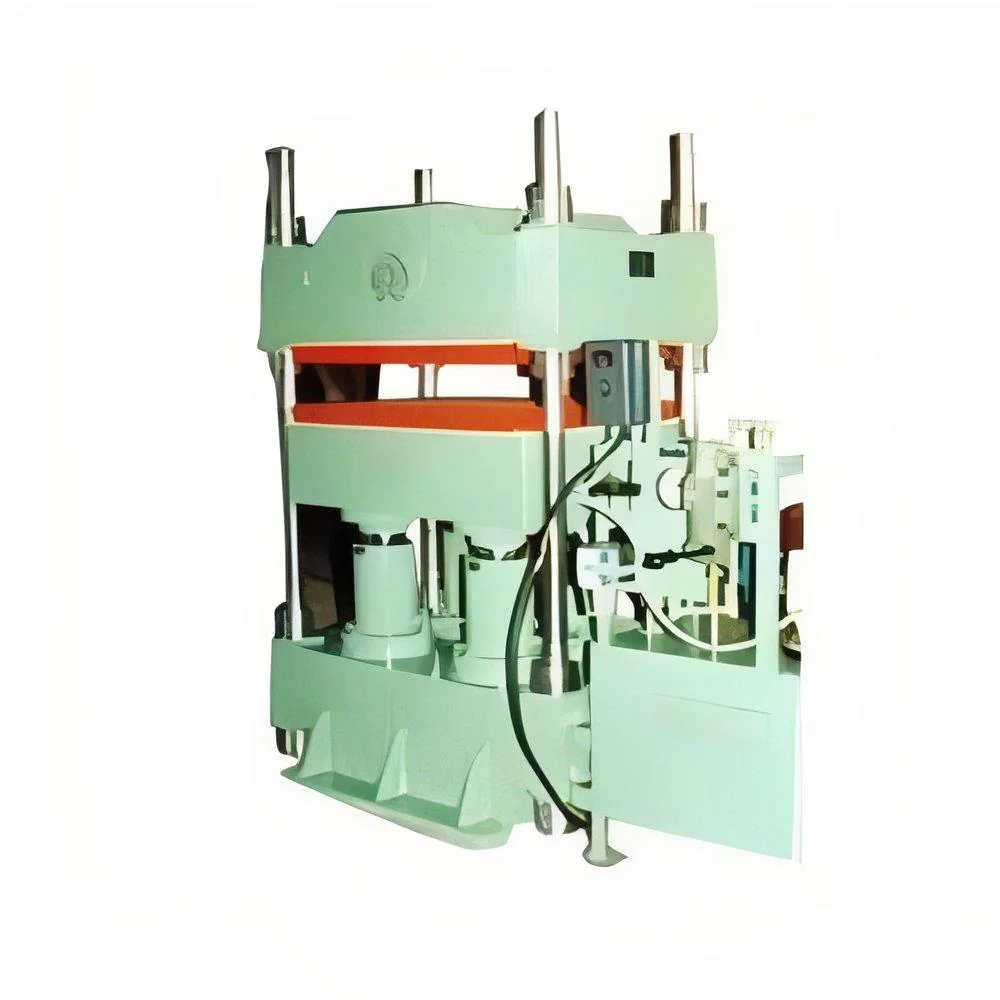
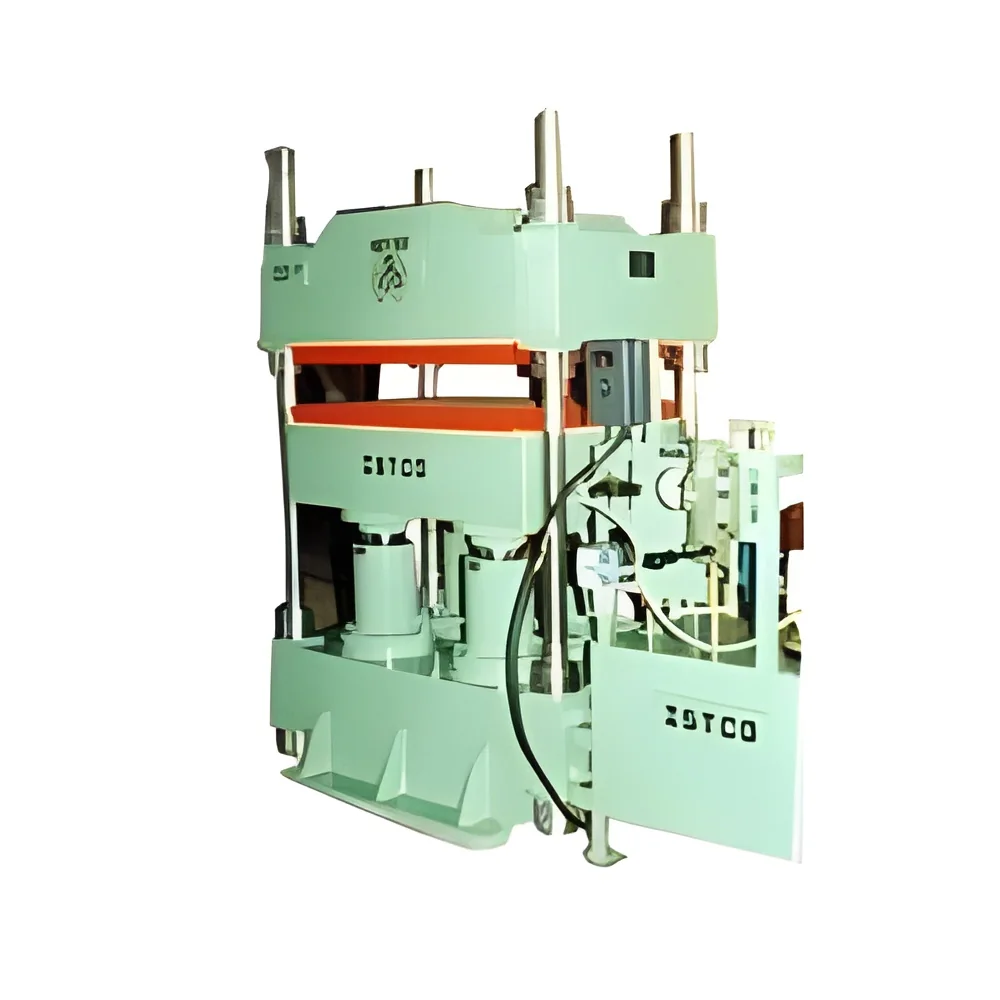
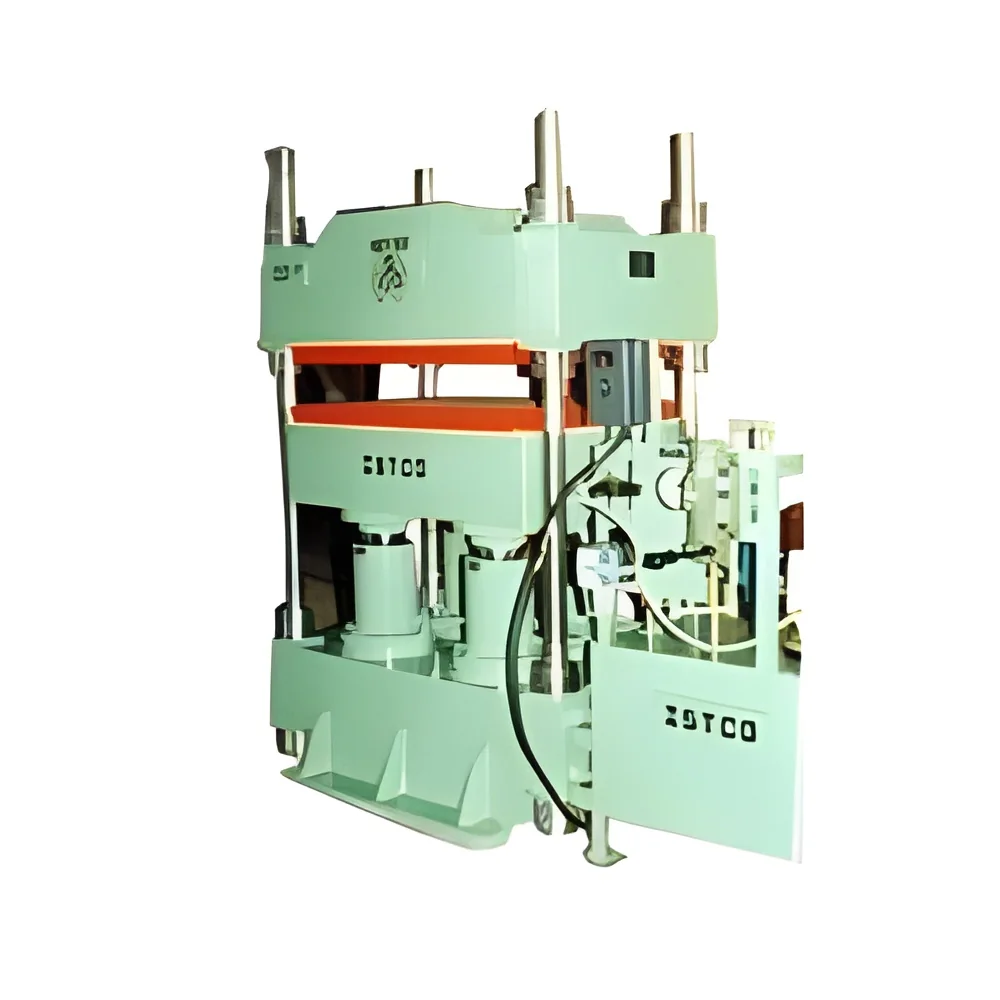
Industrial Hydraulic Molding Presses with bolted construction represent premium compression molding solutions designed for reliability and long-term performance in demanding manufacturing environments. These machines feature innovative bolted construction instead of traditional welding, ensuring quick and easy dismantling for maintenance and part replacement while maintaining structural integrity. Available in both single and multiple daylight configurations, these presses can be equipped with either electrically heated or steam heated platens to meet specific production requirements and material specifications. The robust engineering ensures consistent pressure distribution and operational stability across various manufacturing applications.

These hydraulic presses serve multiple industrial sectors including automotive component manufacturing, aerospace composites, construction materials, and consumer goods production. The rubber industry utilizes them for producing seals, gaskets, a...
Industrial Hydraulic Molding Presses with bolted construction represent premium compression molding solutions designed for reliability and long-term performance in demanding manufacturing environments. These machines feature innovative bolted construction instead of traditional welding, ensuring quick and easy dismantling for maintenance and part replacement while maintaining structural integrity. Available in both single and multiple daylight configurations, these presses can be equipped with either electrically heated or steam heated platens to meet specific production requirements and material specifications. The robust engineering ensures consistent pressure distribution and operational stability across various manufacturing applications.

These hydraulic presses serve multiple industrial sectors including automotive component manufacturing, aerospace composites, construction materials, and consumer goods production. The rubber industry utilizes them for producing seals, gaskets, and vibration control components with precise dimensional accuracy. Plastics manufacturers employ these presses for compression molding of technical components and specialized parts, while cork processors rely on them for creating sealing products and insulation materials. Composite material producers use these machines for forming fiber-reinforced parts requiring controlled pressure and temperature parameters. The versatility makes these presses suitable for both large-scale production facilities and specialized manufacturing operations requiring precise process control.

The operational value of these hydraulic molding presses lies in their reliability, durability, and maintenance efficiency. The bolted construction significantly reduces maintenance downtime compared to welded frames, while the robust design ensures long service life even under continuous heavy-duty operation. The heating options and configuration flexibility allow businesses to optimize their production processes without compromising on quality or output consistency. These presses deliver uniform pressure distribution across the entire platen surface, resulting in consistent product quality and reduced material waste. The combination of traditional hydraulic reliability with modern maintenance-friendly design provides manufacturing operations with enhanced productivity and cost efficiency in competitive markets.

Key Features:
- Bolted construction for straightforward maintenance and component replacement
- Available in single or multiple daylight configurations for production flexibility
- Choice of electrically heated or steam heated platen options
- Robust engineering for consistent pressure delivery and operational stability
- High-quality materials ensuring durability and long service life

Benefits:
- Reduced maintenance downtime through accessible bolted assembly system
- Production flexibility with configurable daylight and heating options
- Consistent product quality through uniform pressure distribution
- Long-term reliability in continuous heavy-duty operation
- Enhanced operational efficiency with reduced material waste
Specifications
| Additional Information | |
|---|---|
| Country of Origin | India |
Application
These hydraulic molding presses are engineered for demanding industrial applications requiring precise compression and consistent pressure. The bolted construction ensures structural integrity while allowing straightforward maintenance access, making these machines suitable for high-volume production environments where reliability is critical. Available daylight configurations and heating options provide flexibility for various material specifications across different manufacturing scales and output requirements.
These presses serve multiple industries including rubber, composite, cork, and plastic manufacturing sectors. The robust design supports continuous operation with uniform pressure delivery, ensuring consistent product quality batch after batch. Businesses benefit from reduced downtime due to the accessible bolted assembly system, which simplifies part replacement and servicing compared to traditional welded frames while maintaining operational efficiency in demanding production environments.
- Compression molding of rubber gaskets and seals for automotive components
- Production of cork stoppers and agglomerated cork products for packaging
- Manufacturing composite materials including fiberglass and carbon fiber parts
- Forming thermoplastic and thermoset plastic components for industrial use
- Creating insulation materials and specialized technical ceramics
Trade Details
| Available Stock | In Stock |
| Sample Availability | No |
Payment Terms
| Payment Terms |
|
Company Profile
Istco Engineering Works, Gujarat
 Gujarat, India
Gujarat, IndiaOffice Supplies & Equipment•Manufacturer•Distributor / Wholesaler•Importer / Exporter
Factory Details
Factory SizeBelow 1000 sqm
Annual Production Capacity0
Industrial Hydraulic Molding Presses Bolted Construction Steam Electric Heating
Industrial Hydraulic Molding Presses feature bolted construction for easy maintenance with steam or electric heating options. These reliable machines deliver precision compression molding for various manufacturing applications and material requirements.
Min. Order Quantity: 1 unit
Shipping
Shipping fee and delivery date to be negotiated. Contact supplier now for more details.
Istco Engineering Works
 Gujarat, India
Gujarat, IndiaOffice Supplies & EquipmentManufacturer