Levitator hydraulic elevators serve as essential vertical transportation solutions for low-rise buildings where space constraints or structural limitations make traditional elevator installation challenging. Their compact hydraulic design requires minimal pit depth and overhead clearance, making them perfect for retrofit projects and buildings where maximizing usable space is critical. These systems maintain functionality even during power interruptions, ensuring continuous operation when needed most across various building types and usage scenarios. These elevators find extensive application across healthcare facilities, commercial establishments, residential properties, and institutional buildings. Hospitals utilize them for safe patient transport between floors, while retail environments benefit from improved customer accessibility and efficient goods movement. Residential applications include luxury homes, apartment buildings, and heritage properties where preserving architectural

 IN
₹
Description
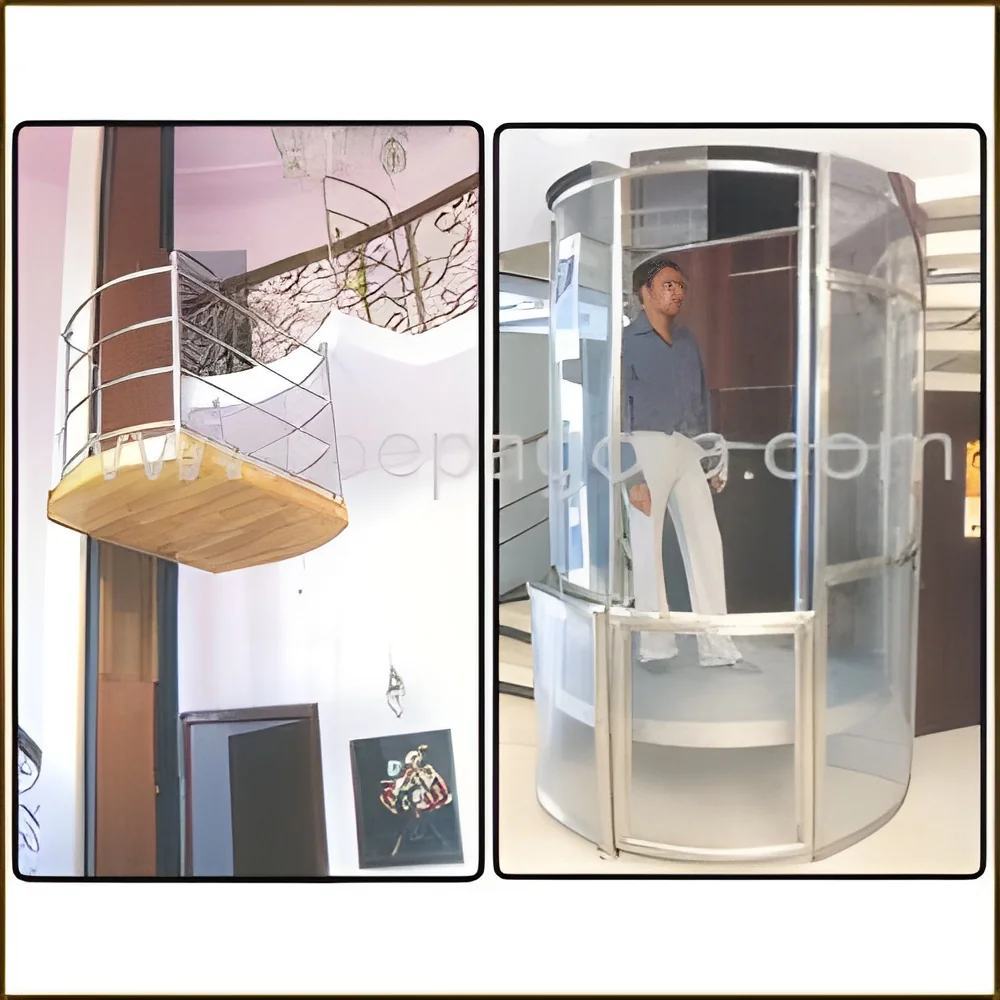
Levitator hydraulic elevators represent advanced vertical transportation solutions specifically engineered for low-rise buildings requiring reliable 2-3 floor accessibility. These systems utilize proven hydraulic technology to deliver smooth, quiet operation with minimal maintenance requirements. Designed for both new construction projects and building renovations, these elevators feature compact machinery that requires significantly less space than traditional traction systems. The hydraulic mechanism ensures consistent performance with precise floor-leveling accuracy, making them ideal for applications where user safety and comfort are paramount. All components conform to ISI standards, ensuring compliance with national safety regulations and quality benchmarks. The integrated battery backup system maintains operational capability during power interruptions, providing uninterrupted service when needed most. These hydraulic elevators serve diverse industries including healthcare, reta...
Levitator hydraulic elevators represent advanced vertical transportation solutions specifically engineered for low-rise buildings requiring reliable 2-3 floor accessibility. These systems utilize proven hydraulic technology to deliver smooth, quiet operation with minimal maintenance requirements. Designed for both new construction projects and building renovations, these elevators feature compact machinery that requires significantly less space than traditional traction systems. The hydraulic mechanism ensures consistent performance with precise floor-leveling accuracy, making them ideal for applications where user safety and comfort are paramount. All components conform to ISI standards, ensuring compliance with national safety regulations and quality benchmarks. The integrated battery backup system maintains operational capability during power interruptions, providing uninterrupted service when needed most. These hydraulic elevators serve diverse industries including healthcare, retail, hospitality, residential, and institutional sectors. Hospitals implement them for safe patient transport between floors, particularly in medical facilities where structural constraints limit moder
Specifications
| Additional Information | |
|---|---|
| Country of Origin | India |
Application
Trade Details
| Available Stock | In Stock |
| Sample Availability | No |
Payment Terms
| Payment Terms |
|
Company Profile
Expert Equipments Pvt Ltd, Tamil Nadu
 Tamil Nadu, India
Construction•Manufacturer•Distributor / Wholesaler•Importer / Exporter
Factory Details
Factory SizeBelow 1000 sqm
Annual Production Capacity0
Low Rise Building Hydraulic Elevator For Indoor Installation With Battery Backup
Levitator hydraulic elevators provide reliable 2-3 floor vertical transportation for low-rise buildings with ISI compliance and battery backup, ideal for indoor installation in new constructions and renovation projects.
Min. Order Quantity: 1 unit
Shipping
Shipping fee and delivery date to be negotiated. Contact supplier now for more details.
Expert Equipments Pvt Ltd
 Tamil Nadu, India
ConstructionManufacturer