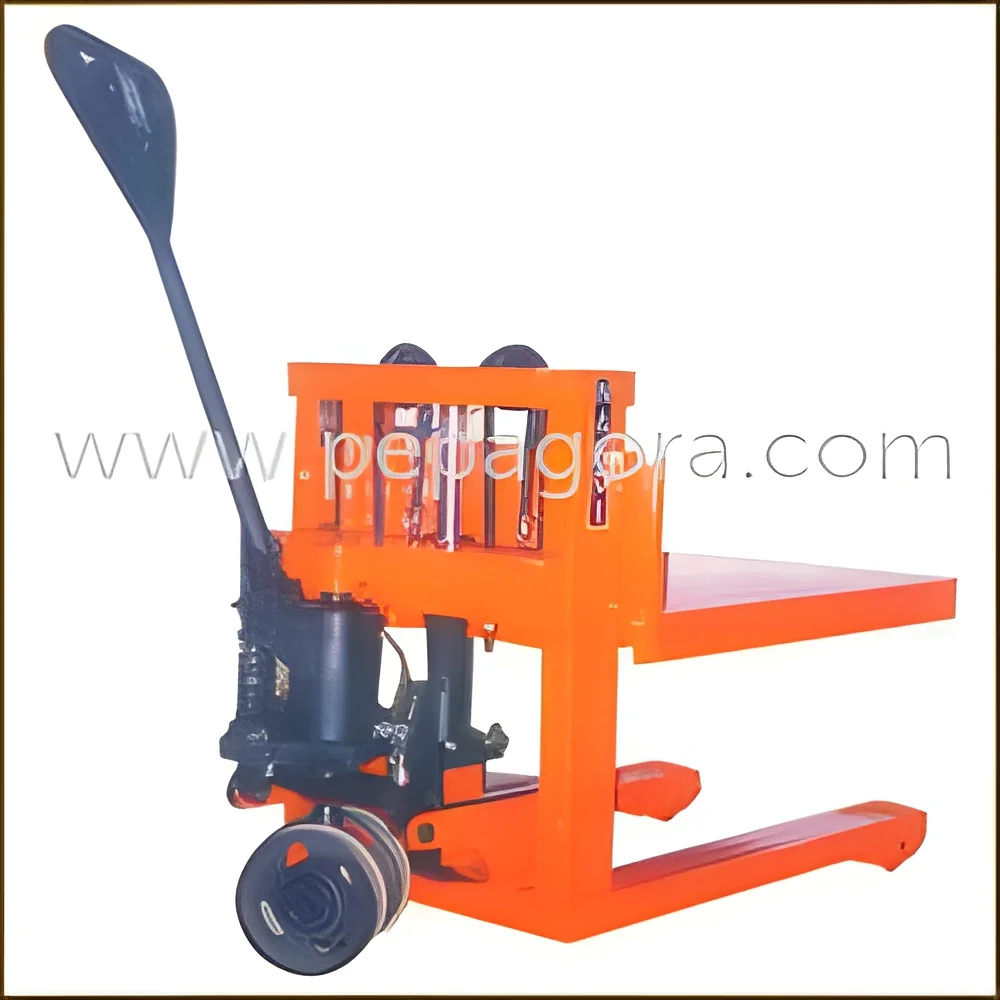
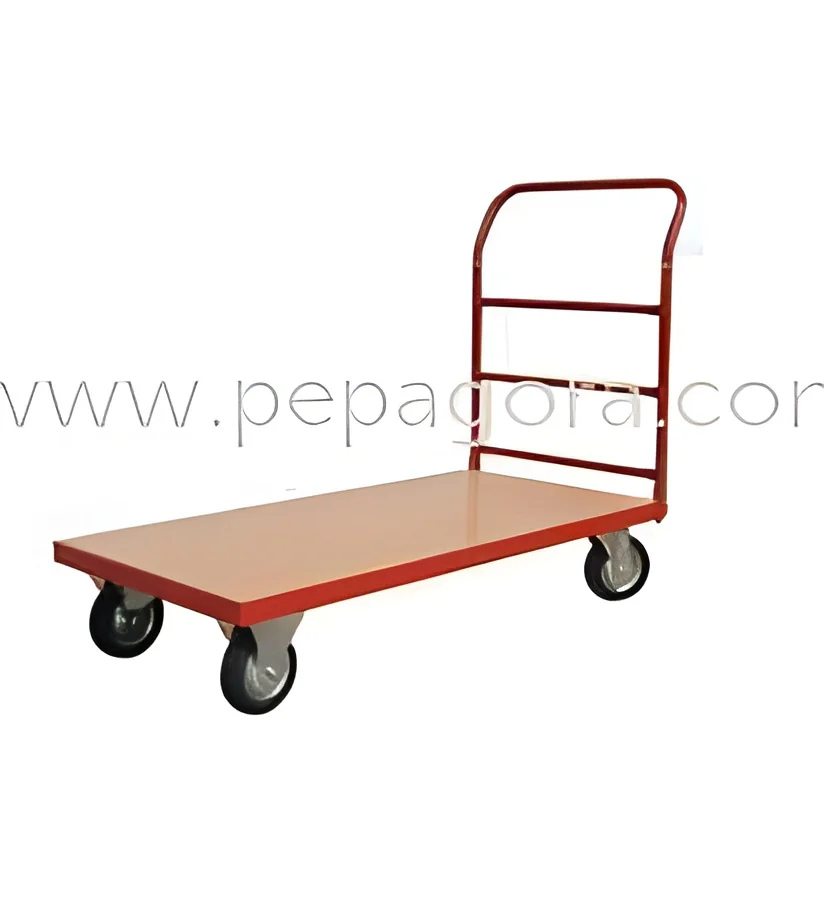
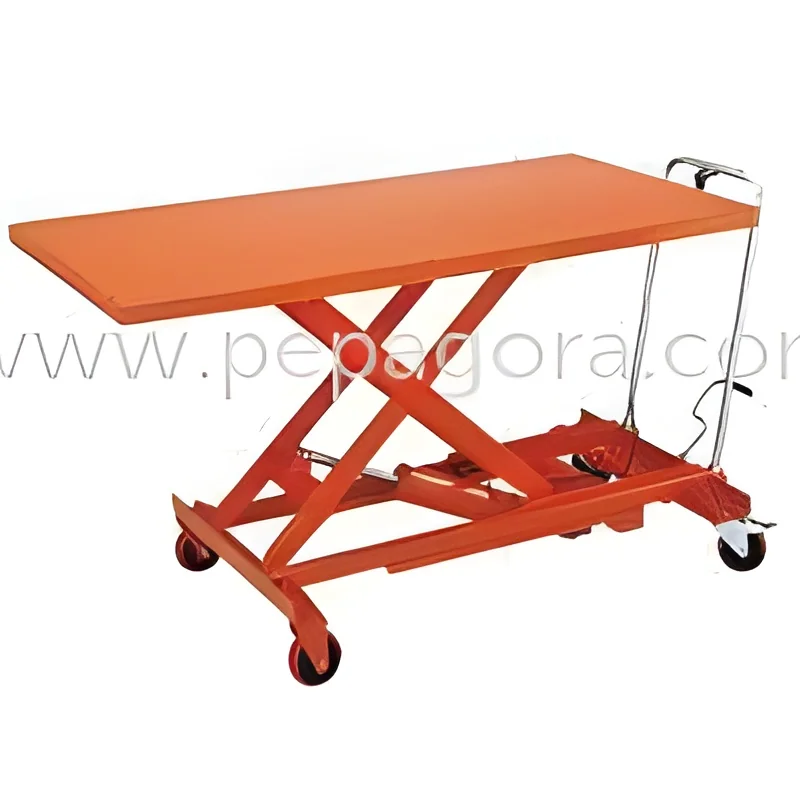
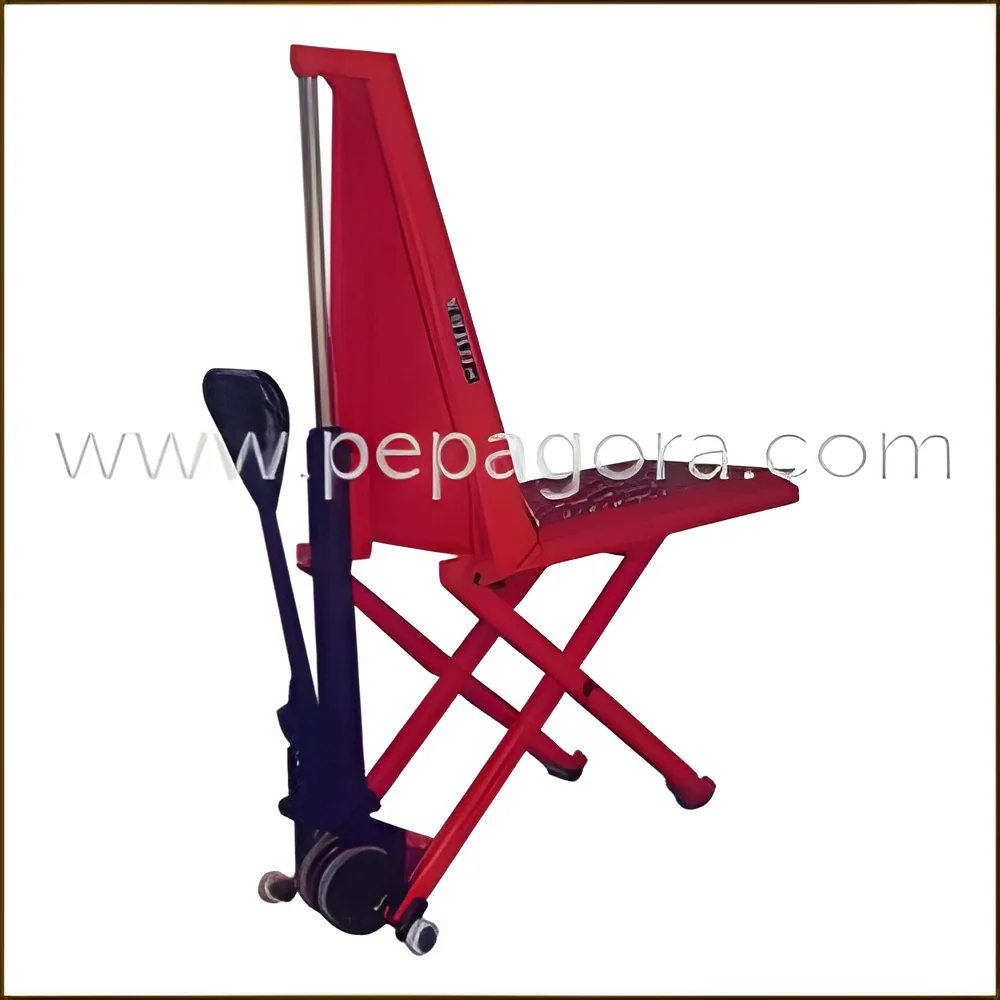
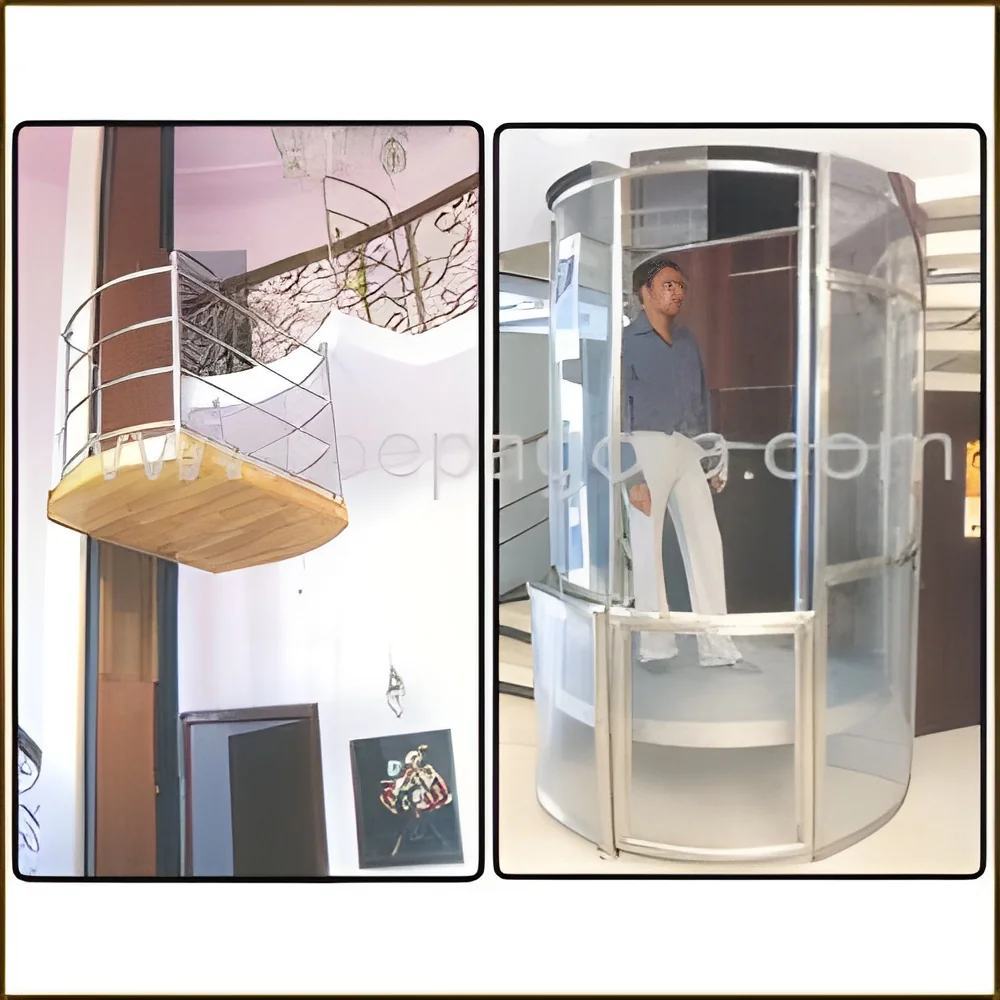
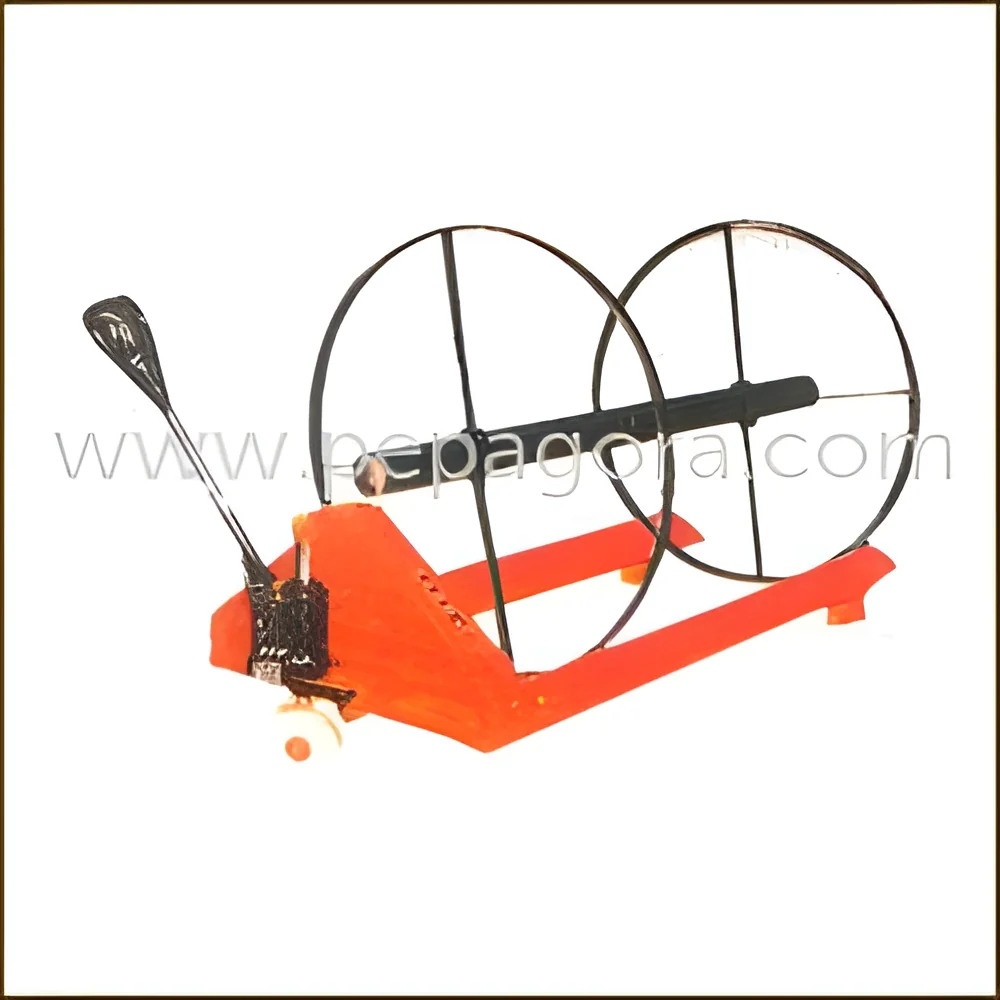
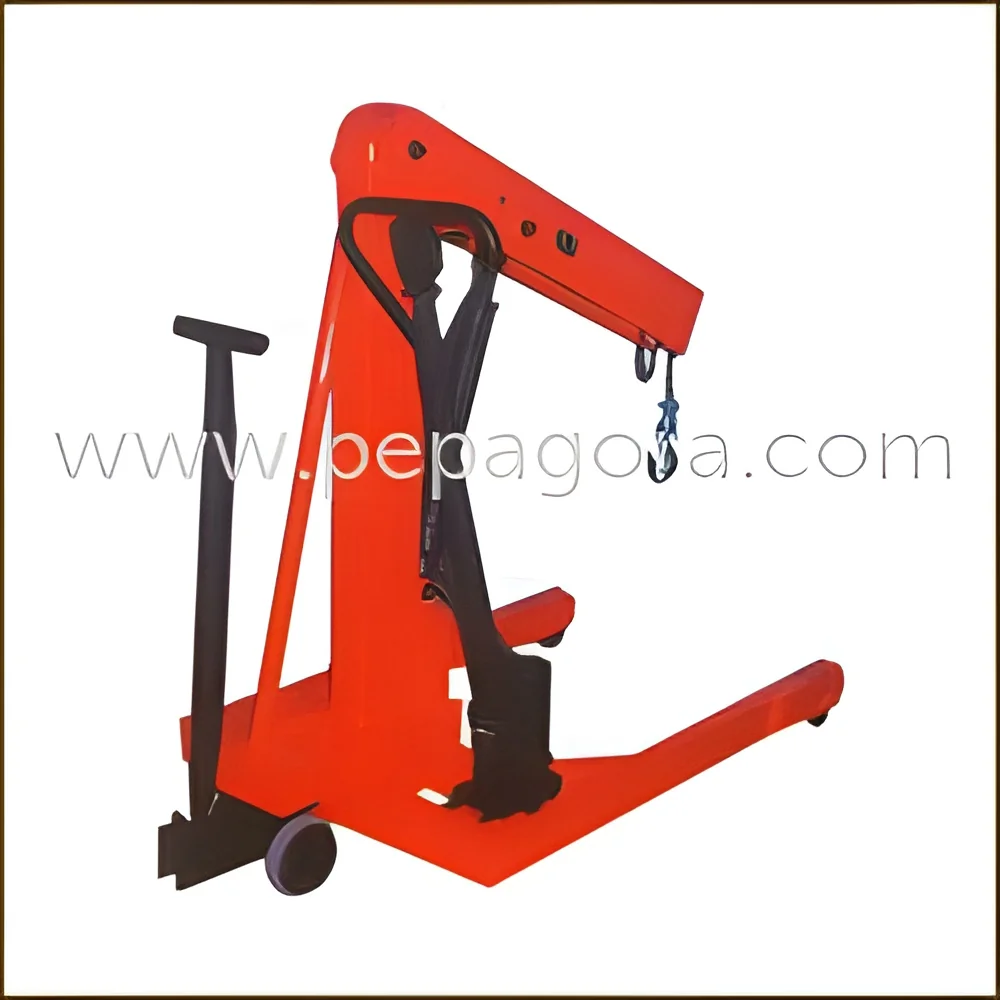
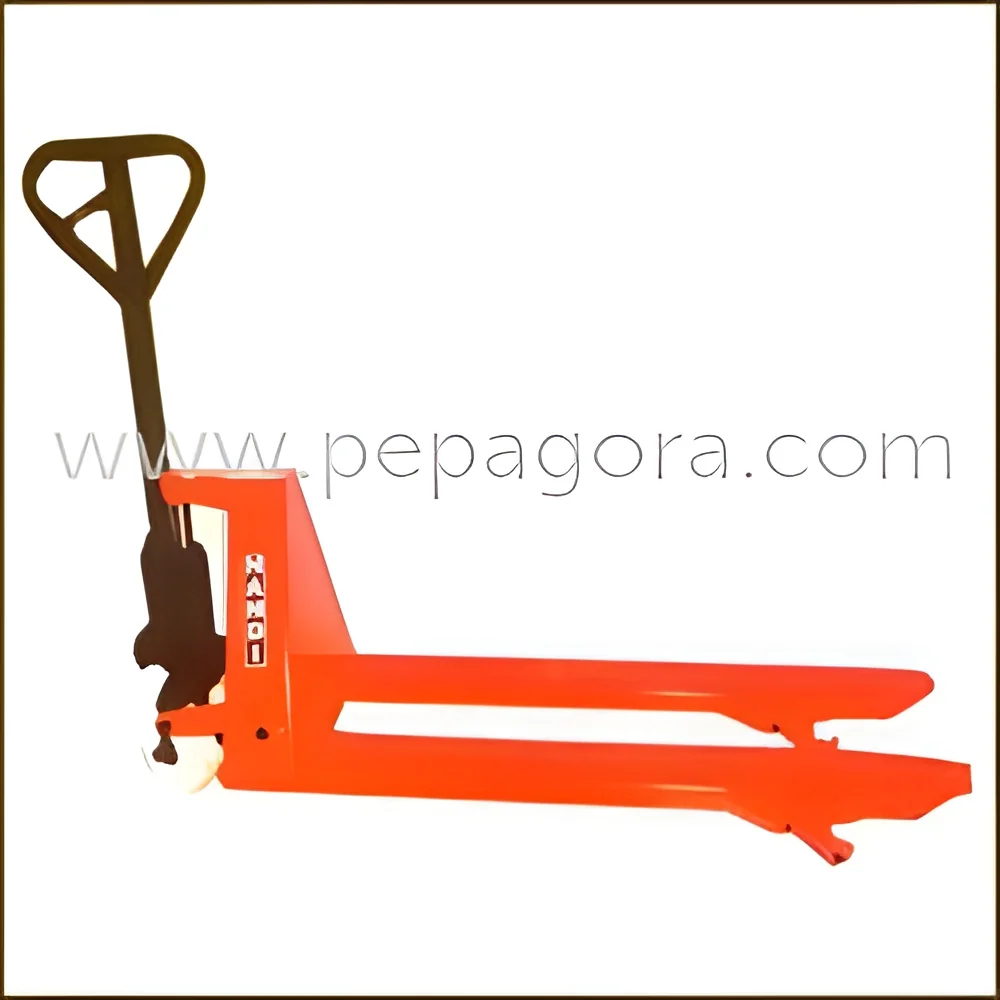
These electro hydraulic trucks deliver robust performance for demanding material handling needs across multiple sectors. Their MS fabrication and precision engineering ensure reliable lifting of palletized goods, raw materials, and equipment in challenging environments. The smooth hydraulic operation and balanced wheel systems provide exceptional control and maneuverability even under full load conditions, making them essential for daily industrial operations where efficiency and safety are paramount. Manufacturing facilities utilize these trucks for seamless material transport between production stations, while warehouses depend on them for organized storage management. Construction sites benefit from their ability to position heavy materials accurately, and logistics centers rely on their consistent performance for loading and unloading operations. The equipment's adaptability to various load requirements makes it valuable across different operational scales and industry specificatio

 IN
₹
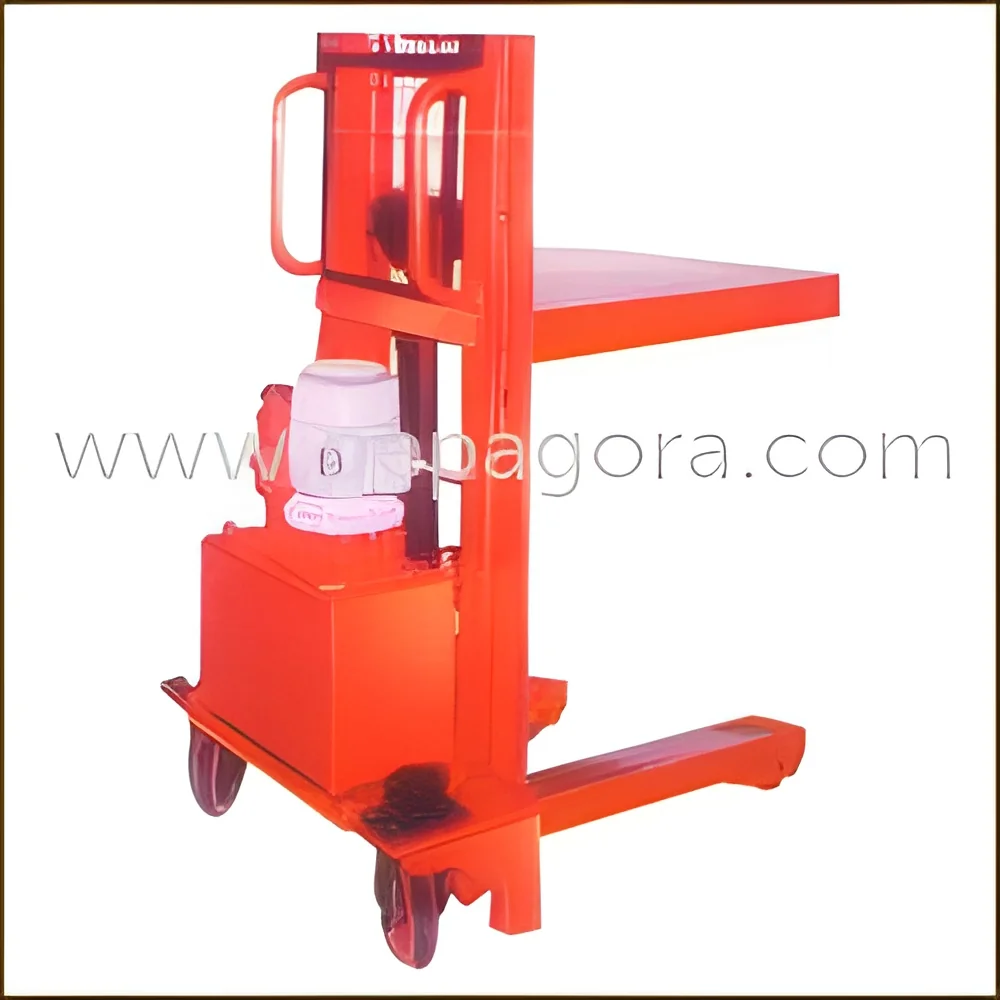
Description
Our industrial electro hydraulic trucks represent superior engineering for material handling requirements, designed to deliver consistent performance in demanding environments. Constructed with complete MS fabrication and precision-machined masts, these trucks ensure exceptional structural integrity and long-term durability. The lifting mechanism incorporates a reliable manual hydraulic pump with cartridge-type stationary sealed release valves and overload relief systems for maximum operational safety. The carriage features forks that travel on heavy-duty rollers along single or telescopic masts, providing smooth and controlled lifting operations. With well-balanced steering castor-wheels and twin rear wheels, these trucks offer flawless movement even under full load conditions, making them indispensable for serious industrial applications requiring dependable equipment. These electro hydraulic trucks serve critical functions across manufacturing plants, warehousing operations, constru...
Our industrial electro hydraulic trucks represent superior engineering for material handling requirements, designed to deliver consistent performance in demanding environments. Constructed with complete MS fabrication and precision-machined masts, these trucks ensure exceptional structural integrity and long-term durability. The lifting mechanism incorporates a reliable manual hydraulic pump with cartridge-type stationary sealed release valves and overload relief systems for maximum operational safety. The carriage features forks that travel on heavy-duty rollers along single or telescopic masts, providing smooth and controlled lifting operations. With well-balanced steering castor-wheels and twin rear wheels, these trucks offer flawless movement even under full load conditions, making them indispensable for serious industrial applications requiring dependable equipment. These electro hydraulic trucks serve critical functions across manufacturing plants, warehousing operations, construction sites, logistics centers, and industrial facilities. Manufacturing environments utilize them for efficient material movement between production lines and storage areas, while warehouses depend o
Specifications
| Key Attributes | |
|---|---|
| Product Type | Industrial Electro Hydraulic Truck |
| Load Capacity | 300–1000 kg |
| Equipment Type | Electro Hydraulic Material Handling Equipment |
| Lifting Mechanism | Electrically Powered Hydraulic System |
| Operation | Electric-Assisted Lifting & Load Movement |
| Construction | Heavy-Duty Industrial Construction |
| Load Handling | Materials, Components & Packaged Goods |
| Mobility | Wheeled Movement |
| Additional Information | |
|---|---|
| Country of Origin | India |
Application
Trade Details
| Available Stock | In Stock |
| Sample Availability | No |
Payment Terms
| Payment Terms |
|
Company Profile
Expert Equipments Pvt Ltd, Tamil Nadu
 Tamil Nadu, India
Construction•Manufacturer•Distributor / Wholesaler•Importer / Exporter
Factory Details
Factory SizeBelow 1000 sqm
Annual Production Capacity0
Industrial Electro Hydraulic Trucks for Material Handling 300 1000kg
Industrial electro hydraulic trucks for material handling with 300-1000kg capacities. Built with MS fabrication and precision masts for reliable lifting operations in warehouses, manufacturing, and logistics.
Min. Order Quantity: 1 unit
Shipping
Shipping fee and delivery date to be negotiated. Contact supplier now for more details.
Expert Equipments Pvt Ltd
 Tamil Nadu, India
ConstructionManufacturer