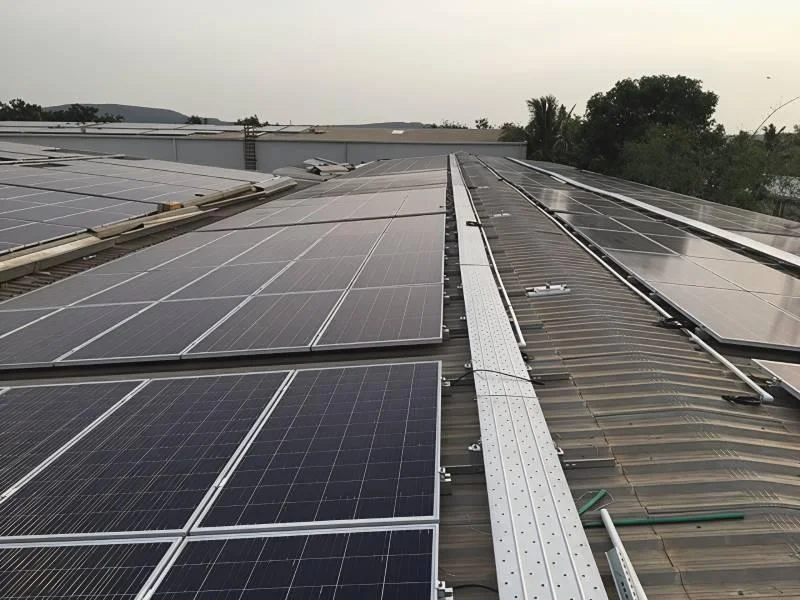
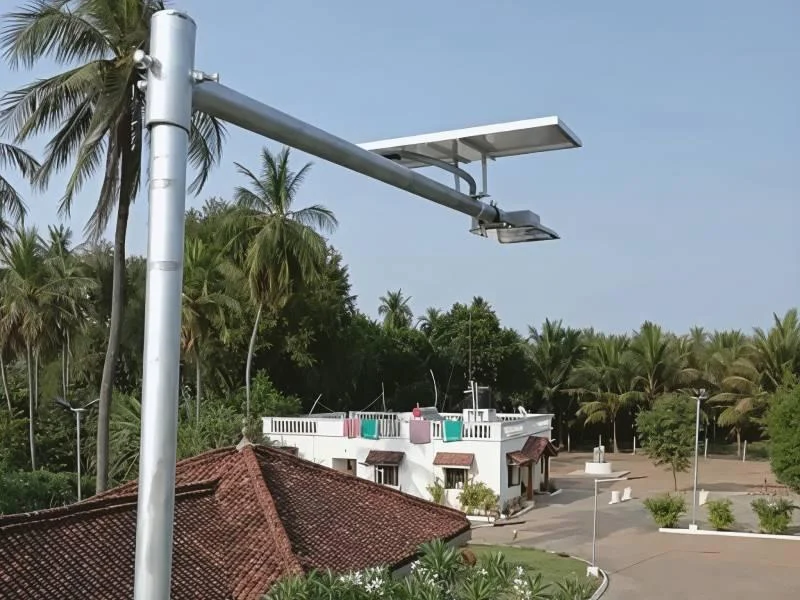
- Residential Homes – Supports household electricity and backup power requirements.
- Commercial Buildings – Helps manage solar generation and backup energy needs.
- Manufacturing Units – Supports operational loads with solar and stored power.
- Agricultural Farms – Provides solar energy and battery-supported power for farming operations.
- Offices – Supports office electrical loads with flexible power management.
- Retail Facilities – Suitable for stores requiring solar generation and backup power.

 IN
IN₹
Apparel & Fashion
Description
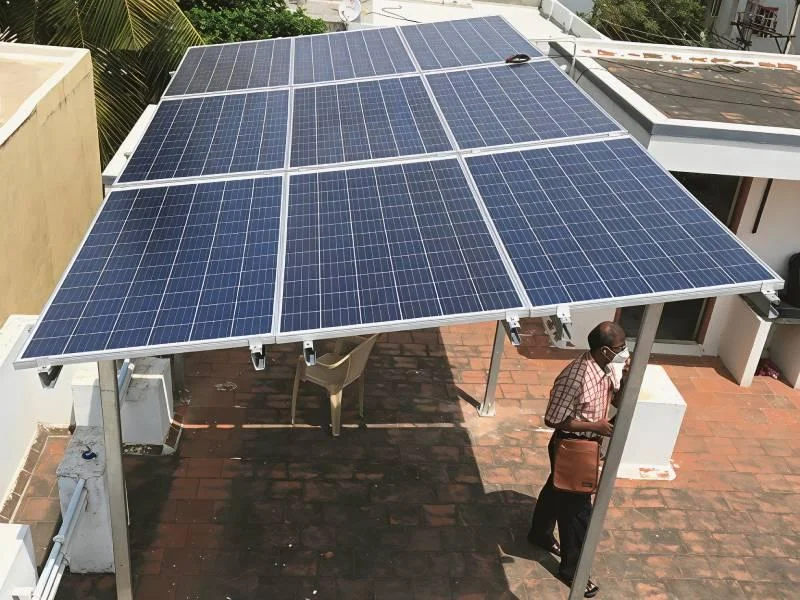
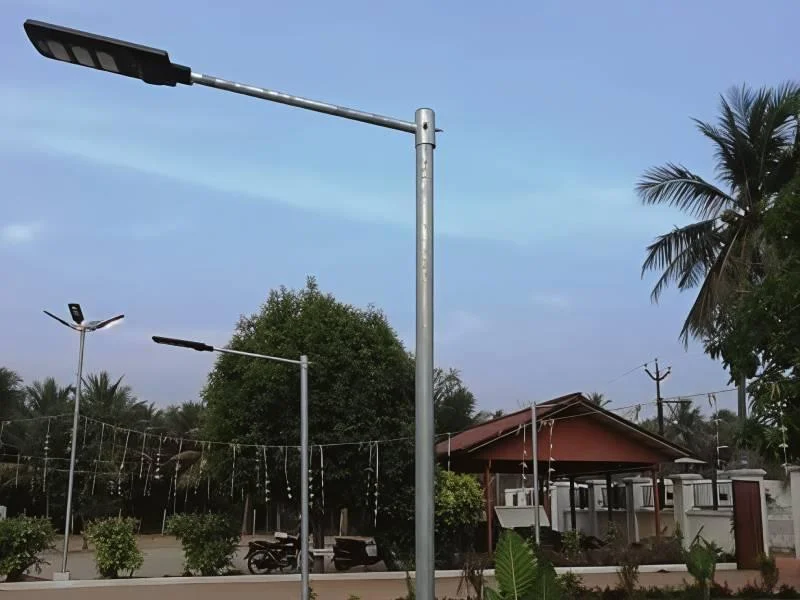
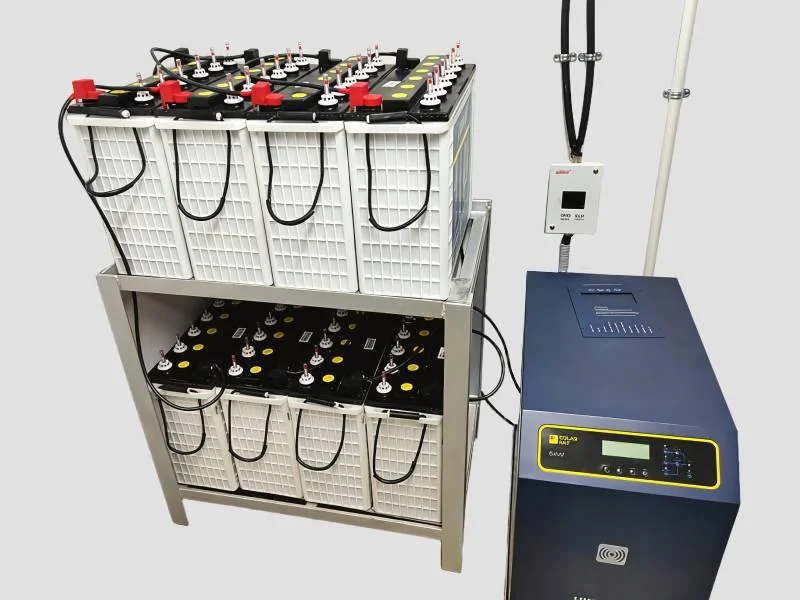
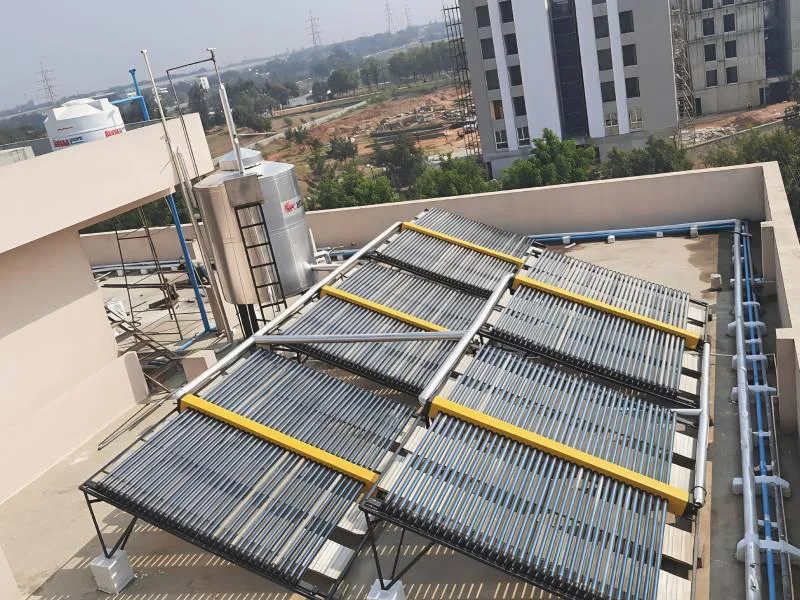
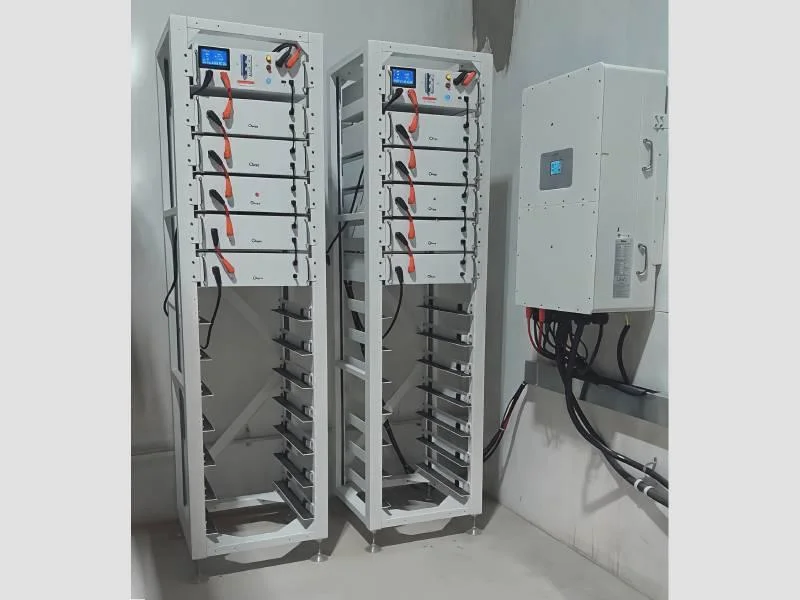
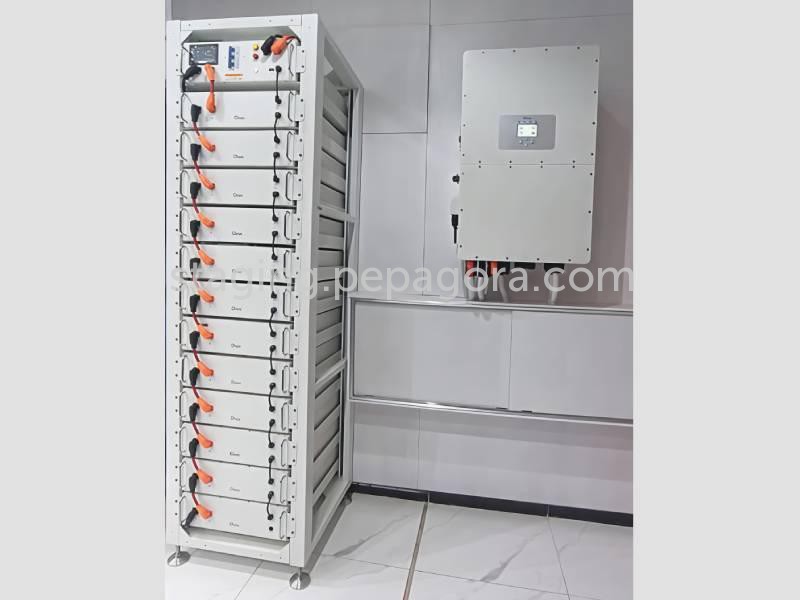
Hybrid Solar System is designed to combine solar power generation, battery storage, and utility grid electricity in one energy solution. Solar photovoltaic panels generate electricity to supply connected electrical loads during suitable sunlight conditions. Excess solar energy can be stored in batteries for use when solar generation is insufficient. A hybrid inverter manages the flow of power between the solar panels, batteries, loads, and grid. The system can be configured according to energy consumption, backup requirements, and available installation space. It is suitable for residential, commercial, agricultural, and industrial applications.
Specifications
| Key Attributes | |
|---|---|
| System Type | Hybrid Solar System |
| Application | Domestic / Commercial / Industrial |
| Solar Module | As Per Requirement |
| Inverter Type | Hybrid Inverter |
| Battery Type | As Per Requirement |
| System Capacity | As Per Requirement |
| Energy Source | Solar Energy + Grid |
| Battery Storage | Available |
| Mounting Type | Rooftop / Ground-Mounted |
| Additional Information | |
|---|---|
| Country of Origin | India |
Application
Trade Details
| Available Stock | In Stock |
| Sample Availability | No |
Payment Terms
| Payment Terms |
|
Company Profile
Refabo Engineering Pvt Ltd, Tamil Nadu
 Tamil Nadu, India
Tamil Nadu, India5 yrs
Retailer
Turn Over
₹1 Crore – ₹5 Crore
Factory Details
Factory SizeBelow 1000 sqm
Frequently Asked Questions
1
What is a Hybrid Solar System?
A Hybrid Solar System combines solar panels, battery storage, and utility grid power to supply electrical loads.
2
Does a Hybrid Solar System use batteries?
Yes, battery storage is used to store excess solar energy for later use.
3
How does a Hybrid Solar System work?
Solar panels generate electricity, while the hybrid inverter manages power between solar generation, batteries, electrical loads, and the grid.
4
Can a Hybrid Solar System provide backup power?
Yes, stored battery energy can be used to supply compatible loads when solar generation or grid power is unavailable.
5
Where can Hybrid Solar Systems be installed?
They can be installed in homes, offices, commercial buildings, farms, and industrial facilities.
Hybrid Solar System
Hybrid Solar System is a solar power solution that combines solar energy, battery storage, and utility grid power. Solar panels generate electricity for connected loads, while excess energy can be stored in batteries for later use. The system is suitable for homes, commercial facilities, offices, farms, and industrial applications requiring flexible power management and backup energy.
Min. Order Quantity: 1 Kw
Shipping
Shipping fee and delivery date to be negotiated. Contact supplier now for more details.
Refabo Engineering Pvt Ltd
 Tamil Nadu, India
Tamil Nadu, IndiaRetailer