IN
IN₹
Apparel & Fashion
Description
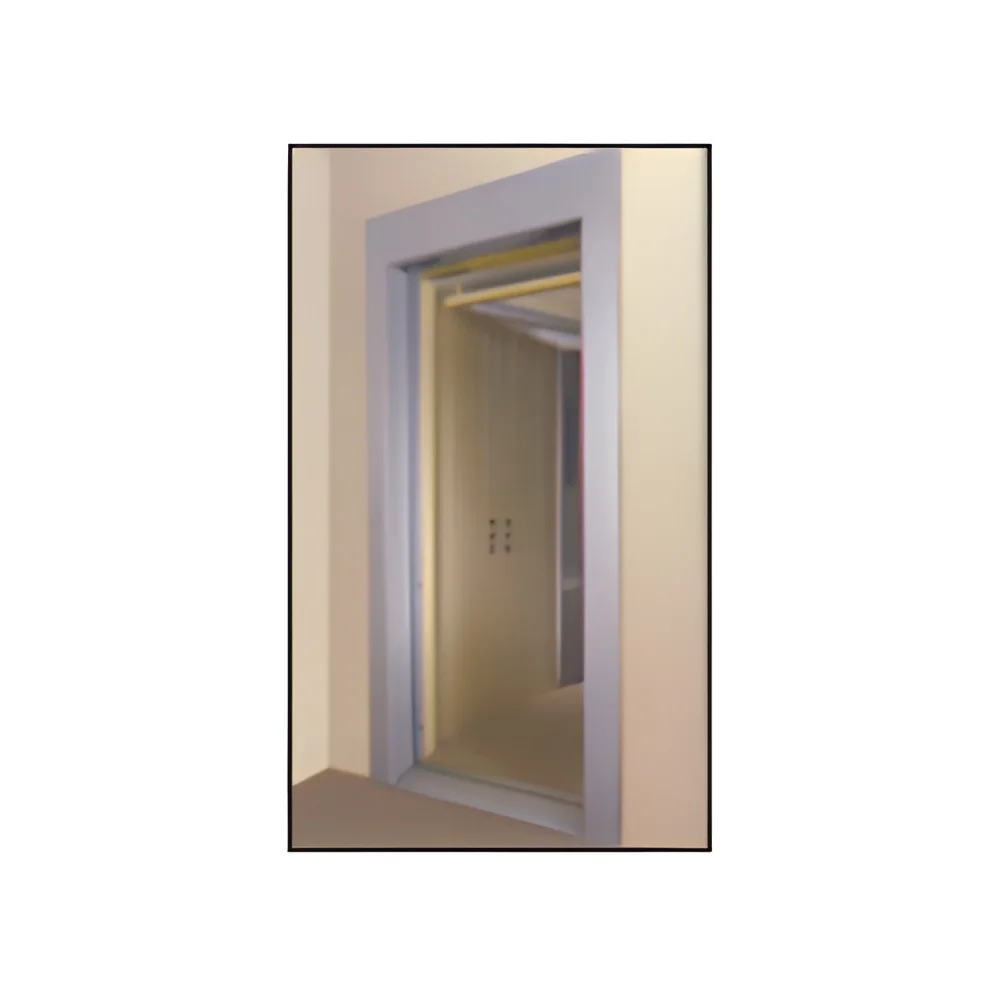
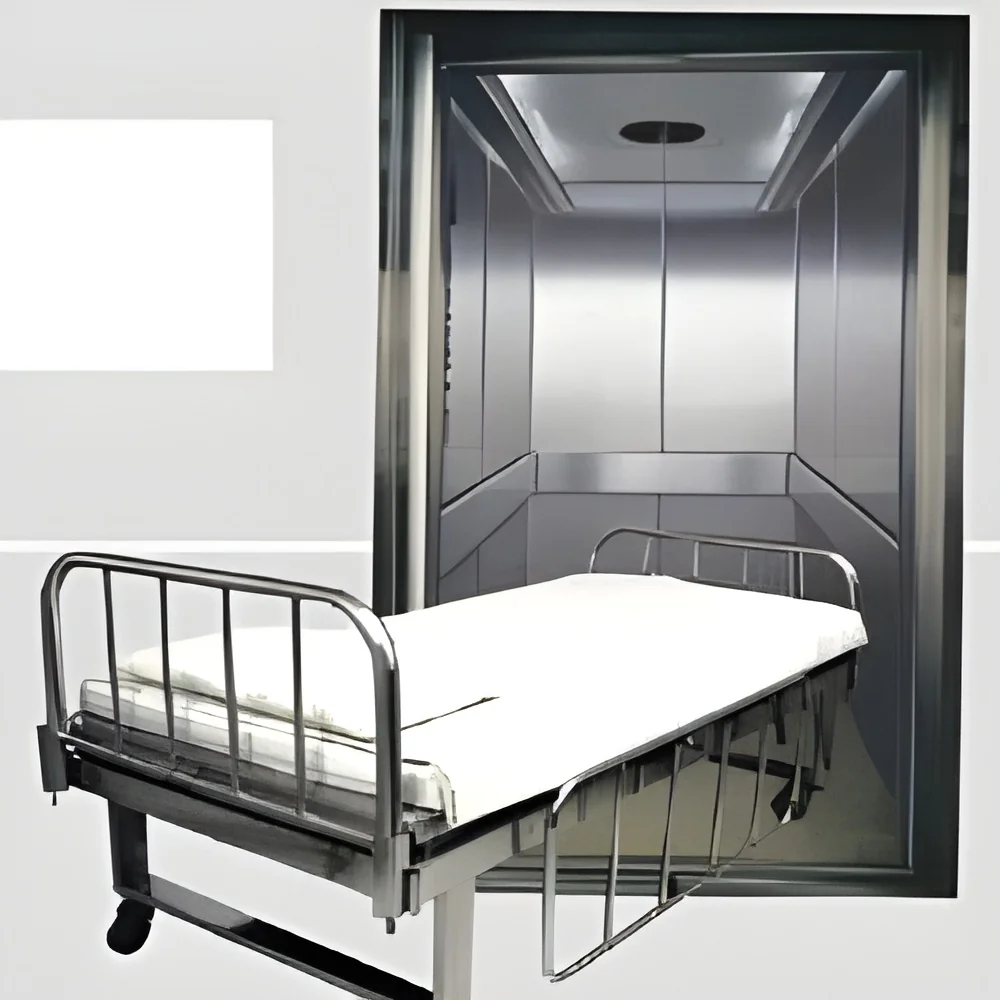
Hospital lifts are specialized vertical transport systems built to meet the rigorous demands of healthcare environments. Engineered for durability and safety, they provide reliable movement for patients, medical staff, and critical equipment between floors. These lifts feature reinforced structures, smooth and controlled operation, and are constructed with hygiene-conscious materials to support infection control protocols. Designed to comply with stringent medical facility standards, they offer dependable performance for heavy-duty daily use, ensuring safe transit in settings where reliability is non-negotiable.

These lifts are indispensable across the healthcare spectrum, including hospitals, multi-specialty clinics, nursing homes, and rehabilitation centers. They facilitate the essential flow of patients on gurneys and in wheelchairs to treatment areas, operating rooms, and recovery wards. Furthermore, they are critical for the internal logistics of medical equipment, surgical tools...
Hospital lifts are specialized vertical transport systems built to meet the rigorous demands of healthcare environments. Engineered for durability and safety, they provide reliable movement for patients, medical staff, and critical equipment between floors. These lifts feature reinforced structures, smooth and controlled operation, and are constructed with hygiene-conscious materials to support infection control protocols. Designed to comply with stringent medical facility standards, they offer dependable performance for heavy-duty daily use, ensuring safe transit in settings where reliability is non-negotiable.

These lifts are indispensable across the healthcare spectrum, including hospitals, multi-specialty clinics, nursing homes, and rehabilitation centers. They facilitate the essential flow of patients on gurneys and in wheelchairs to treatment areas, operating rooms, and recovery wards. Furthermore, they are critical for the internal logistics of medical equipment, surgical tools, and bulk supplies, minimizing manual handling risks and optimizing clinical workflows. Their application extends to diagnostic laboratories, emergency care centers, and veterinary hospitals, where the safe, efficient, and timely transport of both living beings and sensitive apparatus is paramount to operational success.

The core business value of investing in quality hospital lifts lies in enhanced operational efficiency, reduced labor costs, and improved staff safety. By automating the movement of heavy and awkward loads, these lifts significantly decrease physical strain on personnel, lower the risk of workplace injuries, and allow clinical staff to dedicate more time to direct patient care. Their proven reliability ensures consistent uptime with minimal maintenance requirements, translating into long-term cost savings and a strong return on investment. Built to meet and often exceed international safety standards, they incorporate critical features like emergency stop systems, overload protection, and smooth acceleration/deceleration, providing facility managers with peace of mind and a trusted solution for improving overall safety and productivity.

Key Features:
- Heavy-duty construction with reinforced components for long-lasting reliability in constant use.
- Designed for safe transport of patients on various support devices and heavy medical equipment.
- Engineered to comply with relevant healthcare safety and accessibility standards and certifications.
- Smooth and stable operation to ensure patient comfort and secure equipment handling.
- Constructed with durable, easy-to-clean surfaces to support hospital hygiene and infection control protocols.

Benefits:
- Enhances operational efficiency by streamlining vertical transportation of patients and critical assets.
- Reduces physical strain and injury risk for healthcare staff by minimizing manual handling of heavy loads.
- Provides reliable, consistent performance with robust construction that demands minimal maintenance.
- Improves patient safety and comfort during transfers between different departments and floors.
- Offers a durable, long-term solution that contributes to lower total cost of ownership for the facility.
Specifications
| Additional Information | |
|---|---|
| Country of Origin | India |
Application
Hospital lifts are engineered for the demanding environment of medical facilities, providing safe and efficient vertical transportation. They are designed to handle the movement of patients on stretchers, beds, and wheelchairs between different floors and departments, ensuring patient comfort and reducing physical strain on healthcare staff. This reliable transport is crucial for maintaining smooth patient flow and operational continuity in busy settings.
Beyond patient care, these robust lifts are essential for hospital logistics and infrastructure support. They safely transport heavy medical equipment like MRI machines, X-ray devices, and surgical instrument trolleys. They also manage the movement of supplies, linens, waste, and food service carts, streamlining internal workflows. Their durable build and adaptable design make them suitable for both new hospital constructions and facility upgrades or retrofits.
- Transporting patients on stretchers, beds, and wheelchairs between wards, ICUs, operating theaters, and diagnostic areas.
- Moving heavy and sensitive medical equipment such as imaging machines, anesthesia workstations, and laboratory devices.
- Handling logistical support including clean and soiled linen carts, medical supply distribution, and pharmacy deliveries.
- Supporting emergency and critical care services by enabling rapid, safe patient movement during time-sensitive situations.
- Facilitating efficient waste management transport and central sterile services department workflows within the facility.
Trade Details
| Available Stock | In Stock |
| Sample Availability | No |
Payment Terms
| Payment Terms |
|
Company Profile

Almas Lifts Private Limited, Maharashtra
 Maharashtra, India
Maharashtra, IndiaManufacturer•Distributor / Wholesaler
Factory Details
Factory SizeBelow 1000 sqm
Annual Production Capacity0
Hospital Lifts For Safe Patient And Equipment Transport Durable Heavy Duty
Heavy-duty hospital lifts for safe patient and equipment transport. Durable construction, reliable performance, and compliant design for healthcare facilities. Trusted globally for vertical transportation needs.
Min. Order Quantity: 1 unit
Shipping
Shipping fee and delivery date to be negotiated. Contact supplier now for more details.
Almas Lifts Private Limited
 Maharashtra, India
Maharashtra, IndiaManufacturer