IN
IN₹
Description
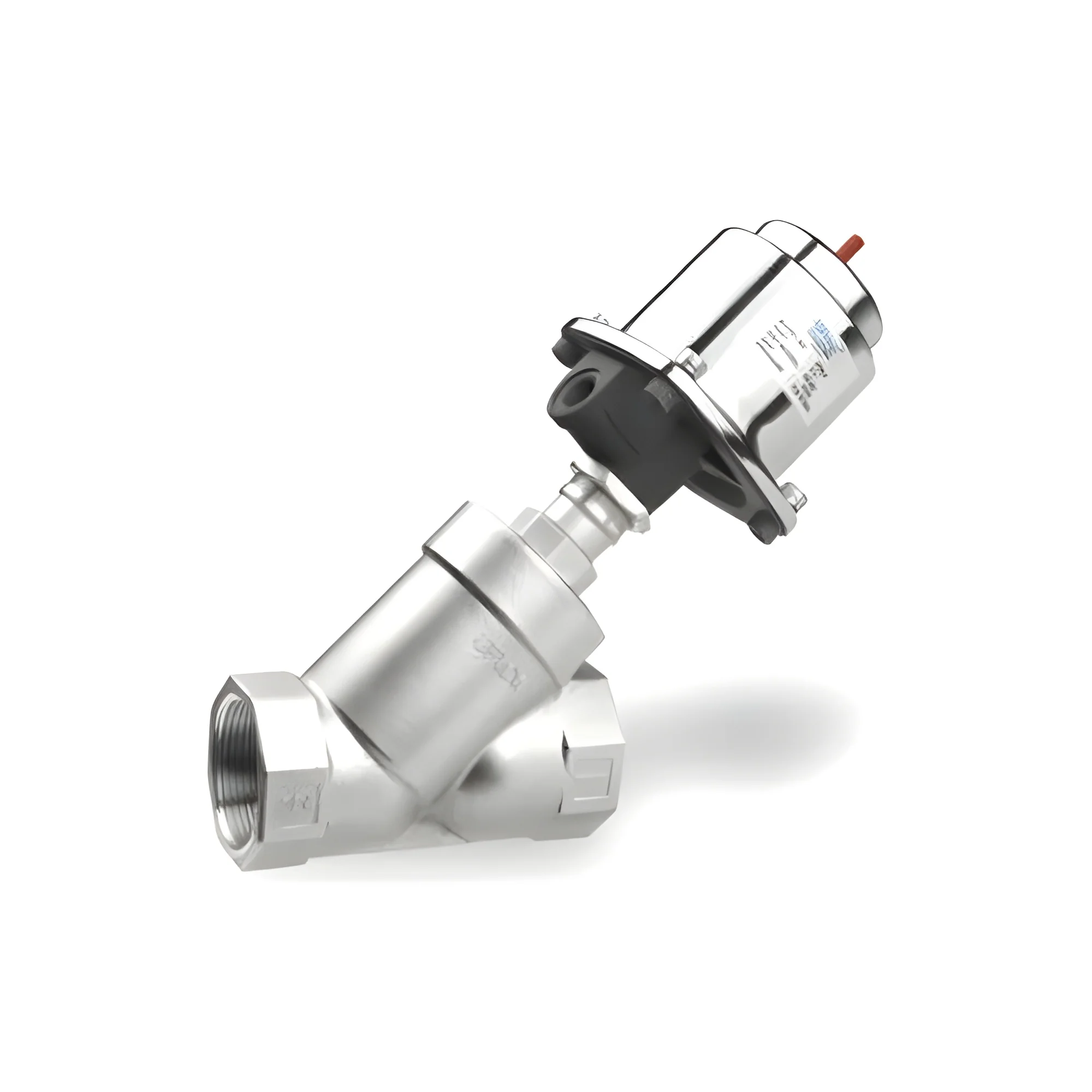
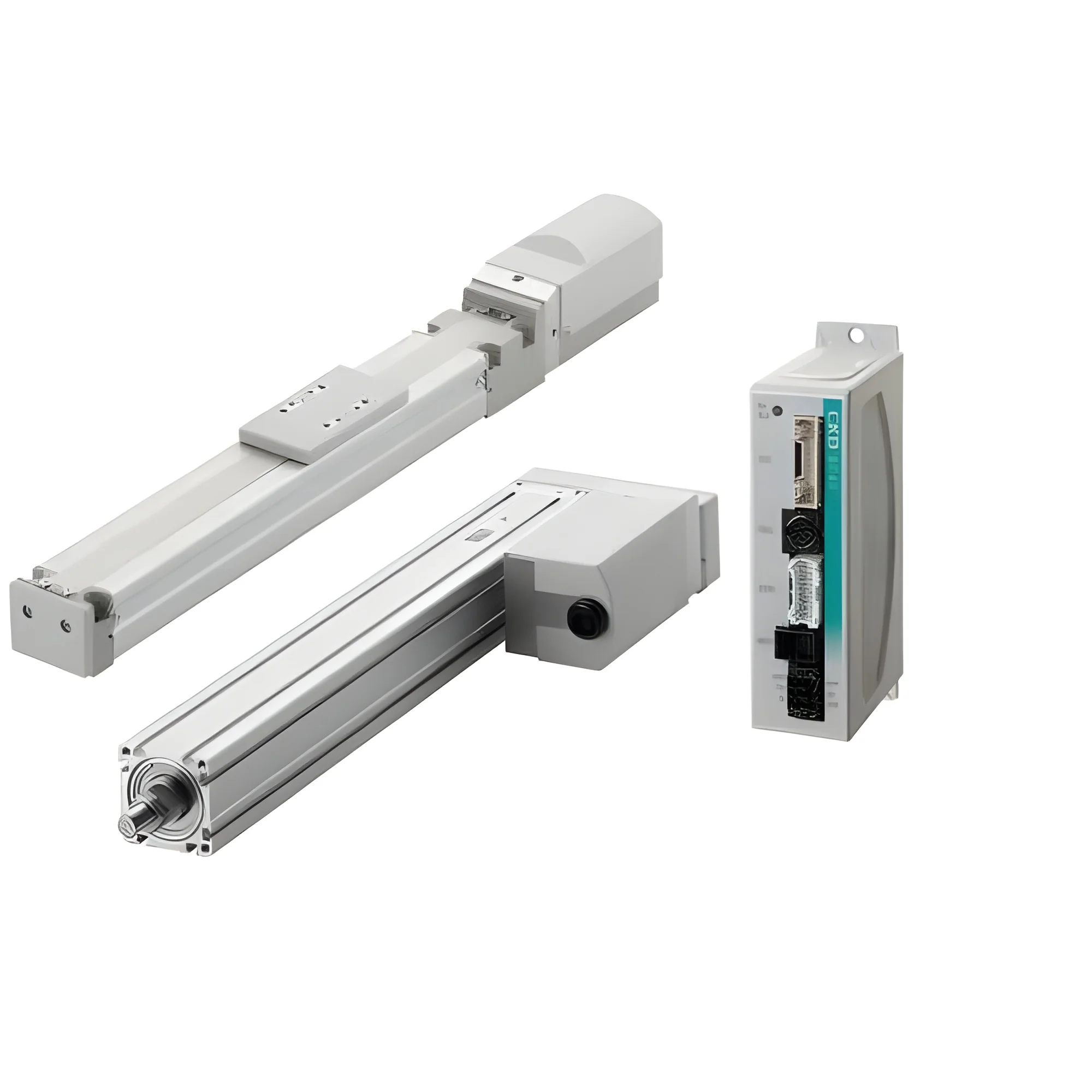
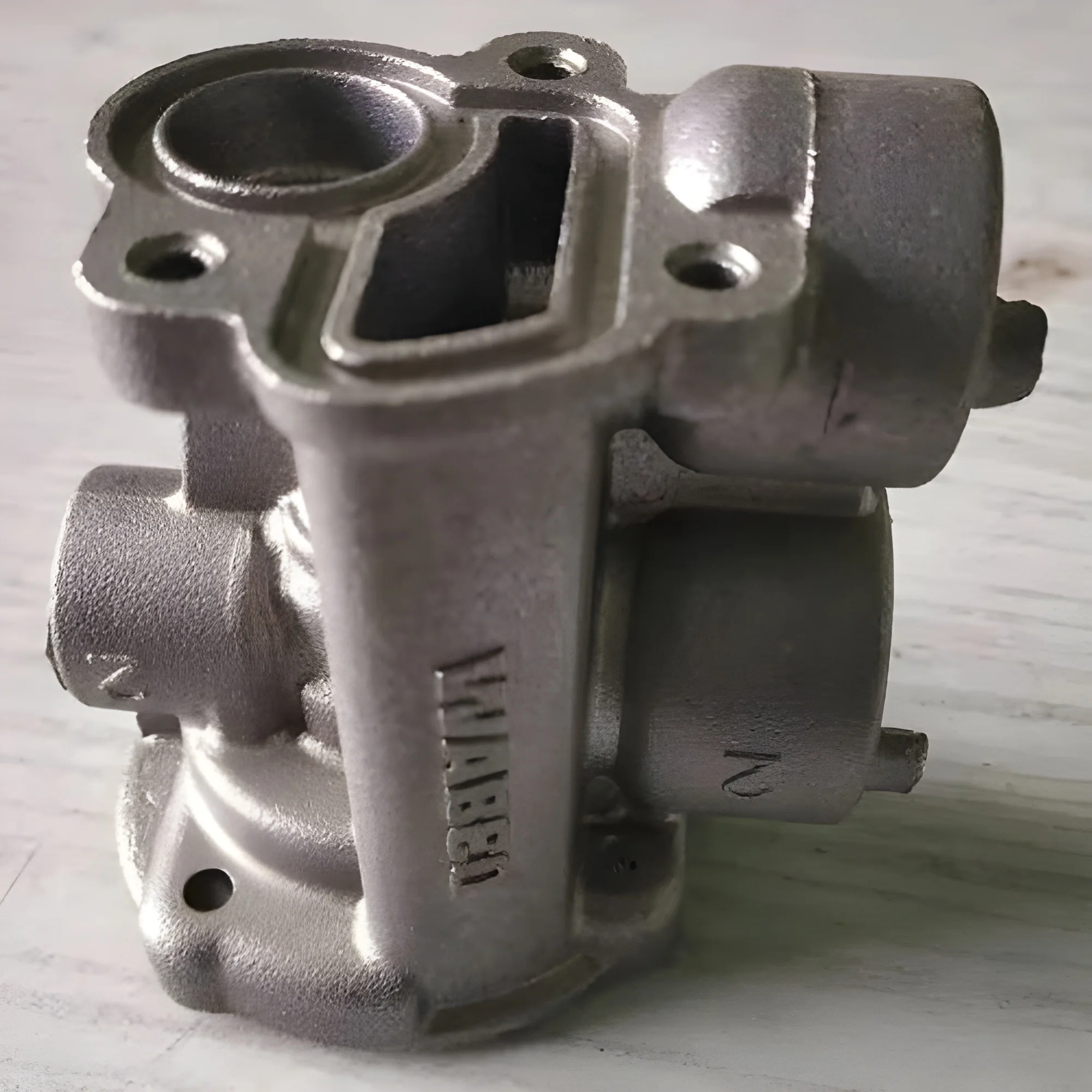
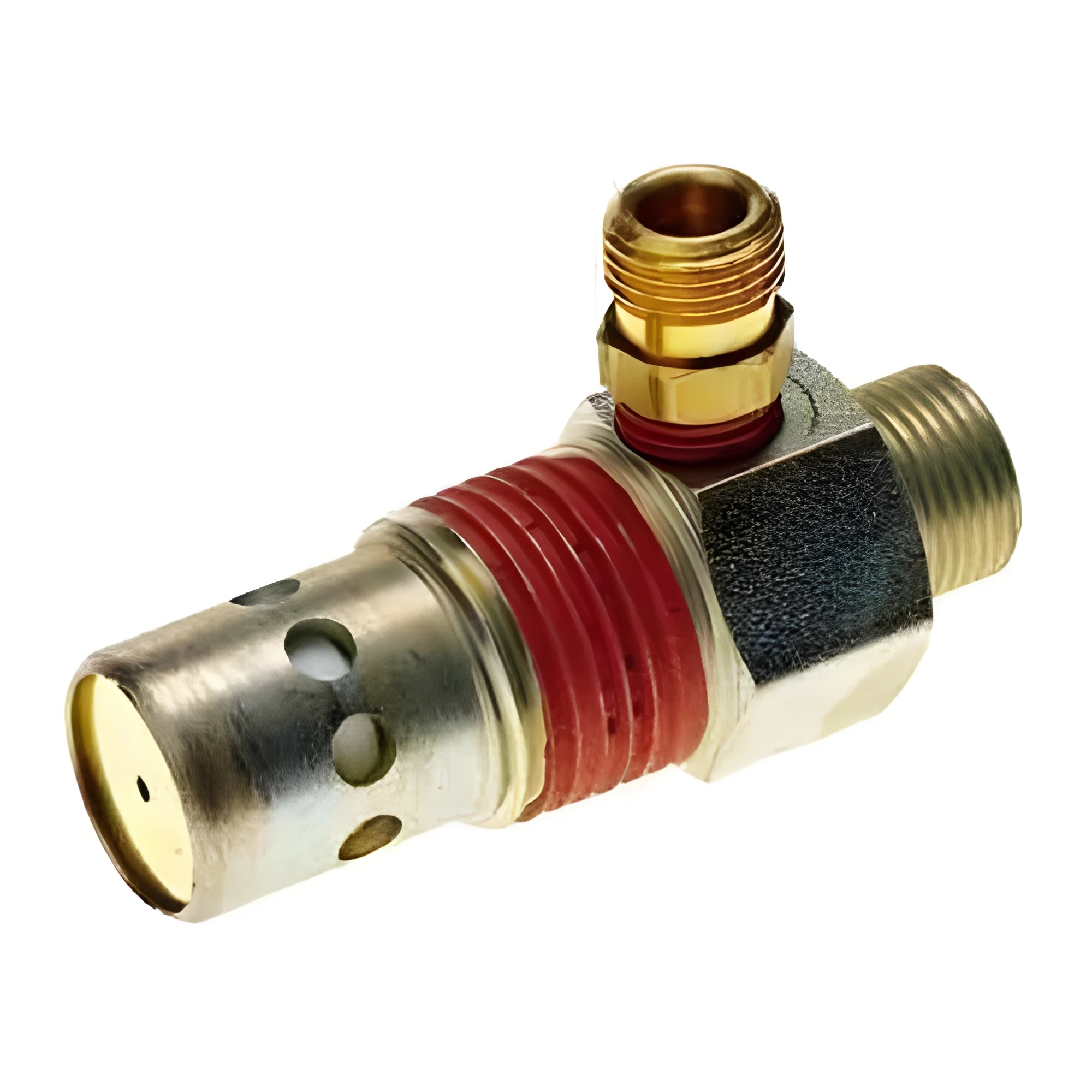
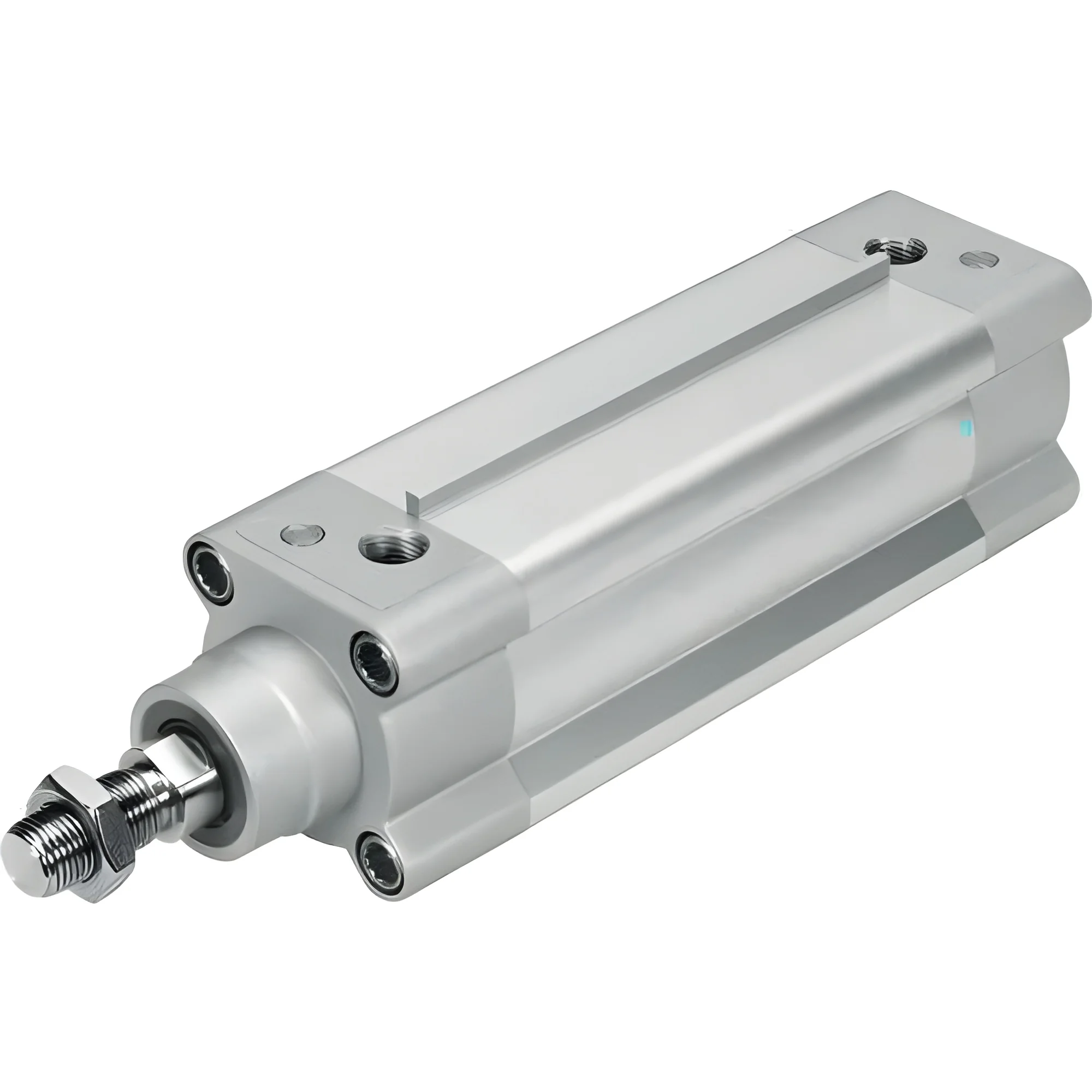
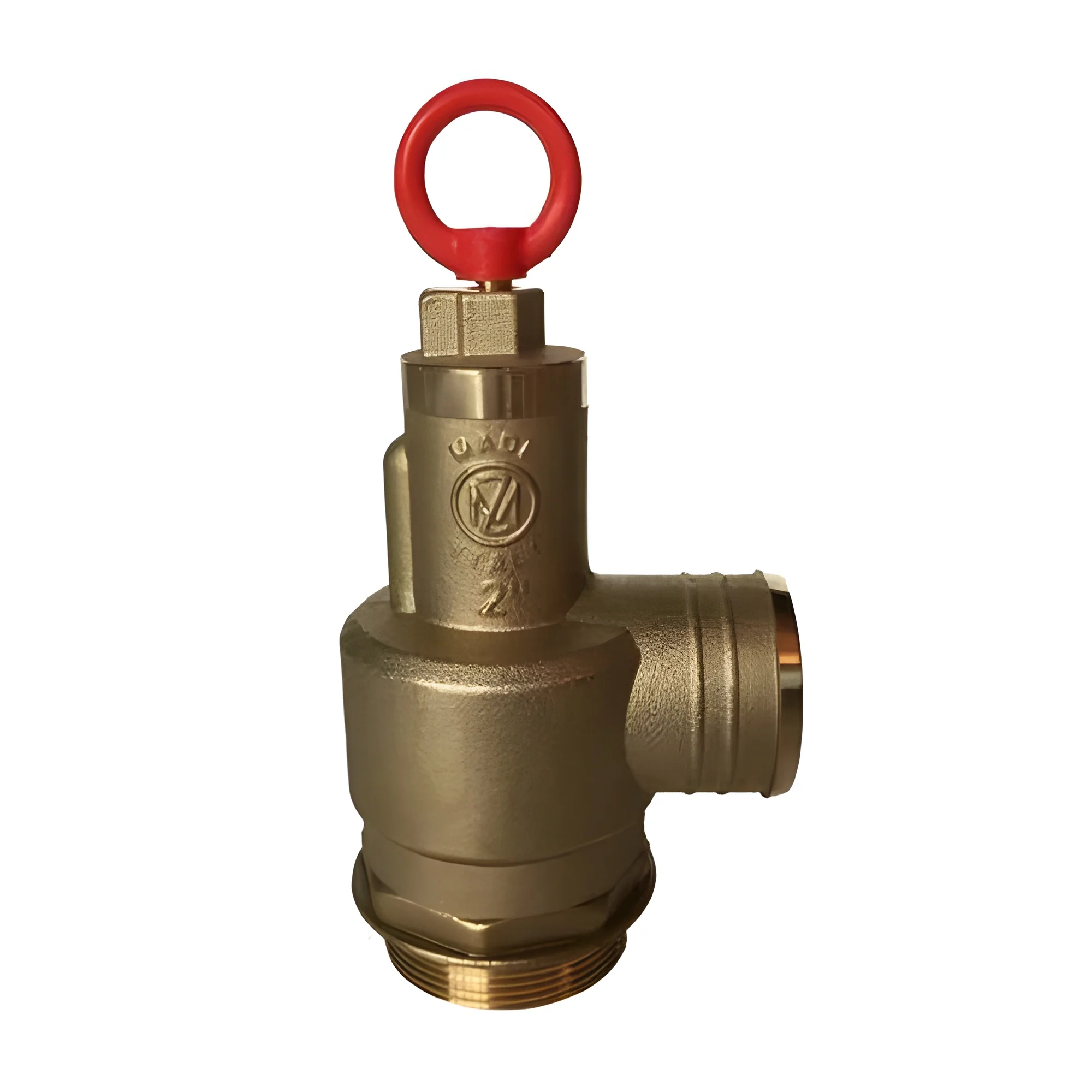
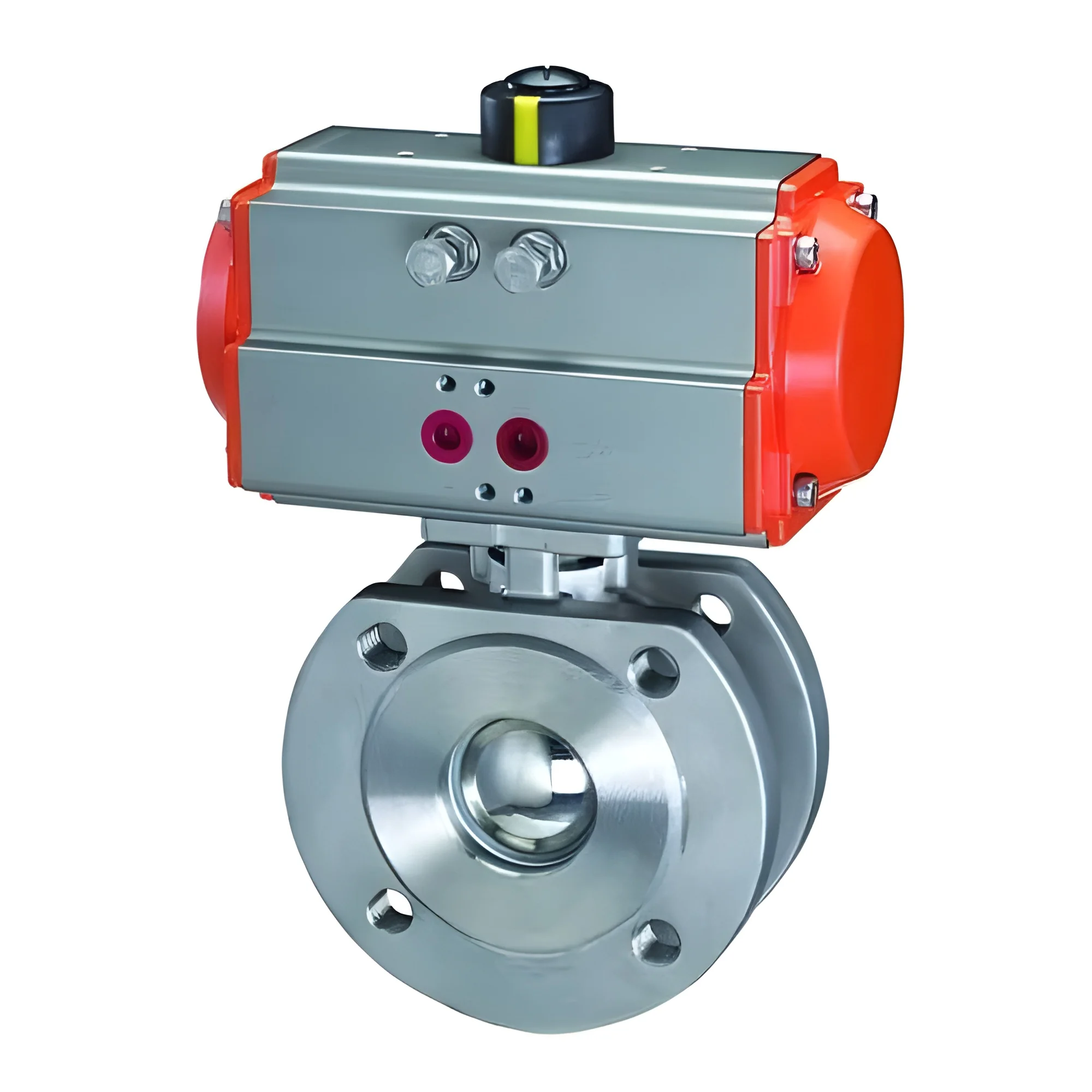
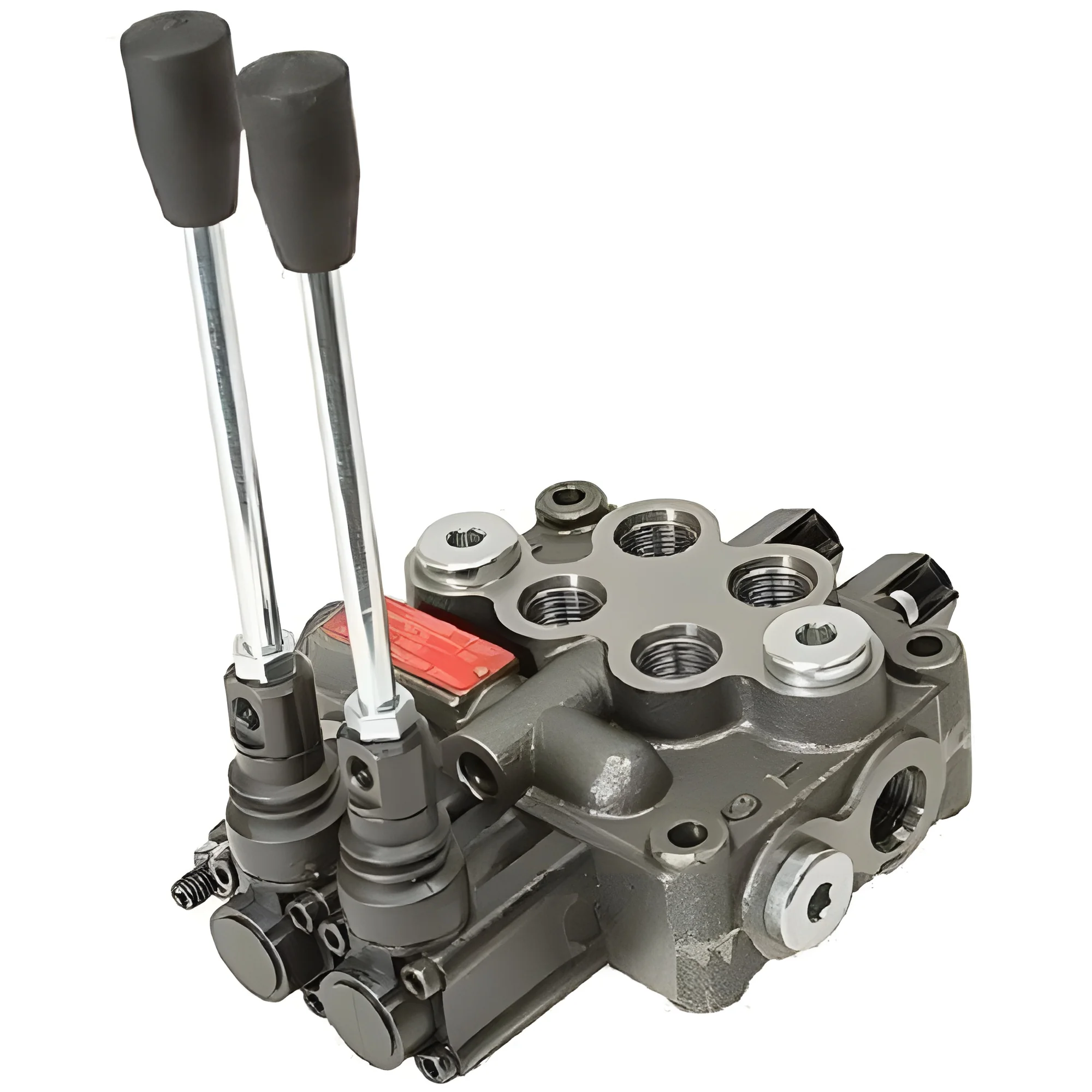
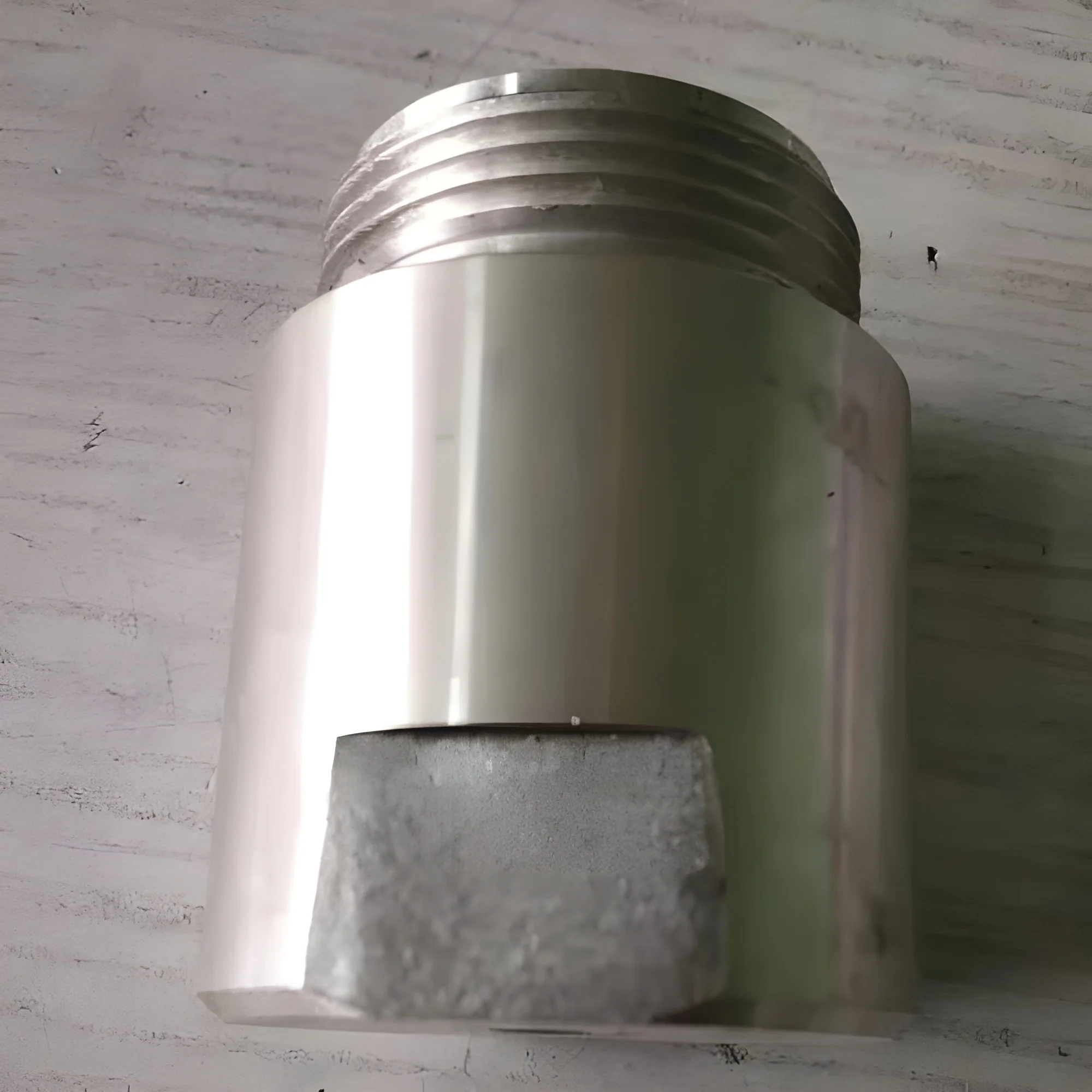
High precision components represent engineering excellence manufactured to meet demanding specifications for accuracy and performance. These components are produced using state-of-the-art CNC machining technology, ensuring each part meets exact dimensional tolerances and surface finish requirements. Designed for critical applications where microscopic deviations can lead to system failure, these components provide the reliability that industries depend on for their most important operations. The manufacturing process incorporates rigorous quality control measures at every stage, from material selection to final inspection, guaranteeing consistent performance across production batches and ensuring every component meets the highest standards of precision engineering.

These precision components find essential applications across multiple high-stakes industries including aerospace, medical technology, automotive manufacturing, and industrial automation. In aerospace, they ensure reliable ...
High precision components represent engineering excellence manufactured to meet demanding specifications for accuracy and performance. These components are produced using state-of-the-art CNC machining technology, ensuring each part meets exact dimensional tolerances and surface finish requirements. Designed for critical applications where microscopic deviations can lead to system failure, these components provide the reliability that industries depend on for their most important operations. The manufacturing process incorporates rigorous quality control measures at every stage, from material selection to final inspection, guaranteeing consistent performance across production batches and ensuring every component meets the highest standards of precision engineering.

These precision components find essential applications across multiple high-stakes industries including aerospace, medical technology, automotive manufacturing, and industrial automation. In aerospace, they ensure reliable operation of flight control systems and navigation equipment where precision is critical for safety. The medical sector utilizes these components in diagnostic machinery, surgical instruments, and implantable devices where accuracy directly impacts patient outcomes. Automotive manufacturers integrate them into safety systems, transmission components, and engine management systems that require consistent performance. Industrial automation relies on these parts for robotics and production equipment where precision movement and reliability are essential for manufacturing efficiency.

The business value of high precision components lies in their ability to enhance product reliability, reduce operational downtime, and minimize maintenance costs for end-users. Manufacturers who incorporate these components benefit from improved product performance, reduced warranty claims, and enhanced customer satisfaction through consistent delivery. The reliability of these parts translates to fewer system failures and lower total cost of ownership for businesses that integrate them into their products. Their precision engineering allows for optimal integration into existing systems, providing competitive advantages through improved efficiency and performance differentiation in demanding market environments where quality and reliability are paramount considerations.

Key Features:
- Manufactured to exacting tolerances using advanced CNC machining technology
- Available in various materials including stainless steel with polished finishing
- Rigorous quality control processes ensuring consistent performance and reliability
- Designed for durability and long-term operation in demanding environments
- Engineered for critical applications requiring superior accuracy and performance

Benefits:
- Enhanced product reliability and reduced system failures in critical operations
- Lower maintenance costs and reduced operational downtime for end-users
- Consistent performance across production batches ensuring quality standards
- Improved product performance leading to higher customer satisfaction
- Long-term durability reducing replacement frequency and total cost of ownership
Specifications
| Additional Information | |
|---|---|
| Country of Origin | India |
Application
High precision components serve essential roles across industries where exact tolerances and flawless operation are non-negotiable. These parts are engineered for applications demanding zero margin for error, ensuring operational reliability in complex machinery and sensitive equipment. Their rigorous manufacturing guarantees consistency, making them indispensable for high-stakes environments where component failure could lead to significant consequences across multiple operational sectors.
These components are specifically designed for integration into systems requiring meticulous accuracy and long-term durability. From aerospace navigation systems to medical diagnostic devices, they provide the foundational reliability that manufacturers depend on for critical operations. Their precision engineering allows them to meet the unique demands of various specialized applications, supporting innovation and efficiency in technology-driven fields where performance consistency is paramount.
- Aerospace navigation and control systems requiring flawless operation under extreme conditions
- Medical devices and surgical instruments where precision directly impacts patient safety
- Automotive safety systems and engine components demanding reliability and longevity
- Industrial automation and robotics for consistent performance in manufacturing
- Defense and military equipment where failure-proof operation is mission critical
Trade Details
| Available Stock | In Stock |
| Sample Availability | No |
Payment Terms
| Payment Terms |
|
Company Profile
Jaytek Engineering , Tamil Nadu
 Tamil Nadu, India
Tamil Nadu, IndiaManufacturer
Factory Details
Factory SizeBelow 1000 sqm
Annual Production Capacity0
High Precision Components For Aerospace, Medical, Automotive & Industrial
High precision components manufactured using advanced CNC machining for aerospace, medical, automotive, and industrial applications requiring exact tolerances, superior accuracy, and reliable performance in critical systems.
Min. Order Quantity: 1 unit
Shipping
Shipping fee and delivery date to be negotiated. Contact supplier now for more details.
Jaytek Engineering 
 Tamil Nadu, India
Tamil Nadu, IndiaManufacturer