IN
IN₹
Apparel & Fashion
Description
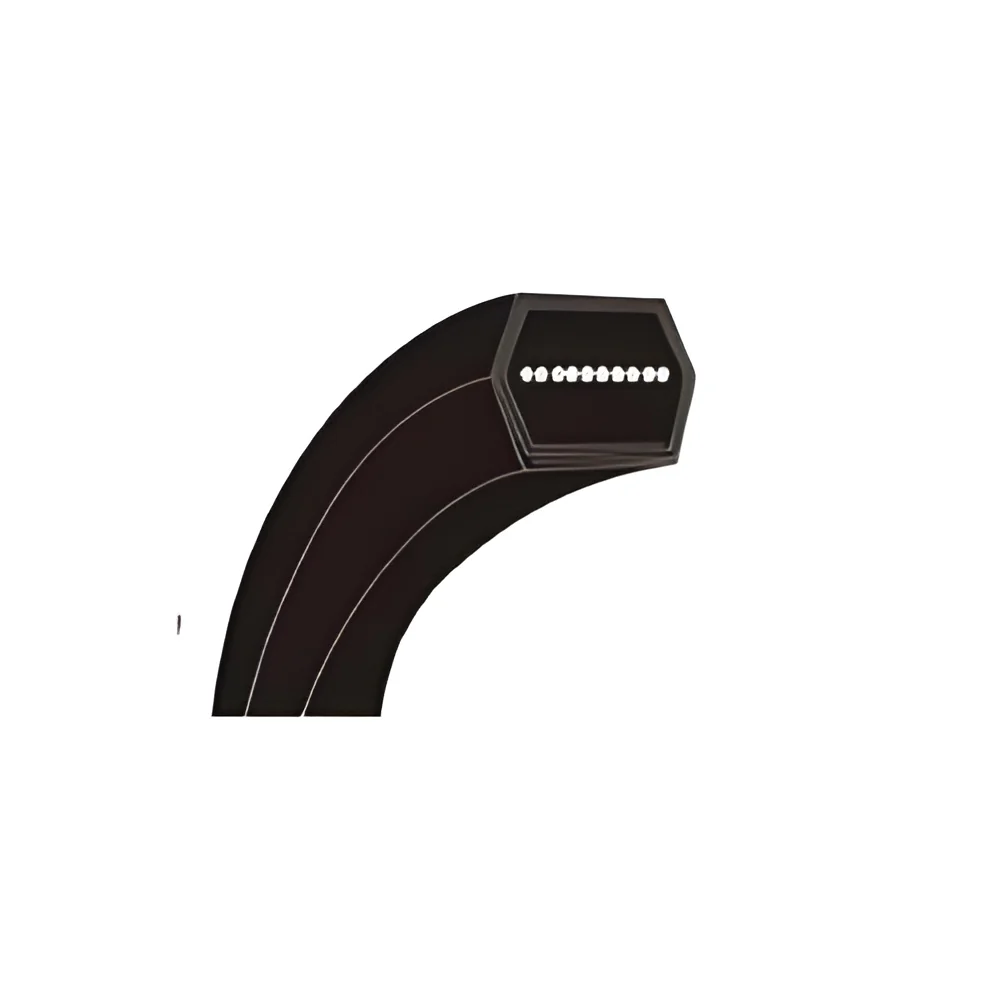
Our Industrial Hexagonal Belts are precision-engineered components designed for superior power transmission in the most demanding industrial settings. Constructed from high-grade, durable materials, these belts feature a unique hexagonal cross-section that provides six distinct contact surfaces. This advanced geometry ensures maximum grip on pulley grooves, delivering exceptional power transfer efficiency while minimizing energy loss through slippage. They are built to withstand extreme operational stresses, including heavy shock loads, variable speeds, and continuous use, offering a reliable solution that outperforms conventional V-belts in both efficiency and service life. The robust construction resists wear, elongation, and environmental factors, ensuring consistent performance and reducing the frequency of maintenance interventions.

These belts are indispensable across a wide spectrum of heavy industries. In manufacturing and automation, they are critical for driving conveyor bel...
Our Industrial Hexagonal Belts are precision-engineered components designed for superior power transmission in the most demanding industrial settings. Constructed from high-grade, durable materials, these belts feature a unique hexagonal cross-section that provides six distinct contact surfaces. This advanced geometry ensures maximum grip on pulley grooves, delivering exceptional power transfer efficiency while minimizing energy loss through slippage. They are built to withstand extreme operational stresses, including heavy shock loads, variable speeds, and continuous use, offering a reliable solution that outperforms conventional V-belts in both efficiency and service life. The robust construction resists wear, elongation, and environmental factors, ensuring consistent performance and reducing the frequency of maintenance interventions.

These belts are indispensable across a wide spectrum of heavy industries. In manufacturing and automation, they are critical for driving conveyor belts, packaging machines, CNC equipment, and robotic arms, where precise and uninterrupted power is vital for productivity. The automotive sector relies on them for serpentine drives in engines, powering essential components from alternators to air conditioning compressors. Agriculture utilizes these belts in tractors, harvesters, and processing equipment, where they must endure dust, debris, and weather. Furthermore, they are essential in mining for crushers and conveyors, in construction for heavy machinery, and in material handling for warehouse automation systems, proving their versatility and strength.

The business value of these hexagonal belts is rooted in operational reliability and long-term cost savings. By significantly reducing belt slippage, they enhance energy efficiency, lowering operational power costs. Their durable construction and resistance to stretching mean longer intervals between replacements and less unplanned downtime, directly boosting productivity and operational uptime. This reliability translates into predictable maintenance schedules and reduced inventory costs for spare parts. For businesses, this means a lower total cost of ownership, improved machinery lifespan, and sustained output quality, making them a smart investment for operations focused on efficiency, safety, and profitability.

Key Features:
- Unique hexagonal design with six contact surfaces for maximum grip and reduced slippage.
- Constructed from premium, wear-resistant synthetic rubber reinforced with high-tensile cords.
- Engineered for high load-bearing capacity and excellent resistance to shock loads.
- Superior heat dissipation properties and minimal elongation for consistent performance.
- Available in a range of standard sizes to fit various industrial machinery and pulley systems.

Benefits:
- Enhanced power transmission efficiency reduces energy waste and operational costs.
- Exceptional durability and wear resistance lead to longer service life and fewer replacements.
- Reliable performance under heavy loads and variable conditions minimizes unexpected downtime.
- Reduced maintenance frequency and simpler tensioning lower overall operational overhead.
- Versatile compatibility with a wide array of industrial machinery across multiple sectors.
Specifications
| Additional Information | |
|---|---|
| Country of Origin | India |
Application
Industrial Hexagonal Belts are engineered for power transmission systems where consistent performance under heavy loads is critical. Their unique six-sided design provides multiple gripping surfaces, significantly reducing slippage and improving power transfer efficiency compared to traditional V-belts. This makes them ideal for applications with variable speeds, high torque demands, and challenging operating environments where reliability cannot be compromised.
These belts are the preferred choice across industries that depend on robust machinery. From manufacturing plants with continuous production lines to agricultural fields with heavy equipment, hexagonal belts ensure smooth operation. They maintain integrity in conditions involving dust, moisture, and temperature fluctuations, supporting everything from automotive engine components to large-scale material handling systems without performance degradation.
- Driving conveyor systems and assembly line machinery in manufacturing and packaging facilities.
- Powering engine accessories like alternators, water pumps, and compressors in automotive and transportation.
- Operating agricultural machinery including tractors, combines, balers, and irrigation pumps.
- Transmitting power in mining equipment such as crushers, screens, and heavy-duty material handlers.
- Running industrial fans, blowers, and pumps within HVAC and ventilation systems for commercial buildings.
Trade Details
| Available Stock | In Stock |
| Sample Availability | No |
Payment Terms
| Payment Terms |
|
Company Profile
Arushi Engineers, Andhra Pradesh
 Andhra Pradesh, India
Andhra Pradesh, IndiaConstruction•Manufacturer•Distributor / Wholesaler•Importer / Exporter
Factory Details
Factory SizeBelow 1000 sqm
Annual Production Capacity0
Main Markets
Domestic
Industrial Hexagonal Belts High Load Power Transmission Durable
Industrial Hexagonal Belts deliver high-load power transmission for heavy machinery, automotive systems, and agricultural equipment. Premium durability and reliability for demanding applications.
Min. Order Quantity: 1 unit
Shipping
Shipping fee and delivery date to be negotiated. Contact supplier now for more details.
Arushi Engineers
 Andhra Pradesh, India
Andhra Pradesh, IndiaConstructionManufacturer