IN
IN₹
Apparel & Fashion
Description
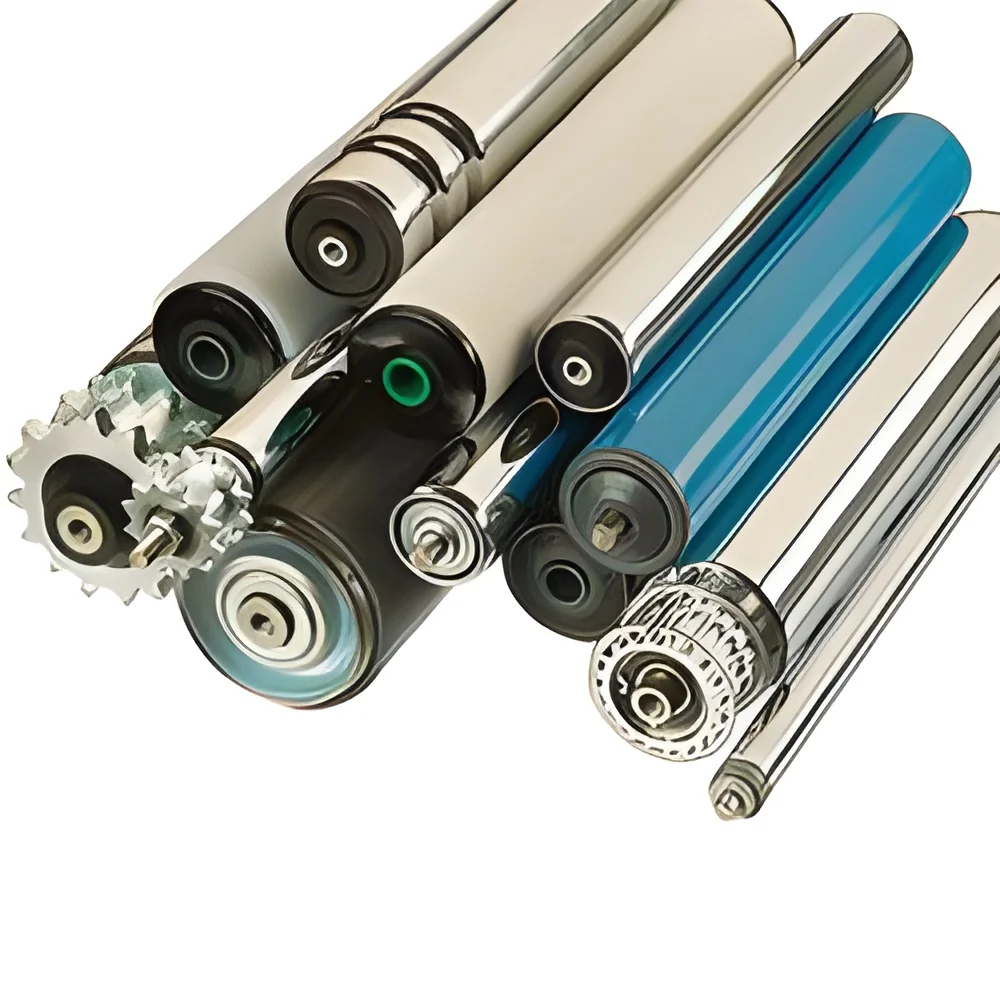
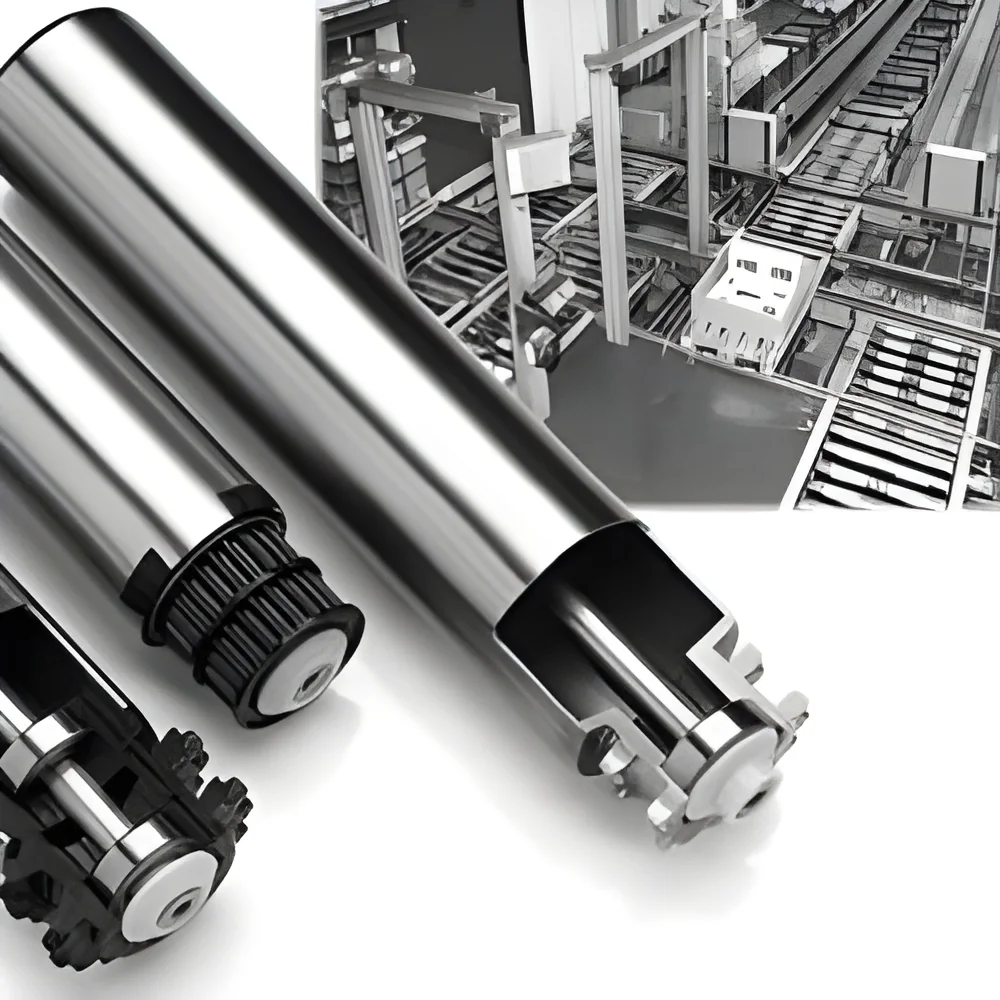
Industrial conveyor rollers for tobacco and cannabis processing represent precision-engineered material handling solutions designed for demanding production environments. These heavy duty and light duty components ensure smooth, consistent operation in both high-volume manufacturing settings and specialized processing applications. The heavy-duty models are constructed to withstand continuous operation under substantial material loads, while light-duty versions offer exceptional flexibility for precision tasks and smaller-scale operations. Each roller undergoes rigorous quality control to guarantee reliable performance, making them the preferred choice for businesses seeking to optimize production efficiency and maintain consistent output quality across various industrial applications.

These conveyor rollers serve critical functions across multiple industries, with specialized focus on tobacco and cannabis processing sectors. In cigarette manufacturing facilities, they facilitate auto...
Industrial conveyor rollers for tobacco and cannabis processing represent precision-engineered material handling solutions designed for demanding production environments. These heavy duty and light duty components ensure smooth, consistent operation in both high-volume manufacturing settings and specialized processing applications. The heavy-duty models are constructed to withstand continuous operation under substantial material loads, while light-duty versions offer exceptional flexibility for precision tasks and smaller-scale operations. Each roller undergoes rigorous quality control to guarantee reliable performance, making them the preferred choice for businesses seeking to optimize production efficiency and maintain consistent output quality across various industrial applications.

These conveyor rollers serve critical functions across multiple industries, with specialized focus on tobacco and cannabis processing sectors. In cigarette manufacturing facilities, they facilitate automated rolling and packaging processes, handling pre-shredded tobacco with precision and care while maintaining production speed. For cannabis producers, the rollers efficiently process plant material while preventing paper punctures by removing stems and ensuring consistent product formation in joint production lines. Beyond these specialized applications, the rollers find extensive use in food processing plants, pharmaceutical manufacturing facilities, and packaging operations where hygienic, reliable material handling is essential for maintaining product quality and safety standards.

The business value of these conveyor rollers lies in their exceptional reliability and performance consistency, which directly translates to reduced operational costs and increased production efficiency. These components are engineered for minimal maintenance requirements and extended service life, significantly reducing downtime and replacement expenses. The precision engineering allows for optimal integration into existing machinery, ensuring seamless operation without costly modifications or production interruptions. Businesses benefit from enhanced product consistency, reduced manual labor requirements, and improved overall equipment effectiveness. The robust construction and reliable performance provide operational confidence for facility managers who demand consistent output and long-term durability from their industrial equipment investments.

Key Features:
- Heavy duty construction for high-volume industrial operations and continuous use
- Light duty models designed for precision handling and smaller-scale applications
- Durable materials engineered for long-lasting performance and minimal maintenance
- Precision engineering ensuring smooth, consistent rolling and material handling
- Quality-controlled manufacturing process for reliable component performance

Benefits:
- Enhanced production efficiency through consistent material handling performance
- Reduced operational costs with minimal maintenance requirements and long service life
- Improved product quality and consistency across manufacturing processes
- Increased equipment uptime and reduced production interruptions
- Reliable performance in demanding industrial environments and continuous operations
Specifications
| Additional Information | |
|---|---|
| Country of Origin | India |
Application
Heavy duty conveyor rollers are engineered for demanding industrial environments requiring continuous high-volume production. These robust components handle substantial material loads while maintaining smooth flow in cigarette manufacturing and large-scale cannabis processing operations. Their durable construction ensures reliable performance in harsh conditions with minimal maintenance requirements, supporting uninterrupted production cycles and operational efficiency.
Light duty conveyor rollers provide precision handling for specialized applications and smaller operations. These versatile components deliver consistent performance in packaging systems, pharmaceutical handling, and food processing lines. Their adaptable design allows seamless integration into existing machinery while maintaining product integrity throughout transportation processes, offering flexibility for various industrial settings and production requirements.
- Automated cigarette production lines in tobacco manufacturing facilities
- High-volume joint rolling systems for cannabis producers and dispensaries
- Packaging conveyor systems for food and consumer goods industries
- Material handling and sorting operations in logistics and warehousing
- Precision product transportation in pharmaceutical manufacturing plants
Trade Details
| Available Stock | In Stock |
| Sample Availability | No |
Payment Terms
| Payment Terms |
|
Company Profile
Bustle Engineering Industries, Tamil Nadu
 Tamil Nadu, India
Tamil Nadu, IndiaConstruction•Manufacturer
Factory Details
Factory SizeBelow 1000 sqm
Annual Production Capacity0
Industrial Conveyor Rollers For Tobacco And Cannabis Processing
Heavy duty and light duty industrial conveyor rollers for tobacco and cannabis processing. Durable, reliable components for cigarette and joint production lines with consistent performance in material handling applications.
Min. Order Quantity: 1 unit
Shipping
Shipping fee and delivery date to be negotiated. Contact supplier now for more details.
Bustle Engineering Industries
 Tamil Nadu, India
Tamil Nadu, IndiaConstructionManufacturer