IN
IN₹
Apparel & Fashion
Description
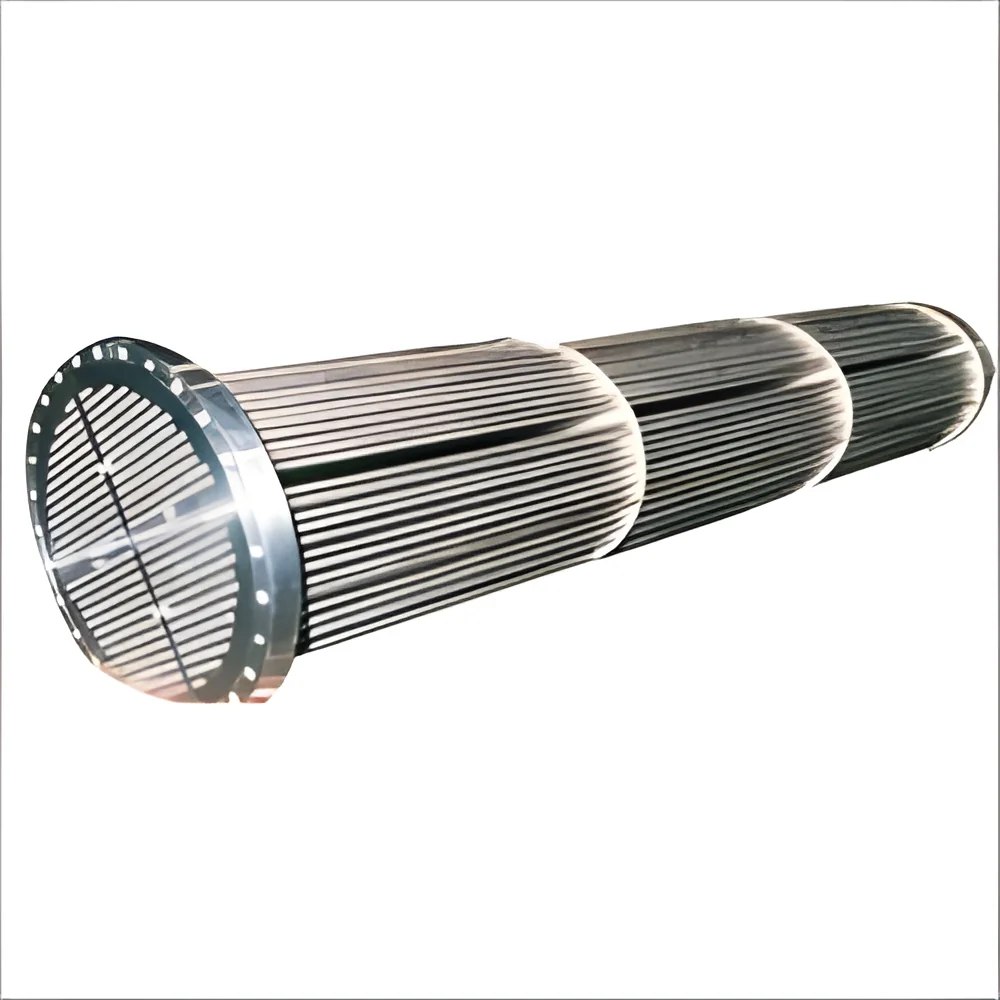
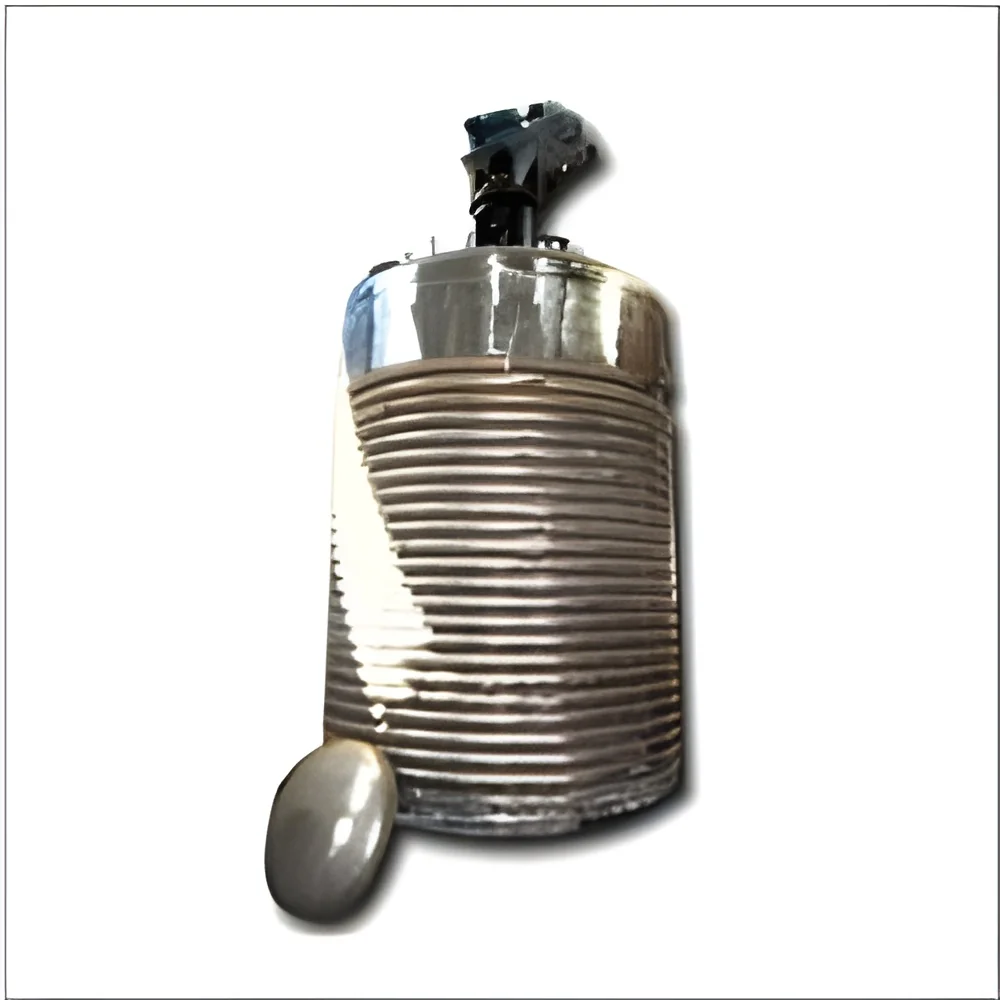
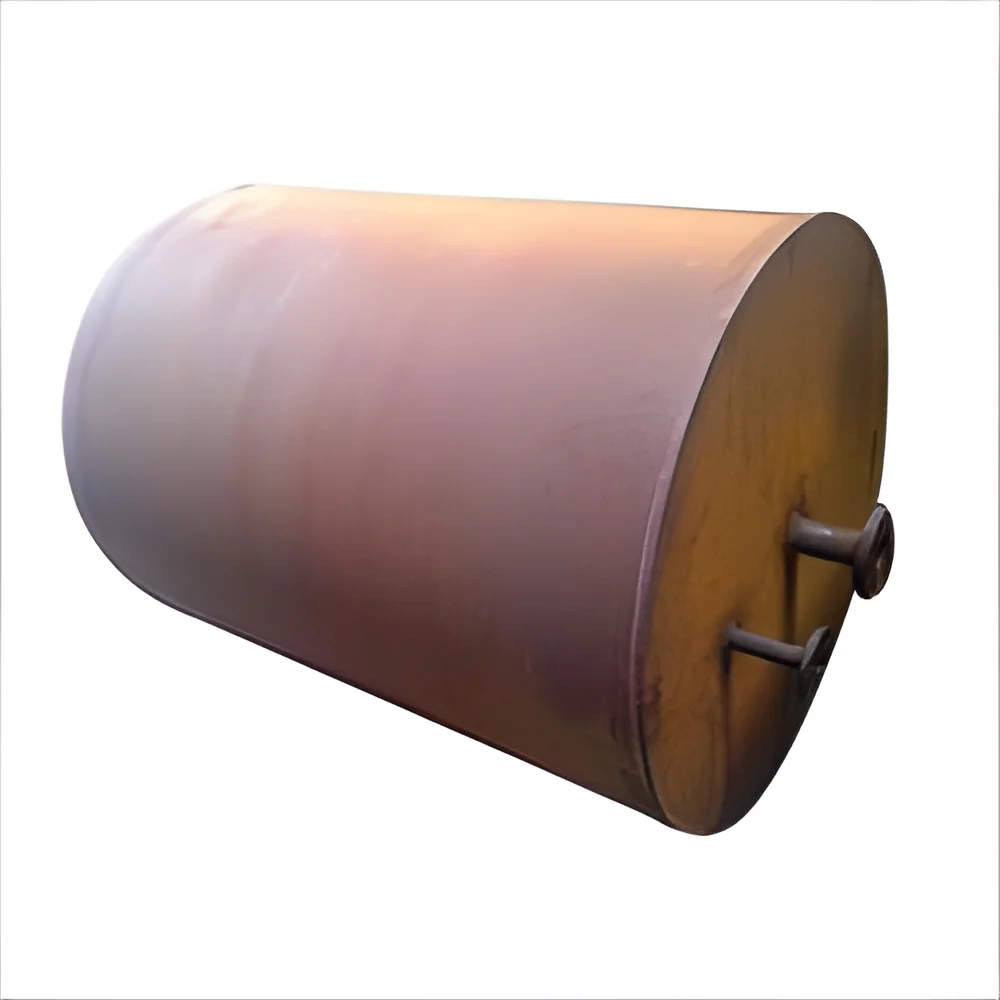
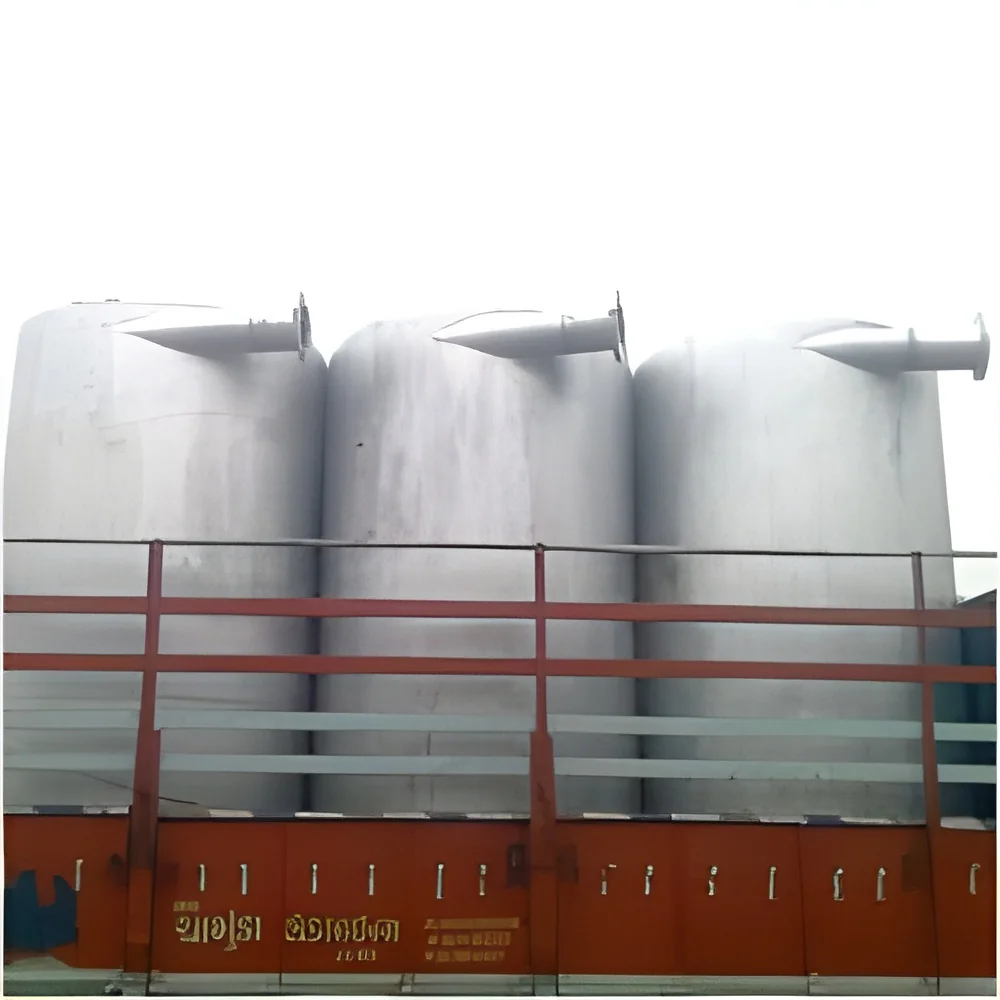
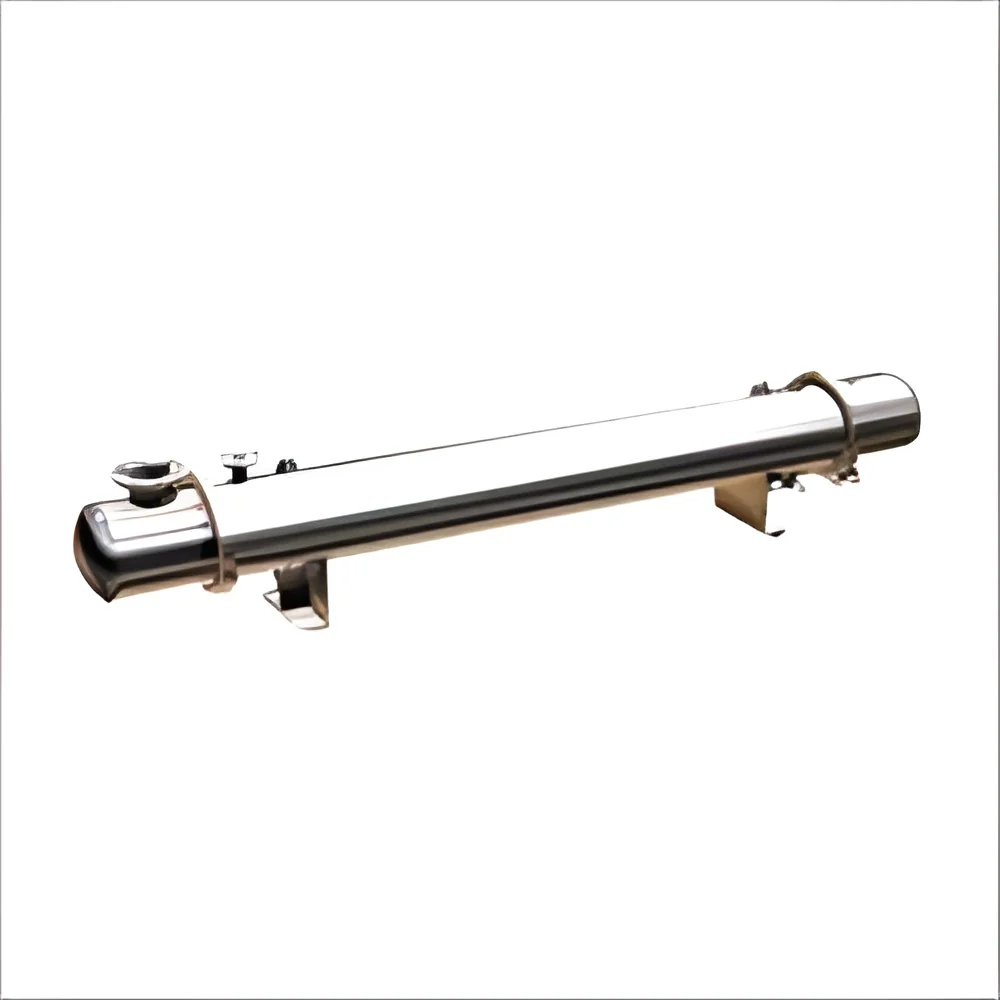
Industrial heat exchangers are engineered to efficiently transfer thermal energy between two or more fluid streams, enabling precise heating, cooling, or heat recovery in demanding industrial settings. Operating on principles of thermal conduction and convection, they prevent fluid mixing while maximizing heat exchange. Available in configurations like shell and tube, plate, and air-cooled types, these systems are built for durability, high thermal efficiency, and adaptability to diverse operational requirements. Their robust construction and precise engineering ensure reliable performance in applications where temperature control is vital for process integrity, safety, and efficiency.

These heat exchangers are widely used across sectors including chemical processing, oil and gas refining, power generation, HVAC, and food and beverage production. In chemical plants, they manage exothermic reactions and condense vapors to maintain process stability. Refineries utilize them for crude oi...
Industrial heat exchangers are engineered to efficiently transfer thermal energy between two or more fluid streams, enabling precise heating, cooling, or heat recovery in demanding industrial settings. Operating on principles of thermal conduction and convection, they prevent fluid mixing while maximizing heat exchange. Available in configurations like shell and tube, plate, and air-cooled types, these systems are built for durability, high thermal efficiency, and adaptability to diverse operational requirements. Their robust construction and precise engineering ensure reliable performance in applications where temperature control is vital for process integrity, safety, and efficiency.

These heat exchangers are widely used across sectors including chemical processing, oil and gas refining, power generation, HVAC, and food and beverage production. In chemical plants, they manage exothermic reactions and condense vapors to maintain process stability. Refineries utilize them for crude oil heating and product cooling, while power plants rely on them for steam condensation and feedwater heating. HVAC systems integrate heat exchangers for climate control in commercial spaces, and the food industry employs them for pasteurization, sterilization, and rapid cooling to meet stringent safety and quality standards. Their versatility and customizability enable seamless integration into both existing and new systems, supporting a broad range of industrial applications with consistent results.

Investing in high-quality heat exchangers offers substantial business value by enhancing energy efficiency, lowering operational costs, and improving process reliability. These systems minimize energy waste through effective heat recovery, leading to reduced utility expenses and a smaller environmental footprint. Their durable construction and low maintenance needs ensure long-term performance with minimal downtime, delivering a strong return on investment. With options for customization, businesses can tailor units to specific operational challenges, optimizing performance for unique requirements. This reliability and adaptability make heat exchangers a trusted solution for industries focused on efficiency, sustainability, and operational excellence.

Key Features:
- Robust shell and tube design suitable for high-pressure and high-temperature environments.
- Customizable configurations to align with specific process needs and spatial limitations.
- Construction from corrosion-resistant materials like stainless steel, titanium, or copper alloys.
- High thermal transfer efficiency for optimal energy use and consistent performance.
- Compliance with industry standards such as TEMA for assured reliability and safety.

Benefits:
- Enhanced energy efficiency reduces operational costs and minimizes environmental impact.
- Durable construction ensures long-term reliability with minimal maintenance requirements.
- Customizable designs optimize performance for unique industrial applications.
- Improved process stability and temperature control support consistent output quality.
- Adherence to industry standards guarantees safety and operational dependability.
Specifications
| Additional Information | |
|---|---|
| Country of Origin | India |
Application
Industrial heat exchangers are essential for managing thermal energy in processes where precise temperature regulation is critical. They efficiently transfer heat between fluid streams without mixing, supporting operations in heating, cooling, and heat recovery across diverse industrial environments. Their robust design ensures consistent performance under varying operational conditions, making them a cornerstone of thermal management systems.
These units are integral to industries such as chemical processing, power generation, oil and gas, HVAC, and food manufacturing. Their adaptability allows seamless integration into both large-scale industrial plants and compact commercial setups, enhancing system efficiency and productivity. By maintaining optimal temperatures, they help processes run smoothly, reduce energy consumption, and support overall operational reliability.
- Cooling hydraulic fluids and oils in heavy machinery to sustain operational efficiency and prevent overheating.
- Condensing steam in power generation cycles to boost energy recovery and system output.
- Heating chemical reactants in processing plants to achieve precise reaction rates and product quality.
- Regulating temperatures in commercial HVAC systems for consistent comfort and energy savings.
- Pasteurizing and cooling food and beverages during manufacturing to ensure safety and quality standards.
Trade Details
| Available Stock | In Stock |
| Sample Availability | No |
Payment Terms
| Payment Terms |
|
Company Profile

Ajey Industries, Gujarat
 Gujarat, India
Gujarat, IndiaConstruction•Manufacturer•Distributor / Wholesaler•Importer / Exporter
Factory Details
Factory SizeBelow 1000 sqm
Annual Production Capacity0
Industrial Heat Exchangers For Efficient Thermal Energy Transfer
Industrial heat exchangers deliver efficient thermal energy transfer between fluids, ensuring precise temperature control and reliable performance for demanding industrial processes and custom engineering needs.
Min. Order Quantity: 1 unit
Shipping
Shipping fee and delivery date to be negotiated. Contact supplier now for more details.
Ajey Industries
 Gujarat, India
Gujarat, IndiaConstructionManufacturer