IN
INundefined
Similar Products

Description
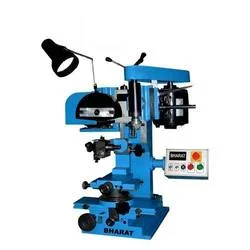
Hand operated rolling mills are precision tools engineered for manual metal forming, allowing users to reduce thickness and shape ductile metals like gold, silver, and copper with ...
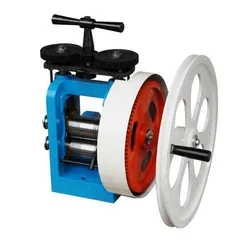
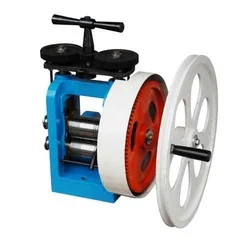
Hand operated rolling mills are precision tools engineered for manual metal forming, allowing users to reduce thickness and shape ductile metals like gold, silver, and copper with consistent accuracy. Featuring hardened steel rolls and an adjustable gap mechanism, these mills enable full control over sheet or wire production without relying on electricity. Built with durable materials such as cast iron or steel frames, they withstand frequent use while maintaining stability and performance. Ideal for settings where power is limited or detailed work is prioritized, they blend traditional craftsmanship with reliable functionality, ensuring repeatable results for professionals in jewelry, labs, and small-scale industries.

These mills serve diverse sectors requiring precision metal forming, including jewelry making for flattening metals and creating textured patterns, as well as dental labs for fabricating small components used in appliances. Research and development facilities utilize them in material testing and sample preparation, while educational institutions integrate them into training curricula to demonstrate metalworking techniques. Small industrial units and artisans rely on them for prototyping, custom part production, and low-volume manufacturing, benefiting from their adaptability to various metals and applications without complex setups.

The business value of hand operated rolling mills lies in their cost-effectiveness, reliability, and low maintenance, offering a strong return on investment by reducing operational dependencies on electricity. Their robust construction ensures long-term durability, minimizing downtime and repair costs, while manual operation provides flexibility for remote or resource-constrained workshops. By delivering precise control and consistent output, these mills help businesses uphold high quality standards, enhance productivity, and meet custom demands efficiently, supporting growth in niche markets focused on craftsmanship and specialization.

Key Features:
- Hardened steel rolls for long-lasting durability and uniform performance.
- Adjustable roll gap with precision screws to control thickness accurately.
- Sturdy cast iron or steel frame for stable operation during metal forming.
- Configurable for flat or wire rolling to handle diverse metal shaping tasks.
- Ergonomic manual handles for comfortable use and enhanced operator control.

Benefits:
- Ensures consistent metal thickness and texture for reliable production outcomes.
- Reduces energy costs with manual operation, suitable for off-grid workshops.
- Supports customization in low-volume runs, adapting to specific project needs.
- Minimizes maintenance requirements due to robust and simple design.
- Enhances craftsmanship by allowing precise, hands-on control over forming processes.
Specifications
| Additional Information | |
|---|---|
| Country of Origin | India |
| Customisable | No |
Application
Hand operated rolling mills provide exact control for shaping metals into uniform sheets or wires, ideal for detailed work where powered equipment is unsuitable. Their manual operation offers tactile feedback, ensuring precision in environments without electricity or where delicate materials are handled. These tools support artisans and technicians in achieving consistent thickness and texture across various metals like gold, silver, and copper, enhancing craftsmanship in small-batch production.

Widely used in jewelry making, dental labs, research facilities, and educational settings, these mills adapt to low-volume or custom metal forming needs. The adjustable roll gap allows versatility for different applications, from creating decorative elements to preparing samples for experiments. Their simplicity and robustness make them a go-to solution for workshops focused on quality and customization without high power demands.
- Jewelry artisans flatten and texture precious metals for custom rings, bracelets, and intricate designs.
- Dental laboratories form small metal components for dental fixtures and orthodontic devices with high accuracy.
- Research institutions use them in material science labs for sample preparation and experimental metal forming.
- Educational programs incorporate mills into vocational training to teach hands-on metalworking skills.
- Small manufacturers produce custom metal parts, shims, and prototypes for low-volume orders.
Trade Details
| Available Stock | In stock |
| Sample Availability | No |
Payment Terms
| Payment Terms |
|
Company Profile

Bharat Machine Tools, Gujarat
 Gujarat, India
Gujarat, IndiaApparel & Fashion•ManufacturerDistributor / WholesalerImporter / Exporter
Factory Details
Factory SizeBelow 1000 sqm
Annual Production Capacity0
Hand Operated Rolling Mills For Precision Metal Forming In Jewelry And Labs
Hand operated rolling mills deliver precision metal forming for jewelry, labs, and small-scale production. Durable and reliable for consistent sheet or wire output with full manual control.
Min. Order Quantity: 1 units
Shipping
Shipping fee and delivery date to be negotiated. Contact supplier now for more details.
Bharat Machine Tools Gujarat, India
Gujarat, IndiaApparel & FashionManufacturer