IN
₹
Description
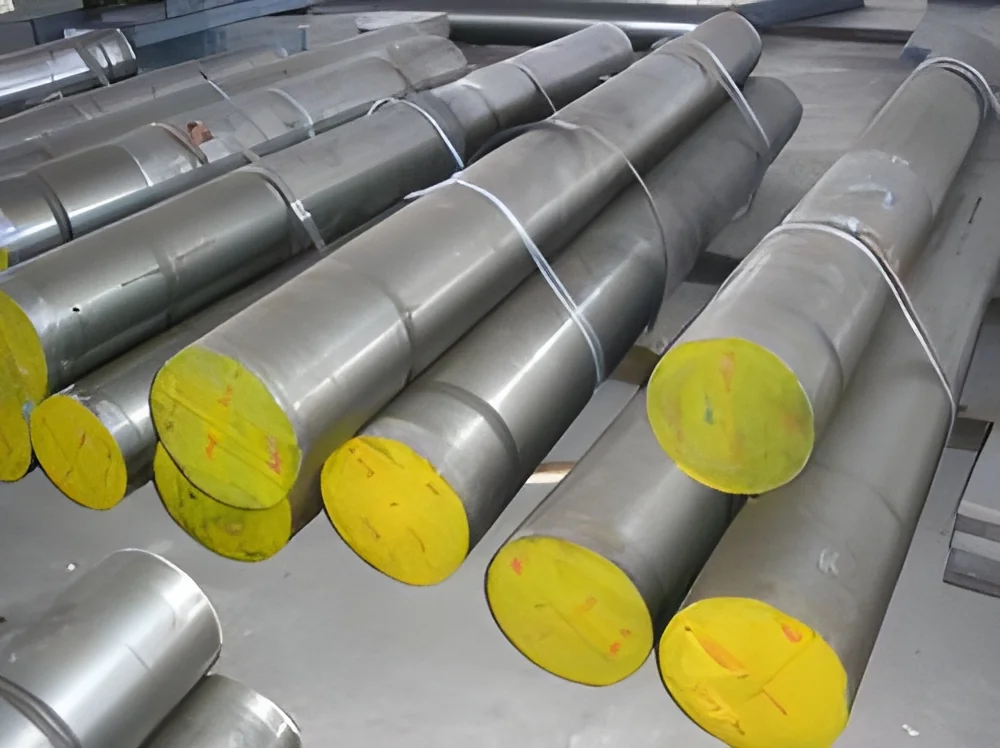
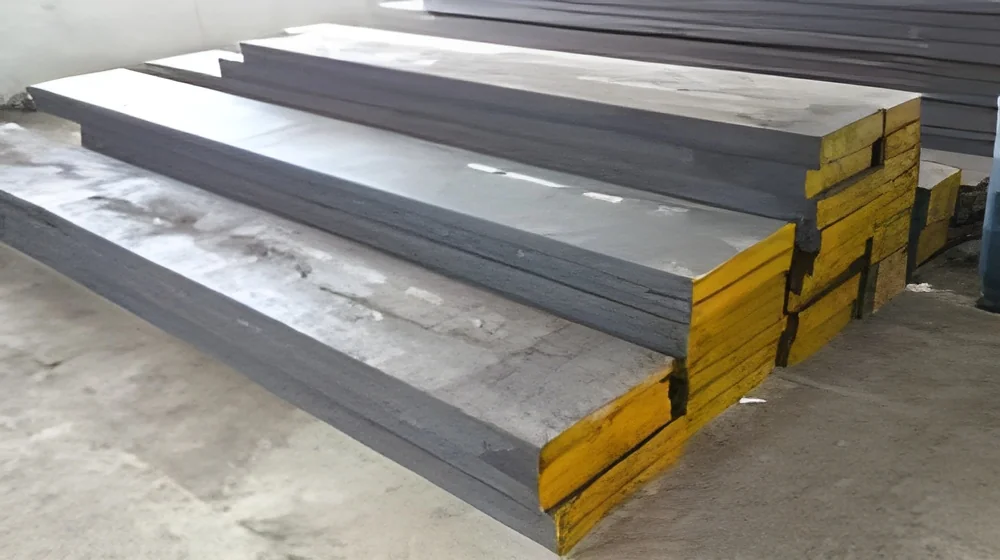
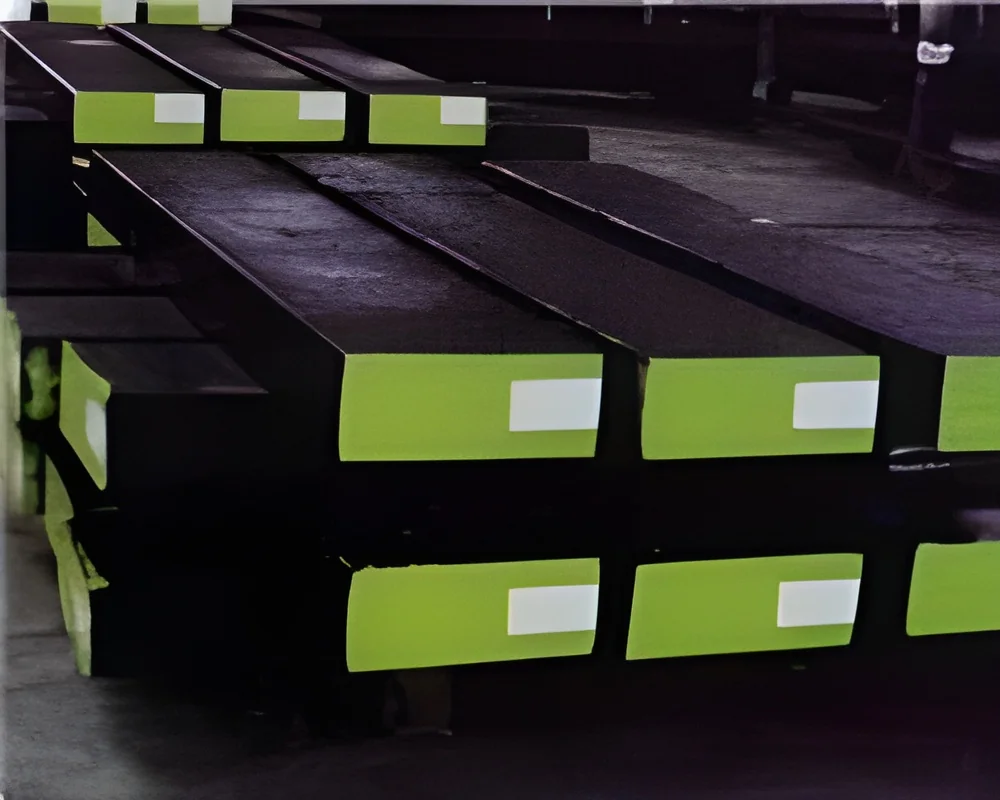
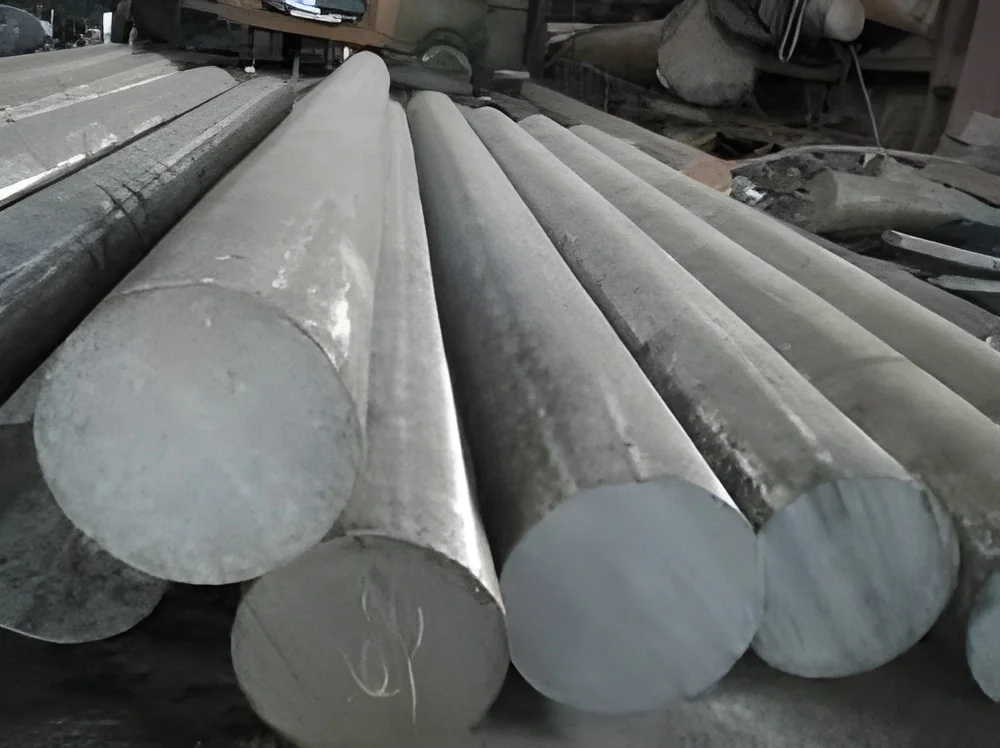
Premium H13 Steel represents advanced air-hardening chromium die steel technology, specifically formulated for industrial tooling applications demanding exceptional heat resistance and mechanical durability. This premium material features a sophisticated alloy composition with elevated chromium, molybdenum, and vanadium content, which significantly enhances its resistance to heat checking, thermal fatigue, and deformation at elevated temperatures. The steel's unique air-hardening properties allow tools to undergo rapid cooling processes without cracking risks, making it exceptionally suitable for rigorous industrial environments where thermal cycling is constant and demanding. Its reliability stems from consistent metallurgical properties that ensure predictable performance across various manufacturing conditions, from high-volume production runs to precision component fabrication.

This specialized die steel finds extensive application across multiple industrial sectors including meta...
Premium H13 Steel represents advanced air-hardening chromium die steel technology, specifically formulated for industrial tooling applications demanding exceptional heat resistance and mechanical durability. This premium material features a sophisticated alloy composition with elevated chromium, molybdenum, and vanadium content, which significantly enhances its resistance to heat checking, thermal fatigue, and deformation at elevated temperatures. The steel's unique air-hardening properties allow tools to undergo rapid cooling processes without cracking risks, making it exceptionally suitable for rigorous industrial environments where thermal cycling is constant and demanding. Its reliability stems from consistent metallurgical properties that ensure predictable performance across various manufacturing conditions, from high-volume production runs to precision component fabrication.

This specialized die steel finds extensive application across multiple industrial sectors including metal forging, extrusion manufacturing, automotive component production, and heavy machinery manufacturing. The aerospace industry utilizes H13 steel for critical tooling applications where precision and thermal stability are non-negotiable requirements. Automotive manufacturers depend on it for high-volume production dies that must maintain dimensional stability under continuous thermal stress during stamping and forming operations. General metalworking industries employ H13 for various hot work applications where conventional materials would fail prematurely due to thermal fatigue or deformation under pressure, particularly in plastic injection molding, die casting, and hot metal forming processes.

The business value of H13 steel lies in its exceptional reliability and long-term cost-effectiveness throughout the tool lifecycle. By significantly reducing downtime for tool maintenance, repair, and replacement, manufacturers achieve substantial operational savings and improved production efficiency. The material's consistent performance ensures product quality remains high throughout extended production runs, while its predictable wear characteristics allow for accurate production planning and scheduling. This reliability translates into reduced operational costs, minimized production interruptions, and enhanced manufacturing capability for serious industrial buyers who prioritize consistent output and tooling dependability in their operations.

Key Features:
- Air-hardening chromium die steel with superior thermal resistance properties
- Enhanced vanadium content for improved performance and extended durability
- Excellent resistance to heat checking and thermal fatigue under cyclic conditions
- Suitable for water cooling applications without cracking risk during heat treatment
- Capability for deep nitriding after heat treatment for enhanced surface hardness

Benefits:
- Extended tool life reduces replacement frequency and maintenance costs
- Consistent performance under thermal stress ensures reliable production output
- Superior heat resistance minimizes deformation and maintains dimensional accuracy
- Reduced downtime for tool maintenance increases overall production efficiency
- Predictable wear characteristics enable accurate production planning and scheduling
Specifications
| Additional Information | |
|---|---|
| Country of Origin | India |
Application
Premium H13 Steel is engineered for high-stress industrial environments where tools face extreme temperatures and repeated thermal cycling. Its exceptional heat resistance and thermal fatigue strength ensure reliable performance in applications that would cause conventional materials to fail prematurely, maintaining structural integrity under continuous operation.
This versatile material serves critical roles across manufacturing sectors requiring consistent performance under heat exposure. Industries depend on H13 steel for applications demanding extended tool life, reduced maintenance costs, and predictable operation in production environments where downtime directly impacts profitability and output quality.
- Hot forging dies for shaping metals under extreme temperature conditions
- Extrusion dies and mandrels for aluminum and brass manufacturing processes
- High-performance blanking and piercing tools for precision metal stamping
- Hot heading tools for fastener and component production at elevated temperatures
- Pressure pads and inserts for plastic injection molding and die casting machinery
Trade Details
| Available Stock | In Stock |
| Sample Availability | No |
Payment Terms
| Payment Terms |
|
Company Profile
Dua Steel Traders, New Delhi
 New Delhi, India
Raw Materials & Chemicals•Trading Company•Distributor / Wholesaler
Factory Details
Factory SizeBelow 1000 sqm
Annual Production Capacity0
Main Markets
South Asia
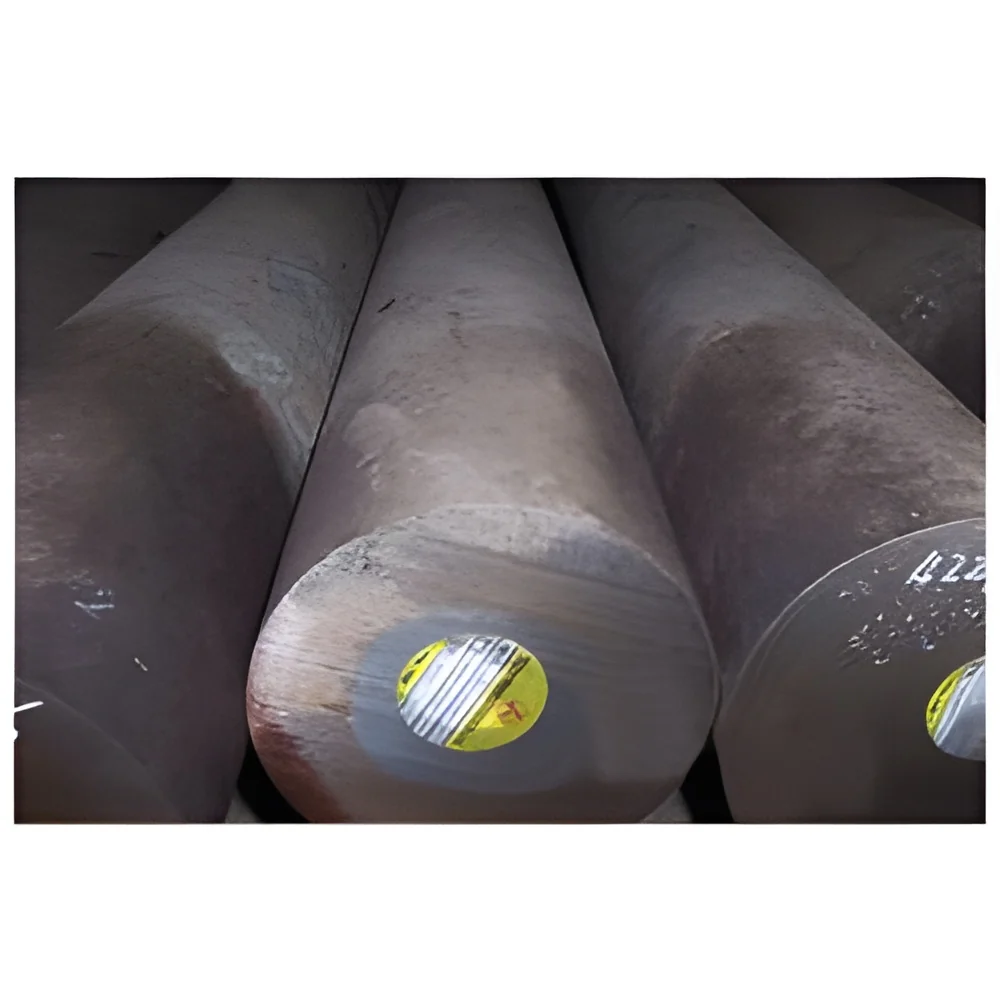
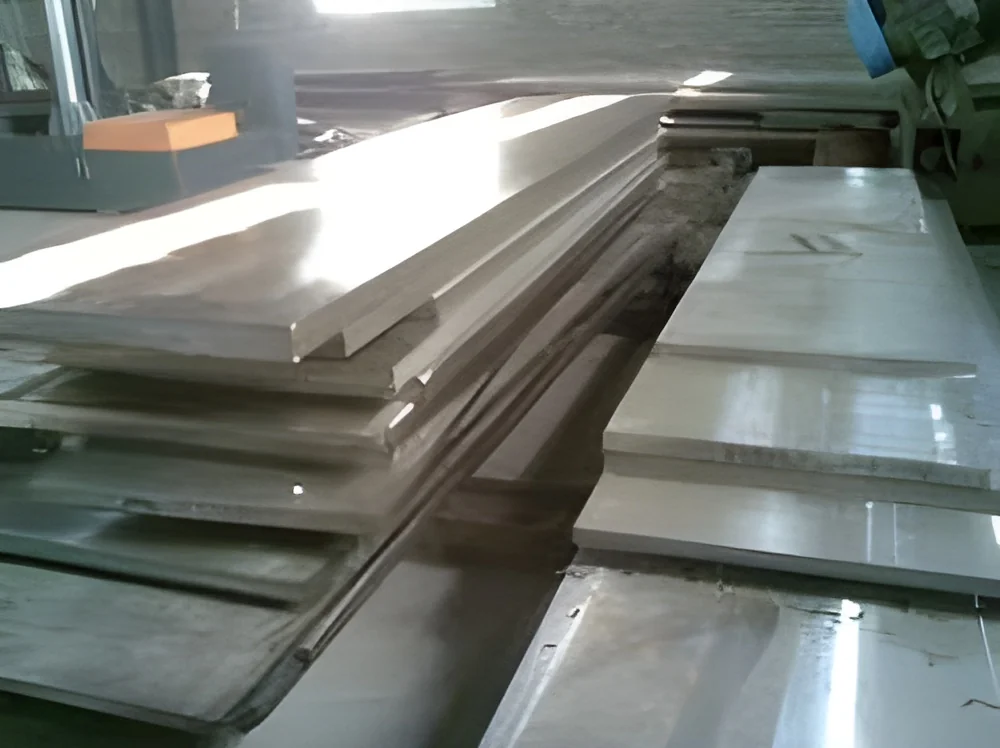
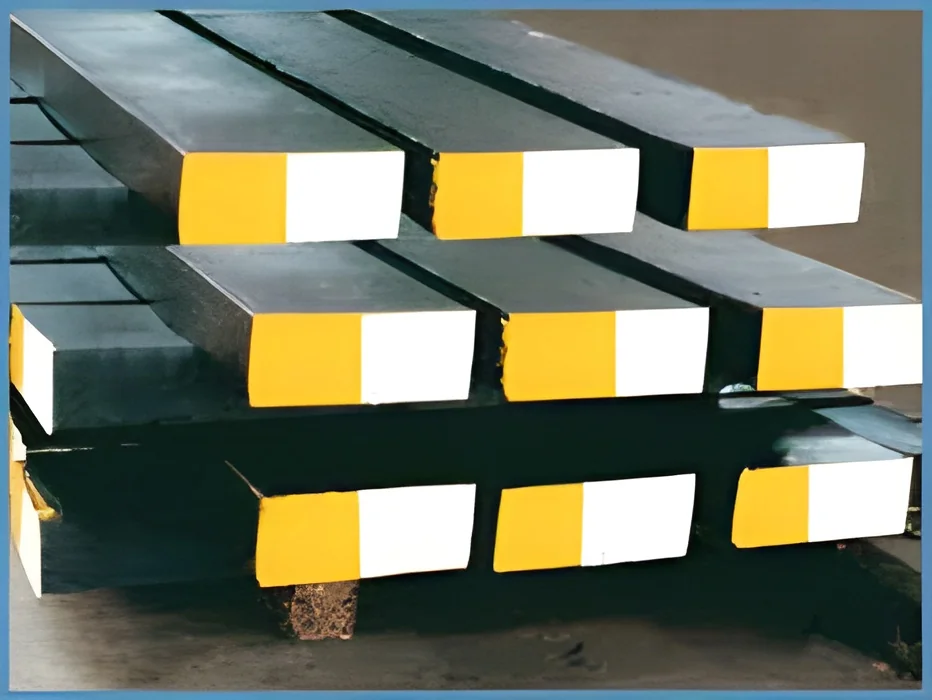
Premium H13 Steel Air Hardening Chromium Die For Industrial Tooling
Premium H13 Steel is an air-hardening chromium die steel offering superior heat resistance and durability for demanding industrial tooling applications in forging, extrusion, and metalworking.
Min. Order Quantity: 1 unit
Shipping
Shipping fee and delivery date to be negotiated. Contact supplier now for more details.
Dua Steel Traders
 New Delhi, India
Raw Materials & ChemicalsTrading Company