IN
₹
Description
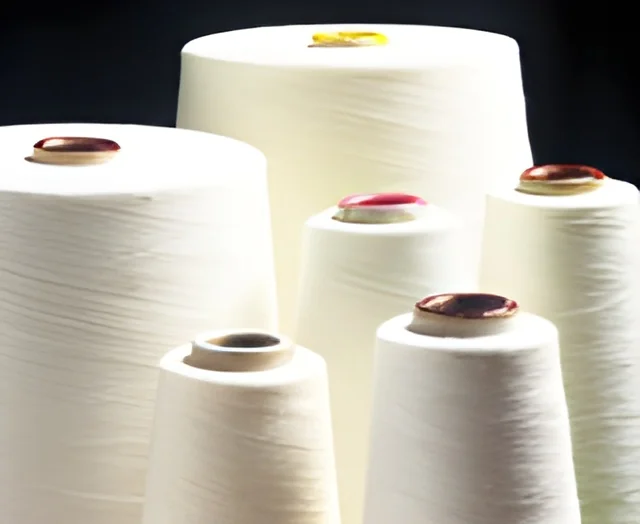
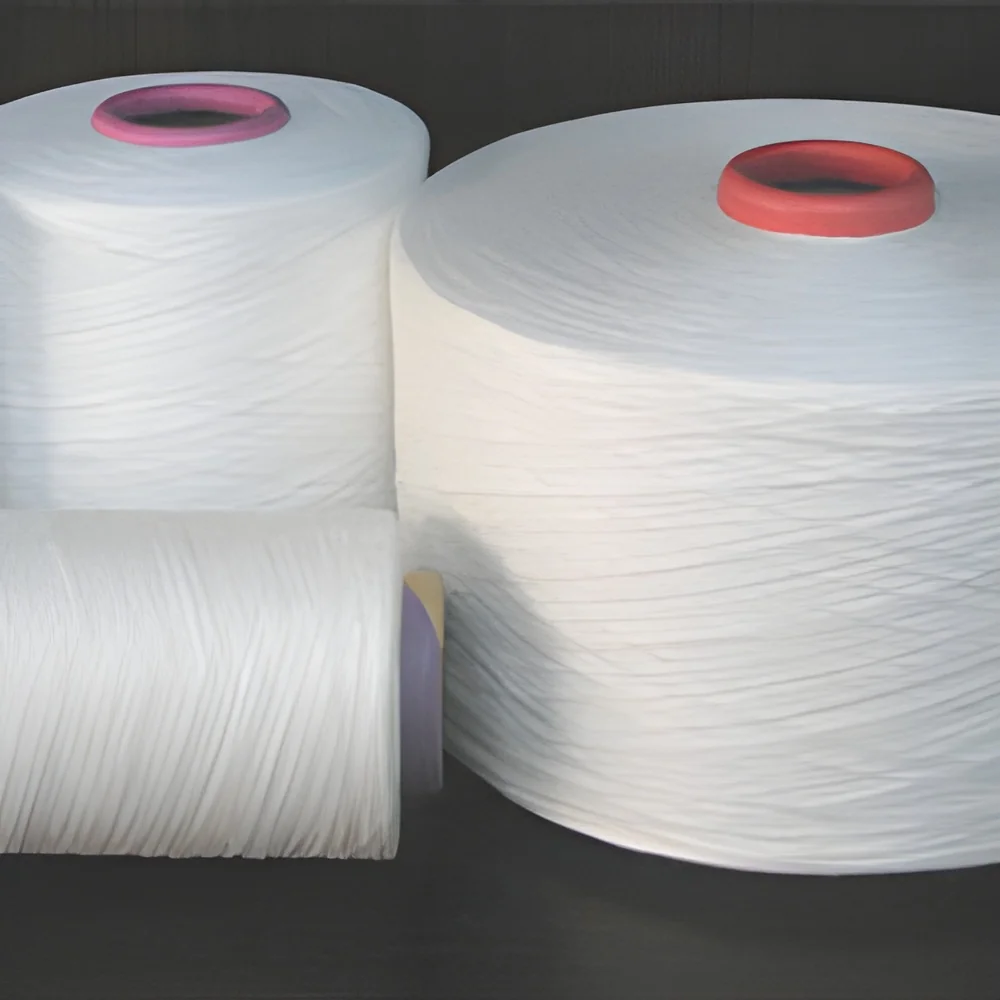
Premium grey fabrics represent the fundamental building blocks of textile manufacturing, providing essential untreated material that forms the basis for countless finished products. These unbleached and undyed textiles arrive in their natural state, offering manufacturers complete creative control over final appearance and performance characteristics. The term 'grey' refers to the fabric's unfinished condition rather than its color, indicating readiness for subsequent processing stages. This versatile material category encompasses various weaves, weights, and fiber compositions to suit different application requirements. Manufacturers value grey fabrics for their consistent quality, structural integrity, and adaptability to different finishing techniques. The material's neutral base allows for exceptional dye absorption and finishing results, ensuring vibrant colors and precise texture outcomes in final products. This reliability makes grey fabrics the preferred choice for businesses d...
Premium grey fabrics represent the fundamental building blocks of textile manufacturing, providing essential untreated material that forms the basis for countless finished products. These unbleached and undyed textiles arrive in their natural state, offering manufacturers complete creative control over final appearance and performance characteristics. The term 'grey' refers to the fabric's unfinished condition rather than its color, indicating readiness for subsequent processing stages. This versatile material category encompasses various weaves, weights, and fiber compositions to suit different application requirements. Manufacturers value grey fabrics for their consistent quality, structural integrity, and adaptability to different finishing techniques. The material's neutral base allows for exceptional dye absorption and finishing results, ensuring vibrant colors and precise texture outcomes in final products. This reliability makes grey fabrics the preferred choice for businesses demanding predictable performance throughout their production processes.

Grey fabrics find extensive utilization across numerous industries that rely on textile components. The apparel sector represents a primary market, where these fabrics become fashion garments, work uniforms, and everyday clothing after processing. The home furnishings industry transforms grey fabrics into draperies, upholstery, bed linens, and decorative textiles through dyeing, printing, and finishing treatments. Industrial applications include technical textiles for filtration systems, protective equipment, and automotive interiors where specific performance characteristics are required. The healthcare sector utilizes specially treated grey fabrics for medical textiles and hygiene products. Commercial applications extend to hospitality textiles, office furnishings, and specialized industrial components, demonstrating remarkable cross-industry applicability and importance in global manufacturing supply chains.

Investing in quality grey fabrics delivers significant business value through enhanced production efficiency and superior end-product quality. The reliability of these materials ensures consistent manufacturing outcomes, reducing material waste and improving production throughput. Their customization capabilities allow businesses to develop unique products that stand out in competitive markets while maintaining cost-effectiveness. The material's inherent durability translates to longer-lasting end products, increasing customer satisfaction and strengthening brand reputation. Businesses benefit from the supply chain flexibility that grey fabrics provide, as they can be sourced in various quantities and specifications to match production requirements precisely. This adaptability makes them ideal for both large-scale manufacturing runs and smaller custom projects, providing scalability that supports business growth and market responsiveness effectively.

Key Features:
- Unbleached and undyed natural fabric base providing maximum customization potential
- Available in multiple weights, weave patterns, and fiber compositions for diverse applications
- Consistent quality and structural integrity maintained throughout production runs
- High durability and tensile strength suitable for demanding end-use requirements
- Excellent compatibility with various dyeing, printing, and finishing processes

Benefits:
- Provides complete creative control over final product appearance and characteristics
- Enables cost-effective production with reduced material waste and improved efficiency
- Ensures reliable performance and consistent quality across manufacturing batches
- Supports development of durable end products that enhance customer satisfaction
- Offers supply chain flexibility with scalable solutions for different project sizes
Specifications
| Additional Information | |
|---|---|
| Country of Origin | India |
Application
Premium grey fabrics serve as the essential foundation for countless finished textile products. Their unprocessed nature provides maximum flexibility for manufacturers who require specific textures, weights, or final colors after dyeing and finishing. These fabrics are known for their structural integrity and consistency, creating a reliable base material that ensures high-quality outcomes throughout production processes across various sectors.
These versatile textiles are particularly valued in industries where durability and adaptability are critical requirements. From fashion manufacturing to technical industrial applications, grey fabrics offer a neutral canvas that can be engineered to meet precise specifications. Businesses appreciate the cost-efficiency and performance these materials deliver, supporting streamlined production cycles and predictable results that meet market demands effectively.
- Apparel manufacturing for shirts, trousers, dresses, and uniforms after dyeing and finishing processes.
- Home furnishing production including curtains, upholstery fabrics, bedding materials, and decorative textiles.
- Technical textiles for industrial applications such as filtration materials, protective covers, and machinery linings.
- Automotive interior components including seat covers, headliners, and interior trim fabrics.
- Specialized textile products for healthcare, hospitality, and commercial interior applications.
Trade Details
| Available Stock | In Stock |
| Sample Availability | No |
Payment Terms
| Payment Terms |
|
Company Profile

Bhadani International, Gujarat
 Gujarat, India
Raw Materials & Chemicals•Manufacturer•Distributor / Wholesaler•Importer / Exporter
Factory Details
Factory SizeBelow 1000 sqm
Annual Production Capacity0
Premium Grey Fabrics For Buyers: Durable And Versatile
Premium grey fabrics offer durable, versatile textile solutions for apparel, home furnishings, and industrial applications. Trusted quality and reliable supply for importers and wholesalers seeking consistent performance.
Min. Order Quantity: 1 unit
Shipping
Shipping fee and delivery date to be negotiated. Contact supplier now for more details.
Bhadani International
 Gujarat, India
Raw Materials & ChemicalsManufacturer