IN
₹
Apparel & Fashion
Description
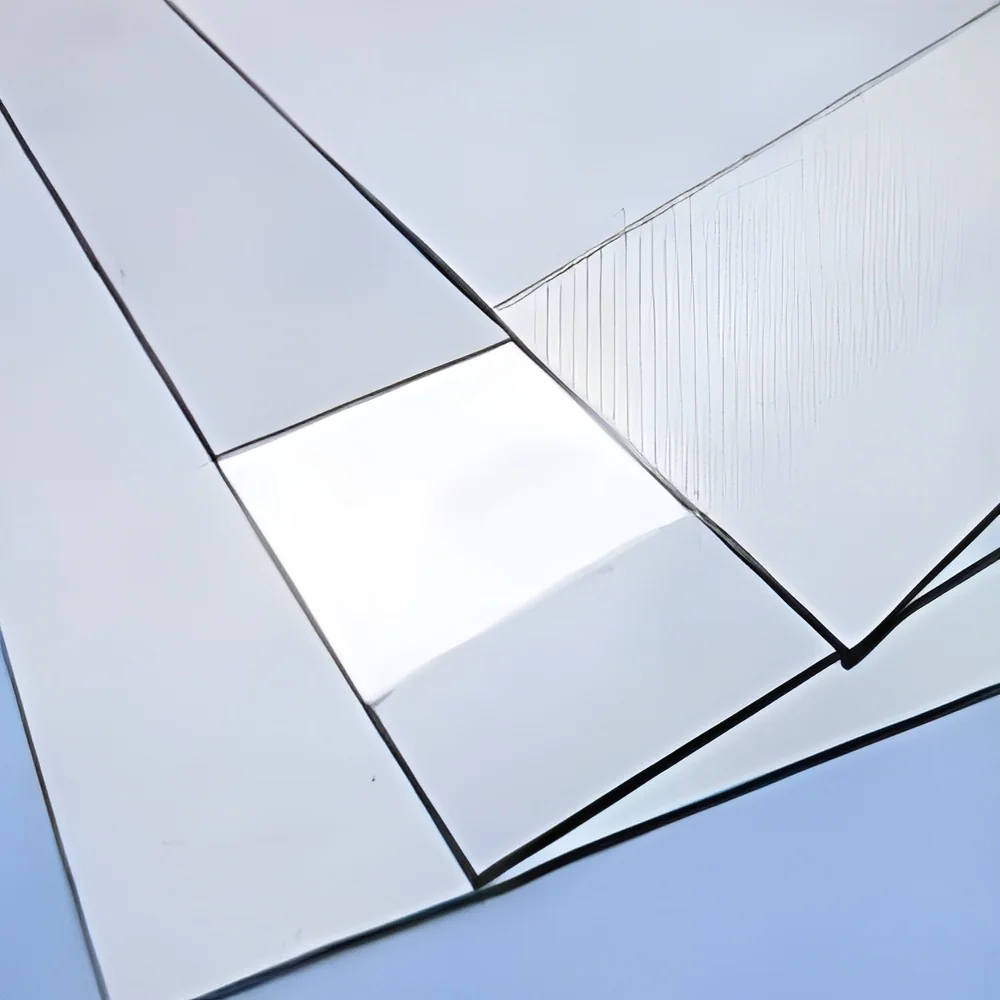
Industrial metal reinforced graphite sheets represent advanced sealing technology engineered for extreme industrial applications where chemical corrosion resistance is paramount. These specialized composite materials combine high-purity, flexible graphite with strategically embedded metal inserts to create sheets that maintain exceptional sealing performance under aggressive chemical exposure and across wide temperature fluctuations. The graphite matrix provides natural chemical inertness and excellent thermal conductivity, while the metal reinforcement adds crucial mechanical strength, dimensional stability, and resistance to compression set. This sophisticated combination ensures reliable, long-term sealing in flanged connections, heat exchangers, reactors, and pressure vessels where conventional gasketing materials would deteriorate prematurely, potentially leading to dangerous leaks and operational downtime.

These reinforced graphite sheets serve critical functions across multiple...
Industrial metal reinforced graphite sheets represent advanced sealing technology engineered for extreme industrial applications where chemical corrosion resistance is paramount. These specialized composite materials combine high-purity, flexible graphite with strategically embedded metal inserts to create sheets that maintain exceptional sealing performance under aggressive chemical exposure and across wide temperature fluctuations. The graphite matrix provides natural chemical inertness and excellent thermal conductivity, while the metal reinforcement adds crucial mechanical strength, dimensional stability, and resistance to compression set. This sophisticated combination ensures reliable, long-term sealing in flanged connections, heat exchangers, reactors, and pressure vessels where conventional gasketing materials would deteriorate prematurely, potentially leading to dangerous leaks and operational downtime.

These reinforced graphite sheets serve critical functions across multiple heavy industries with demanding operating conditions. In chemical processing plants, they seal reactors, columns, and heat exchangers handling corrosive acids, caustics, and organic solvents at varying temperatures and pressures. The oil and gas industry utilizes them extensively for pipeline flanges, valve bonnets, compressor connections, and wellhead equipment where they resist sour gas attack, hydrocarbon permeation, and pressure cycling. Power generation facilities install them in turbine casings, boiler manways, and steam system components where they maintain seals despite thermal cycling between startup and operating temperatures. Additional applications include pharmaceutical manufacturing equipment requiring contamination-free sealing with aggressive cleaning agents, and water treatment facilities handling chemical dosing systems for chlorination and pH adjustment processes.

The business value of these specialized gasketing materials lies in their ability to significantly reduce maintenance costs, prevent unscheduled downtime, and enhance operational safety through reliable sealing performance. By providing durable, chemically-resistant seals in corrosive environments, they extend equipment life and minimize the risk of hazardous leaks that could lead to environmental incidents or safety hazards. Their consistent quality ensures predictable performance across production batches, allowing for reliable maintenance planning and inventory management. This reliability translates to reduced spare parts inventory as fewer replacement gaskets are required, while their long service life decreases the frequency of maintenance interventions, lowering overall operational costs and improving plant availability for continuous production cycles.

Key Features:
- Metal insert reinforcement provides enhanced mechanical strength and dimensional stability under compression
- Superior chemical resistance to acids, alkalis, solvents, and aggressive industrial process media
- High temperature capability maintaining performance from cryogenic conditions to elevated operating temperatures
- Excellent thermal conductivity allowing for efficient heat transfer in heat exchanger applications
- Low creep relaxation ensuring maintained seal integrity under prolonged compression and bolt loading

Benefits:
- Extended equipment life through reliable sealing that prevents corrosive media contact with flanges
- Reduced maintenance costs with fewer replacements needed due to superior chemical resistance
- Enhanced operational safety by preventing hazardous leaks in critical processing systems
- Improved plant availability through reliable performance that minimizes unscheduled downtime
- Consistent quality ensures predictable sealing performance across all production batches
Specifications
| Additional Information | |
|---|---|
| Country of Origin | India |
Application
Our metal-reinforced graphite sheets deliver exceptional sealing performance in demanding industrial environments where chemical resistance and thermal stability are non-negotiable. These sheets maintain their structural integrity when exposed to aggressive media including acids, alkalis, and various solvents across wide temperature and pressure ranges, ensuring reliable operation where other materials would fail.
The reinforced construction expertly combines graphite's natural lubricity and chemical inertness with the mechanical strength of metal inserts, creating a durable gasketing material that withstands flange movement, vibration, and bolt load fluctuations. This makes them ideally suited for critical sealing applications in heat exchangers, reactors, pumps, valves, and pressure vessels across processing industries where leak prevention is essential for safety, environmental compliance, and operational continuity.
- Chemical processing plant gaskets for reactors, distillation columns, and heat exchangers handling corrosive acids and solvents
- Oil and gas pipeline flange seals resistant to sour gas, hydrocarbons, and high-pressure exposure in transmission systems
- Power generation turbine casing gaskets, boiler manways, and steam system components for high-temperature applications
- Pharmaceutical manufacturing equipment seals requiring contamination-free operation with aggressive cleaning agents
- Water treatment plant pump and valve gaskets for chemical dosing systems handling chlorination and pH adjustment chemicals
Trade Details
| Available Stock | In Stock |
| Sample Availability | No |
Payment Terms
| Payment Terms |
|
Company Profile

Bakshi Enterprises, New Delhi
 New Delhi, India
Construction•Manufacturer•Distributor / Wholesaler•Importer / Exporter
Factory Details
Factory SizeBelow 1000 sqm
Annual Production Capacity0
Industrial Metal Reinforced Graphite Sheets For Chemical Corrosion Resistance
Industrial metal reinforced graphite sheets provide superior chemical corrosion resistance for gaskets and seals in chemical processing, oil and gas, and power generation applications requiring reliable performance under extreme conditions.
Min. Order Quantity: 1 unit
Shipping
Shipping fee and delivery date to be negotiated. Contact supplier now for more details.
Bakshi Enterprises
 New Delhi, India
ConstructionManufacturer