IN
₹
Apparel & Fashion
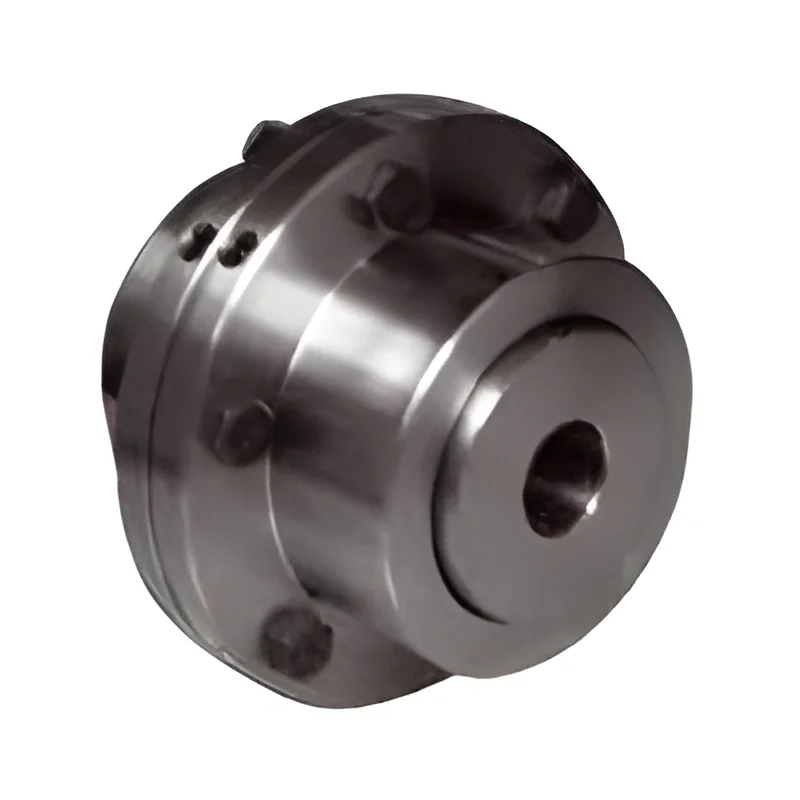
Description
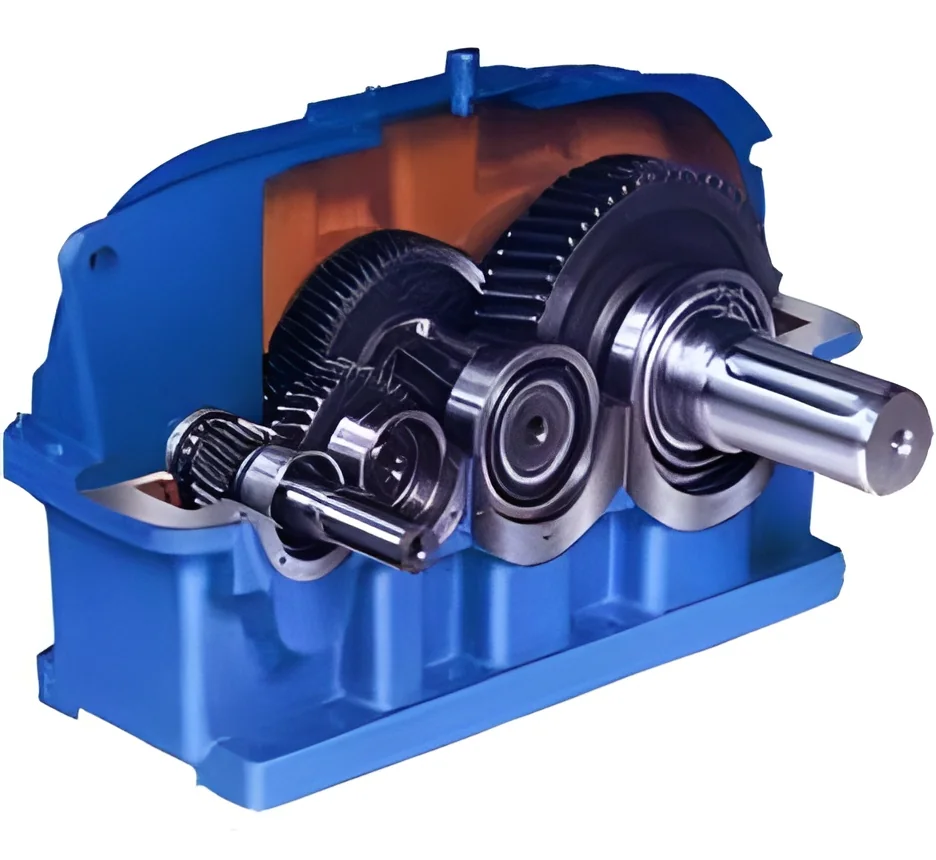
Industrial Gear Couplings are precision-engineered mechanical components designed for the most demanding power transmission challenges. They connect two rotating shafts to efficiently transfer high levels of torque while simultaneously accommodating inevitable shaft misalignments—angular, parallel, and axial. The core design features two hubs with external gear teeth that mesh precisely with the internal teeth of a connecting sleeve, creating a robust yet forgiving connection. This configuration is renowned for its exceptional torque density, durability, and minimal rotational backlash, ensuring smooth, uninterrupted power flow. Engineered with high-grade materials and often featuring heat-treated gear teeth, these couplings are built to deliver reliable performance where failure is not an option, safeguarding expensive downstream equipment.

These high-torque gear couplings are the backbone of numerous heavy industries. In manufacturing and processing, they are vital for driving rolli...
Industrial Gear Couplings are precision-engineered mechanical components designed for the most demanding power transmission challenges. They connect two rotating shafts to efficiently transfer high levels of torque while simultaneously accommodating inevitable shaft misalignments—angular, parallel, and axial. The core design features two hubs with external gear teeth that mesh precisely with the internal teeth of a connecting sleeve, creating a robust yet forgiving connection. This configuration is renowned for its exceptional torque density, durability, and minimal rotational backlash, ensuring smooth, uninterrupted power flow. Engineered with high-grade materials and often featuring heat-treated gear teeth, these couplings are built to deliver reliable performance where failure is not an option, safeguarding expensive downstream equipment.

These high-torque gear couplings are the backbone of numerous heavy industries. In manufacturing and processing, they are vital for driving rolling mills in steel plants, powering extruders in plastics production, and operating heavy presses and machine tools. The mining and aggregates sector relies on them to withstand the punishing loads and abrasive environments of crushers, screens, and long-haul conveyor systems. Power generation facilities utilize them to connect turbines to generators and to drive critical pumps and fans. Furthermore, the marine industry depends on their robustness for main propulsion systems and essential auxiliary machinery on vessels, where reliability directly impacts safety and operational continuity. Their versatility makes them suitable for both high-speed and high-torque applications across these diverse fields.

Choosing the right industrial gear coupling delivers tangible business value by maximizing operational uptime and protecting capital investment. A reliable coupling minimizes unexpected breakdowns, reduces maintenance frequency, and extends the service life of connected motors, gearboxes, and driven equipment. This directly translates to lower total cost of ownership, higher productivity, and reduced risk of costly production stoppages. Their ability to compensate for misalignment also prevents premature bearing and seal failures in connected machinery. For procurement specialists and plant managers, investing in these durable couplings means securing a component that contributes to predictable, efficient, and profitable operations, making it a strategic decision for long-term operational stability.

Key Features:
- Engineered for high torque capacity to handle the most demanding industrial loads.
- Effectively compensates for angular, parallel, and axial shaft misalignments.
- Durable construction with precision-machined, often heat-treated gear teeth for extended service life.
- Designed with minimal backlash to ensure smooth, efficient power transmission and precise motion control.
- Robust housing and sealing options protect internal components from contaminants like dust and moisture.

Benefits:
- Enhances operational reliability by reducing unplanned downtime and machinery failures.
- Protects expensive connected equipment from damage caused by vibration and misalignment.
- Delivers long service life with minimal maintenance, lowering total operating costs.
- Ensures efficient power transmission, which can contribute to energy savings in high-power applications.
- Provides a dependable and proven solution for critical power transmission needs in harsh environments.
Specifications
| Additional Information | |
|---|---|
| Country of Origin | India |
Application
Industrial gear couplings are engineered to connect rotating shafts in demanding environments, transmitting high torque while compensating for angular, parallel, and axial misalignments. Their robust construction ensures reliable power transfer in critical applications, minimizing vibration and wear to protect connected equipment like motors, pumps, and compressors from damage. This leads to smoother operation and reduced unplanned downtime.
These couplings are indispensable across heavy industries where equipment failure is costly. They are built to withstand extreme loads, shock loads, and harsh conditions found in steel plants, cement production, mining operations, and marine propulsion systems. Their design prioritizes longevity and consistent performance, ensuring continuous operation even under the most strenuous use cycles. This makes them a trusted component for mission-critical power transmission needs.
- Connecting high-power motors to pumps and fans in power generation and water treatment plants.
- Transmitting torque in conveyor systems and material handling equipment within manufacturing and logistics facilities.
- Driving crushers, mills, and screens in mining and aggregate processing operations under abrasive conditions.
- Enabling power transfer in rolling mills, extruders, and heavy machine tools for metal and plastic production.
- Serving as critical links in marine propulsion systems and onboard auxiliary machinery for ships and offshore platforms.
Trade Details
| Available Stock | In Stock |
| Sample Availability | No |
Payment Terms
| Payment Terms |
|
Company Profile

Bhumi Enterprise, Maharashtra
 Maharashtra, India
Tools & Hardware•Manufacturer•Trading Company•Distributor / Wholesaler
Factory Details
Factory SizeBelow 1000 sqm
Annual Production Capacity0
Main Markets
Domestic
Industrial Gear Couplings High Torque Misalignment Compensation
Industrial Gear Couplings deliver high torque transmission with superior misalignment compensation for heavy-duty manufacturing, mining, and power generation machinery. Engineered for reliability.
Min. Order Quantity: 1 unit
Shipping
Shipping fee and delivery date to be negotiated. Contact supplier now for more details.
Bhumi Enterprise
 Maharashtra, India
Tools & HardwareManufacturer