IN
IN₹
Apparel & Fashion
Loading subcategories...
View More
Description
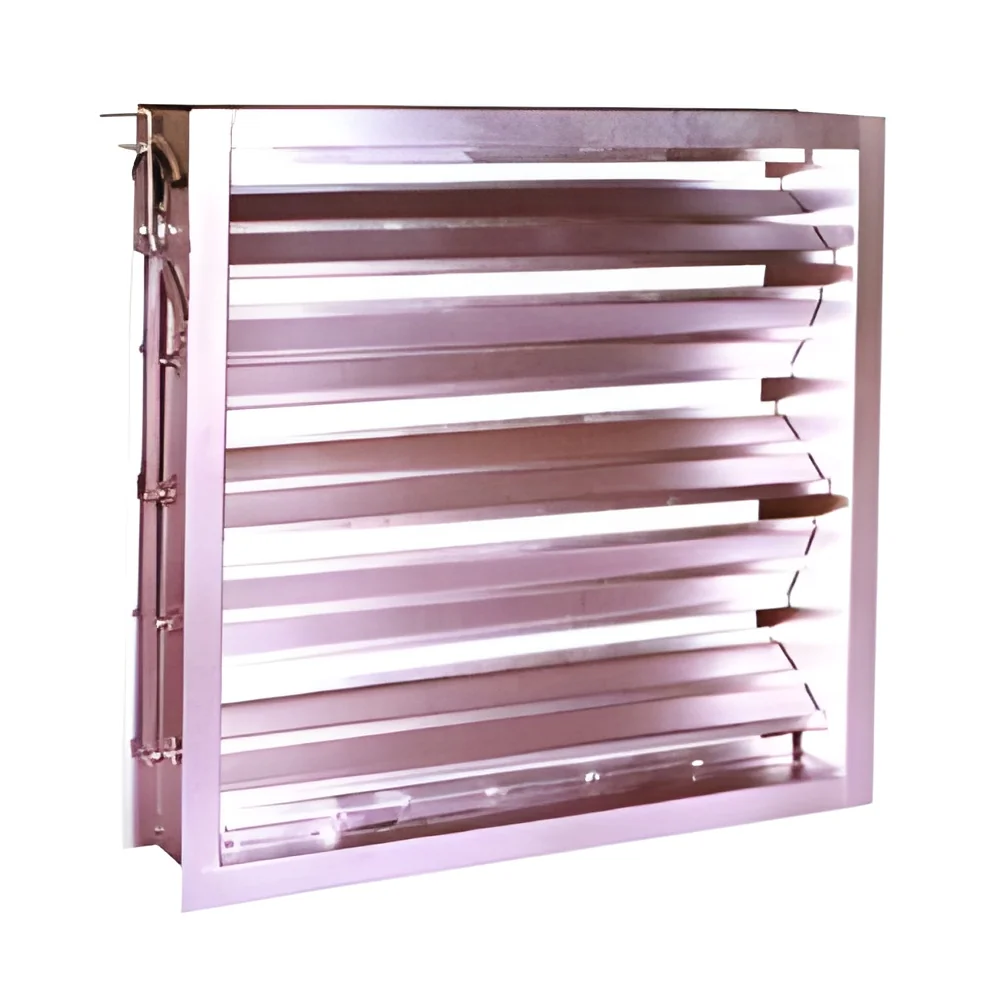
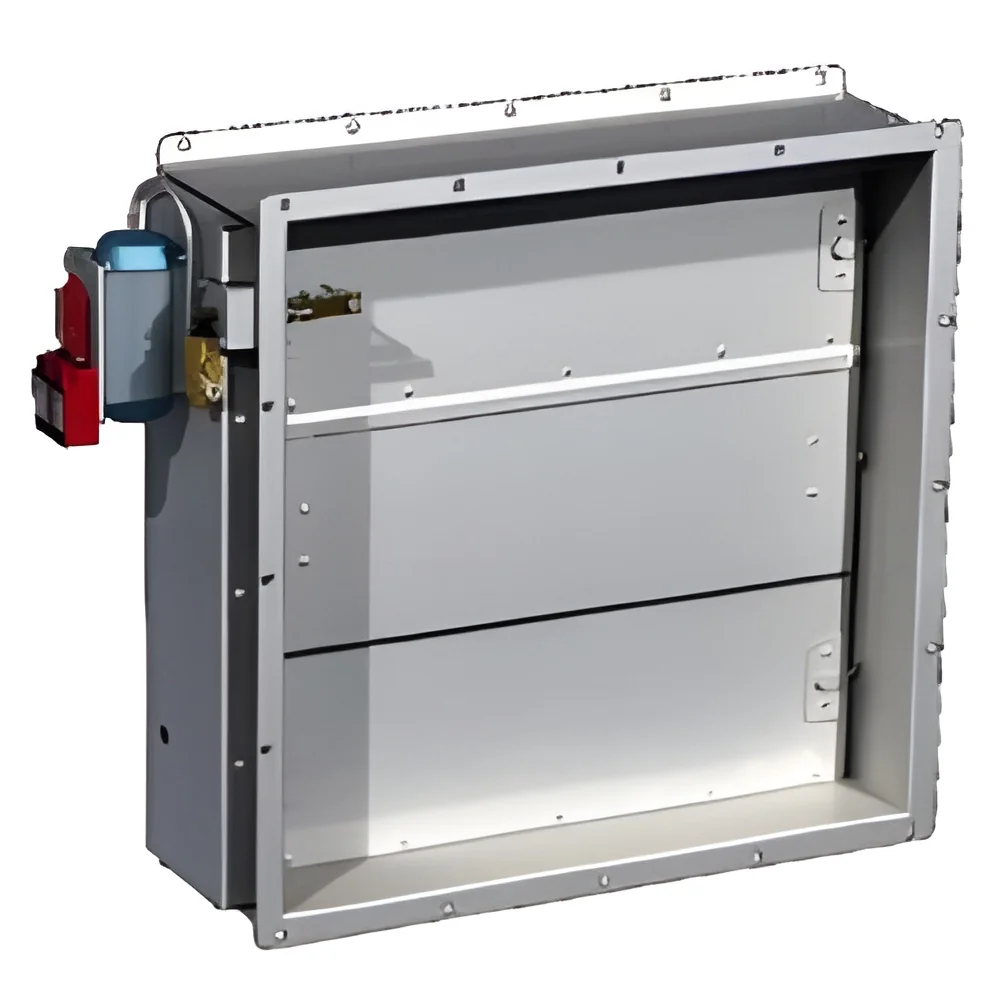
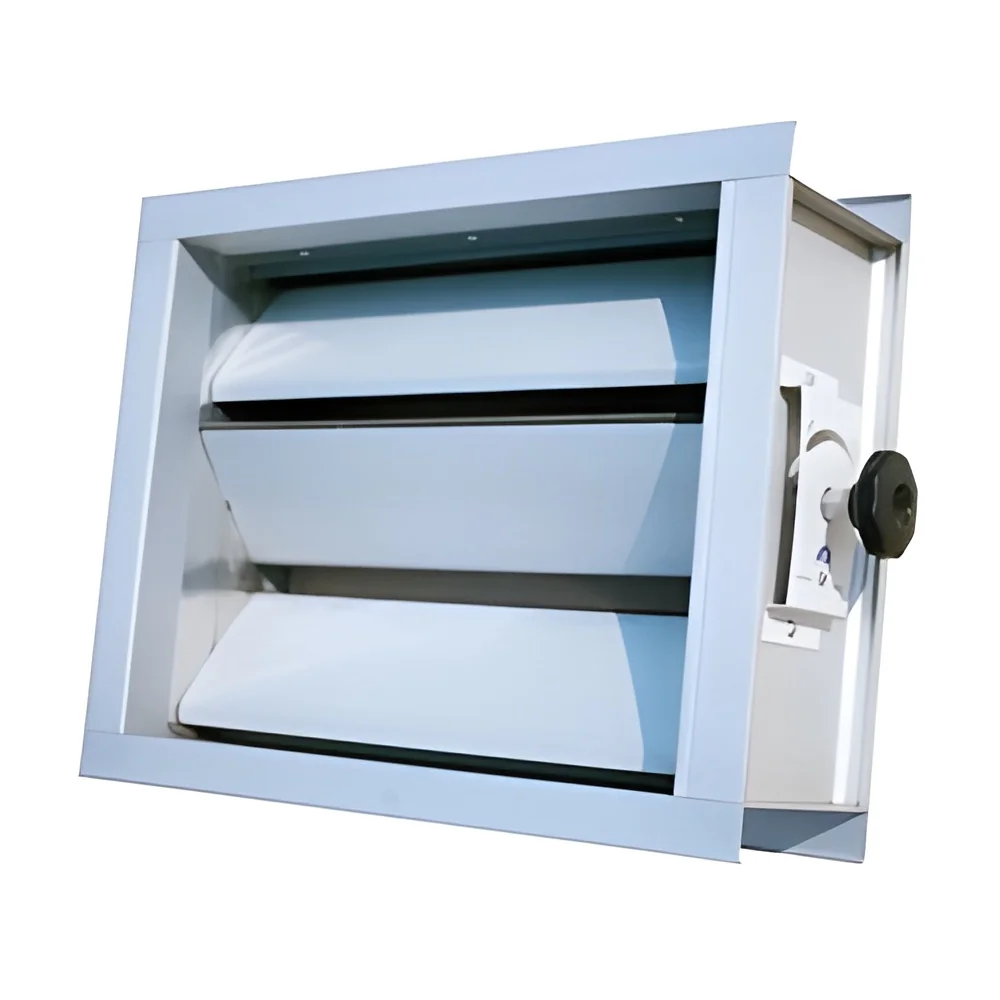
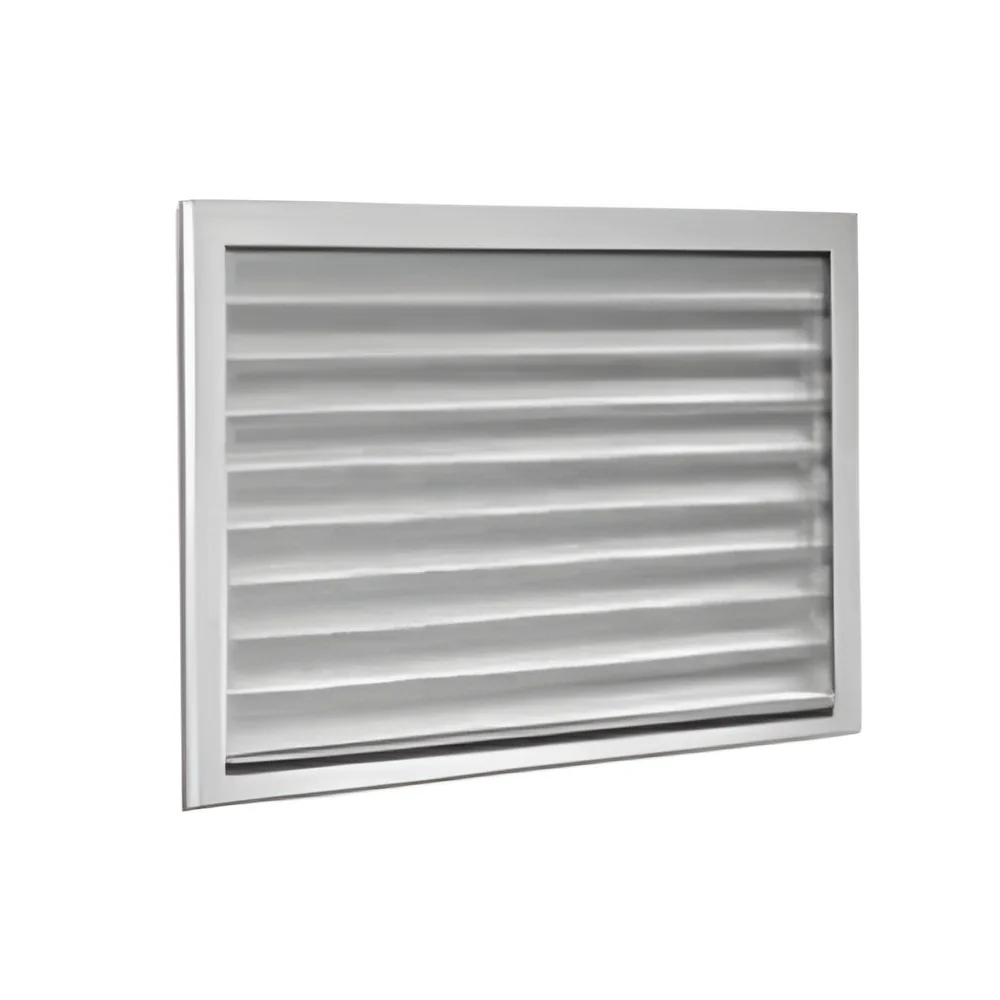
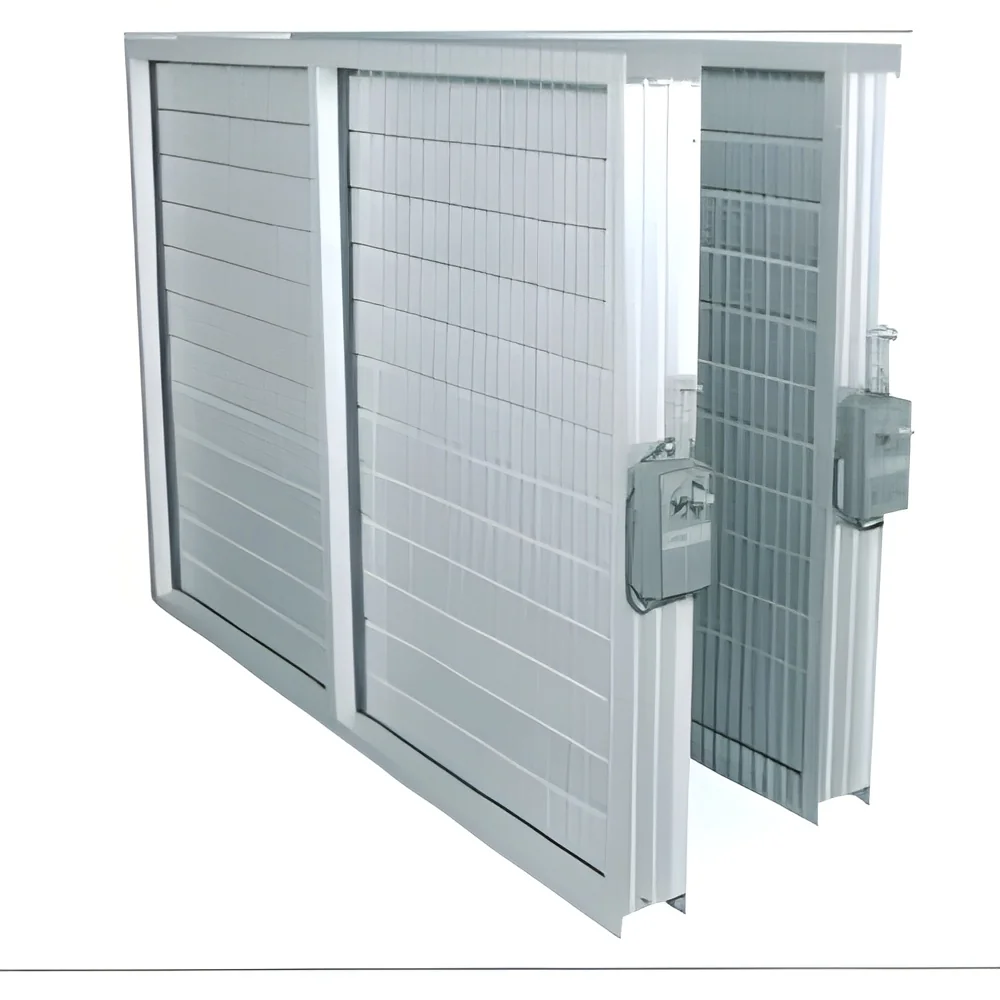
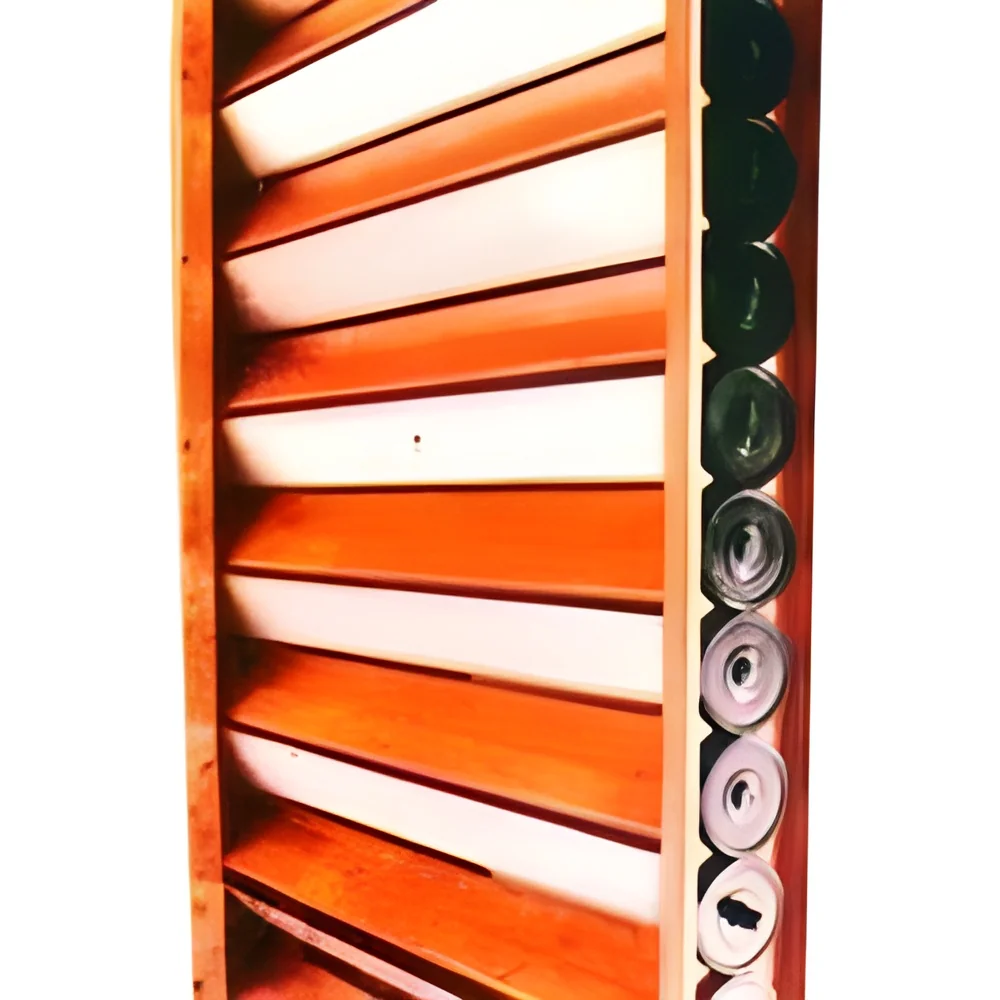
Our motorized fresh air dampers represent precision engineering for modern HVAC ventilation requirements. These components provide automated control of outside air intake, ensuring buildings receive the exact amount of fresh air needed for occupant health and comfort while preventing energy waste. Manufactured from high-grade materials with tight-sealing blades, they deliver reliable performance across temperature extremes and operating conditions. The motorized operation allows for integration with building automation systems, enabling scheduled ventilation, demand-controlled ventilation strategies, and seamless coordination with heating and cooling equipment. This intelligent airflow management transforms basic ventilation into an optimized system component that contributes to overall building performance.

These dampers serve essential functions across multiple sectors where air quality and energy management intersect. In commercial real estate, they help building owners meet ASHRAE...
Our motorized fresh air dampers represent precision engineering for modern HVAC ventilation requirements. These components provide automated control of outside air intake, ensuring buildings receive the exact amount of fresh air needed for occupant health and comfort while preventing energy waste. Manufactured from high-grade materials with tight-sealing blades, they deliver reliable performance across temperature extremes and operating conditions. The motorized operation allows for integration with building automation systems, enabling scheduled ventilation, demand-controlled ventilation strategies, and seamless coordination with heating and cooling equipment. This intelligent airflow management transforms basic ventilation into an optimized system component that contributes to overall building performance.

These dampers serve essential functions across multiple sectors where air quality and energy management intersect. In commercial real estate, they help building owners meet ASHRAE ventilation standards while controlling operational costs. Healthcare facilities depend on them for maintaining proper pressure relationships and air changes in critical care areas. Educational institutions utilize dampers to ensure adequate ventilation in classrooms, supporting student health and cognitive performance. Industrial applications include manufacturing facilities where they manage makeup air for exhaust systems and maintain proper environmental conditions. Residential builders incorporate them into high-performance homes to achieve energy efficiency targets without compromising indoor air quality, making them versatile solutions for virtually any building type.

The business value of these motorized fresh air dampers centers on their reliability, efficiency, and long-term performance. They reduce energy costs by preventing over-ventilation while ensuring compliance with indoor air quality regulations. Their durable construction minimizes maintenance requirements and extends service life, providing excellent return on investment. The precise motorized control allows for optimization of ventilation rates based on occupancy and outdoor conditions, further enhancing energy savings. By ensuring proper fresh air introduction, they protect HVAC equipment from issues caused by pressure imbalances and support overall system longevity. These factors combine to deliver measurable value through reduced operational expenses, improved occupant satisfaction, and simplified compliance with building standards.

Key Features:
- Motorized operation enables precise, automated airflow control and integration with building management systems
- Universal compatibility with electric, gas, oil, heat pump, and hydronic HVAC systems for versatile application
- High-quality construction using durable materials ensures reliable performance in demanding environments
- Tight-sealing blade design minimizes air leakage for optimal energy efficiency and performance
- Designed for seamless integration with existing and new HVAC installations across various building types

Benefits:
- Reduces energy consumption by preventing over-ventilation and optimizing fresh air intake based on actual needs
- Improves indoor air quality through consistent, controlled ventilation that meets health and safety standards
- Lowers operational costs through reduced heating and cooling loads associated with ventilation air
- Minimizes maintenance requirements with durable construction and reliable motorized components
- Enhances overall HVAC system performance by maintaining proper air balance and pressure relationships
Specifications
| Additional Information | |
|---|---|
| Country of Origin | India |
| Customisable | No |
Application
Motorized fresh air dampers are engineered for precise ventilation management in diverse environments. They automatically regulate outside air intake based on system demands, maintaining consistent indoor air quality while preventing energy waste. Their robust design ensures reliable operation in varying climate conditions and building types, from small offices to large industrial facilities.
These dampers seamlessly integrate with all major HVAC system types including electric, gas, oil-fired, heat pump, and hydronic configurations. This universal compatibility makes them suitable for both new construction projects and retrofit applications. Facility managers and HVAC contractors value their consistent performance in maintaining proper ventilation rates as required by modern building codes and indoor air quality standards.
- Commercial office buildings use these dampers to maintain optimal indoor air quality while minimizing energy consumption through controlled ventilation.
- Healthcare facilities implement them in patient rooms and surgical areas to ensure clean, regulated airflow for infection control and comfort.
- Educational institutions install dampers in classrooms and auditoriums to provide adequate fresh air ventilation for student health and concentration.
- Manufacturing plants utilize these components to manage air exchange in production areas, controlling temperature and removing contaminants.
- Residential apartment complexes and hotels employ dampers to ensure proper ventilation in individual units while maintaining overall building energy efficiency.
Trade Details
| Available Stock | In Stock |
| Sample Availability | No |
Payment Terms
| Payment Terms |
|
Company Profile
Balaji Enterprises, New Delhi
 New Delhi, India
New Delhi, IndiaConstruction•Manufacturer
Factory Details
Factory SizeBelow 1000 sqm
Annual Production Capacity0
HVAC Systems Motorized Fresh Air Dampers For Precise Airflow Control
HVAC Systems Motorized Fresh Air Dampers provide precise airflow control for commercial, industrial, and residential ventilation. These reliable dampers integrate with electric, gas, oil, heat pump, and hydronic systems to ensure optimal indoor air quality and energy efficiency.
Min. Order Quantity: 1 unit
Shipping
Shipping fee and delivery date to be negotiated. Contact supplier now for more details.
Balaji Enterprises
 New Delhi, India
New Delhi, IndiaConstructionManufacturer