IN
IN₹
Apparel & Fashion
Loading subcategories...
View More
Description
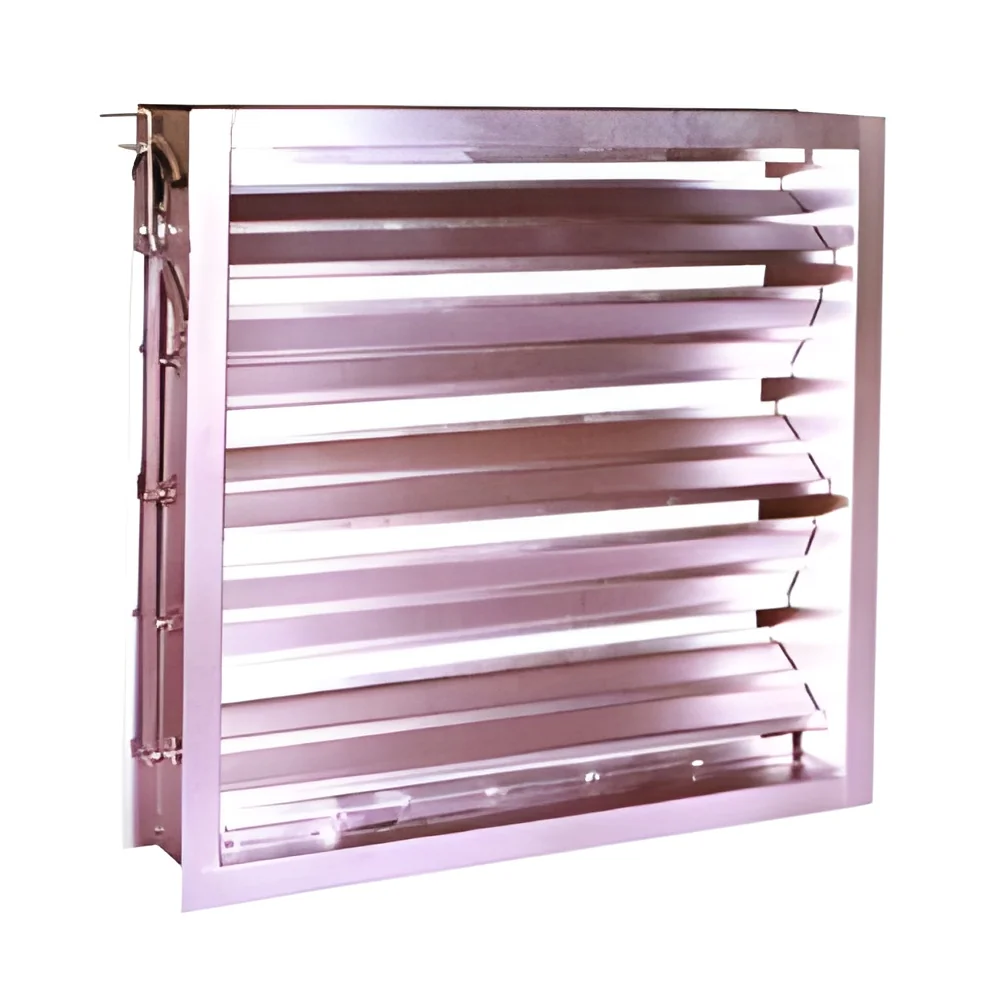
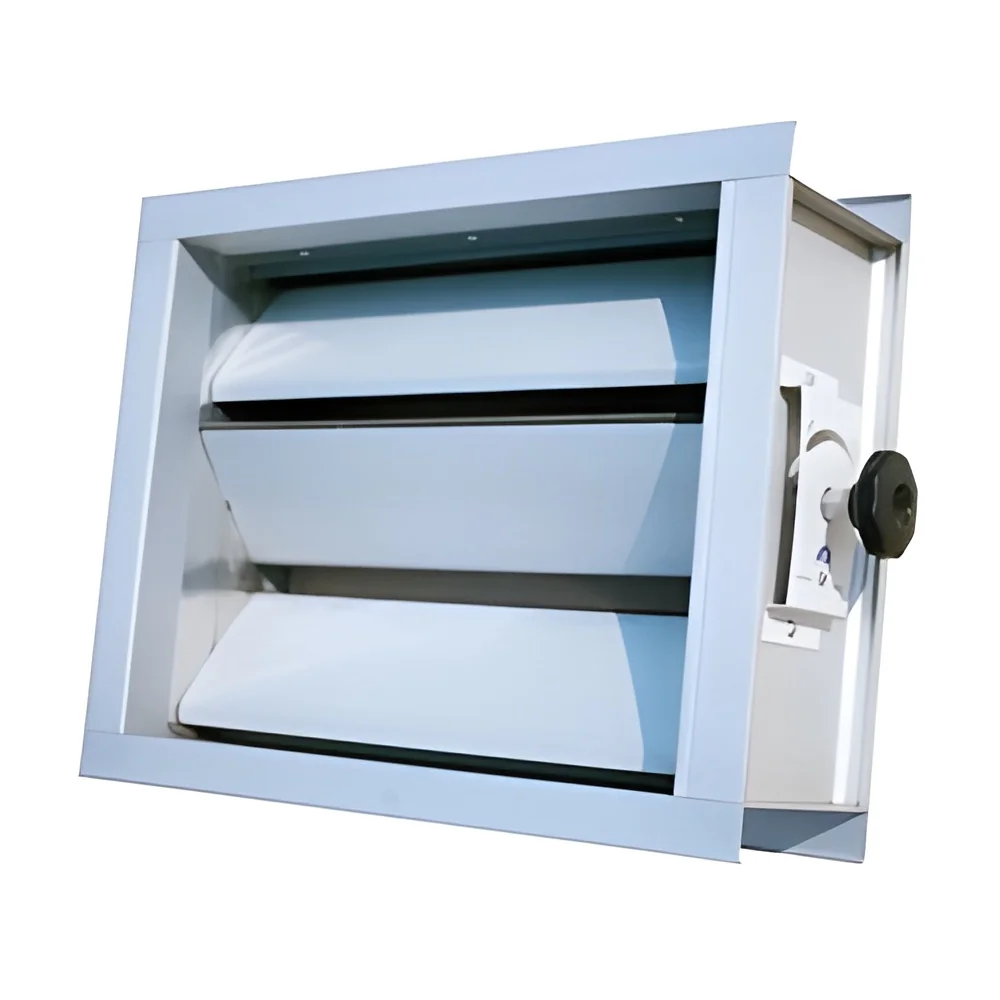
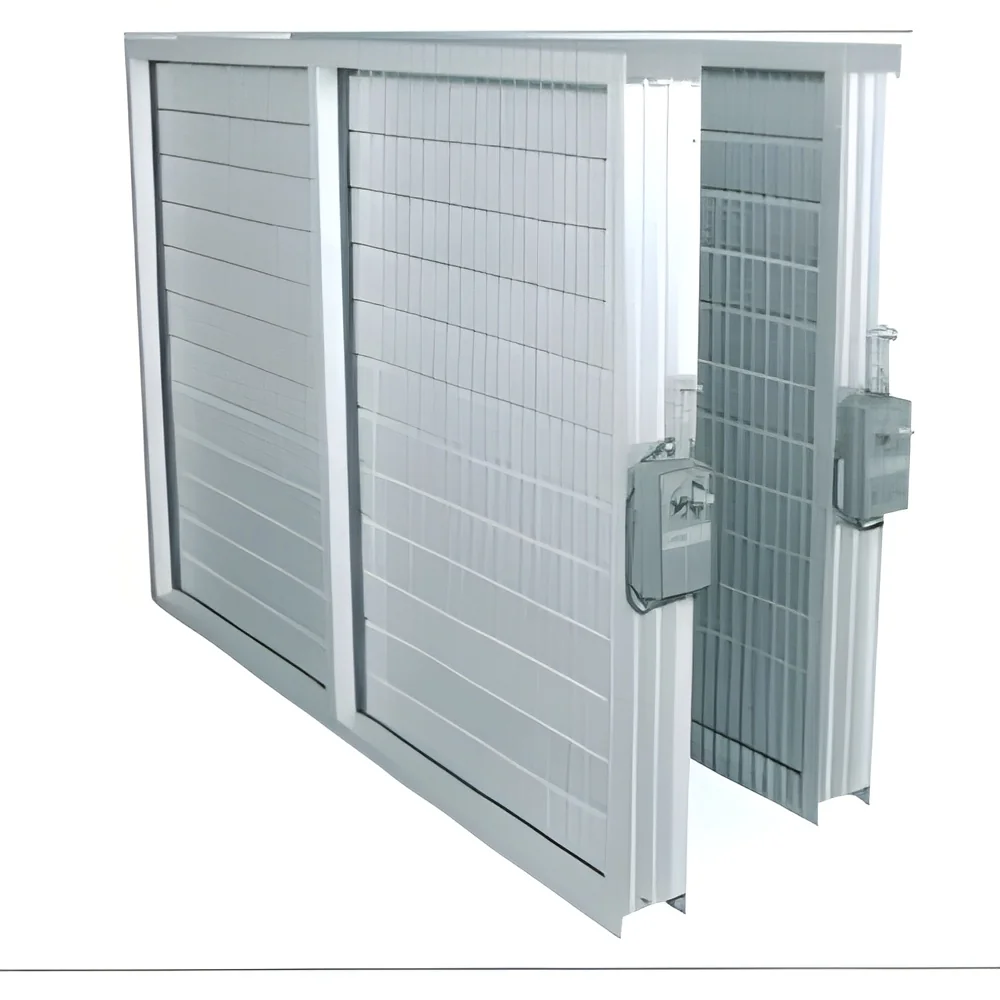
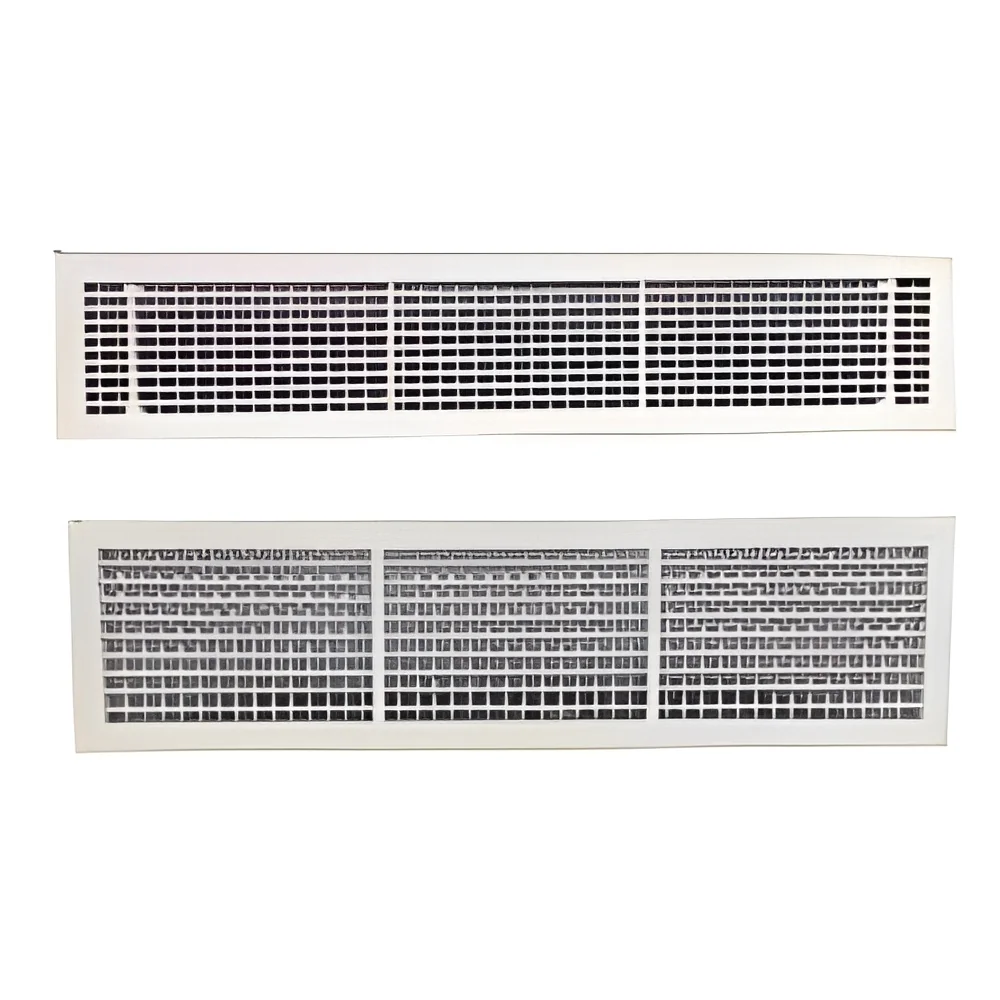
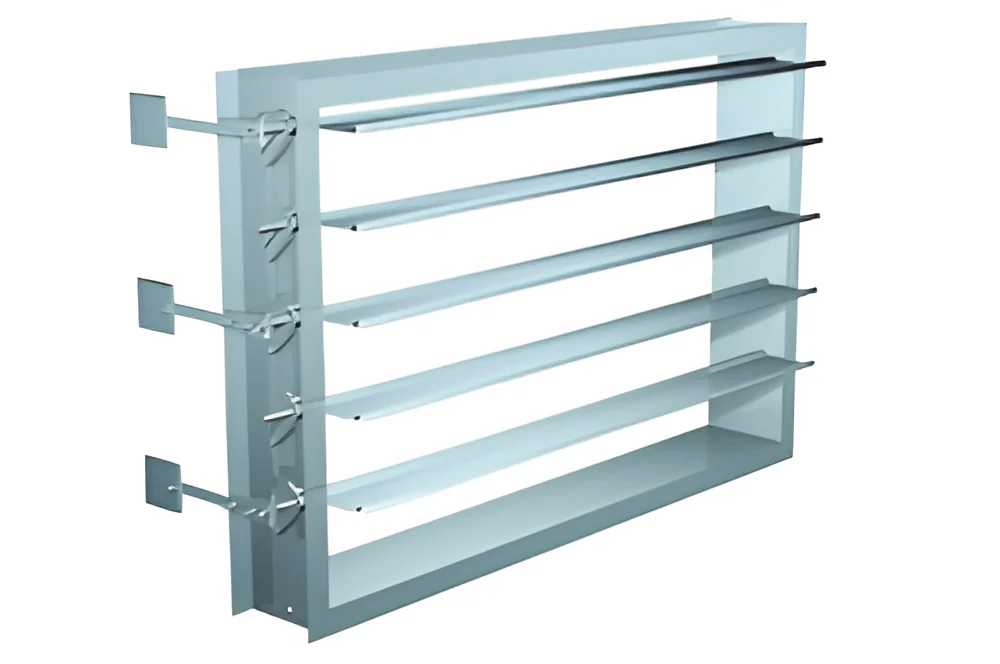
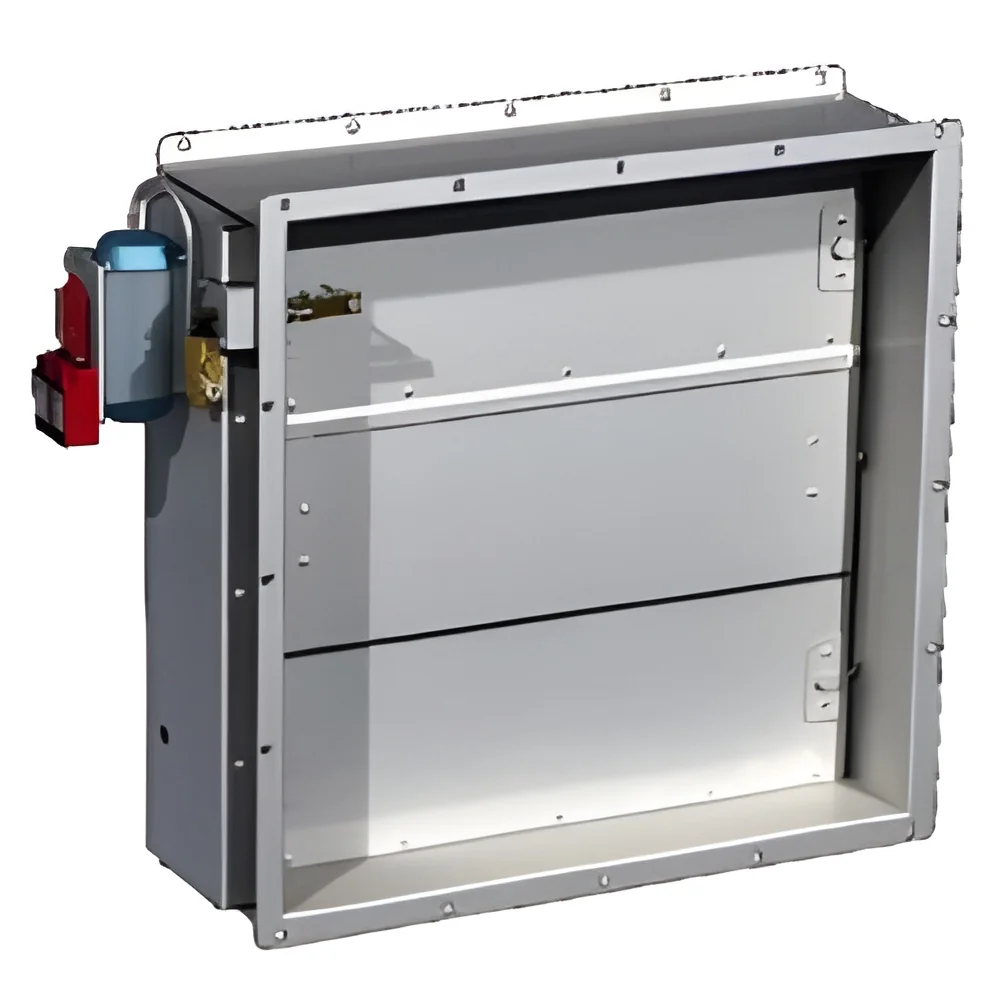
Our commercial HVAC motorized fire dampers with flat V-type blades represent advanced fire safety engineering for modern building ventilation systems. These dampers feature a distinctive flat V-type blade design that creates superior sealing compared to conventional flat blades, ensuring complete closure when activated. Constructed with 16 SWG galvanized iron for both blades and frame, they offer exceptional durability in demanding HVAC environments. The integration of self-lubricating bronze bushes and blades minimizes maintenance requirements while ensuring smooth, reliable operation when needed most. Chrome-plated spindles and fully enclosed stainless steel linkage mechanisms provide corrosion resistance and long-term performance reliability. These components work together to create an effective barrier against both smoke penetration and fire spread through ventilation ducts, automatically activating upon fire detection to compartmentalize affected areas. These motorized fire damper...
Our commercial HVAC motorized fire dampers with flat V-type blades represent advanced fire safety engineering for modern building ventilation systems. These dampers feature a distinctive flat V-type blade design that creates superior sealing compared to conventional flat blades, ensuring complete closure when activated. Constructed with 16 SWG galvanized iron for both blades and frame, they offer exceptional durability in demanding HVAC environments. The integration of self-lubricating bronze bushes and blades minimizes maintenance requirements while ensuring smooth, reliable operation when needed most. Chrome-plated spindles and fully enclosed stainless steel linkage mechanisms provide corrosion resistance and long-term performance reliability. These components work together to create an effective barrier against both smoke penetration and fire spread through ventilation ducts, automatically activating upon fire detection to compartmentalize affected areas.

These motorized fire dampers serve critical roles across multiple sectors where fire safety regulations and occupant protection are non-negotiable. Commercial building developers incorporate them into office towers, retail complexes, and hospitality venues to meet stringent building codes and insurance requirements. Healthcare facilities rely on them to maintain smoke-free evacuation routes and protect sensitive areas like operating theaters and intensive care units from contamination. Industrial plants utilize them to prevent fire propagation between different manufacturing or storage zones, while technology centers install them to safeguard server rooms and telecommunications infrastructure. Educational institutions, government buildings, and transportation hubs integrate these dampers as essential components of comprehensive life safety systems, ensuring compliance with national fire protection standards across diverse operational environments.

The investment in these motorized fire dampers delivers substantial business value through enhanced safety, regulatory compliance, and operational efficiency. Their reliable performance ensures continuous protection throughout the building lifecycle, with self-lubricating components reducing maintenance frequency and costs. The robust galvanized iron construction provides corrosion resistance that extends service life even in challenging environmental conditions. These dampers minimize false operations through precise engineering while ensuring consistent activation during genuine emergencies, protecting both human lives and valuable assets. This reliability can contribute to reduced insurance premiums through demonstrated safety measures while enhancing property values and demonstrating commitment to occupant welfare. The design allows for integration with various control systems, providing flexibility for different project requirements without compromising safety performance.

Key Features:
- Flat V-type blade design creates superior sealing compared to conventional flat blades for complete fire and smoke containment.
- 16 SWG galvanized iron construction for both blades and frame ensures exceptional durability and corrosion resistance.
- Self-lubricating bronze bushes and blades require minimal maintenance while ensuring smooth, reliable operation when activated.
- Chrome-plated spindle and fully enclosed stainless steel linkage mechanism provide corrosion resistance and long-term performance reliability.
- Stainless steel side seal gaskets offer complete protection against smoke and fire penetration through damper interfaces.

Benefits:
- Reliable automatic closure upon fire detection provides critical barrier functions without requiring manual intervention.
- Durable construction with corrosion-resistant materials ensures long service life even in demanding HVAC environments.
- Low-maintenance design with self-lubricating components reduces operational costs and maintenance frequency.
- Effective smoke and fire containment helps maintain tenable conditions in escape routes during emergency situations.
- Compliance with fire safety standards supports regulatory requirements while demonstrating commitment to occupant safety.
Specifications
| Additional Information | |
|---|---|
| Country of Origin | India |
| Customisable | No |
Application
Motorized fire dampers with flat V-type blades are engineered for automatic closure upon fire detection, creating critical barriers within HVAC ductwork to prevent smoke and fire spread. Their robust 16 SWG galvanized iron construction and self-lubricating components ensure reliable operation even after extended periods of inactivity, making them essential for life safety systems where failure is not an option. These dampers integrate seamlessly with fire alarm panels and building management systems, providing automated response that exceeds manual intervention capabilities in emergency situations.
These safety components serve across facilities where strict fire code compliance and occupant protection are paramount. From healthcare environments requiring sterile air management to industrial facilities with complex ventilation networks, these dampers provide compartmentalization that limits fire damage and facilitates safe evacuation. Their design accommodates various duct sizes and configurations, offering flexibility for both new construction projects and retrofit applications in existing buildings seeking enhanced fire protection measures.
- Isolating fire-affected zones in hospital ventilation systems to maintain safe corridors for patient evacuation and protect critical care units.
- Containing smoke migration through HVAC ducts in high-rise office buildings, maintaining tenable conditions in escape routes during emergencies.
- Integrating with centralized fire detection systems in shopping complexes for immediate damper closure upon alarm activation.
- Protecting sensitive electronic equipment in data centers by preventing smoke infiltration through ventilation pathways.
- Establishing fire barriers between manufacturing areas in industrial plants to prevent cross-contamination of fire between production zones.
Trade Details
| Available Stock | In Stock |
| Sample Availability | No |
Payment Terms
| Payment Terms |
|
Company Profile
Balaji Enterprises, New Delhi
 New Delhi, India
New Delhi, IndiaConstruction•Manufacturer
Factory Details
Factory SizeBelow 1000 sqm
Annual Production Capacity0
Commercial HVAC Motorized Fire Dampers With Flat V Type Blades
Commercial HVAC motorized fire dampers with flat V-type blades provide reliable fire and smoke containment. Featuring 16 SWG GI construction and self-lubricating bronze bushes for durable, low-maintenance operation in critical safety systems.
Min. Order Quantity: 1 unit
Shipping
Shipping fee and delivery date to be negotiated. Contact supplier now for more details.
Balaji Enterprises
 New Delhi, India
New Delhi, IndiaConstructionManufacturer