IN
₹
Description
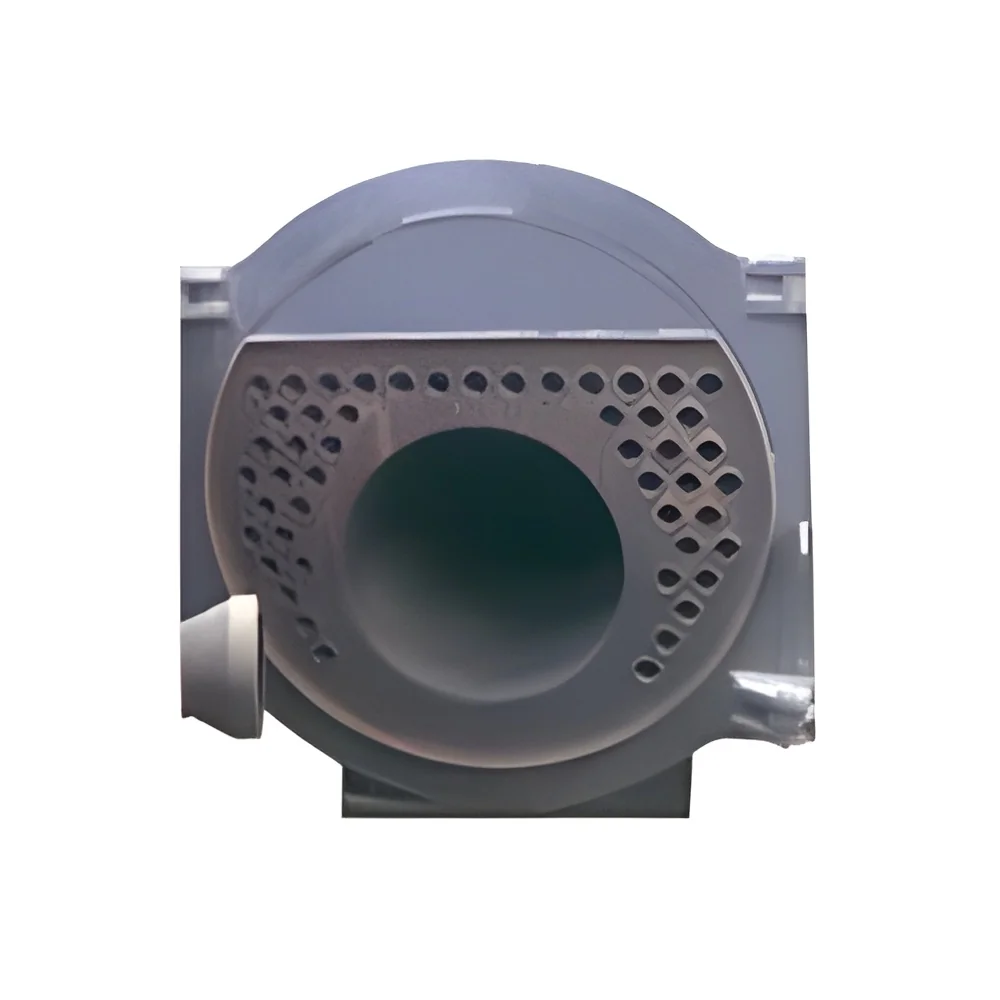
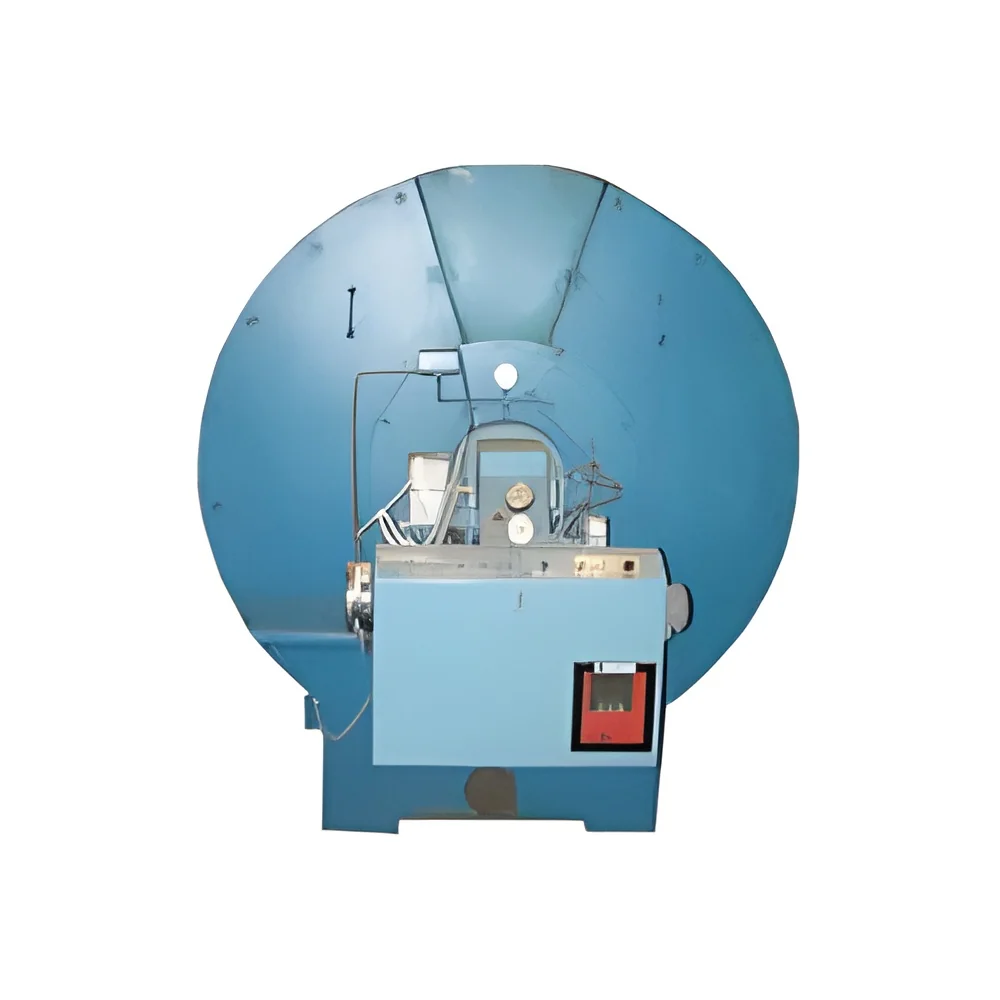
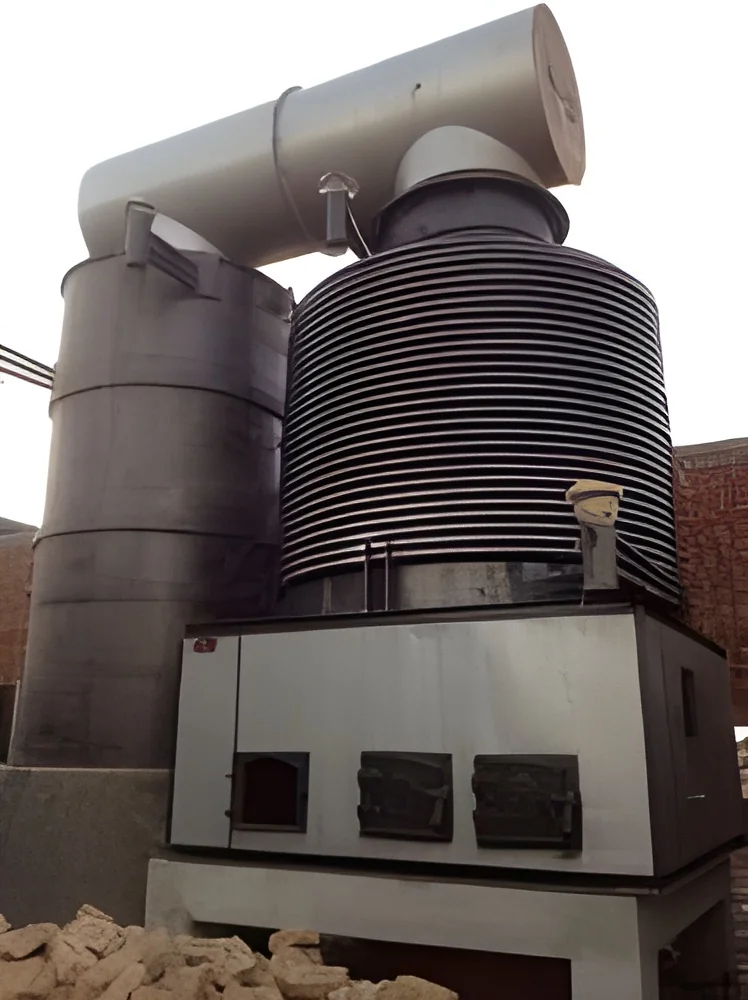
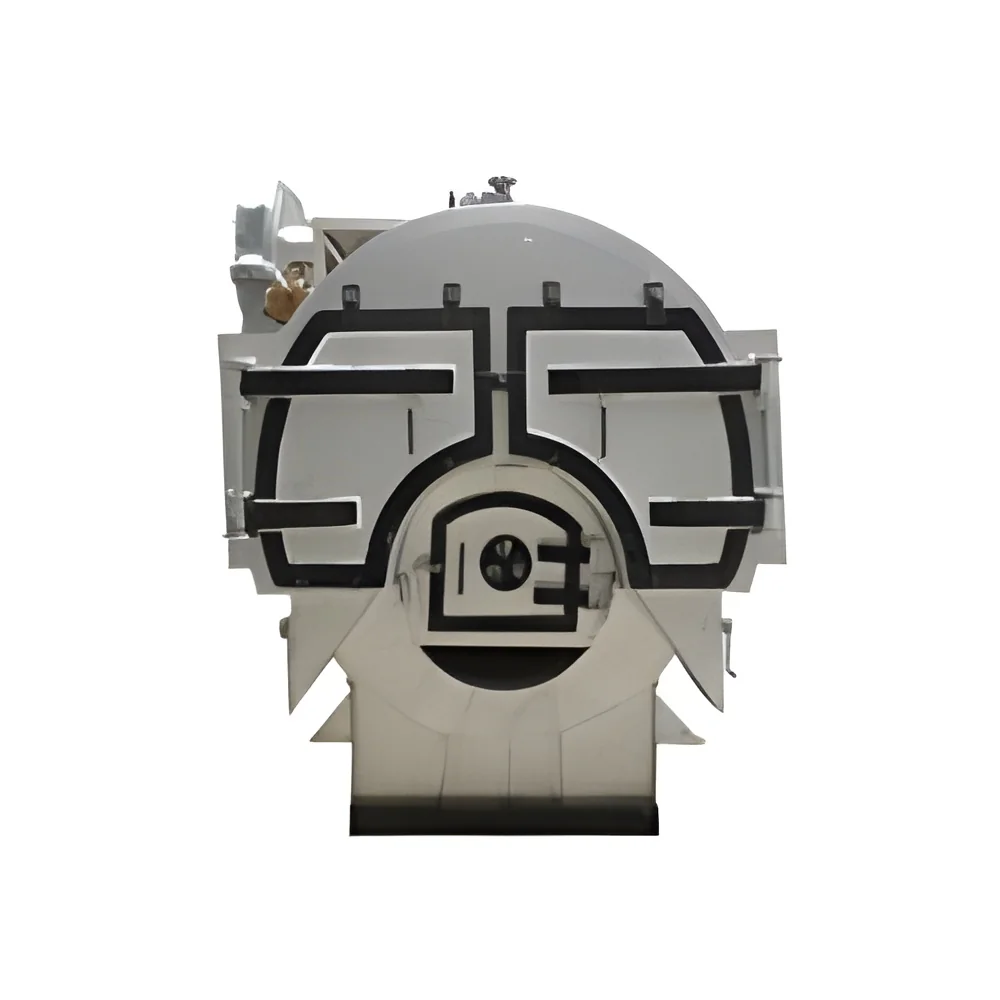
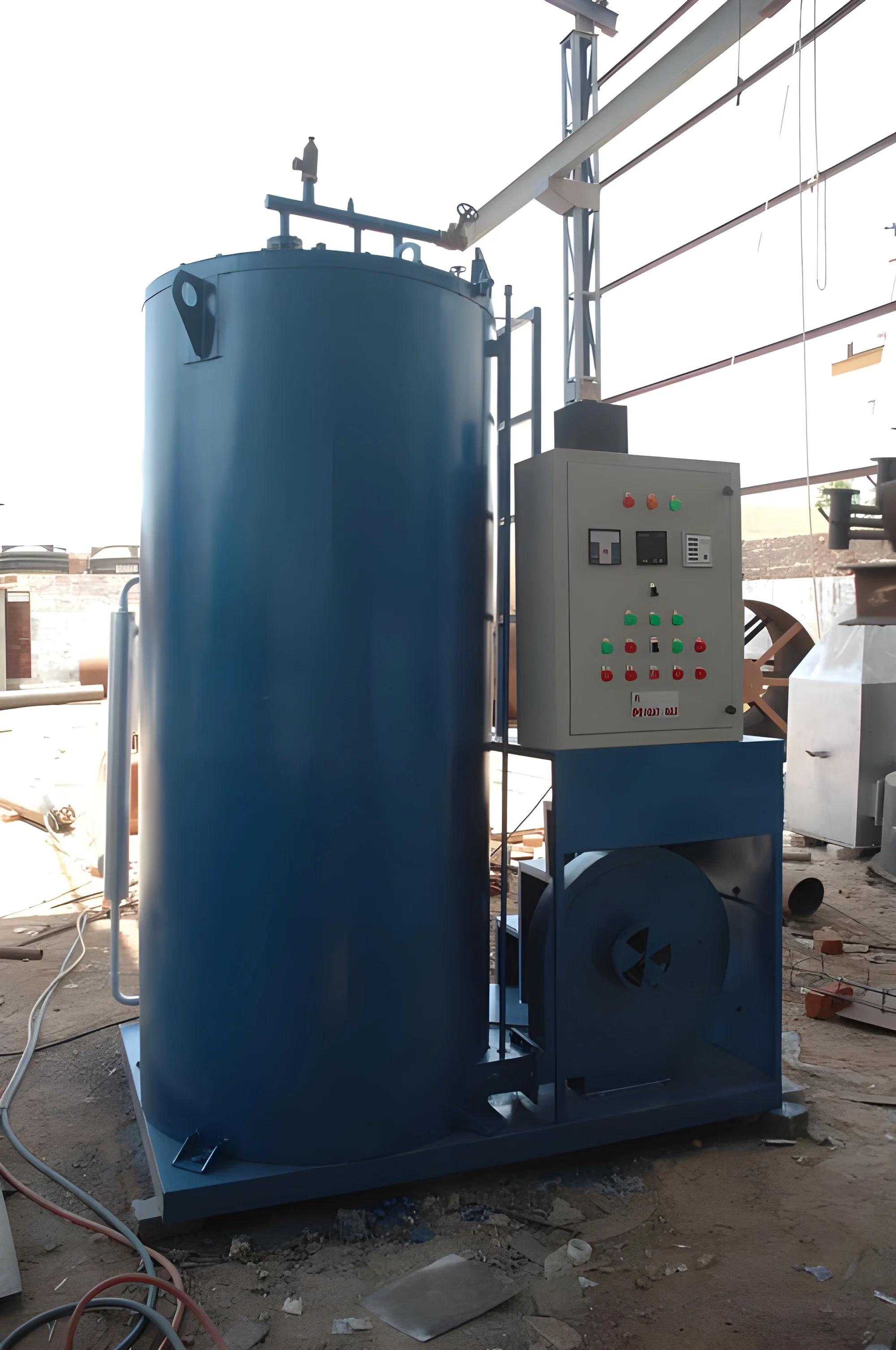
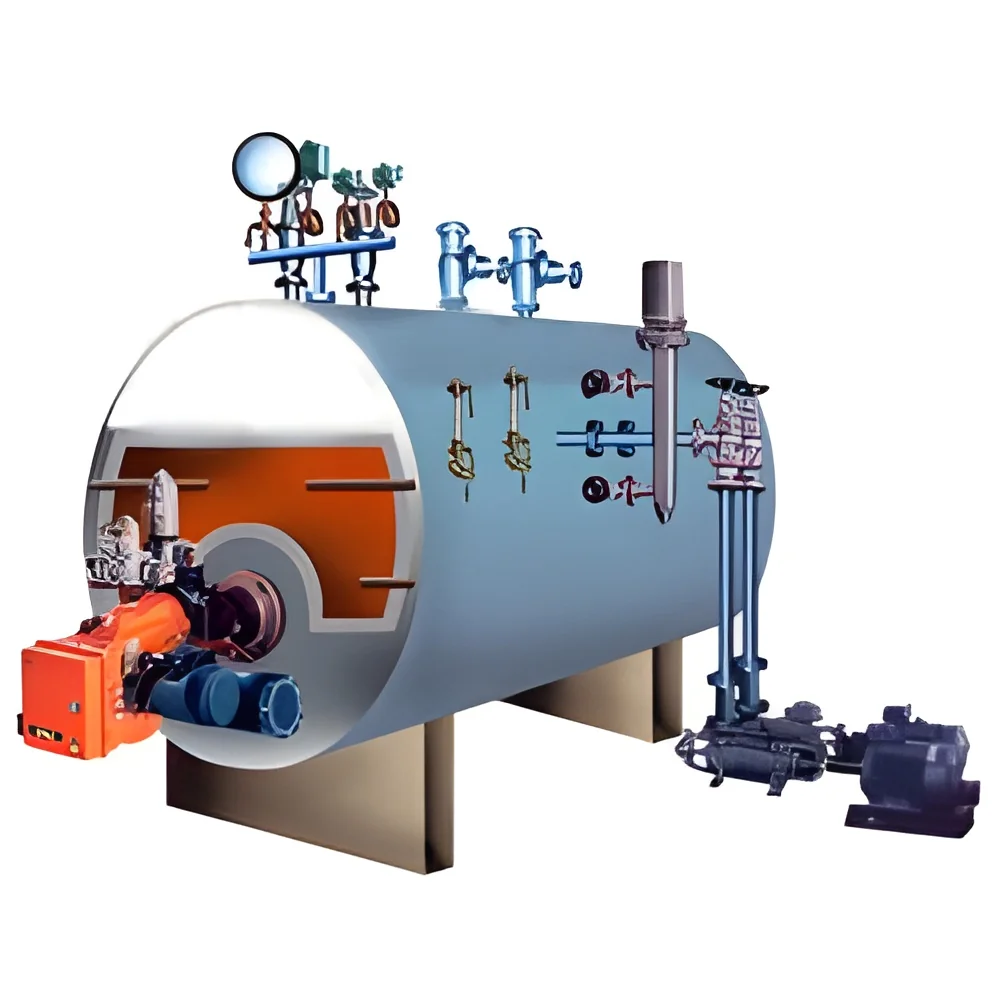
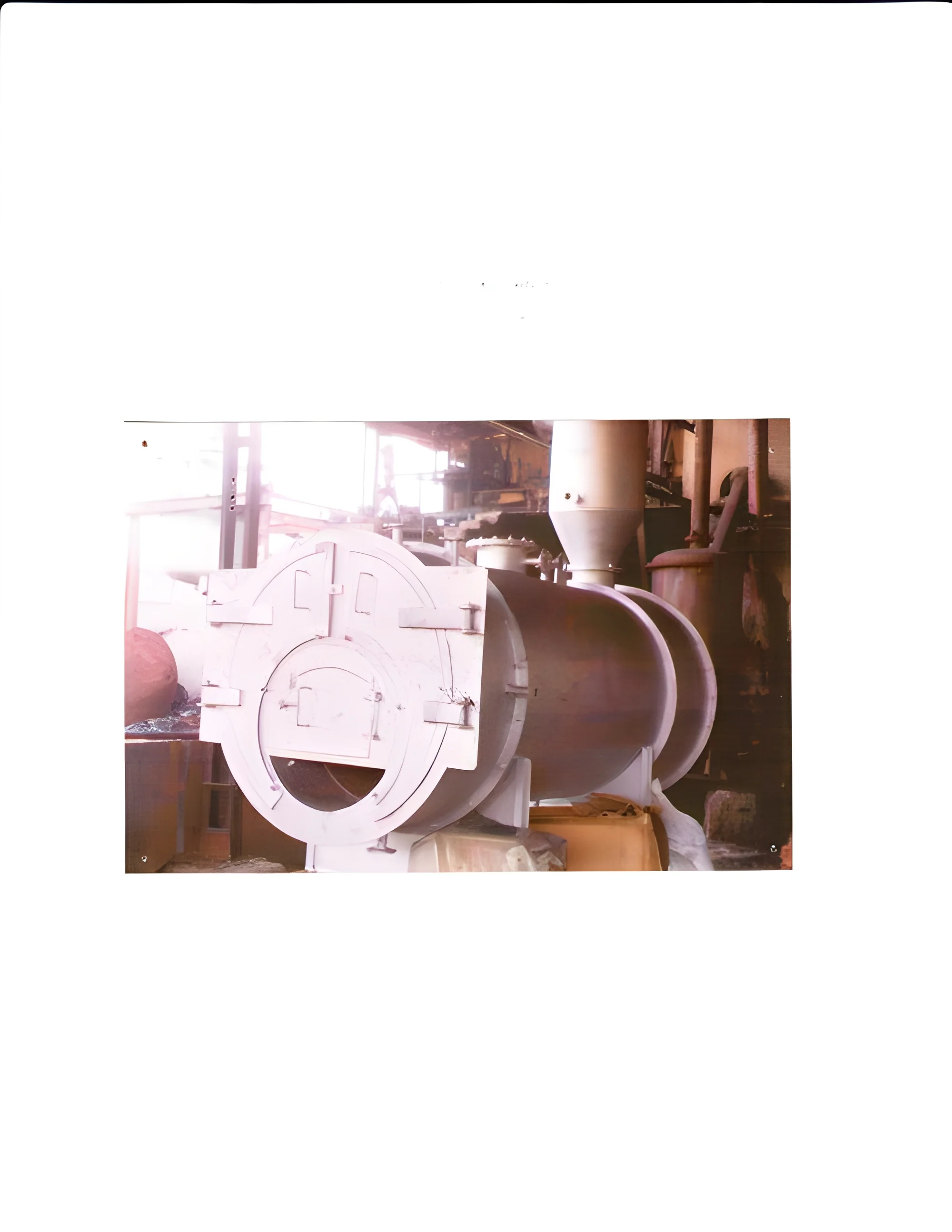
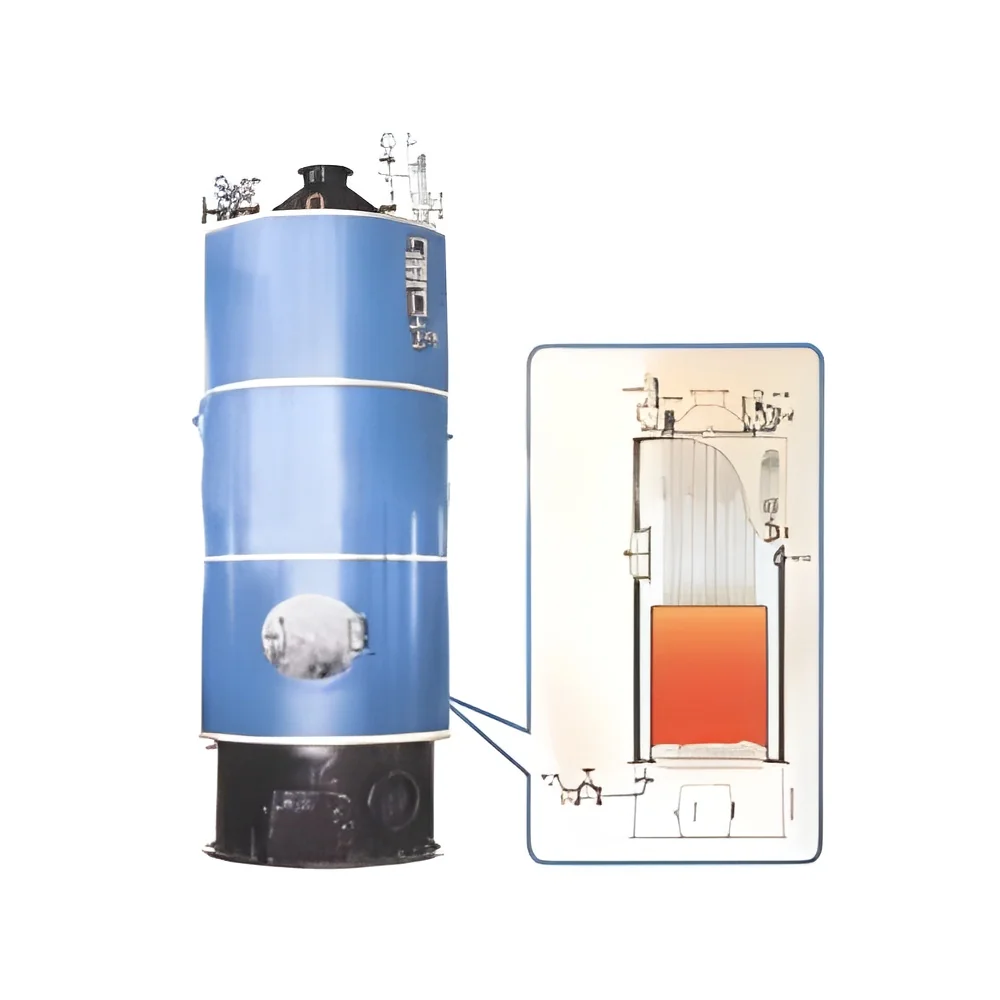
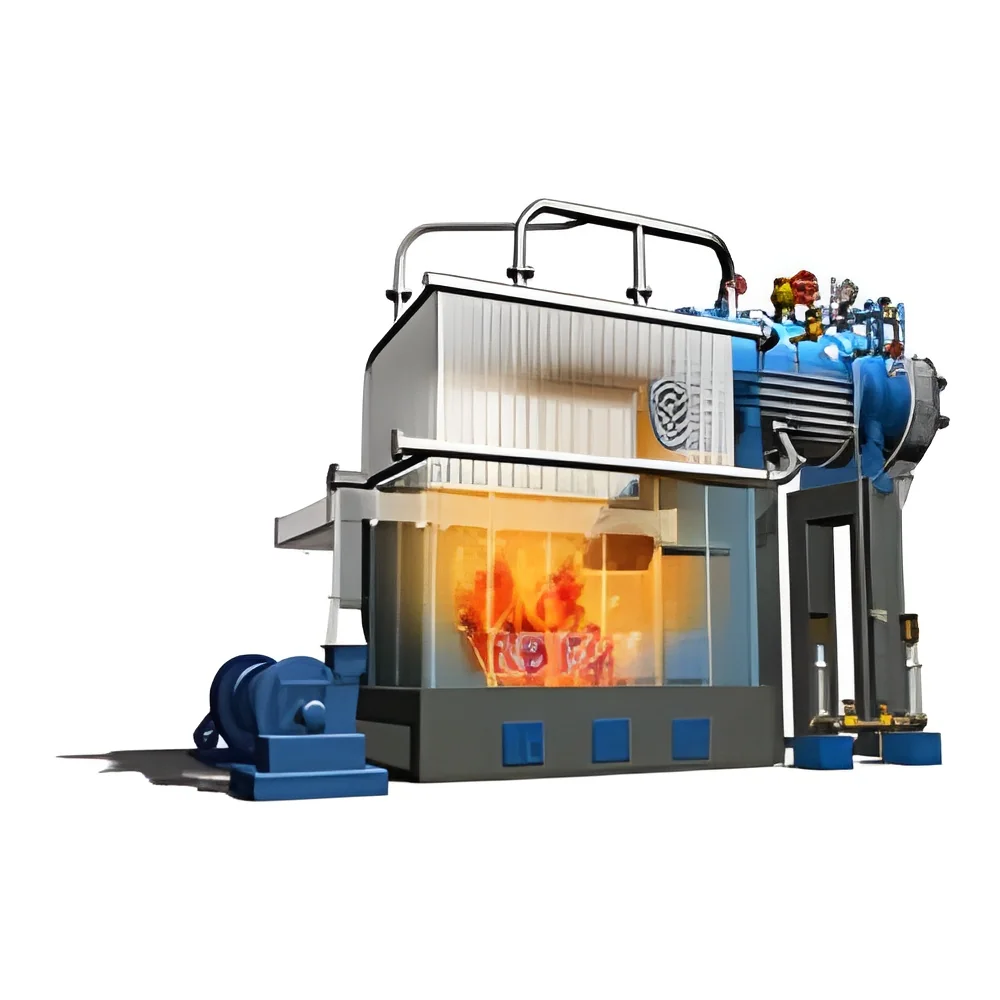
Industrial fluidized bed boilers represent advanced combustion technology engineered for efficient steam generation and thermal energy applications across various industrial sectors. These systems utilize a bed of solid particles suspended by upward-flowing gas, creating optimal conditions for heat transfer and complete fuel combustion. The technology ensures excellent temperature control and fuel burnout efficiency, accommodating diverse fuel types including coal, biomass, and alternative energy sources. With robust construction and intelligent engineering, these boilers deliver consistent performance while maintaining operational reliability under demanding industrial conditions, providing superior mixing and heat transfer characteristics compared to conventional boiler systems for higher efficiency and reduced operating costs.

These boilers serve multiple critical industries including power generation, manufacturing operations, chemical processing, and waste management facilities. ...
Industrial fluidized bed boilers represent advanced combustion technology engineered for efficient steam generation and thermal energy applications across various industrial sectors. These systems utilize a bed of solid particles suspended by upward-flowing gas, creating optimal conditions for heat transfer and complete fuel combustion. The technology ensures excellent temperature control and fuel burnout efficiency, accommodating diverse fuel types including coal, biomass, and alternative energy sources. With robust construction and intelligent engineering, these boilers deliver consistent performance while maintaining operational reliability under demanding industrial conditions, providing superior mixing and heat transfer characteristics compared to conventional boiler systems for higher efficiency and reduced operating costs.

These boilers serve multiple critical industries including power generation, manufacturing operations, chemical processing, and waste management facilities. Power generation plants implement them for electricity production using various fuel sources, while manufacturing facilities depend on them for consistent process steam requirements in production lines. The chemical industry leverages their precise temperature control capabilities for various manufacturing processes requiring specific thermal conditions. Waste management facilities employ fluidized bed technology to convert municipal and industrial waste into usable energy, while district heating systems utilize these boilers to provide reliable thermal energy for residential and commercial building complexes, demonstrating exceptional versatility across different industrial applications.

The business value of industrial fluidized bed boilers centers on their operational reliability, exceptional fuel flexibility, and proven efficiency. Companies investing in this technology achieve significant fuel cost reductions through the ability to utilize lower-grade and alternative fuels without compromising performance. The advanced combustion process effectively minimizes emissions, enabling businesses to meet stringent environmental regulations while maintaining optimal production efficiency. The robust construction and quality components ensure extended service life with minimal maintenance requirements, delivering substantial return on investment through reliable operation, reduced downtime, and long-term operational savings that contribute directly to improved bottom-line performance.

Key Features:
- Advanced fluidized bed combustion technology for superior heat transfer efficiency
- Exceptional fuel flexibility handling coal, biomass, waste materials, and alternative fuels
- Customizable design configurations to meet specific industrial requirements
- Robust construction utilizing high-grade components for maximum durability
- Integrated emission control systems ensuring environmental compliance

Benefits:
- Reduced operational costs through efficient fuel utilization and flexibility
- Consistent performance and reliability in demanding industrial environments
- Lower emissions helping meet environmental regulations and sustainability goals
- Long service life with minimal maintenance requirements for cost savings
- Enhanced combustion efficiency leading to improved overall system performance
Specifications
| Additional Information | |
|---|---|
| Country of Origin | India |
Application
Industrial fluidized bed boilers provide efficient steam generation for industries requiring reliable thermal energy. Their advanced combustion technology handles various fuels including coal, biomass, and waste materials, making them ideal for power generation plants, manufacturing facilities, and processing industries where consistent performance and operational efficiency are critical for daily operations and production schedules.
These boilers excel in environments demanding lower emissions and stable combustion temperatures compared to conventional systems. Industries benefit from their ability to maintain consistent thermal output while meeting environmental regulations. This technology proves suitable for both large-scale energy production and industrial heating applications where fuel flexibility, operational reliability, and compliance standards are essential considerations for sustainable operations.
- Power generation facilities utilizing coal or biomass for electricity production
- Manufacturing plants requiring process steam for industrial operations
- Waste-to-energy conversion plants processing municipal solid waste
- Chemical processing facilities needing precise thermal control
- District heating systems supplying thermal energy to multiple buildings
Trade Details
| Available Stock | In Stock |
| Sample Availability | No |
Payment Terms
| Payment Terms |
|
Company Profile
Heat Max Engineering, Gujarat
 Gujarat, India
Manufacturer•Distributor / Wholesaler•Importer / Exporter
Factory Details
Factory SizeBelow 1000 sqm
Annual Production Capacity0
Main Markets
South Asia
Industrial Fluidized Bed Boilers For Efficient Steam Generation
Industrial fluidized bed boilers deliver efficient steam generation with high combustion efficiency, fuel flexibility, and low emissions for power plants and manufacturing industries. Trusted quality and reliable performance.
Min. Order Quantity: 1 unit
Shipping
Shipping fee and delivery date to be negotiated. Contact supplier now for more details.
Heat Max Engineering
 Gujarat, India
Manufacturer