IN
₹
Apparel & Fashion
Description
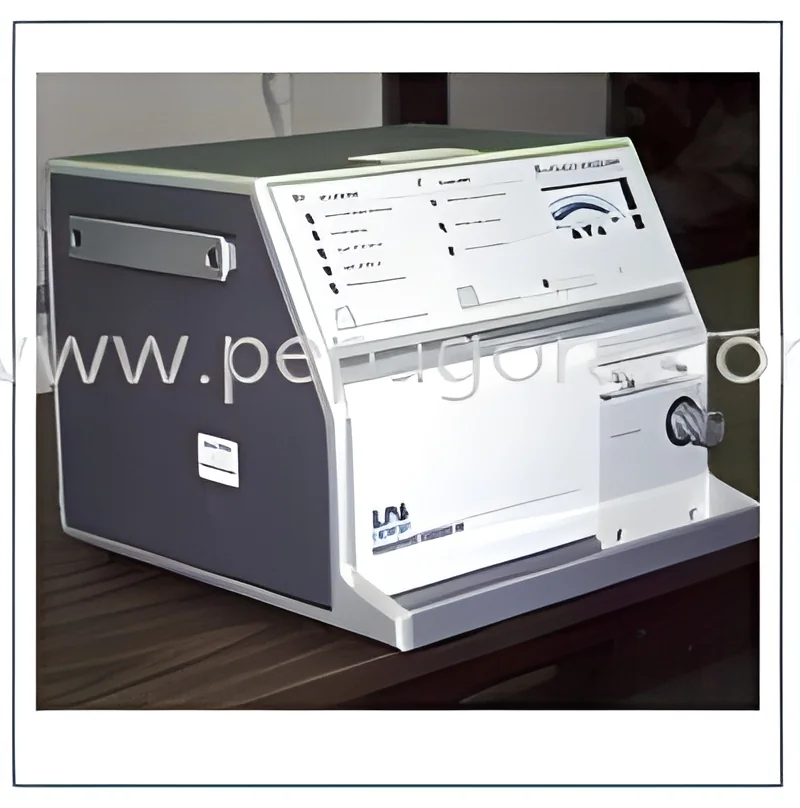
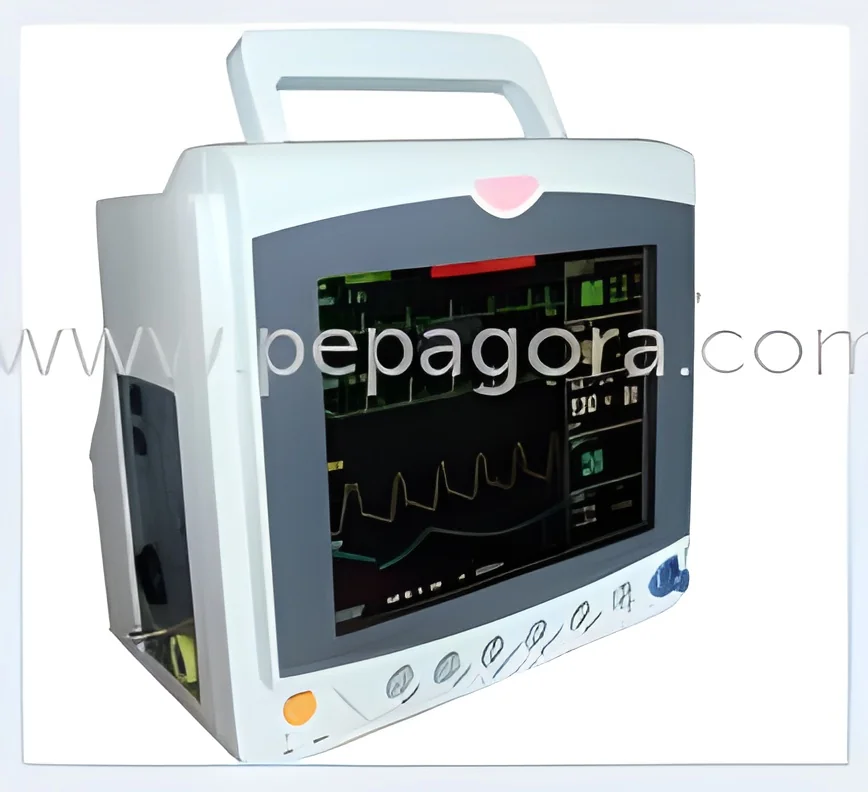
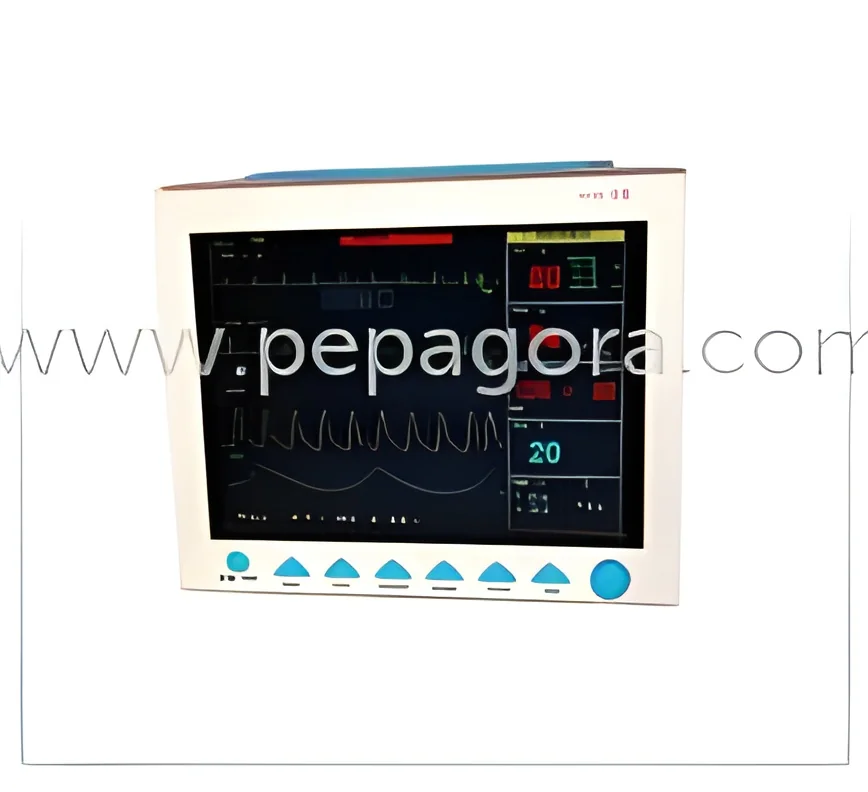
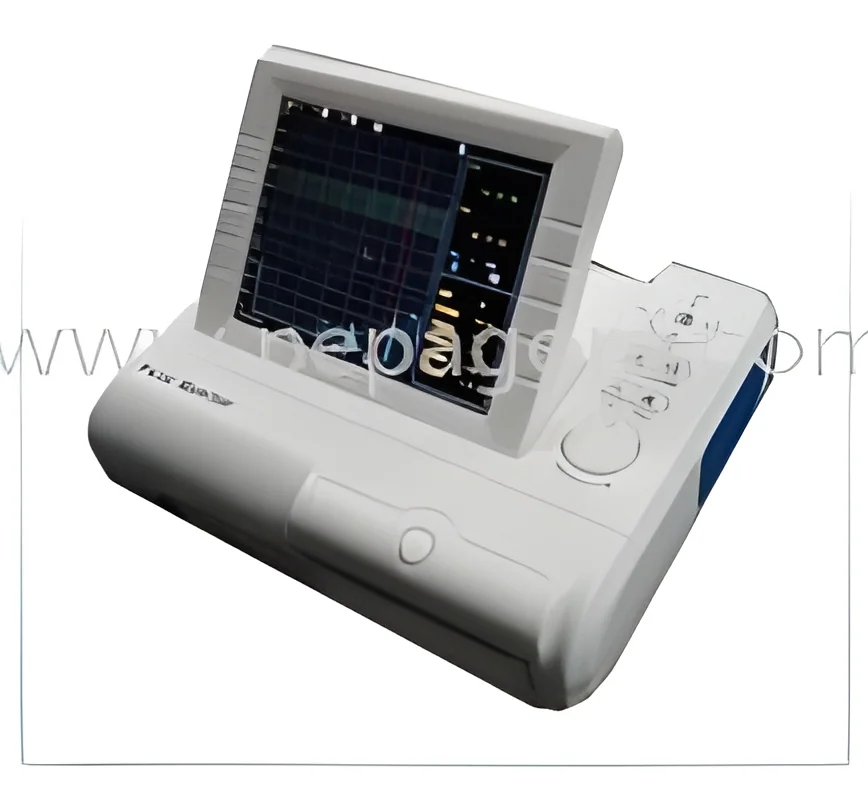
Professional fetal monitors represent advanced Cardiotocography (CTG) technology designed for precise tracking of fetal heart rate and maternal uterine contractions from 28 weeks of pregnancy onward. These medical-grade devices provide reliable, real-time data that serves as a critical reference for clinical assessments, enabling healthcare professionals to make informed decisions during prenatal care and labor management. The monitors function effectively as standalone units or connect seamlessly to computer systems via RJ45 interface, facilitating comprehensive data transfer for central monitoring and detailed analysis. Engineered with precision and user-friendly operation, these instruments maintain high standards of accuracy and reliability across diverse medical environments while ensuring consistent performance for optimal patient care.

These fetal monitoring systems find extensive application across multiple healthcare sectors, including hospital labor and delivery units, mater...
Professional fetal monitors represent advanced Cardiotocography (CTG) technology designed for precise tracking of fetal heart rate and maternal uterine contractions from 28 weeks of pregnancy onward. These medical-grade devices provide reliable, real-time data that serves as a critical reference for clinical assessments, enabling healthcare professionals to make informed decisions during prenatal care and labor management. The monitors function effectively as standalone units or connect seamlessly to computer systems via RJ45 interface, facilitating comprehensive data transfer for central monitoring and detailed analysis. Engineered with precision and user-friendly operation, these instruments maintain high standards of accuracy and reliability across diverse medical environments while ensuring consistent performance for optimal patient care.

These fetal monitoring systems find extensive application across multiple healthcare sectors, including hospital labor and delivery units, maternity clinics, private obstetric practices, and professionally supervised home healthcare settings. In hospital environments, they serve as indispensable tools for continuous intrapartum monitoring, providing crucial data throughout the childbirth process. Clinical settings utilize them for routine prenatal examinations, particularly in managing high-risk pregnancies where close fetal surveillance is essential. The connectivity capabilities further extend their utility to telemedicine applications, allowing remote monitoring for patients in home care scenarios while maintaining clinical oversight. This operational versatility makes them preferred equipment for obstetricians, midwives, and healthcare institutions committed to advancing maternal and fetal health outcomes through reliable monitoring technology.

The inherent business value of these fetal monitors stems from their proven reliability, durable construction, and operational adaptability, which collectively reduce equipment downtime and long-term operational costs for healthcare providers. These devices are engineered to deliver consistent performance while minimizing measurement errors, thereby ensuring patient safety through accurate data acquisition and interpretation. The RJ45 connectivity facilitates smooth integration with existing hospital information systems, promoting efficient data management and workflow optimization across clinical departments. As trusted medical equipment, these monitors are designed to meet rigorous quality standards and compliance requirements, making them a sound investment for medical distributors and wholesalers serving the global healthcare equipment market with reliable, clinically validated technology.

Key Features:
- Accurate measurement of fetal heart rate and maternal uterine contractions from 28 weeks gestation
- Flexible operation as standalone device or PC-connected system via RJ45 interface
- Designed for clinical use in hospitals, maternity clinics, and private medical practices
- Real-time data output supporting immediate clinical assessment and decision-making
- Robust construction ensuring reliable performance in diverse medical environments

Benefits:
- Enhanced patient safety through precise fetal monitoring and early complication detection
- Operational flexibility supporting both independent use and integrated system connectivity
- Streamlined clinical workflows with efficient data management and sharing capabilities
- Reduced long-term costs through durable design and minimal maintenance requirements
- Trusted performance meeting clinical standards for obstetric care and monitoring
Specifications
| Additional Information | |
|---|---|
| Country of Origin | India |
Application
These professional fetal monitors deliver critical obstetric data through continuous tracking of fetal heart rate and maternal uterine activity from 28 weeks gestation. They support clinical decision-making for both routine prenatal assessments and high-risk pregnancy management, providing reliable monitoring during labor and delivery while maintaining patient safety through accurate, real-time data acquisition in various medical environments.
The devices offer operational flexibility as standalone units or through seamless PC integration via RJ45 connectivity. This enables centralized data management, storage, and sharing across hospital networks, maternity clinics, and private practices. The robust design ensures consistent performance in diverse clinical settings while supporting telemedicine applications for remote patient monitoring under professional supervision.
- Continuous fetal monitoring during labor and delivery in hospital maternity units
- Routine prenatal examinations in obstetric clinics and private medical practices
- High-risk pregnancy management for conditions requiring close fetal surveillance
- Remote patient monitoring in home-based telemedicine setups under clinical guidance
- Medical education and training demonstrations in nursing and medical schools
Trade Details
| Available Stock | In Stock |
| Sample Availability | No |
Payment Terms
| Payment Terms |
|
Company Profile
Meditech Electronics, New Delhi
 New Delhi, India
Health & Personal Care•Distributor / Wholesaler•Importer / Exporter
Factory Details
Factory SizeBelow 1000 sqm
Annual Production Capacity0
Professional Fetal Monitors For Accurate CTG Tracking And Monitoring
Professional fetal monitors for accurate CTG tracking and monitoring of fetal heart rate and uterine contractions from 28 weeks. Standalone or PC-connected via RJ45 for clinical reliability in hospitals and maternity care settings.
Min. Order Quantity: 1 unit
Shipping
Shipping fee and delivery date to be negotiated. Contact supplier now for more details.
Meditech Electronics
 New Delhi, India
Health & Personal CareDistributor / Wholesaler