IN
IN₹
Apparel & Fashion
Description
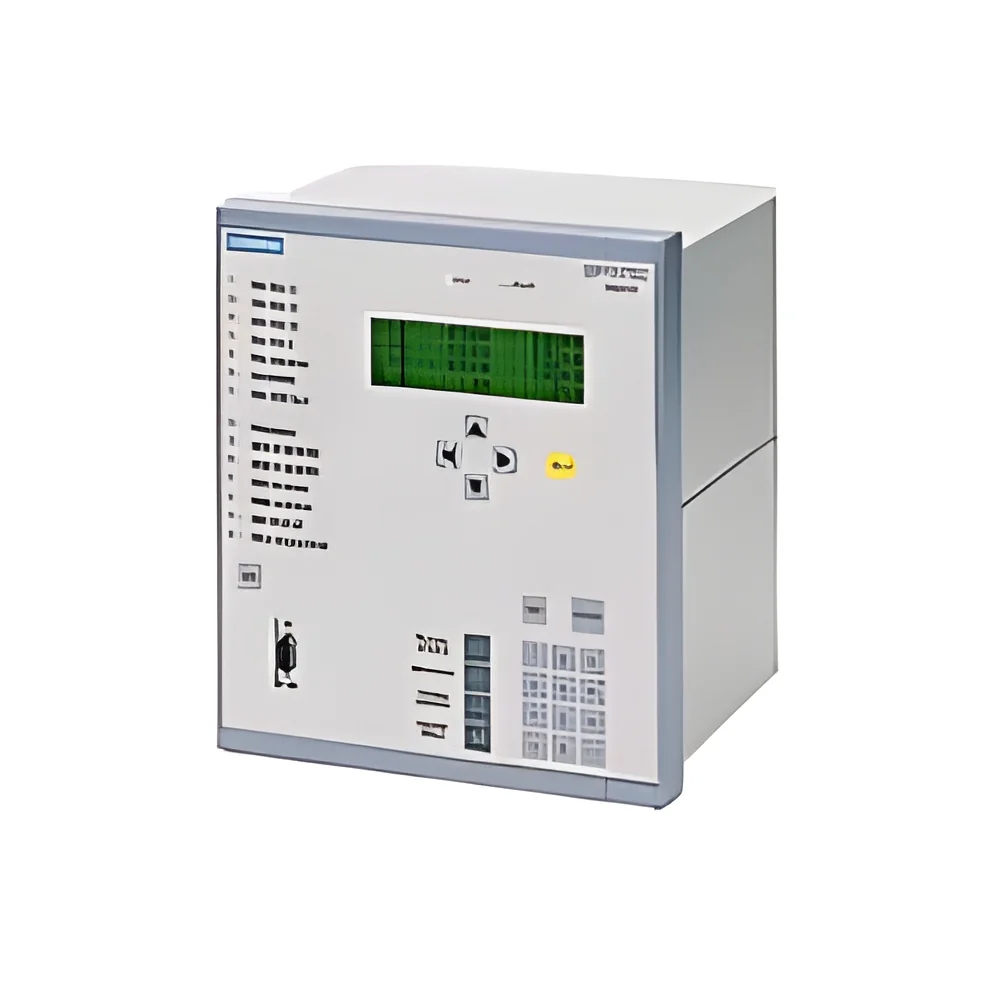
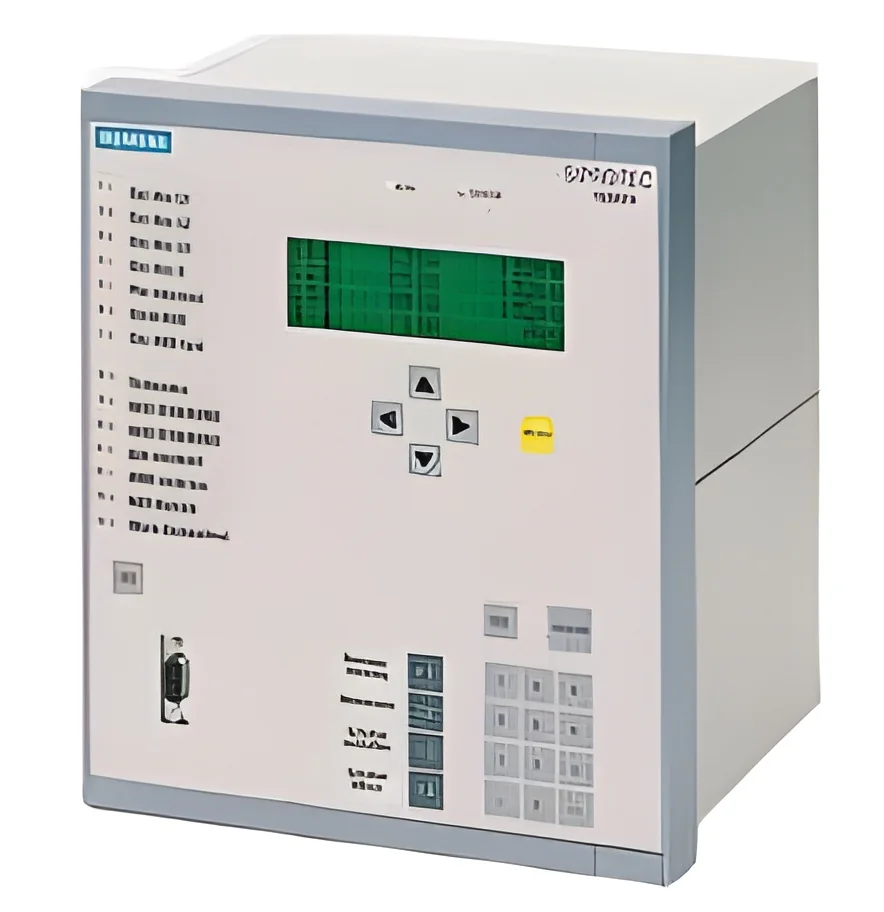
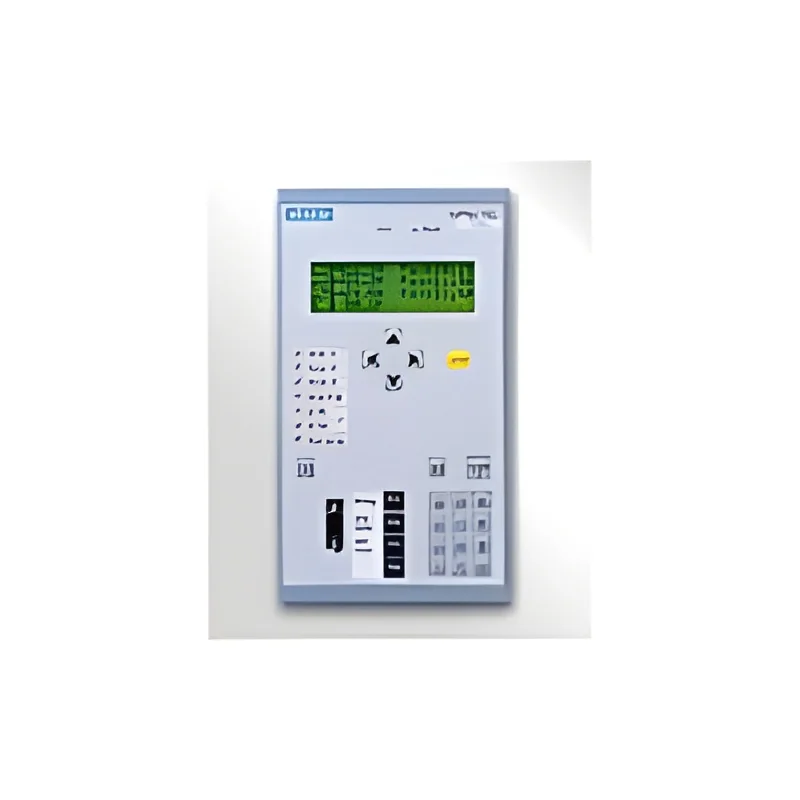
The Argus 7 Feeder Protection Relay represents advanced synchronization technology designed for precision and safety in electrical power systems. This intelligent relay automatically selects between check synchronize and system synchronize functions based on real-time measurements of phase angles between line and bus voltages. Through continuous monitoring of slip frequency and voltage magnitudes, it ensures circuit breaker closure occurs only when all parameters remain within established safety limits. This automated approach reduces manual intervention, minimizes potential human error, and significantly enhances overall system reliability. Engineered for straightforward integration, the relay supports direct closure operation or collaboration with autoreclose schemes, making it a versatile solution for contemporary power management requirements across various applications.

The Argus 7 finds extensive application across industries where electrical system stability is paramount. In po...
The Argus 7 Feeder Protection Relay represents advanced synchronization technology designed for precision and safety in electrical power systems. This intelligent relay automatically selects between check synchronize and system synchronize functions based on real-time measurements of phase angles between line and bus voltages. Through continuous monitoring of slip frequency and voltage magnitudes, it ensures circuit breaker closure occurs only when all parameters remain within established safety limits. This automated approach reduces manual intervention, minimizes potential human error, and significantly enhances overall system reliability. Engineered for straightforward integration, the relay supports direct closure operation or collaboration with autoreclose schemes, making it a versatile solution for contemporary power management requirements across various applications.

The Argus 7 finds extensive application across industries where electrical system stability is paramount. In power generation and utility sectors, it synchronizes generators to electrical grids, preventing costly equipment damage and service interruptions. Manufacturing plants rely on its protective capabilities during operational cycles for heavy machinery, while infrastructure sectors including transportation and water treatment utilize it to maintain continuous service delivery. Renewable energy installations such as solar and wind farms benefit from its ability to manage grid connections smoothly and efficiently. Its adaptability makes it suitable for both new installations and upgrades within existing systems, meeting global safety standards and operational demands across diverse electrical environments.

Organizations select the Argus 7 for its demonstrated reliability, operational efficiency, and long-term value proposition. It significantly reduces downtime by preventing unsafe closures, thereby lowering maintenance expenses and extending equipment service life. The relay's independent settings for check and system synchronize functions enable tailored configurations, ensuring optimal performance across diverse applications. Constructed with high-quality components, it delivers durability in challenging environmental conditions, providing operational confidence for engineers and system operators. Its compliance with industry standards and user-friendly design make it a trusted selection for importers, distributors, and wholesalers serving commercial clients worldwide.

Key Features:
- Automatic selection between check synchronize and system synchronize functions based on voltage measurements
- Continuous monitoring of phase angles, slip frequency, and voltage magnitudes to prevent unsafe circuit breaker operation
- Independent configuration and blocking capabilities for both synchronizing functions enabling flexible operation
- Output capability for direct circuit breaker closure or integration with autoreclose schemes
- Robust construction suitable for industrial environments with high reliability and consistent performance

Benefits:
- Enhanced operational safety through automated synchronization checks and preventive measures
- Reduced system downtime by preventing unsafe closures and associated equipment damage
- Extended equipment lifespan through proper synchronization and reduced electrical stress
- Operational flexibility through independent settings for diverse application requirements
- Consistent performance in demanding environments ensuring long-term reliability
Specifications
| Additional Information | |
|---|---|
| Country of Origin | India |
Application
The Argus 7 Feeder Protection Relay is engineered for medium to high voltage power systems where automatic synchronization and safety verification are essential. It continuously monitors line and bus voltages, preventing circuit breaker operation when phase angles, slip frequency, or voltage levels exceed safe thresholds. This ensures operational safety and maintains system integrity in dynamic electrical conditions across various industries.
Manufacturing facilities, utility providers, and infrastructure projects depend on the Argus 7 for its dual functionality in check synchronizing and system synchronizing. It integrates smoothly with autoreclose schemes and offers independent configuration for both functions, delivering operational flexibility and precise control. Its durable construction meets the demands of challenging applications where accuracy and dependability are critical for continuous operation.
- Synchronizing generators to electrical grids in power generation facilities to prevent equipment damage
- Protecting industrial manufacturing equipment during startup and shutdown sequences to avoid electrical faults
- Enabling safe feeder switching in utility substations to maintain uninterrupted power distribution
- Integrating with renewable energy systems including solar and wind farms for stable grid interconnection
- Automating circuit breaker control in water treatment plants to prevent voltage-related operational disruptions
Trade Details
| Available Stock | In Stock |
| Sample Availability | No |
Payment Terms
| Payment Terms |
|
Company Profile
CM Engineers, New Delhi
 New Delhi, India
New Delhi, IndiaElectronics & Electrical•Trading Company•Distributor / Wholesaler•Importer / Exporter
Factory Details
Factory SizeBelow 1000 sqm
Annual Production Capacity0
Main Markets
South Asia
Industrial Power Systems Argus 7 Feeder Protection Relay Synchronization Safety
Industrial Power Systems Argus 7 Feeder Protection Relay automatically checks phase angles, slip frequency, and voltage levels for safe circuit breaker closure, ensuring reliable synchronization in demanding electrical environments.
Min. Order Quantity: 1 unit
Shipping
Shipping fee and delivery date to be negotiated. Contact supplier now for more details.
CM Engineers
 New Delhi, India
New Delhi, IndiaElectronics & ElectricalTrading Company