IN
IN₹
Apparel & Fashion
Description
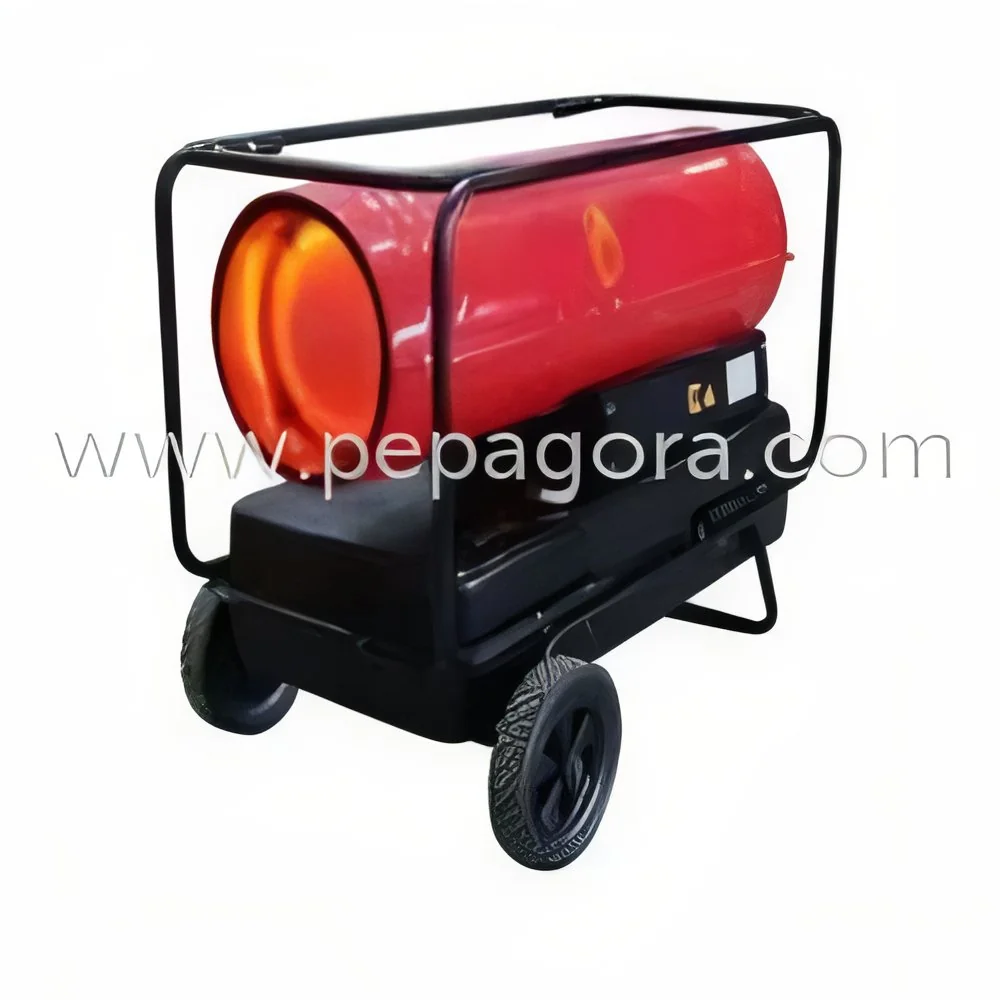
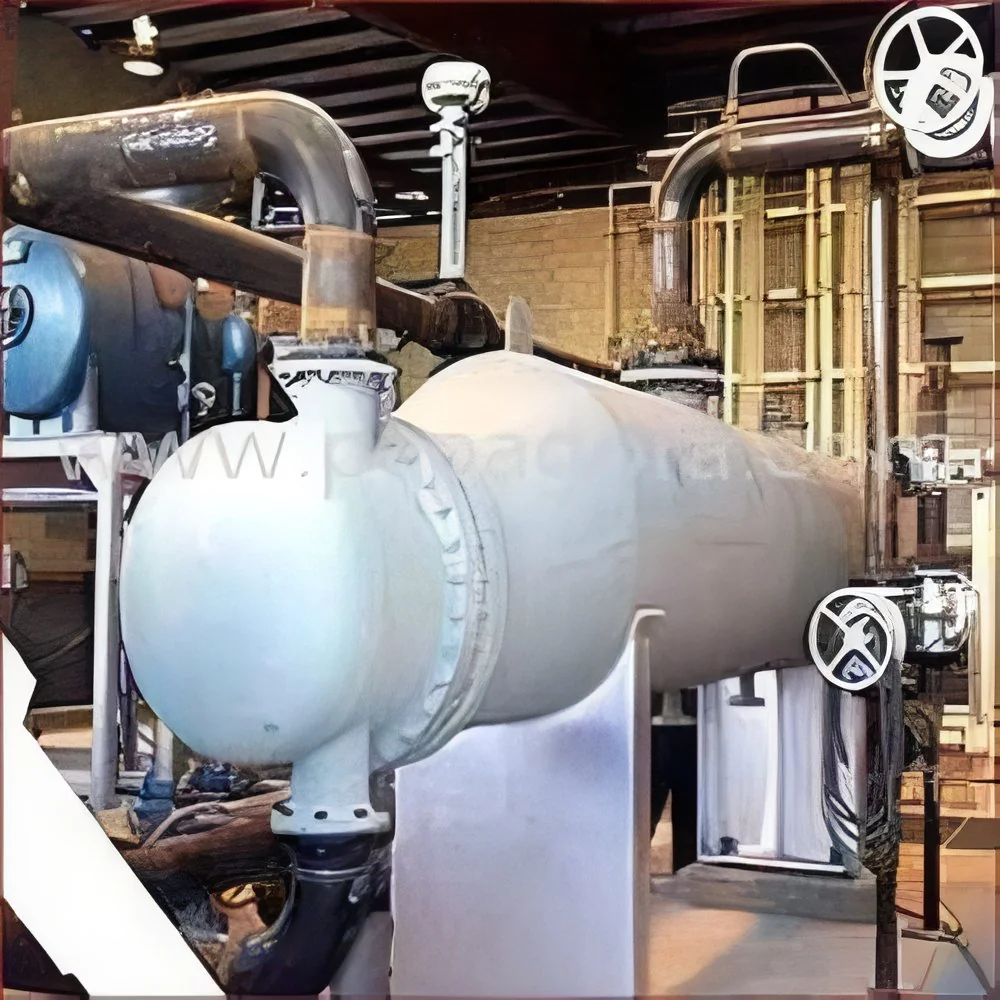
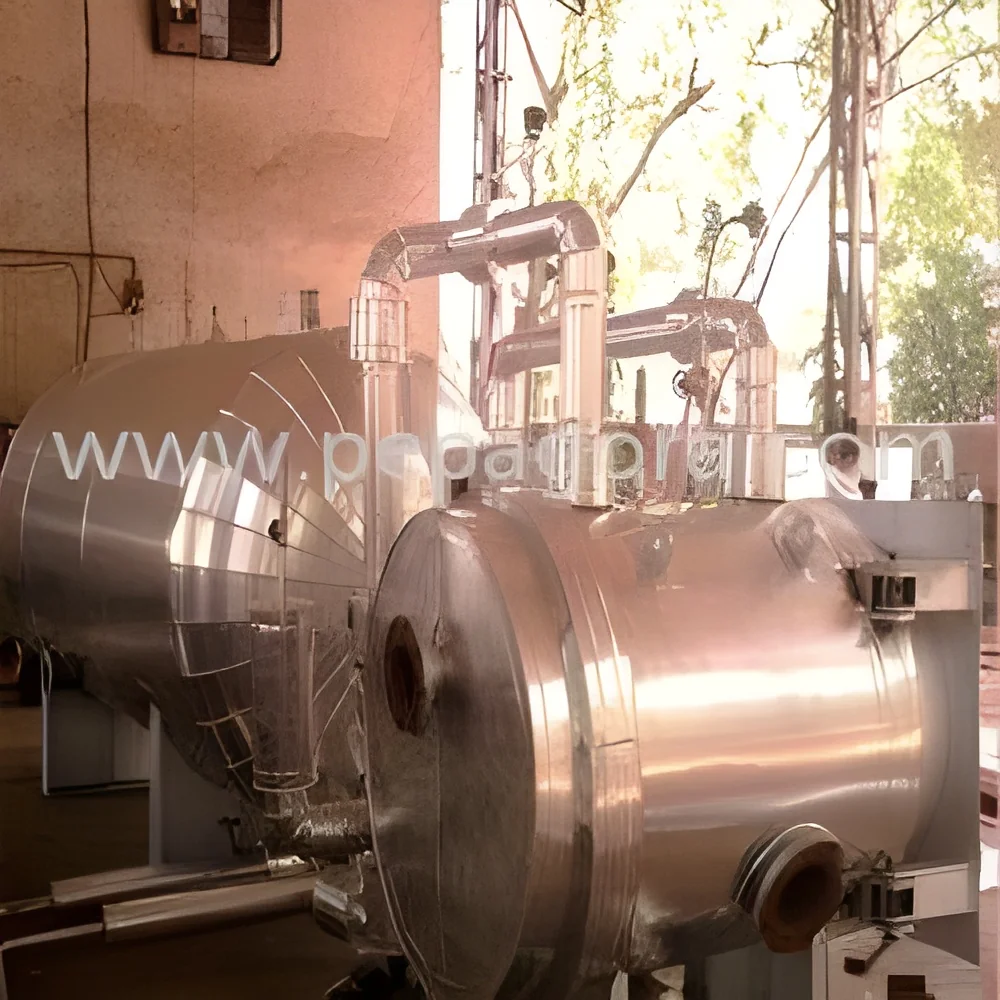
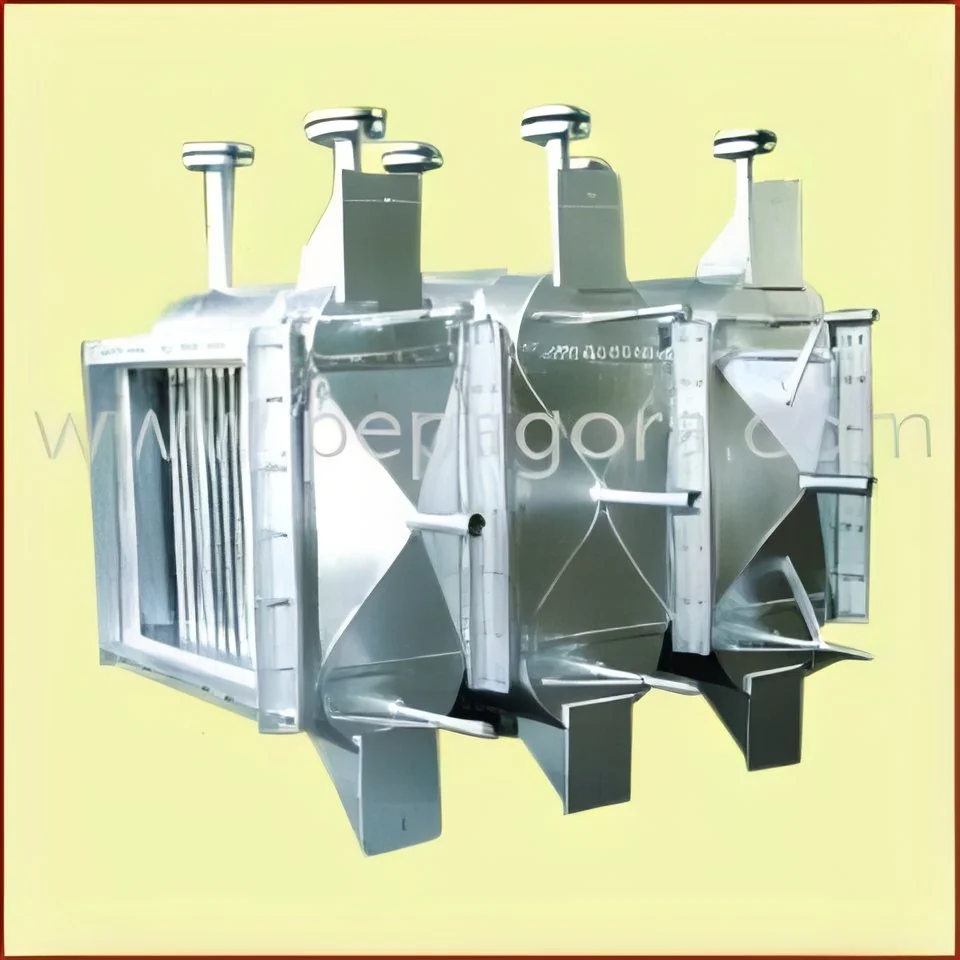
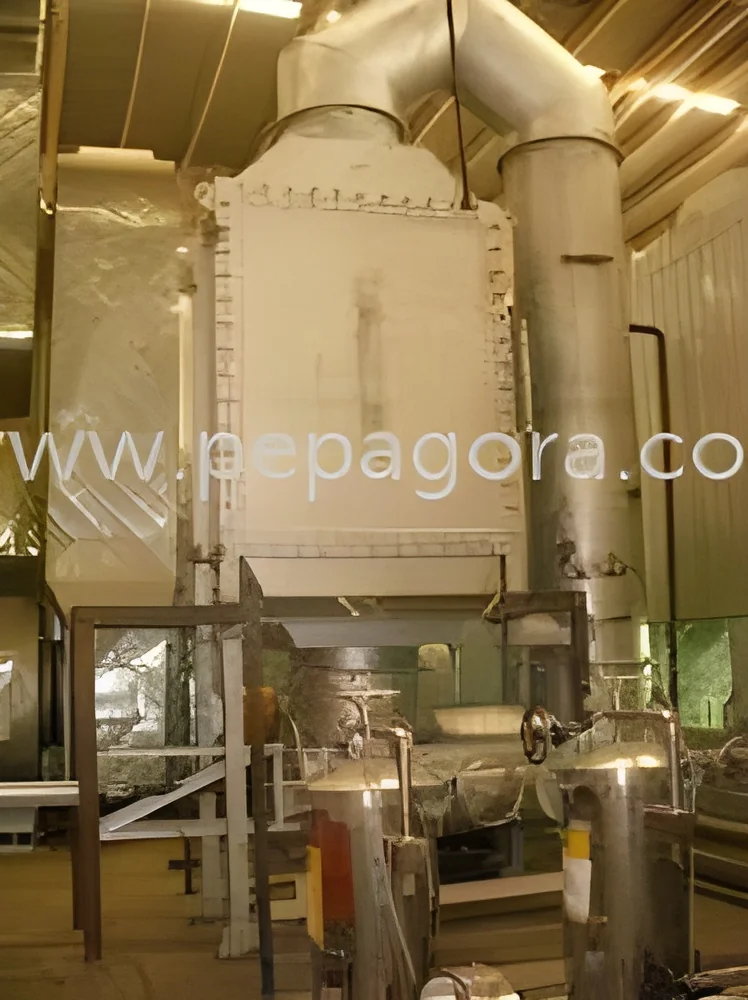
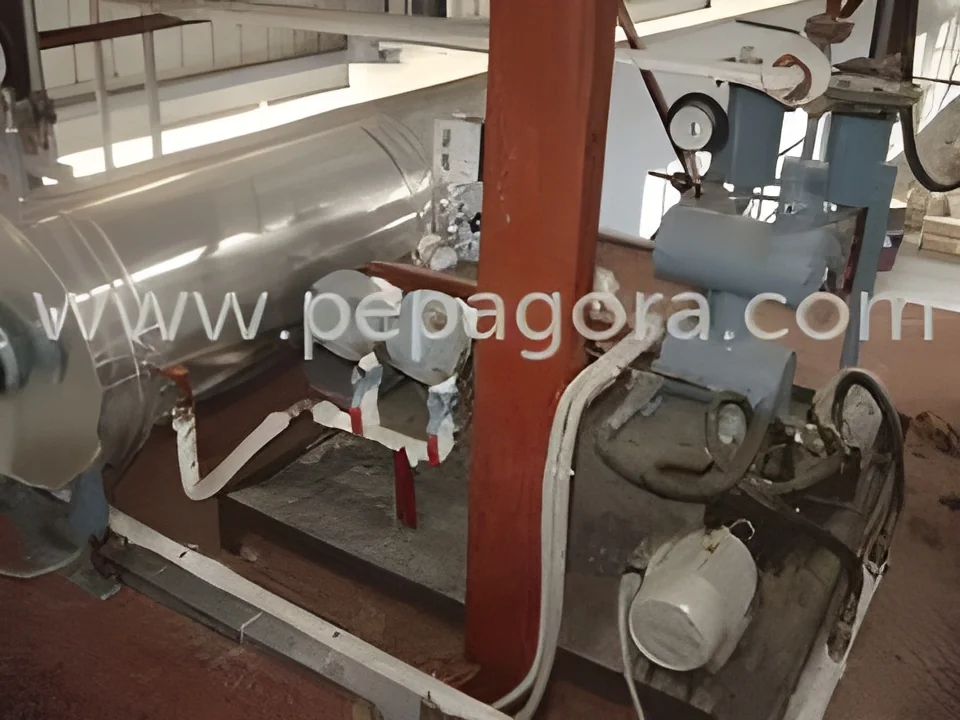
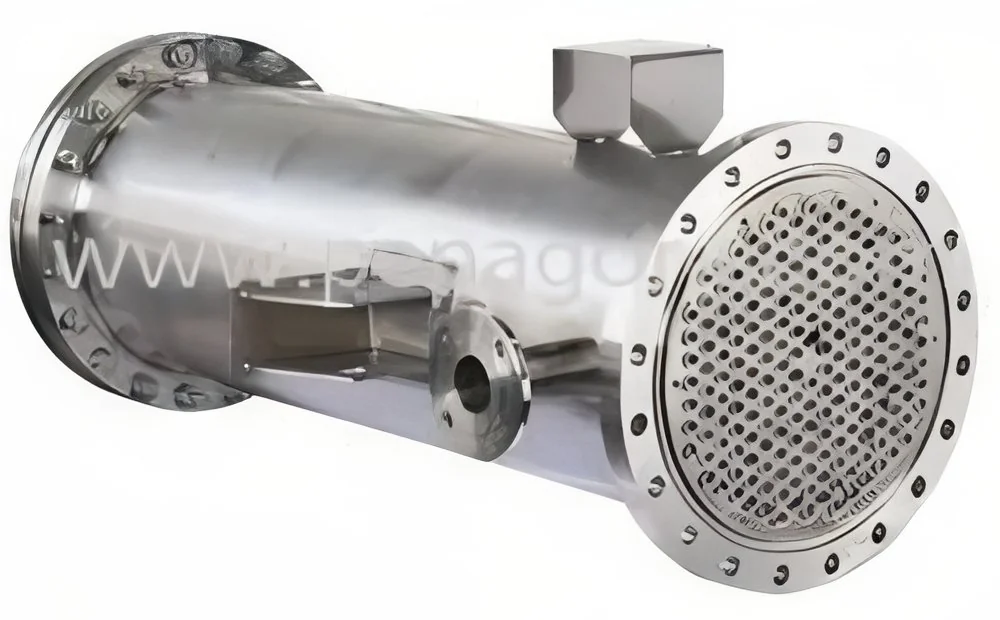
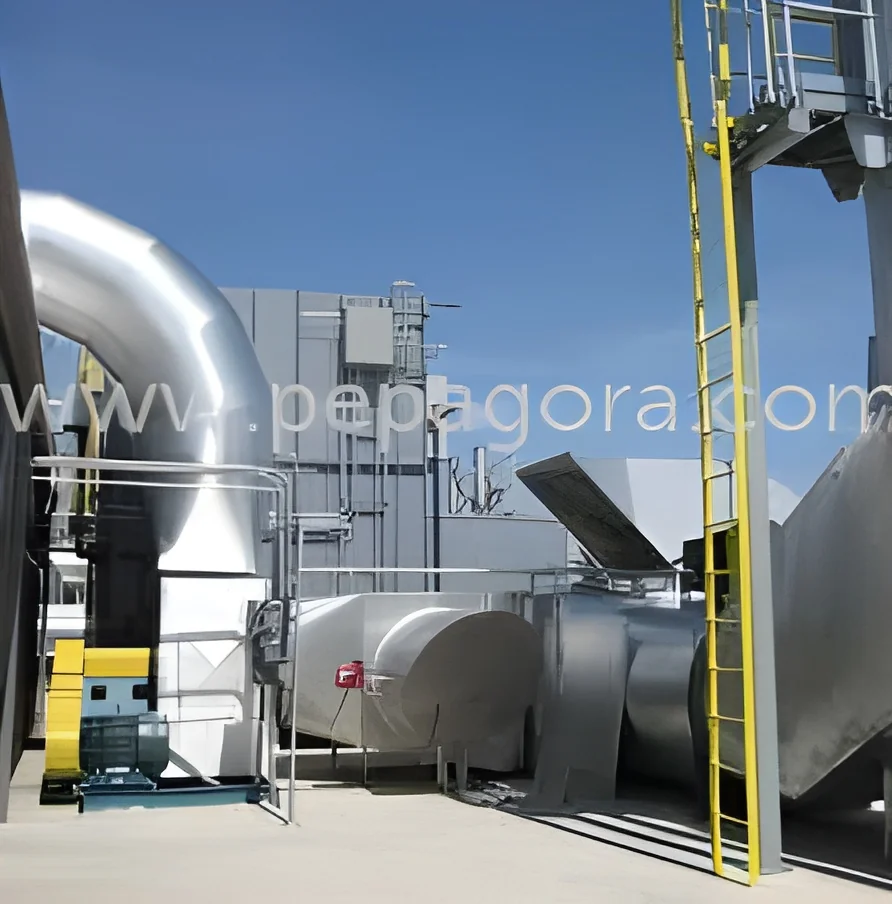
Industrial Energy Recovery Systems represent advanced thermal management technology designed to capture waste energy from industrial processes and repurpose it for productive use. These systems efficiently transfer heat from exhaust streams, flue gases, or process outputs to incoming air, water, or other media, significantly reducing the energy required for heating applications. Engineered with durability as a priority, they incorporate high-grade materials including stainless steel and aluminum alloys to withstand corrosive environments and elevated temperatures. The systems integrate seamlessly into existing operational setups, providing a practical pathway toward improved energy efficiency and sustainability without disrupting workflow or requiring extensive modifications to current processes.

These recovery systems serve as essential components across multiple industries where thermal management represents both an operational necessity and significant cost factor. Manufacturing fa...
Industrial Energy Recovery Systems represent advanced thermal management technology designed to capture waste energy from industrial processes and repurpose it for productive use. These systems efficiently transfer heat from exhaust streams, flue gases, or process outputs to incoming air, water, or other media, significantly reducing the energy required for heating applications. Engineered with durability as a priority, they incorporate high-grade materials including stainless steel and aluminum alloys to withstand corrosive environments and elevated temperatures. The systems integrate seamlessly into existing operational setups, providing a practical pathway toward improved energy efficiency and sustainability without disrupting workflow or requiring extensive modifications to current processes.

These recovery systems serve as essential components across multiple industries where thermal management represents both an operational necessity and significant cost factor. Manufacturing facilities utilize them to capture and reuse heat from industrial furnaces, ovens, and thermal processing equipment. Chemical processing plants leverage the technology to maintain precise temperature controls during various reaction processes while reducing external energy requirements. Commercial HVAC applications in large buildings, data centers, and healthcare facilities benefit from substantially reduced heating and cooling loads. The food and beverage sector employs energy recovery to optimize drying, baking, pasteurization, and other thermal processes. Essentially, any industry generating substantial thermal waste streams can achieve measurable efficiency improvements and operational cost reductions through proper implementation.

The investment in energy recovery technology delivers tangible business value through reduced utility expenses, lower carbon emissions, and improved compliance with evolving environmental regulations. System reliability is demonstrated through performance in demanding industrial environments, with designs emphasizing minimal maintenance requirements and extended service life. The combination of durability, efficiency, and operational adaptability makes these systems a strategic choice for organizations aiming to enhance sustainability performance while strengthening financial results through reduced energy consumption and improved process efficiency.

Key Features:
- Constructed with corrosion-resistant materials for extended durability in harsh industrial conditions
- High thermal efficiency ratings ensuring maximum energy capture and reuse from waste streams
- Compatible with various industrial processes including HVAC systems, furnaces, and exhaust applications
- Robust design capable of withstanding high temperatures and demanding operational environments
- Low maintenance configuration with accessible points for inspection and routine servicing

Benefits:
- Significant reduction in operational costs through decreased energy consumption
- Enhanced sustainability profile with lower carbon emissions and environmental impact
- Improved process efficiency by utilizing recovered thermal energy for productive applications
- Extended equipment lifespan through reduced thermal stress on primary systems
- Compliance support for environmental regulations and energy efficiency standards
Specifications
| Additional Information | |
|---|---|
| Country of Origin | India |
Application
Our industrial energy recovery systems are engineered for demanding environments where thermal management directly impacts operational efficiency. They capture waste energy from exhaust streams, flue gases, and process cooling systems, transforming thermal losses into valuable resources. These systems integrate seamlessly into existing industrial setups across manufacturing, chemical processing, and heavy industries where temperature control and energy conservation are critical for productivity and cost management.
These robust systems deliver consistent performance in high-temperature and corrosive environments, ensuring long-term reliability. Industries implement our solutions to preheat incoming air, recover heat from industrial equipment, and reduce energy consumption across various processes. The technology supports operational advantages that directly impact bottom-line results while helping facilities meet sustainability targets and regulatory requirements without compromising production capabilities.
- Recovering waste heat from furnace exhaust to preheat combustion air in metal processing facilities
- Integrating with HVAC systems in large commercial complexes to reduce heating and cooling energy demands
- Capturing thermal energy from industrial drying ovens in food manufacturing plants
- Recycling heat from chemical reaction processes to maintain optimal temperature controls
- Repurposing waste heat from data center operations for space heating requirements
Trade Details
| Available Stock | In Stock |
| Sample Availability | No |
Payment Terms
| Payment Terms |
|
Company Profile
Nimotherm Engineering Pvt Ltd, Maharashtra
 Maharashtra, India
Maharashtra, IndiaIndustrial Equipment & Machinery•Manufacturer•Importer / Exporter
Factory Details
Factory SizeBelow 1000 sqm
Annual Production Capacity0
Industrial Energy Recovery Systems For Waste Heat Reduction
Industrial Energy Recovery Systems capture waste heat to reduce operational costs and enhance sustainability. These reliable systems are ideal for manufacturing plants, HVAC applications, and processing facilities seeking efficient thermal management solutions.
Min. Order Quantity: 1 unit
Shipping
Shipping fee and delivery date to be negotiated. Contact supplier now for more details.
Nimotherm Engineering Pvt Ltd
 Maharashtra, India
Maharashtra, IndiaIndustrial Equipment & MachineryManufacturer