IN
IN₹
Apparel & Fashion
Loading subcategories...
View More
Description
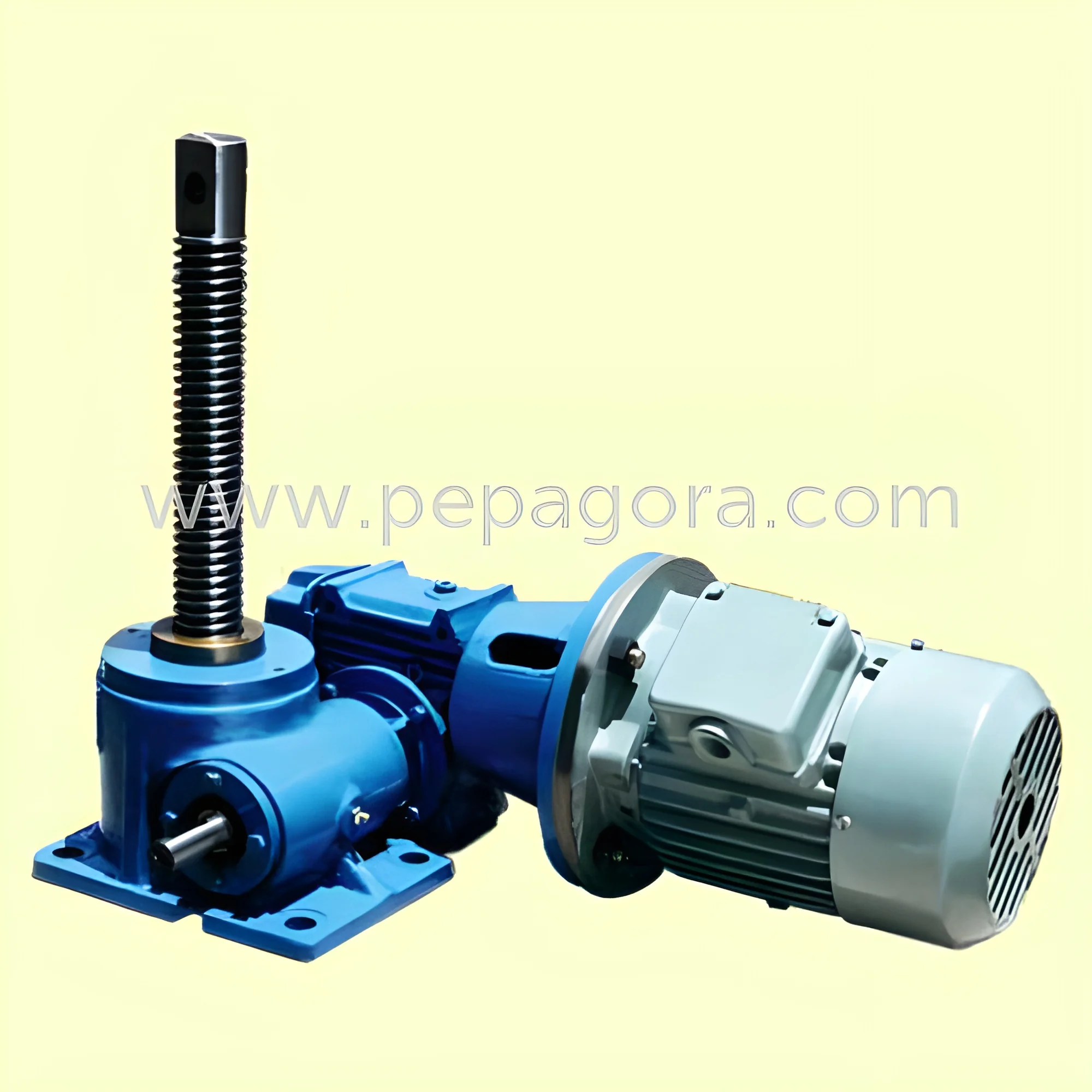
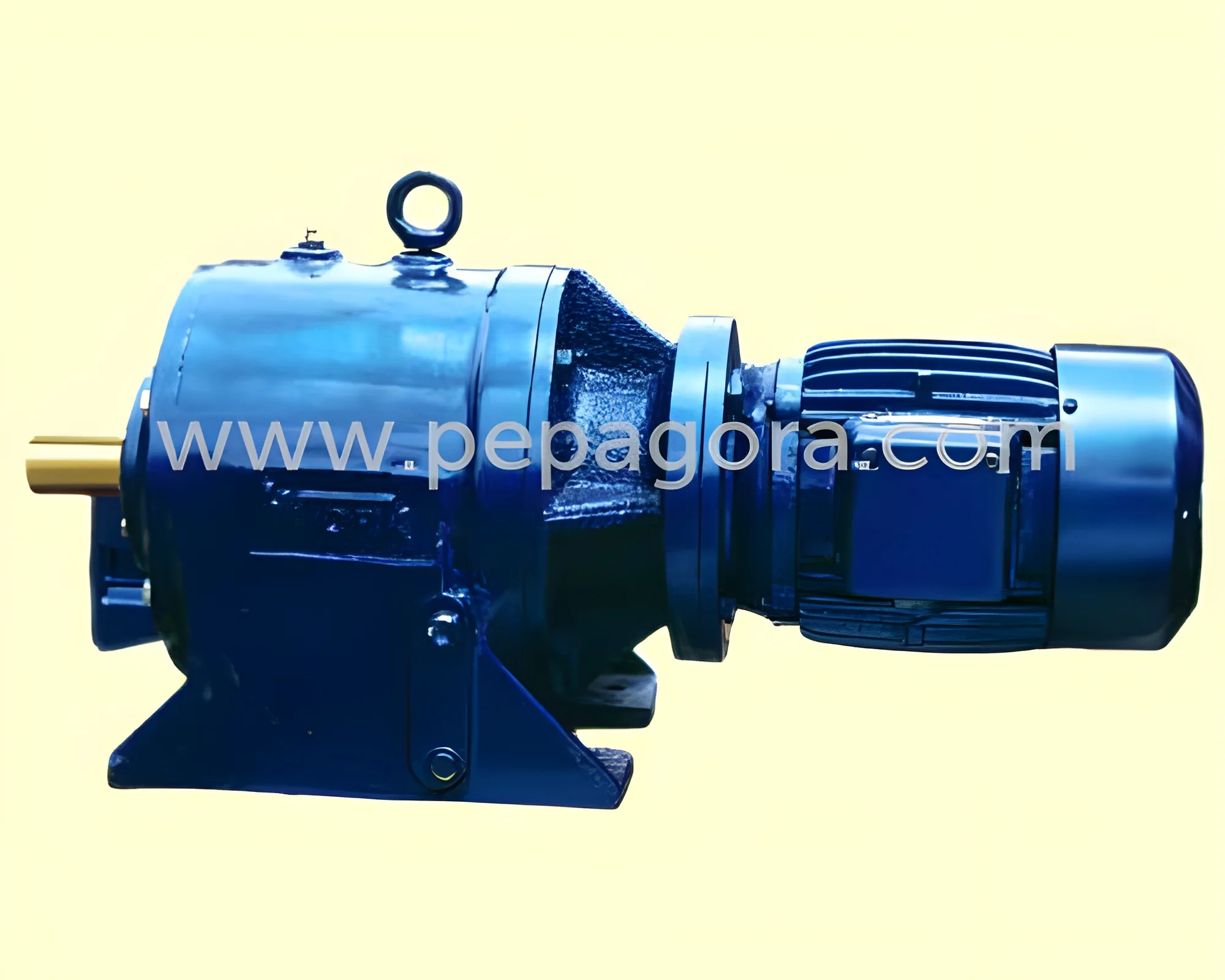
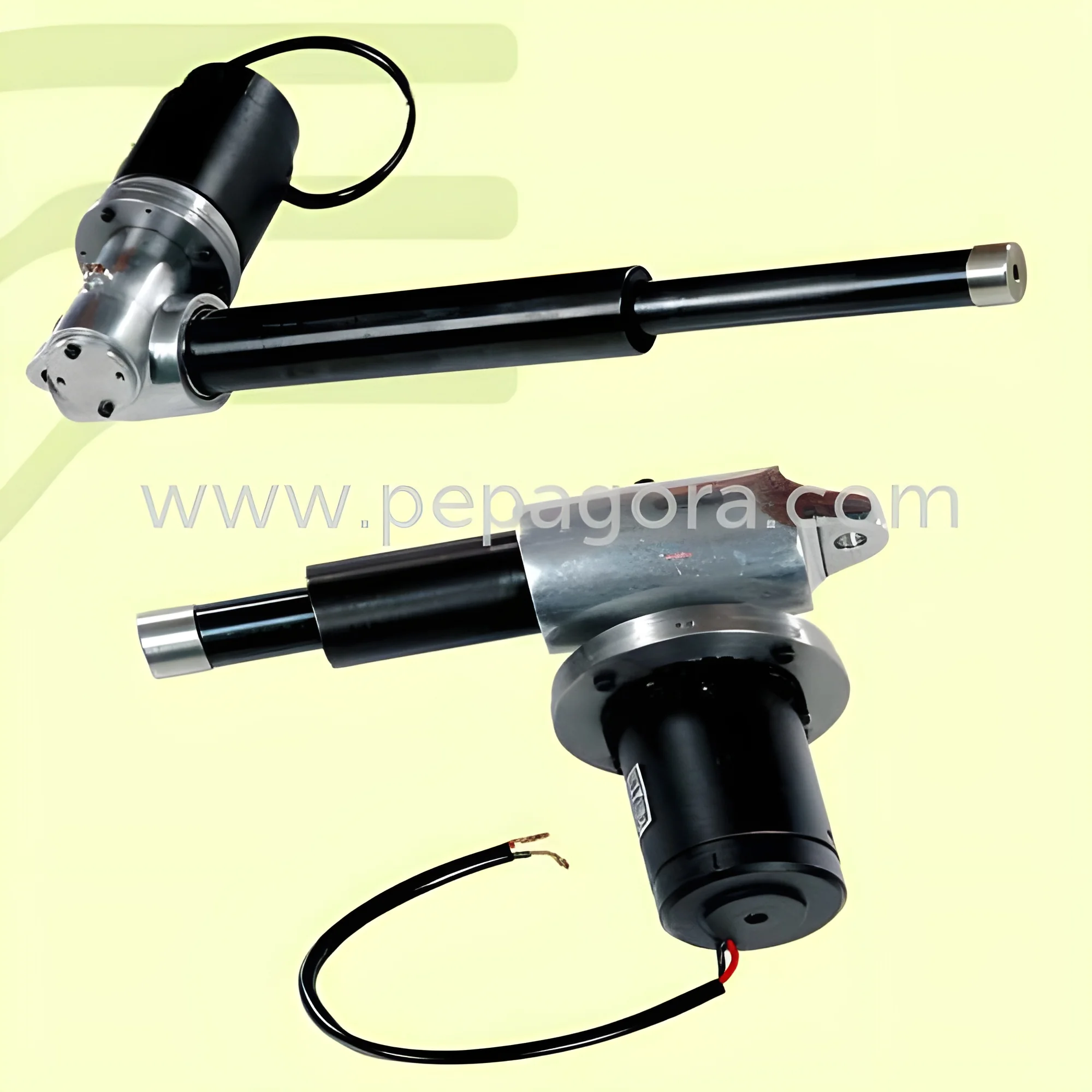
Industrial Automation Electromechanical Linear Actuators represent advanced motion control solutions that efficiently convert rotary motor movement into precise linear motion. These industrial-grade components are engineered for durability and performance in demanding applications, offering superior reliability compared to pneumatic or hydraulic alternatives. They provide exact positioning control through various accessory options including encoders, potentiometers, and servo drives, making them adaptable to both simple on-off operations and sophisticated automated systems. Their electromechanical design ensures clean operation without fluid leakage concerns, making them suitable for sensitive environments where contamination must be avoided.

These actuators find extensive application across numerous industrial sectors including manufacturing automation, packaging machinery, material handling systems, automotive production, and industrial robotics. In manufacturing, they enable precis...
Industrial Automation Electromechanical Linear Actuators represent advanced motion control solutions that efficiently convert rotary motor movement into precise linear motion. These industrial-grade components are engineered for durability and performance in demanding applications, offering superior reliability compared to pneumatic or hydraulic alternatives. They provide exact positioning control through various accessory options including encoders, potentiometers, and servo drives, making them adaptable to both simple on-off operations and sophisticated automated systems. Their electromechanical design ensures clean operation without fluid leakage concerns, making them suitable for sensitive environments where contamination must be avoided.

These actuators find extensive application across numerous industrial sectors including manufacturing automation, packaging machinery, material handling systems, automotive production, and industrial robotics. In manufacturing, they enable precise component positioning in assembly lines and automated machinery. The packaging industry utilizes them for accurate product handling and sealing processes. Material handling systems benefit from their controlled lifting and pushing capabilities, while automotive production lines rely on them for precise part placement and testing equipment. Their versatility extends to medical equipment, agricultural machinery, and aerospace applications where reliable linear motion is critical.

The business value of these electromechanical linear actuators lies in their exceptional reliability, reduced maintenance requirements, and long service life. They offer significant operational advantages including energy efficiency, precise control, and the ability to maintain constant speed under varying loads. Their robust construction ensures consistent performance in challenging industrial environments. The static self-locking feature provides safety by maintaining position without power, while their ability to operate at up to 100% duty cycle ensures continuous productivity in the most demanding industrial settings.

Key Features:
- Converts rotary motion to precise linear movement with high accuracy
- Handles significant push or pull loads with consistent performance
- Operates at up to 100% duty cycle even in extreme conditions
- Static self-locking capability maintains position without power
- Compatible with accessories for enhanced control (encoders, potentiometers)

Benefits:
- Delivers reliable performance with minimal maintenance requirements
- Provides energy-efficient operation compared to hydraulic systems
- Ensures precise positioning control for critical applications
- Offers long service life in demanding industrial environments
- Maintains consistent speed and performance under varying loads
Specifications
| Additional Information | |
|---|---|
| Country of Origin | India |
| Customisable | No |
Application
Electromechanical linear actuators provide precise push-pull motion control in industrial automation systems, handling significant loads while maintaining consistent performance. Their robust construction ensures reliable operation in demanding environments, from manufacturing floors to precision assembly areas. These components adapt seamlessly to both simple mechanical operations and complex automated processes across multiple industrial sectors.
These actuators serve critical functions where accurate linear movement is essential, including manufacturing automation, packaging systems, material handling equipment, and production lines. They excel in applications requiring precise positioning, heavy load capacity, and continuous operation under challenging conditions. Their ability to maintain constant speed with varying loads and operate quietly makes them suitable for both harsh industrial settings and precision environments.
- Automated assembly lines for precise component positioning and placement operations
- Packaging machinery for accurate product handling and sealing processes
- Material handling systems for controlled lifting, pushing, and pulling functions
- Automotive production equipment for precise part placement and testing applications
- Industrial robotics for accurate movement control in pick-and-place systems
Trade Details
| Available Stock | In Stock |
| Sample Availability | No |
Payment Terms
| Payment Terms |
|
Company Profile
Gears & Gear Drives (India) Pvt Ltd, Karnataka
 Karnataka, India
Karnataka, IndiaElectronics & Electrical•Manufacturer•Importer / Exporter
Factory Details
Factory SizeBelow 1000 sqm
Annual Production Capacity0
Industrial Automation Electromechanical Linear Actuators High Load Precision
Industrial Automation Electromechanical Linear Actuators deliver high-load precision for demanding industrial applications. These reliable actuators convert rotary motion into exact linear movement, built for extreme conditions and heavy-duty performance across manufacturing and automation sectors.
Min. Order Quantity: 1 unit
Shipping
Shipping fee and delivery date to be negotiated. Contact supplier now for more details.
Gears & Gear Drives (India) Pvt Ltd
 Karnataka, India
Karnataka, IndiaElectronics & ElectricalManufacturer