IN
IN₹
Apparel & Fashion
Description
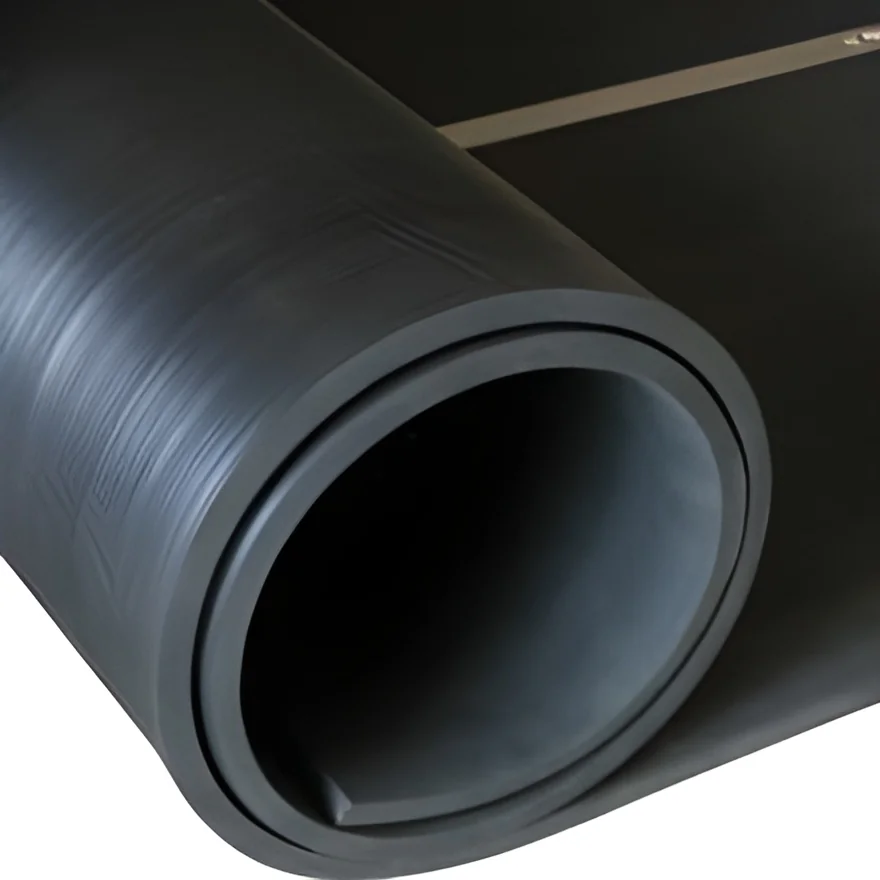
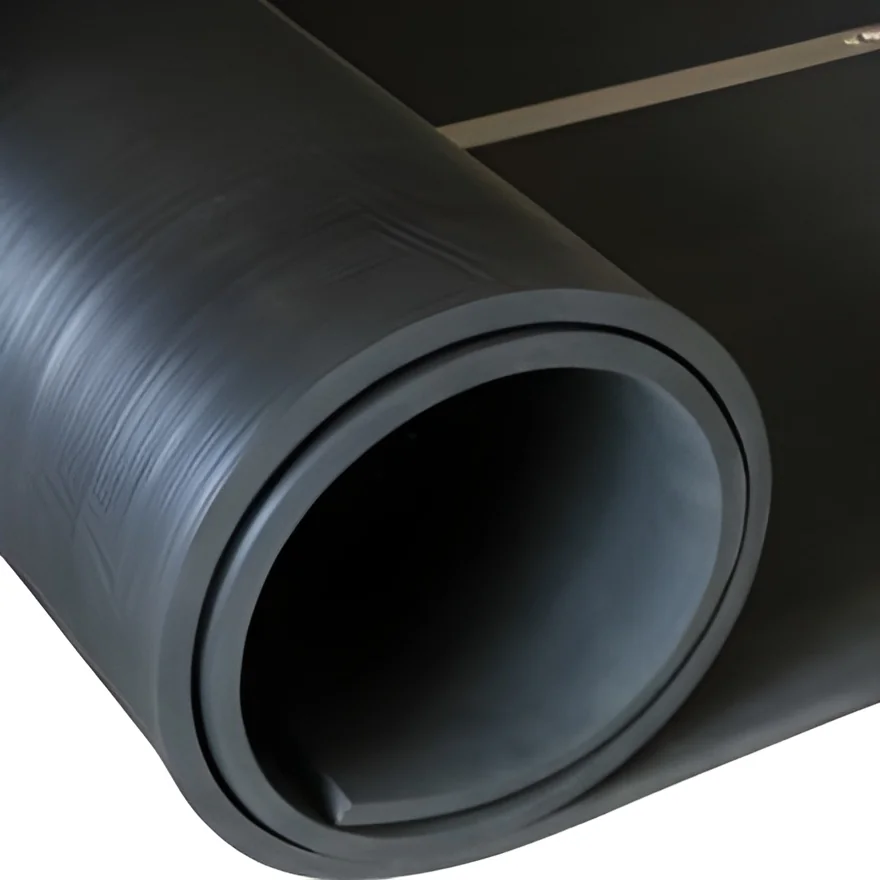
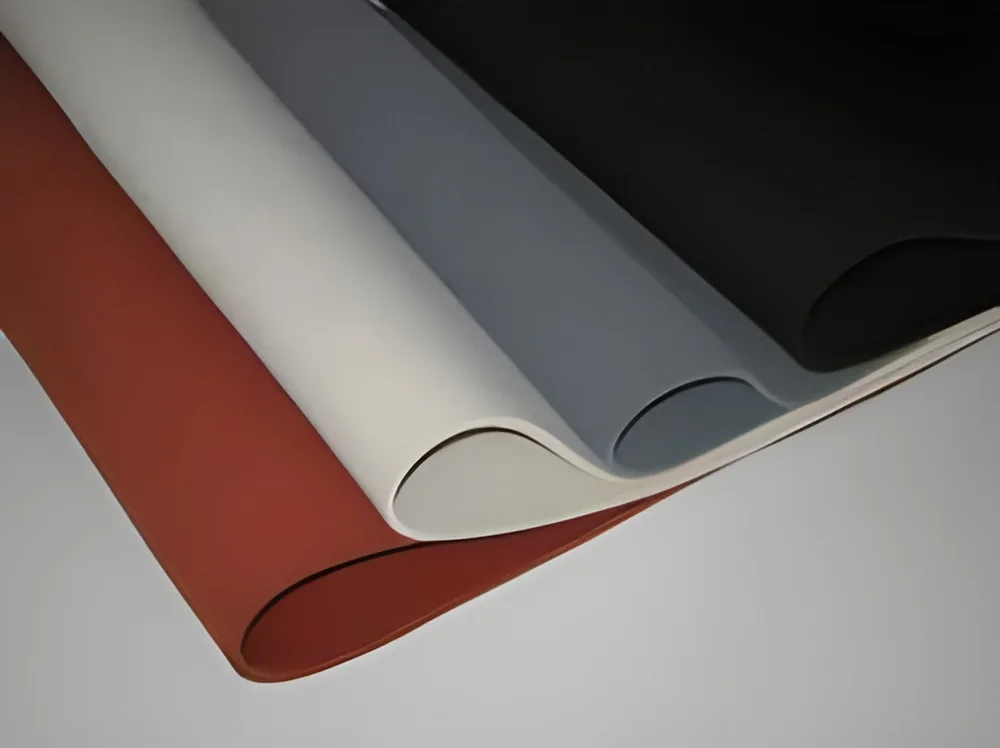
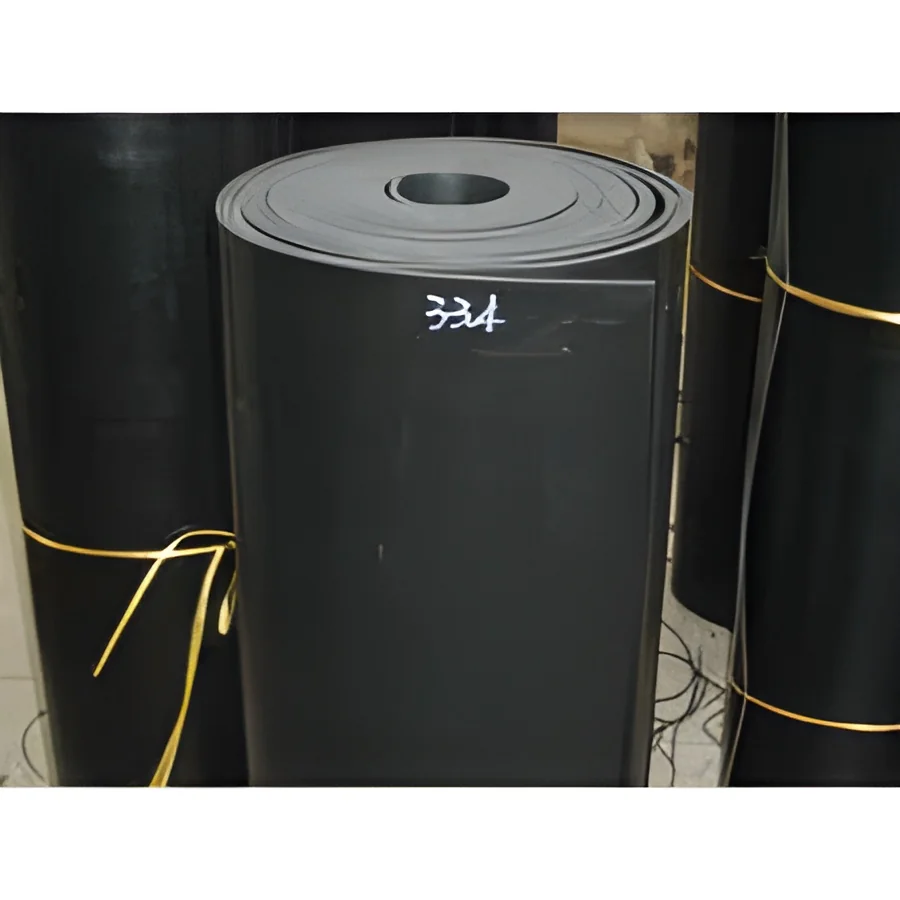
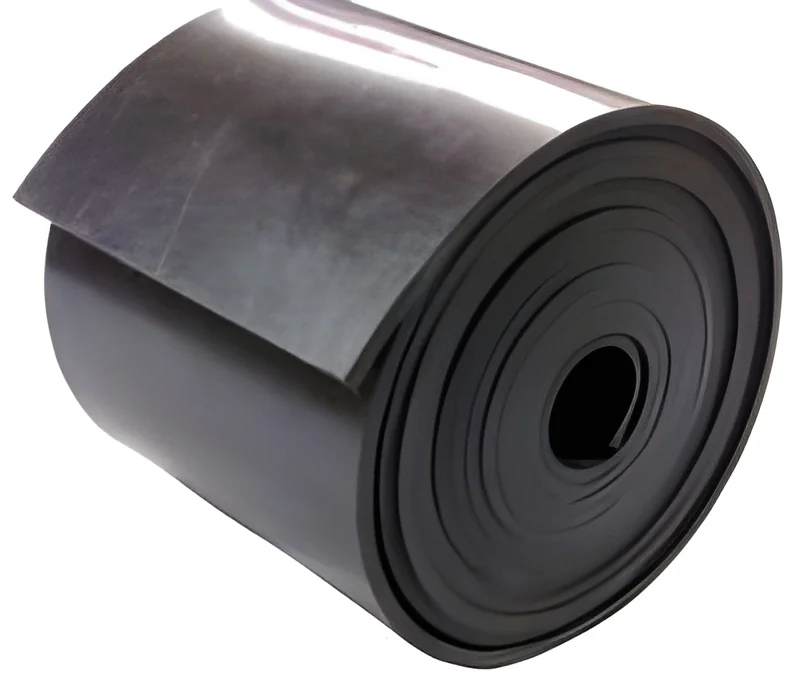
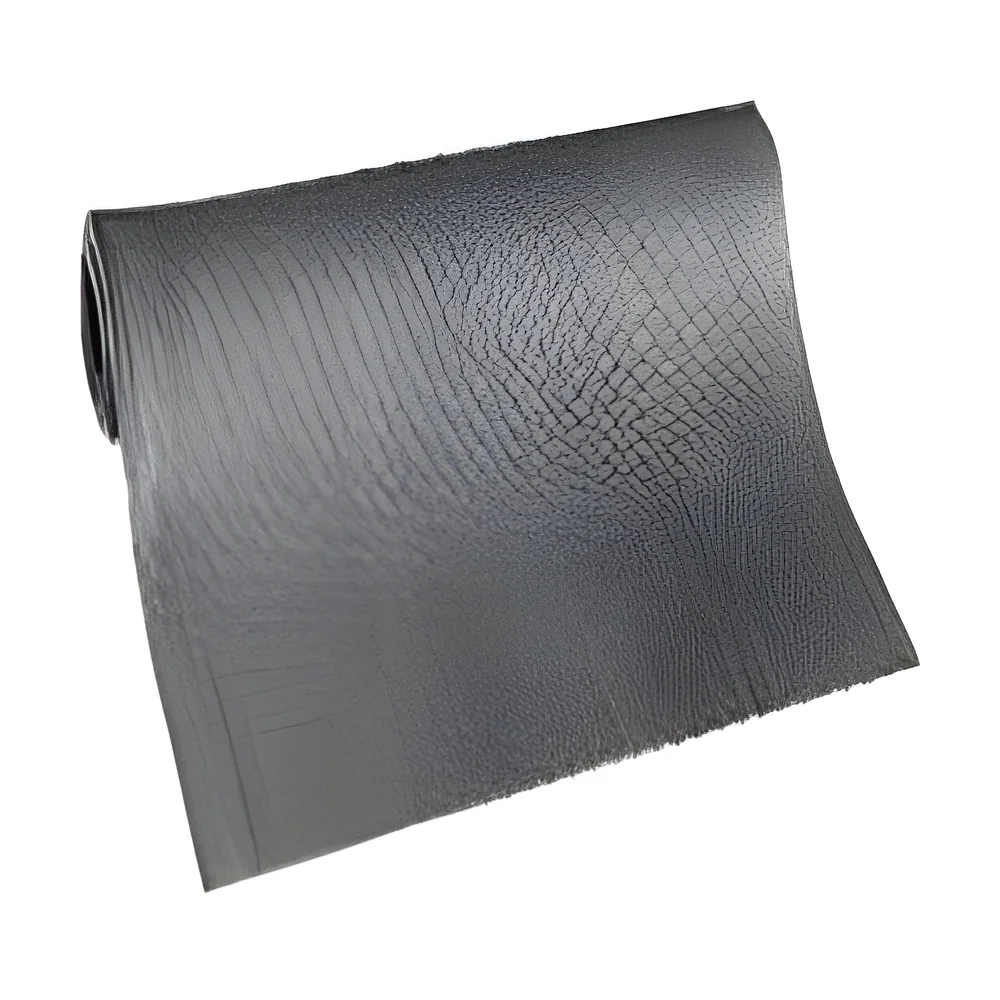
Our electrical insulation mats represent the highest standard in workplace electrical safety, manufactured from premium synthetic rubber in strict compliance with IS 15652:2006 standards. These specialized safety mats are engineered to provide reliable insulation against electrical shocks in environments where high voltage equipment poses significant risks. Available in both smooth and textured finishes, they offer superior dielectric strength and durability across various thickness options. Each mat undergoes rigorous quality testing to ensure consistent performance and long-term reliability in demanding electrical environments, providing essential protection where electrical hazards exist.

These insulation mats serve critical roles across multiple industries where electrical safety is non-negotiable. Power generation facilities, including thermal, hydroelectric, and renewable energy plants, depend on them for protecting personnel around high-voltage equipment. Electrical substations...
Our electrical insulation mats represent the highest standard in workplace electrical safety, manufactured from premium synthetic rubber in strict compliance with IS 15652:2006 standards. These specialized safety mats are engineered to provide reliable insulation against electrical shocks in environments where high voltage equipment poses significant risks. Available in both smooth and textured finishes, they offer superior dielectric strength and durability across various thickness options. Each mat undergoes rigorous quality testing to ensure consistent performance and long-term reliability in demanding electrical environments, providing essential protection where electrical hazards exist.

These insulation mats serve critical roles across multiple industries where electrical safety is non-negotiable. Power generation facilities, including thermal, hydroelectric, and renewable energy plants, depend on them for protecting personnel around high-voltage equipment. Electrical substations utilize these mats to establish safe working zones around switchgear and transformers. Manufacturing industries with heavy electrical machinery, industrial maintenance operations, data centers, and commercial buildings with extensive electrical systems all benefit from these protective mats. They function as fundamental safety components wherever personnel work near live electrical components or potential shock hazards.

The business value of these electrical insulation mats extends beyond basic safety compliance to encompass operational reliability and comprehensive risk mitigation. By investing in high-quality insulation protection, businesses significantly reduce workplace accident risks, minimize operational downtime due to electrical incidents, and avoid costly regulatory penalties. The mats' durable construction ensures extended service life with minimal maintenance requirements, delivering excellent long-term return on investment. Multiple specification options enable businesses to select precisely the right configurations for their specific voltage requirements, environmental conditions, and spatial constraints. This adaptability, combined with proven reliability, makes these mats a strategic investment for organizations prioritizing electrical safety and operational continuity.

Key Features:
- Premium high-grade synthetic rubber construction for superior electrical insulation
- Full compliance with IS 15652:2006 standards ensuring regulatory adherence
- Available in smooth and textured finishes to accommodate different traction needs
- Multiple thickness options designed for various voltage protection requirements
- Standard sizes and specifications to meet diverse application demands

Benefits:
- Provides reliable protection against electrical shocks in high-risk environments
- Ensures compliance with workplace safety standards and regulations
- Delivers durable performance with resistance to oils, chemicals, and temperature variations
- Supports operational continuity by minimizing electrical safety incidents
- Offers long service life with minimal maintenance requirements for cost efficiency
Specifications
| Additional Information | |
|---|---|
| Country of Origin | India |
Application
These electrical insulation mats provide critical protection against electrical shocks in environments with high-voltage equipment. Engineered from premium synthetic rubber, they withstand extreme conditions while ensuring worker safety and operational continuity across industrial and utility settings. The mats serve as essential safety barriers where direct contact with live electrical components is possible, preventing accidents and ensuring compliance with workplace safety standards.
Ideal for deployment in power generation facilities, electrical substations, manufacturing plants, and industrial maintenance areas. These insulation mats create secure working zones around switchboards, control panels, transformers, and other high-voltage equipment. Their durable construction maintains reliable insulation properties even when exposed to oils, chemicals, and temperature variations, providing consistent performance in demanding operational environments.
- Creating safe working perimeters around high-voltage switchgear and control panels in electrical substations
- Providing essential insulation at power generation facilities including thermal, hydro, and renewable energy plants
- Ensuring worker protection in manufacturing plants operating heavy electrical machinery and equipment
- Installing in data centers and server rooms to safeguard technicians maintaining electrical systems
- Using during industrial maintenance operations for temporary insulation during electrical repair and servicing
Trade Details
| Available Stock | In Stock |
| Sample Availability | No |
Payment Terms
| Payment Terms |
|
Company Profile
Dynamics Corporation, Maharashtra
 Maharashtra, India
Maharashtra, IndiaRaw Materials & Chemicals•Manufacturer•Importer / Exporter
Factory Details
Factory SizeBelow 1000 sqm
Annual Production Capacity0
Main Markets
South Asia
Electrical Insulation Mats High Grade Synthetic Rubber IS 15652:2006
High-grade synthetic rubber electrical insulation mats compliant with IS 15652:2006 deliver reliable protection in high-voltage environments with smooth/textured finishes and multiple size options for industrial safety applications.
Min. Order Quantity: 1 unit
Shipping
Shipping fee and delivery date to be negotiated. Contact supplier now for more details.
Dynamics Corporation
 Maharashtra, India
Maharashtra, IndiaRaw Materials & ChemicalsManufacturer