IN
IN₹
Apparel & Fashion
Description
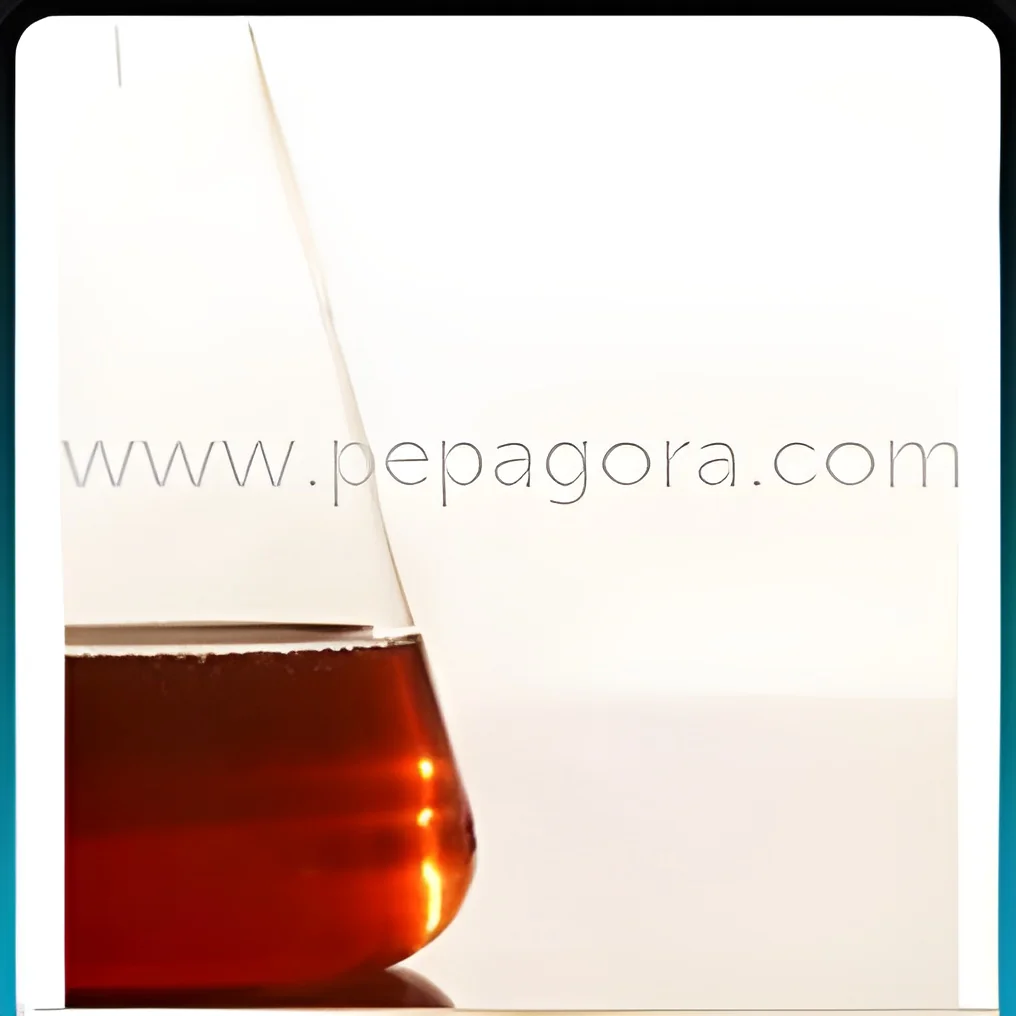
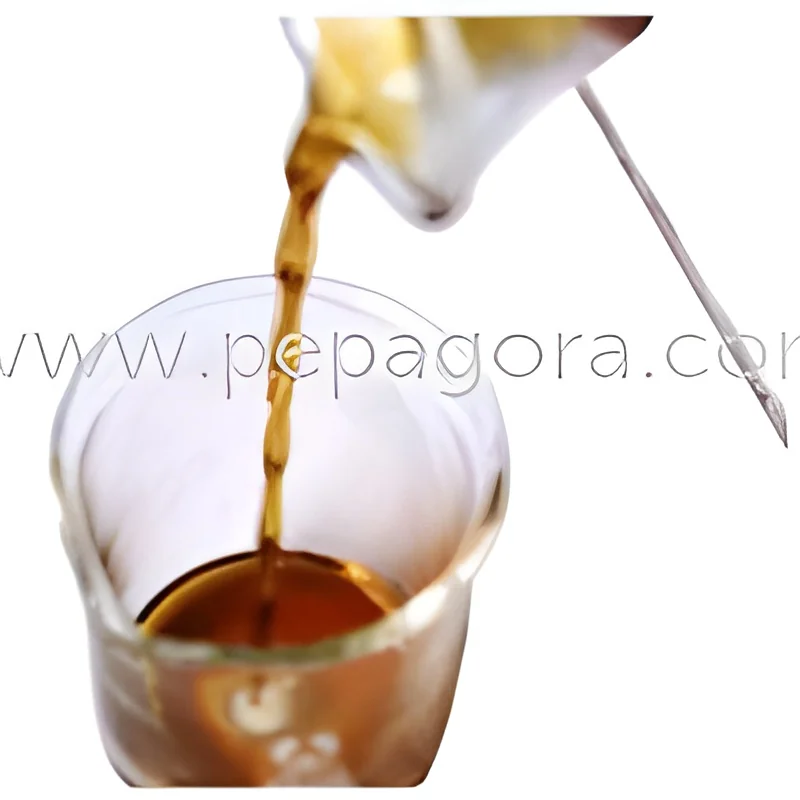
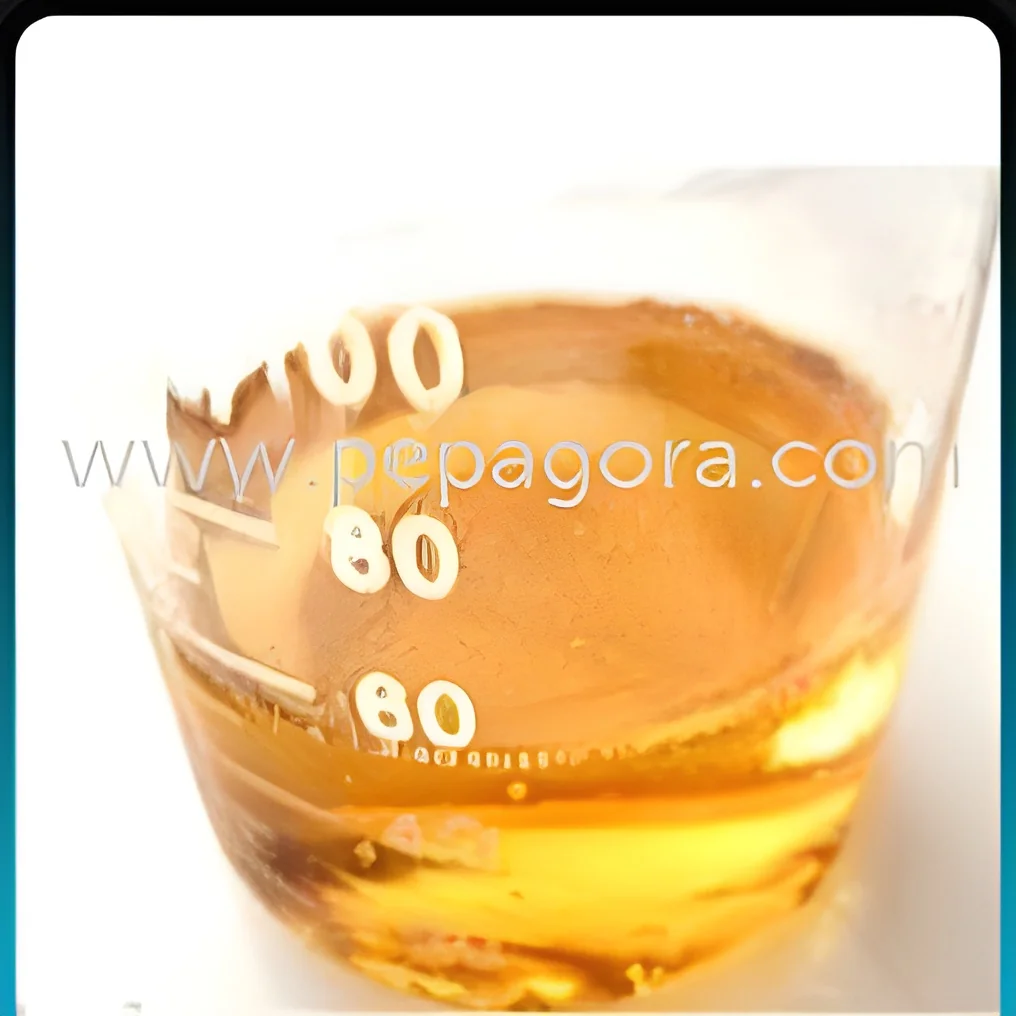
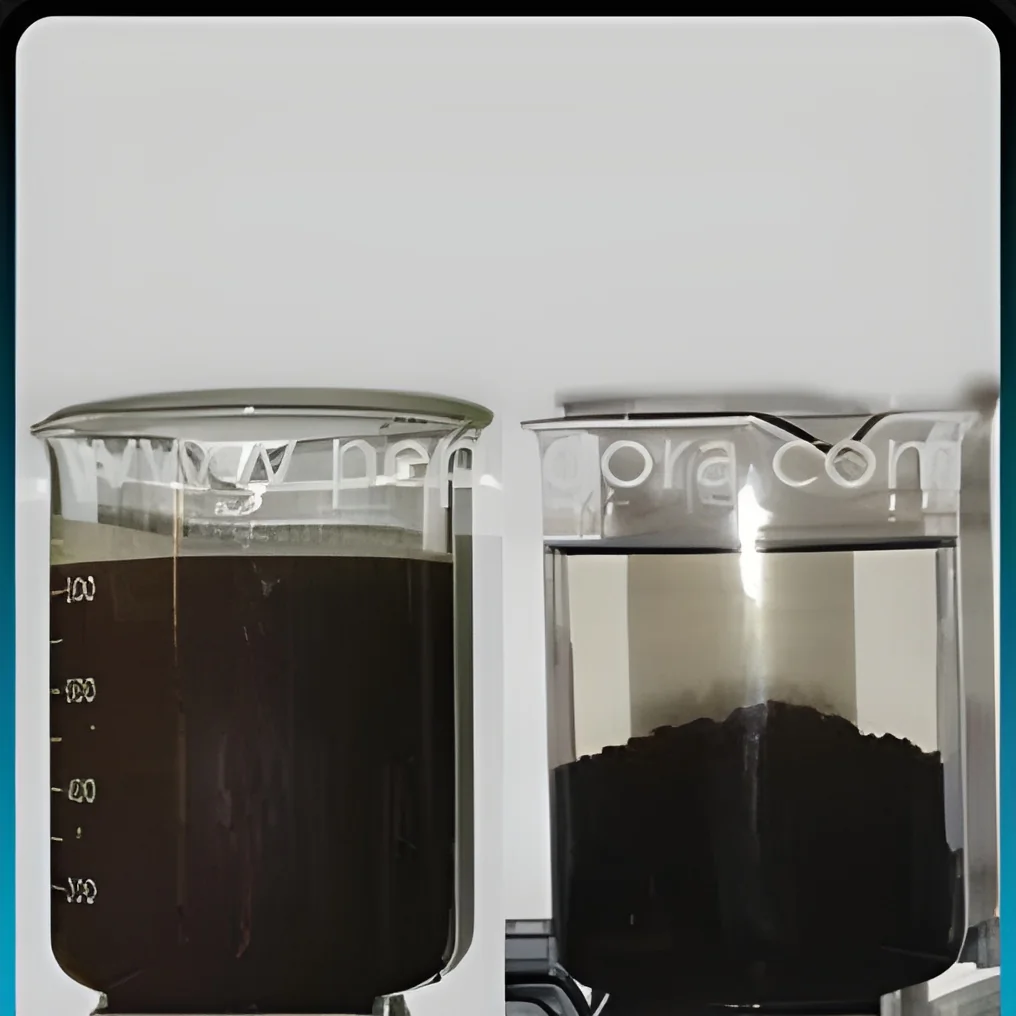
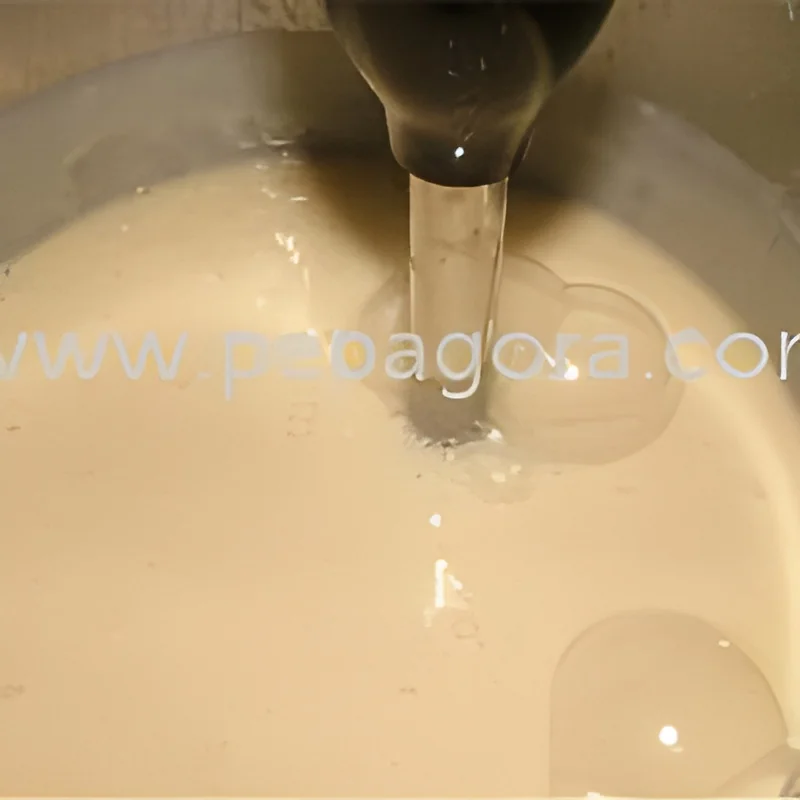
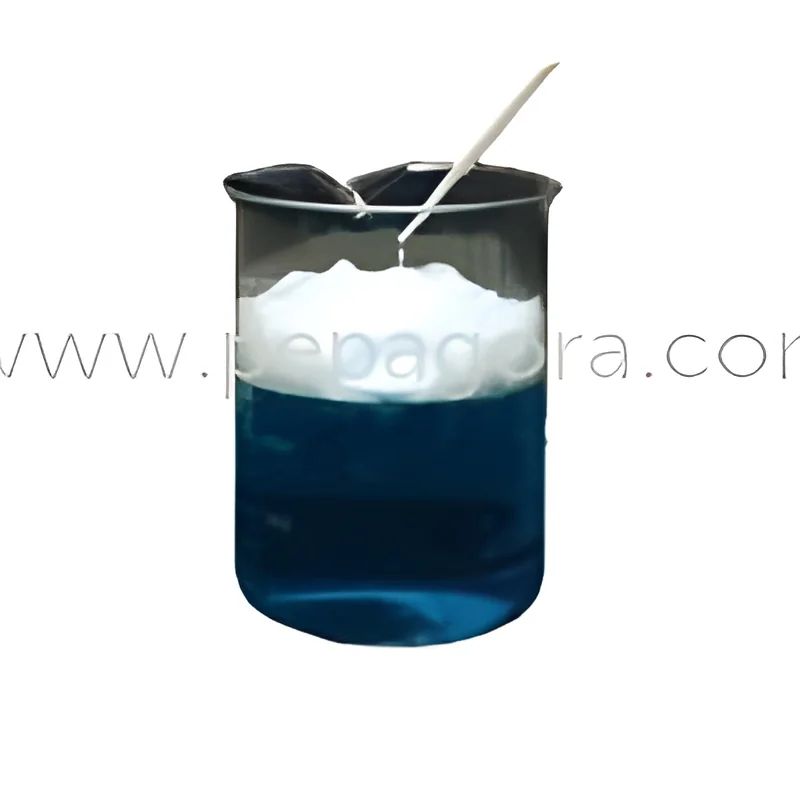
Industrial Wastewater Treatment Additive 5802 represents a significant advancement in sustainable wastewater management. This high-performance cationic polymer coagulant is derived from vegetable-based sources, offering an effective and environmentally conscious solution for industrial effluent treatment. It functions by neutralizing the charges on suspended particles and dissolved contaminants, promoting rapid agglomeration into larger, settleable flocs. This process enhances solid-liquid separation, resulting in clearer water and more manageable sludge. Its precise formulation ensures reliable performance across variable wastewater conditions, providing plant operators with a dependable tool to meet stringent discharge standards while reducing reliance on harsher, conventional chemicals.

This additive finds critical application in numerous industries where wastewater treatment is a core operational requirement. In the pharmaceutical sector, it tackles complex organic molecules and r...
Industrial Wastewater Treatment Additive 5802 represents a significant advancement in sustainable wastewater management. This high-performance cationic polymer coagulant is derived from vegetable-based sources, offering an effective and environmentally conscious solution for industrial effluent treatment. It functions by neutralizing the charges on suspended particles and dissolved contaminants, promoting rapid agglomeration into larger, settleable flocs. This process enhances solid-liquid separation, resulting in clearer water and more manageable sludge. Its precise formulation ensures reliable performance across variable wastewater conditions, providing plant operators with a dependable tool to meet stringent discharge standards while reducing reliance on harsher, conventional chemicals.

This additive finds critical application in numerous industries where wastewater treatment is a core operational requirement. In the pharmaceutical sector, it tackles complex organic molecules and residual solvents. Textile manufacturers utilize it to remove persistent dyes and chemical auxiliaries. Chemical production facilities rely on it for treating streams containing emulsified oils, greases, and certain metal ions. The food and beverage industry employs it to address high organic loads from processing. Furthermore, it integrates seamlessly into municipal treatment works to boost primary clarification and sludge conditioning. Its versatility makes it a cornerstone product for any operation seeking to improve effluent quality, ensure regulatory compliance, and adopt more sustainable practices.

Choosing Industrial Wastewater Treatment Additive 5802 delivers tangible business value through enhanced operational reliability and cost efficiency. Its high activity reduces the dosage required compared to many alternatives, directly lowering chemical procurement and handling costs. The formation of denser, more biodegradable sludge simplifies dewatering and can reduce disposal expenses. By maintaining a neutral pH, it minimizes corrosion risk to pipelines and equipment, extending asset lifespan. The product's consistency ensures predictable treatment outcomes, reducing process upsets and the risk of non-compliance penalties. For serious buyers, this translates into a robust return on investment, safeguarding both operational continuity and environmental stewardship.

Key Features:
- Vegetable-based cationic organic polymer formulation for sustainable and effective coagulation.
- High-purity composition ensures consistent, reliable performance in diverse wastewater streams.
- Functions as a primary coagulant and flocculating agent to enhance solid-liquid separation.
- Promotes the formation of fast-settling, dense flocs for improved clarification and sludge volume reduction.
- Treated effluent typically maintains a neutral pH, often eliminating the need for post-treatment pH adjustment.

Benefits:
- Reduces overall chemical consumption and handling requirements, lowering operational costs.
- Generates readily biodegradable sludge, simplifying disposal and supporting sustainable waste management.
- Enhances treatment process reliability and consistency, helping ensure compliance with discharge regulations.
- Compatible with existing treatment systems, allowing for easy integration without major process changes.
- Derived from renewable sources, offering an eco-friendlier alternative to synthetic polymers.
Specifications
| Additional Information | |
|---|---|
| Country of Origin | India |
Application
Industrial Wastewater Treatment Additive 5802 is engineered for demanding industrial effluent streams. Its cationic polymer formulation acts as a powerful coagulant and flocculant, effectively binding with suspended solids, oils, greases, and complex organic contaminants. This action creates dense, fast-settling flocs that significantly improve clarification and dewatering efficiency, leading to clearer effluent and reduced sludge volume.
This additive is compatible with a wide range of wastewater treatment systems, including physical-chemical processes and biological treatment stages. It maintains a neutral pH in treated water, eliminating the need for additional pH adjustment chemicals. Industries with high contaminant loads find it indispensable for achieving consistent discharge quality, reducing overall chemical consumption, and streamlining their treatment operations for better cost control and environmental compliance.
- Treating pharmaceutical manufacturing wastewater to remove active pharmaceutical ingredients and organic compounds for regulatory discharge compliance.
- Clarifying textile dyeing and finishing effluents by effectively removing color, chemical residues, and suspended solids.
- Managing food processing wastewater to reduce high Biological Oxygen Demand (BOD) and Chemical Oxygen Demand (COD) levels before discharge or reuse.
- Enhancing flocculation in chemical plant effluent streams, particularly for treating emulsified oils and heavy metal suspensions.
- Improving sludge dewatering in municipal and industrial treatment plants to reduce volume and lower disposal costs.
Trade Details
| Available Stock | In Stock |
| Sample Availability | No |
Payment Terms
| Payment Terms |
|
Company Profile
Harmony Additive Pvt Ltd, Maharashtra
 Maharashtra, India
Maharashtra, IndiaRaw Materials & Chemicals•Manufacturer•Importer / Exporter
Factory Details
Factory SizeBelow 1000 sqm
Annual Production Capacity0
Industrial Wastewater Treatment Additive 5802 Cationic Polymer Coagulant
Industrial Wastewater Treatment Additive 5802 is a vegetable-based cationic polymer coagulant for efficient, eco-friendly effluent treatment. It reduces chemical use and ensures biodegradable sludge.
Min. Order Quantity: 1 unit
Shipping
Shipping fee and delivery date to be negotiated. Contact supplier now for more details.
Harmony Additive Pvt Ltd
 Maharashtra, India
Maharashtra, IndiaRaw Materials & ChemicalsManufacturer