IN
IN₹
Apparel & Fashion
Loading subcategories...
View More
Description
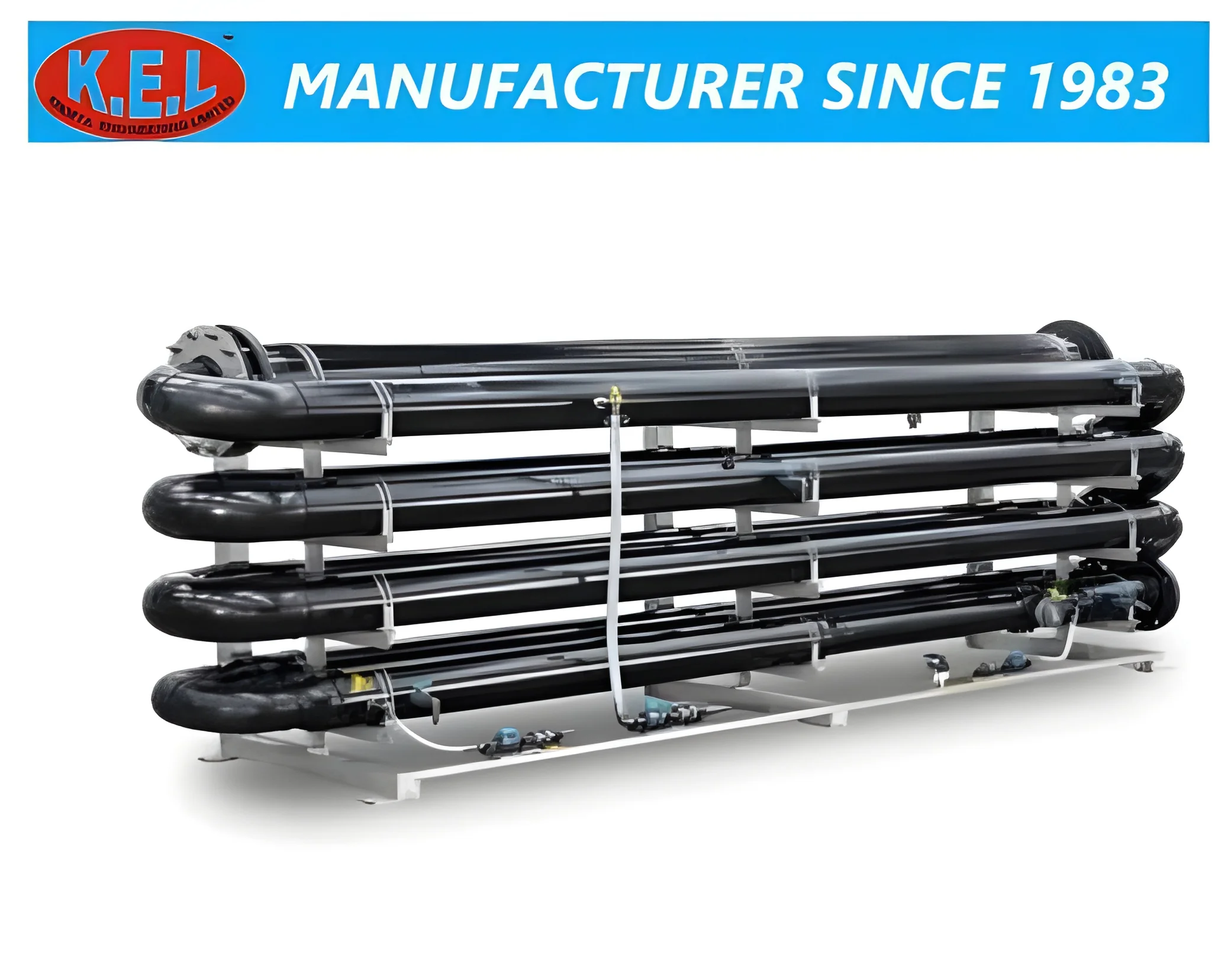
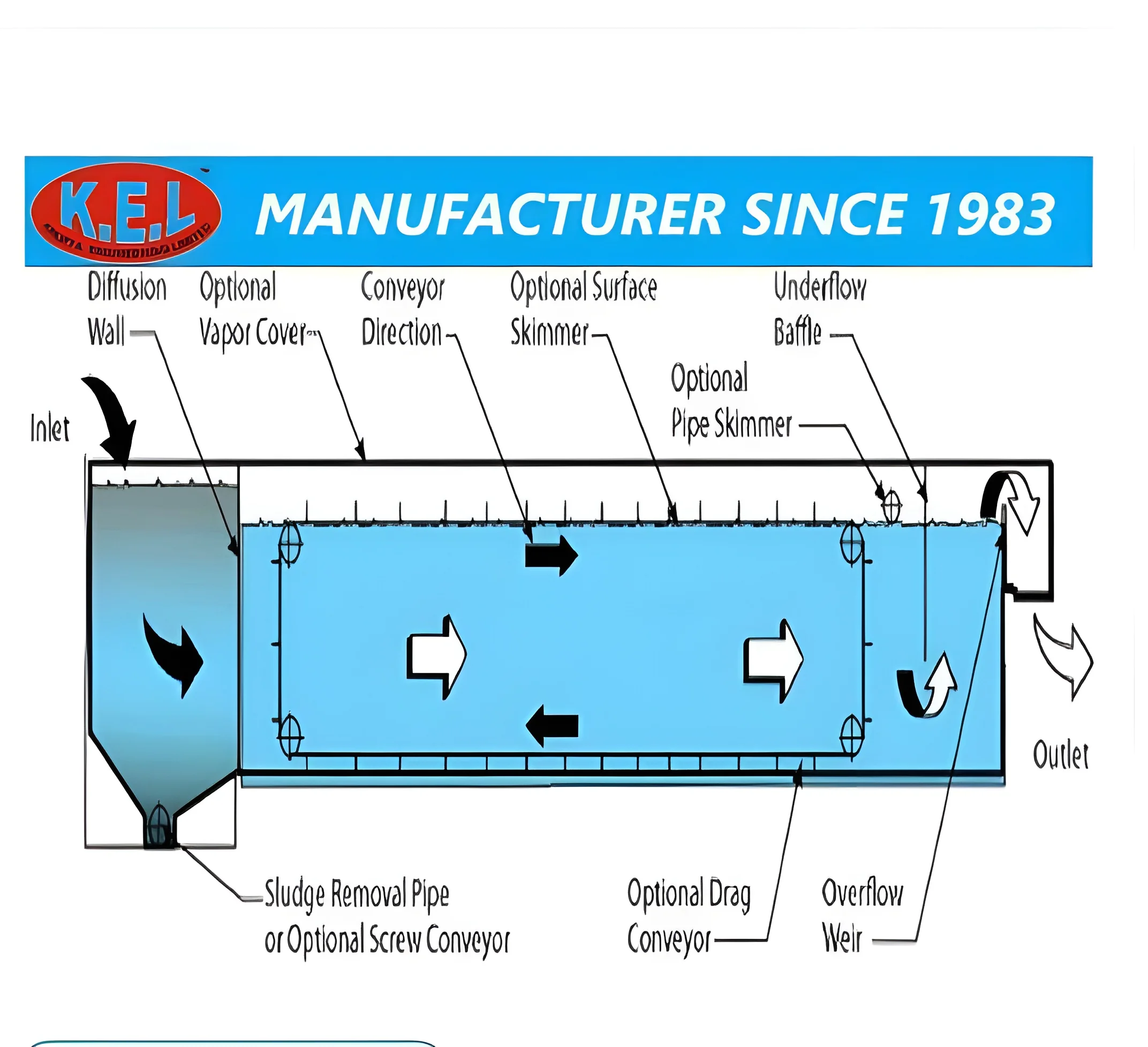
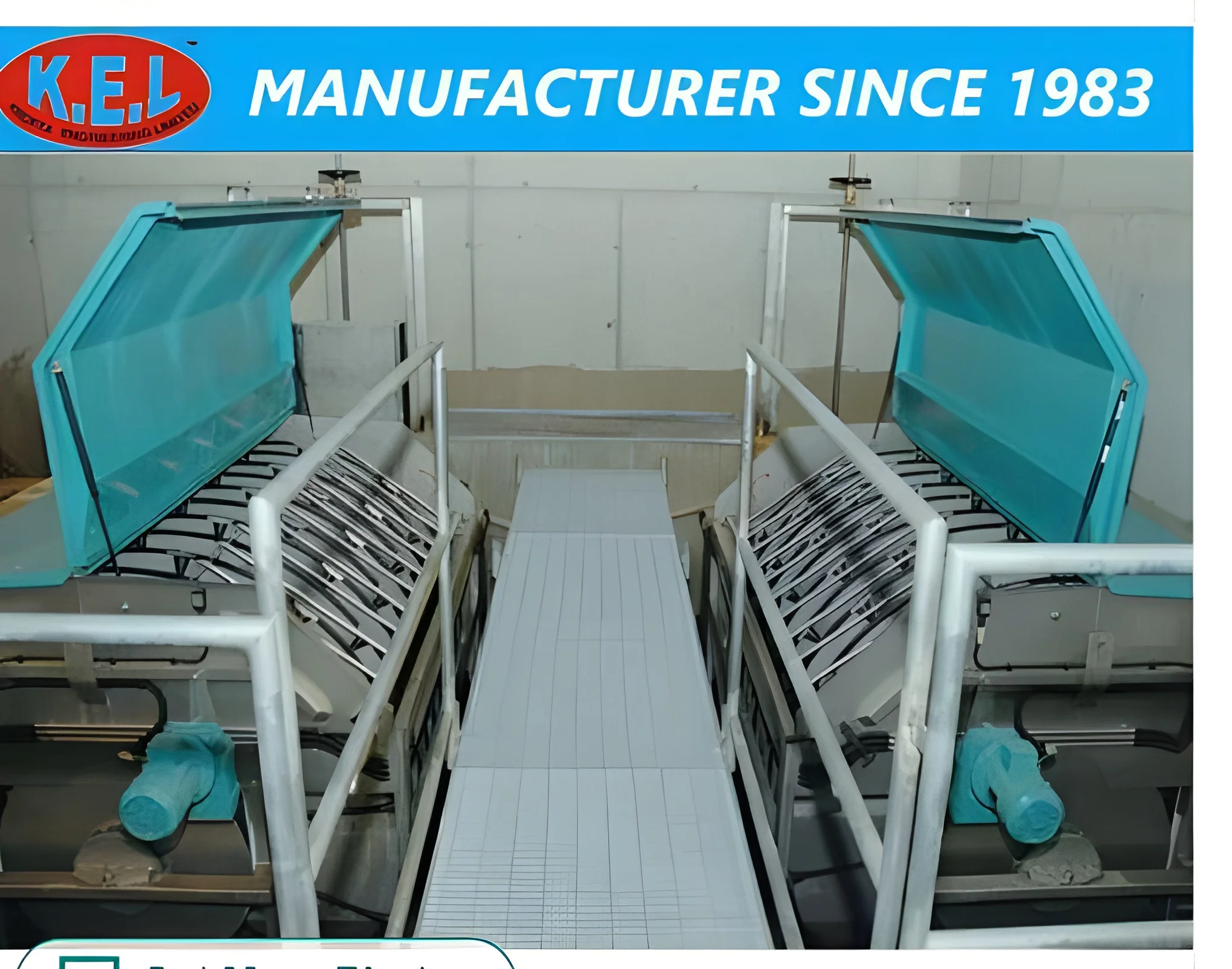
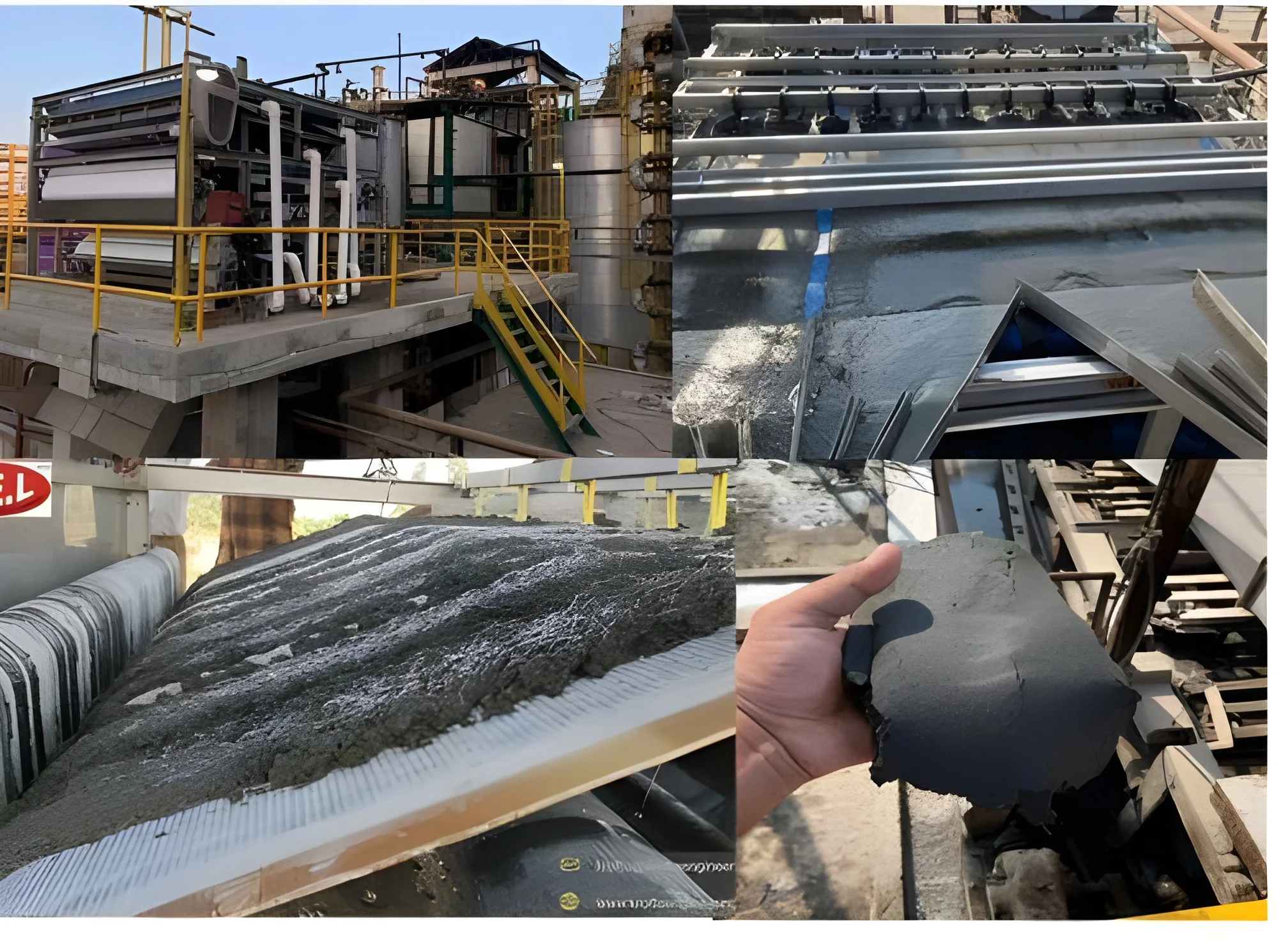
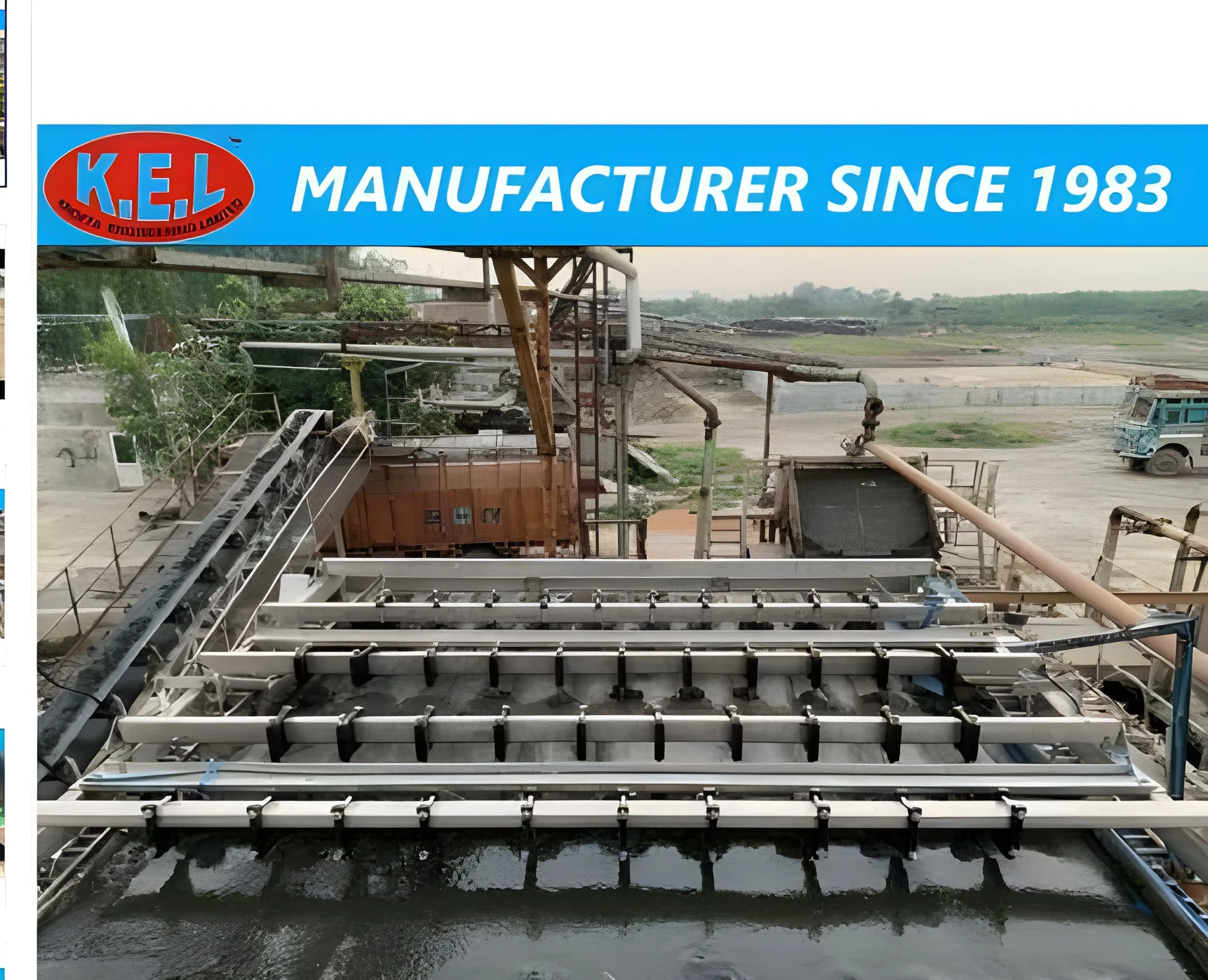
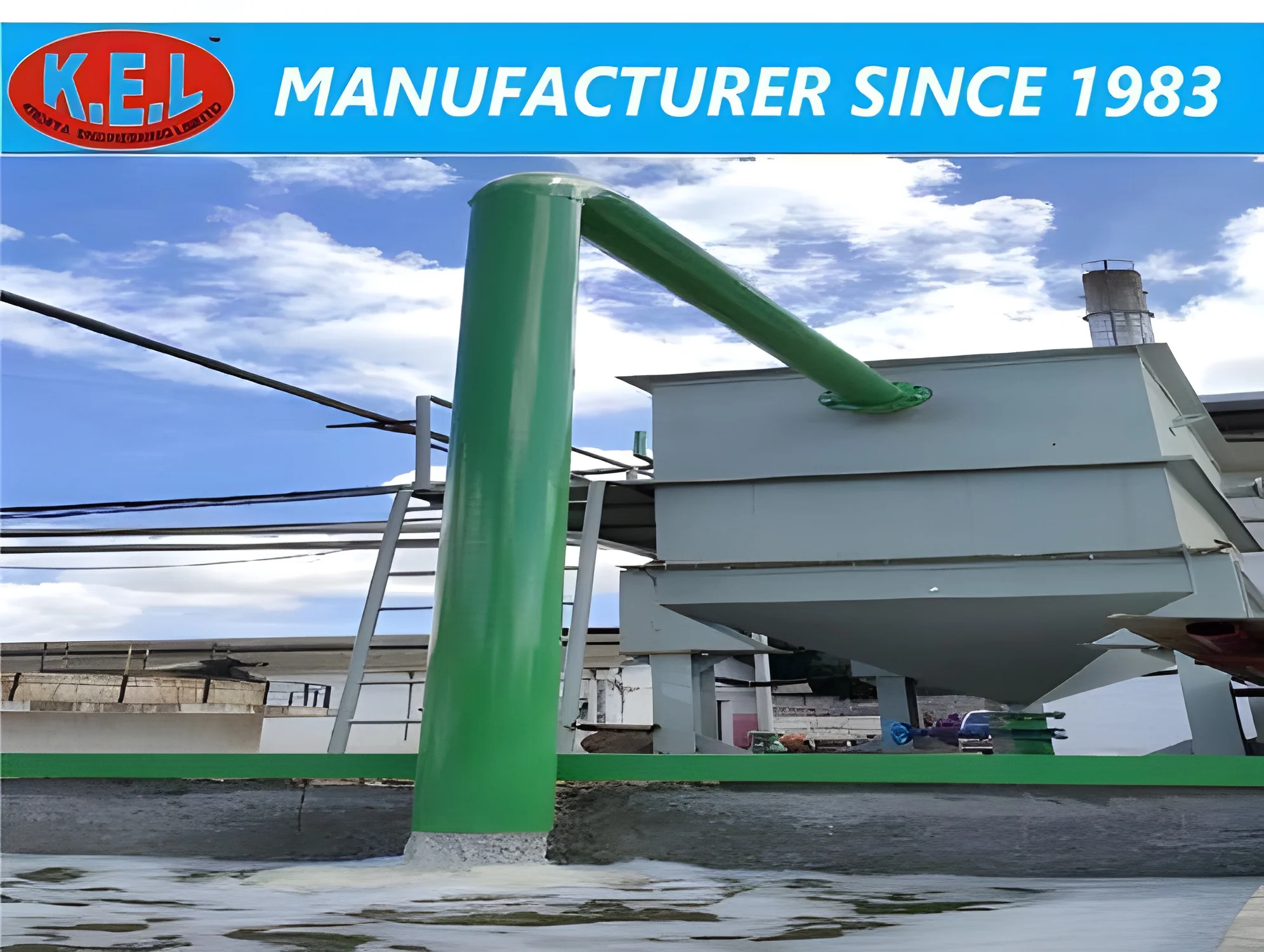
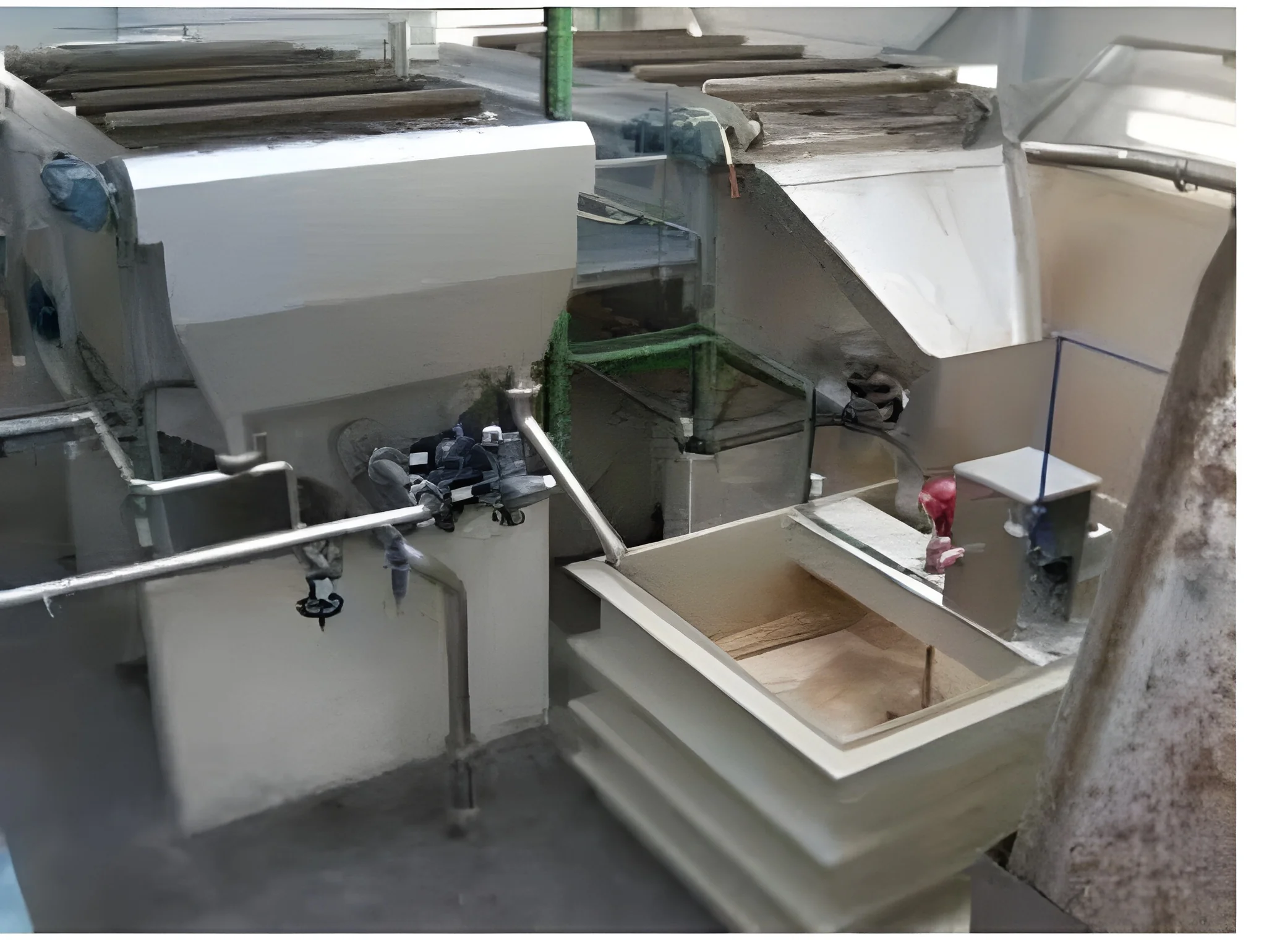
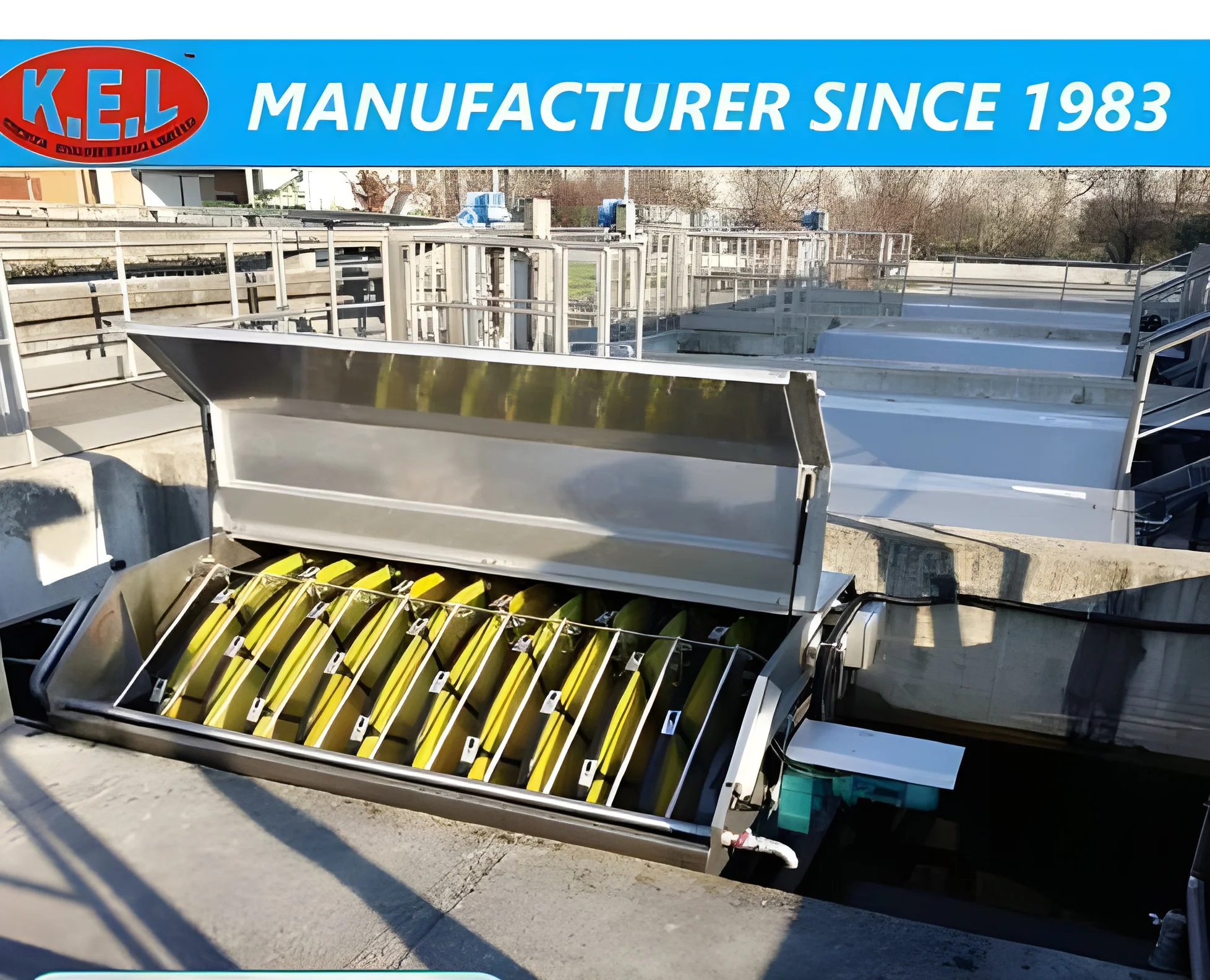
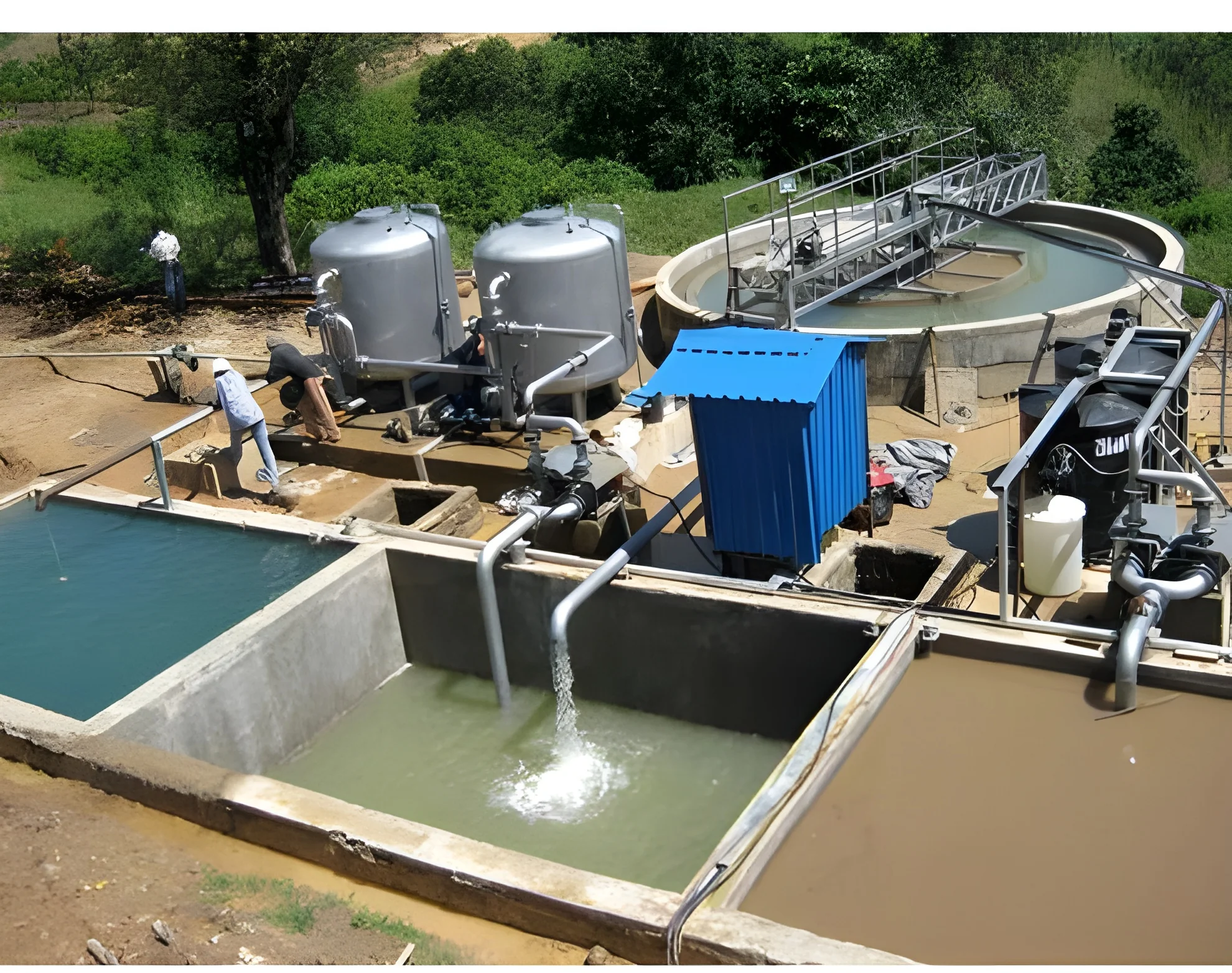
The Effluent Treatment Plant (ETP) from Krofta Engineering is a robust, integrated electro-mechanical system designed for comprehensive industrial wastewater management. It combines advanced physical, chemical, and biological processes to treat complex effluent streams, transforming them into water that meets or exceeds government-mandated discharge standards. The core objective is to provide industries with a reliable solution for environmental compliance while unlocking opportunities for water recycling and resource recovery. The system is built for durability and continuous operation, featuring automated controls that minimize manual intervention and ensure consistent treatment quality, making it a dependable cornerstone for sustainable industrial operations.

This ETP finds essential application across numerous heavy and light manufacturing sectors. In the textile and apparel industry, it tackles highly colored and chemically laden dyehouse wastewater. Chemical and pharmaceutical p...
The Effluent Treatment Plant (ETP) from Krofta Engineering is a robust, integrated electro-mechanical system designed for comprehensive industrial wastewater management. It combines advanced physical, chemical, and biological processes to treat complex effluent streams, transforming them into water that meets or exceeds government-mandated discharge standards. The core objective is to provide industries with a reliable solution for environmental compliance while unlocking opportunities for water recycling and resource recovery. The system is built for durability and continuous operation, featuring automated controls that minimize manual intervention and ensure consistent treatment quality, making it a dependable cornerstone for sustainable industrial operations.

This ETP finds essential application across numerous heavy and light manufacturing sectors. In the textile and apparel industry, it tackles highly colored and chemically laden dyehouse wastewater. Chemical and pharmaceutical plants utilize it to treat streams containing solvents, APIs, and complex organics. Food processing units employ the system to handle high-BOD organic waste, while metal finishing and electroplating industries rely on it for removing heavy metals. Essentially, any industry facing stringent discharge limits or seeking to implement zero-liquid discharge (ZLD) initiatives can integrate this plant to achieve its environmental and operational goals effectively.

Investing in this ETP delivers significant business value by mitigating regulatory risks and reducing long-term operational costs associated with water procurement and effluent disposal. The system's reliability is proven in diverse industrial settings, offering peace of mind through consistent performance and minimal downtime. A key differentiator is its biogas recovery capability from anaerobic treatment stages, which converts waste into usable energy, providing an additional return on investment. This combination of compliance assurance, cost savings, and energy recovery makes the plant not just an expense, but a strategic asset for forward-thinking manufacturing facilities committed to sustainability and operational excellence.

Key Features:
- Integrated electro-mechanical design combining physical, chemical, and biological treatment stages.
- Automated control system for consistent operation and reduced manual oversight.
- Anaerobic treatment section for effective organic load reduction and biogas generation.
- Constructed with corrosion-resistant materials for long service life in harsh environments.
- Modular and scalable configuration to accommodate varying flow rates and effluent characteristics.

Benefits:
- Ensures treated wastewater consistently meets local and national regulatory discharge standards.
- Enables safe reuse of treated water in cooling, washing, or other non-potable processes, reducing freshwater intake.
- Lowers overall operational costs through reduced water bills, lower disposal fees, and biogas energy recovery.
- Minimizes environmental footprint by effectively removing pollutants and supporting sustainable water management.
- Provides a reliable, low-maintenance solution that reduces the risk of non-compliance penalties and operational disruptions.
Specifications
| Additional Information | |
|---|---|
| Country of Origin | India |
| Customisable | No |
Application
This electro-mechanical Effluent Treatment Plant (ETP) is engineered for industries generating substantial wastewater streams. It effectively processes complex industrial effluents, removing contaminants to comply with stringent environmental regulations. The system is designed for continuous operation, ensuring reliable performance in demanding manufacturing environments where consistent wastewater management is critical for both legal compliance and sustainable operations.
The plant's adaptable design suits a wide range of industrial sectors with varying effluent characteristics. From high-chemical load waste to organic-rich streams, the treatment process can be calibrated to achieve required purity levels. This versatility makes it a foundational investment for facilities aiming to minimize environmental impact, avoid regulatory penalties, and implement responsible water stewardship as part of their core operational strategy.
- Treating dyeing and printing wastewater in textile mills to remove color and chemicals for safe discharge.
- Processing effluent from chemical and pharmaceutical manufacturing to neutralize hazardous compounds before release.
- Managing organic wastewater in food and beverage production, reducing BOD/COD for reuse in non-potable applications.
- Handling metal-contaminated effluent from electroplating and surface treatment facilities to recover water.
- Treating wastewater in pulp and paper mills to remove suspended solids and organic matter for compliance.
Trade Details
| Available Stock | In Stock |
| Sample Availability | No |
Payment Terms
| Payment Terms |
|
Company Profile
Krofta Engineering Ltd., Haryana
 Haryana, India
Haryana, IndiaIndustrial Equipment & Machinery•Manufacturer•Importer / Exporter
Factory Details
Factory SizeBelow 1000 sqm
Krofta Engineering Effluent Treatment Plant (ETP) For Industrial Wastewater
Krofta Engineering Effluent Treatment Plant (ETP) is an electro-mechanical industrial wastewater solution that treats effluent to meet discharge standards, enabling water reuse and reducing operational costs with biogas recovery.
Min. Order Quantity: 1
Shipping
Shipping fee and delivery date to be negotiated. Contact supplier now for more details.
Krofta Engineering Ltd.
 Haryana, India
Haryana, IndiaIndustrial Equipment & MachineryManufacturer