IN
₹
Description
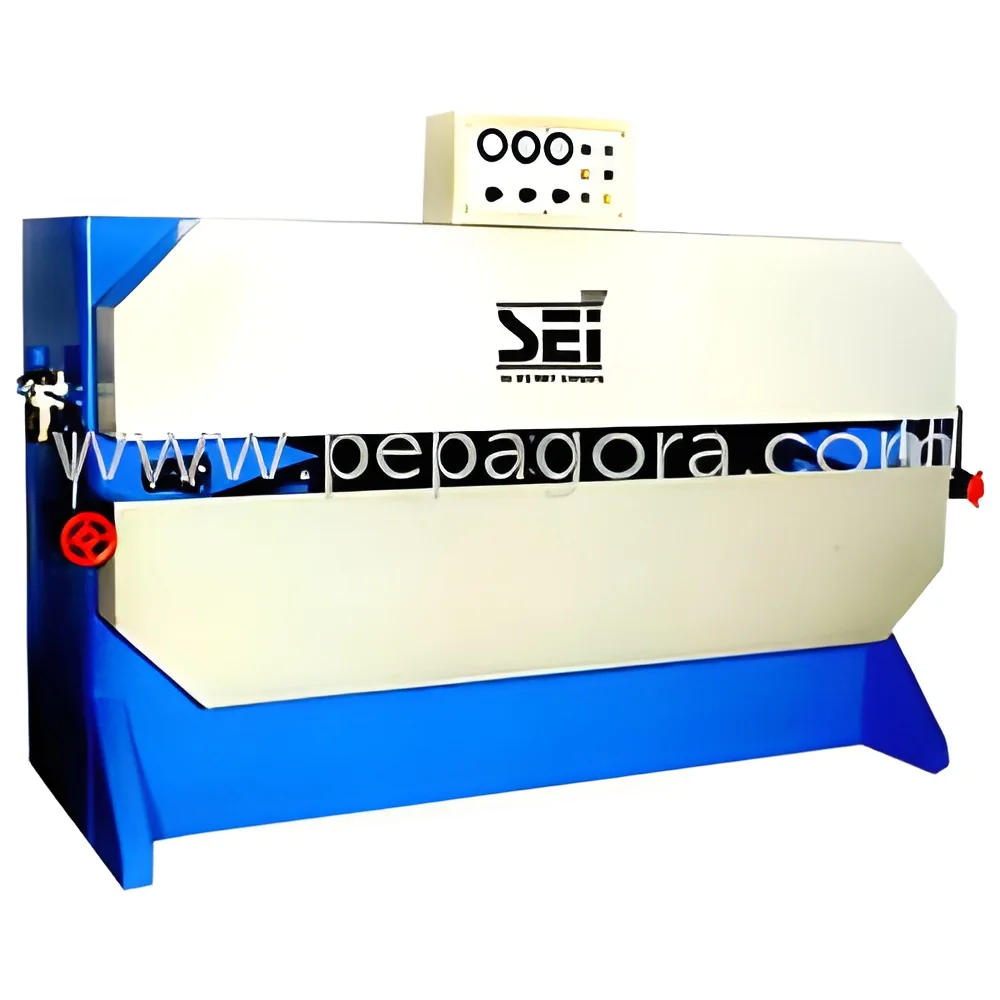
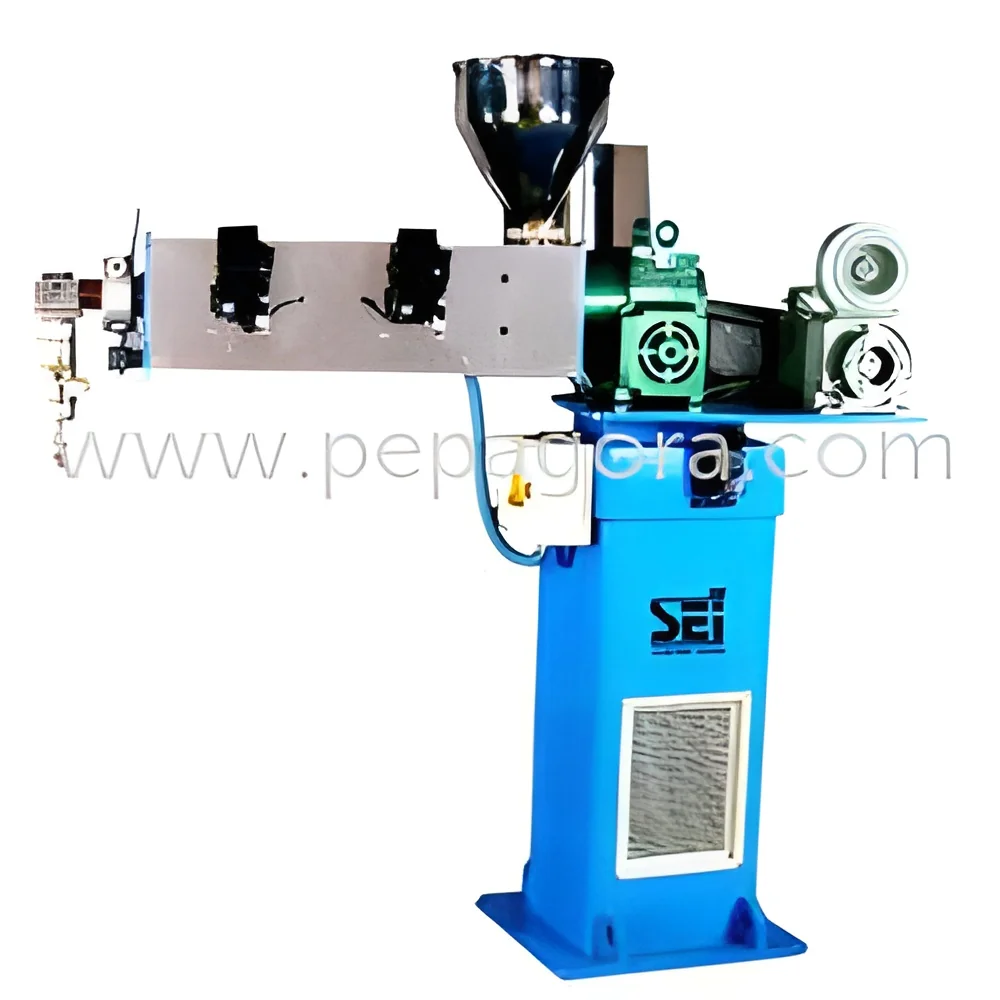
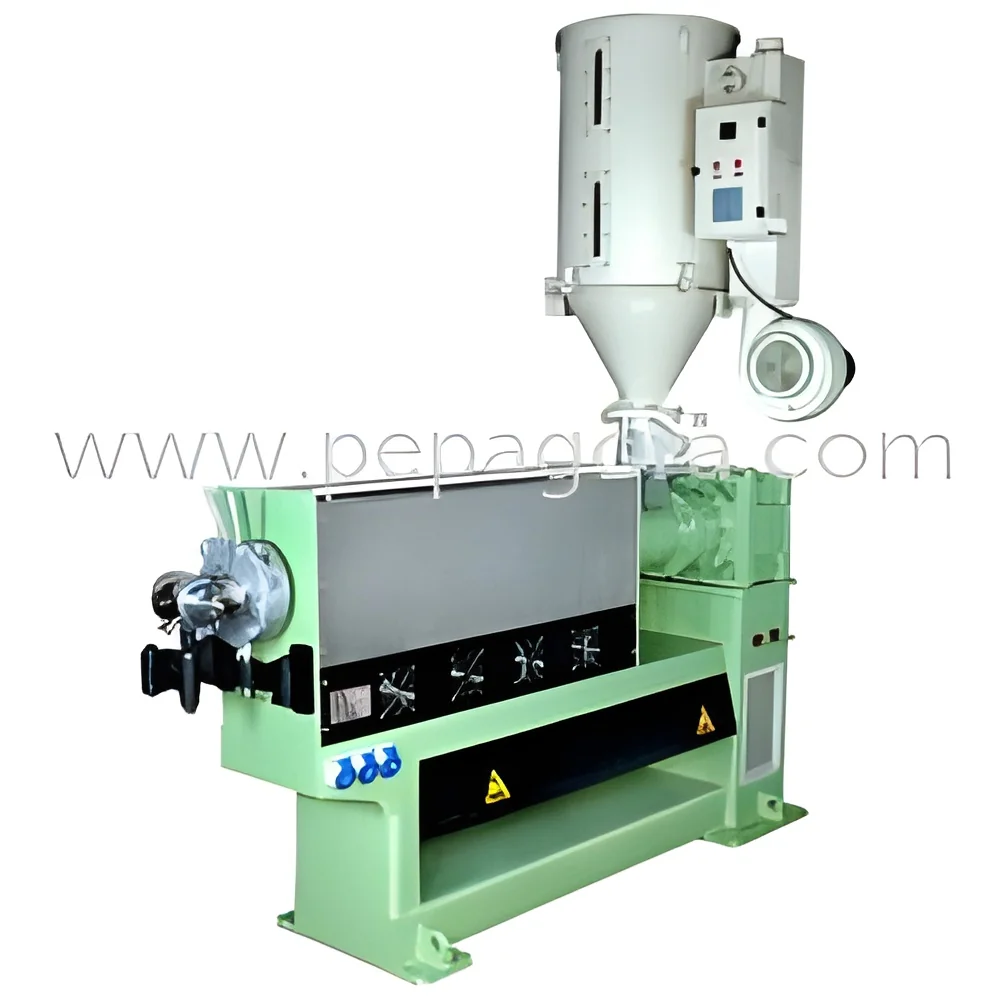
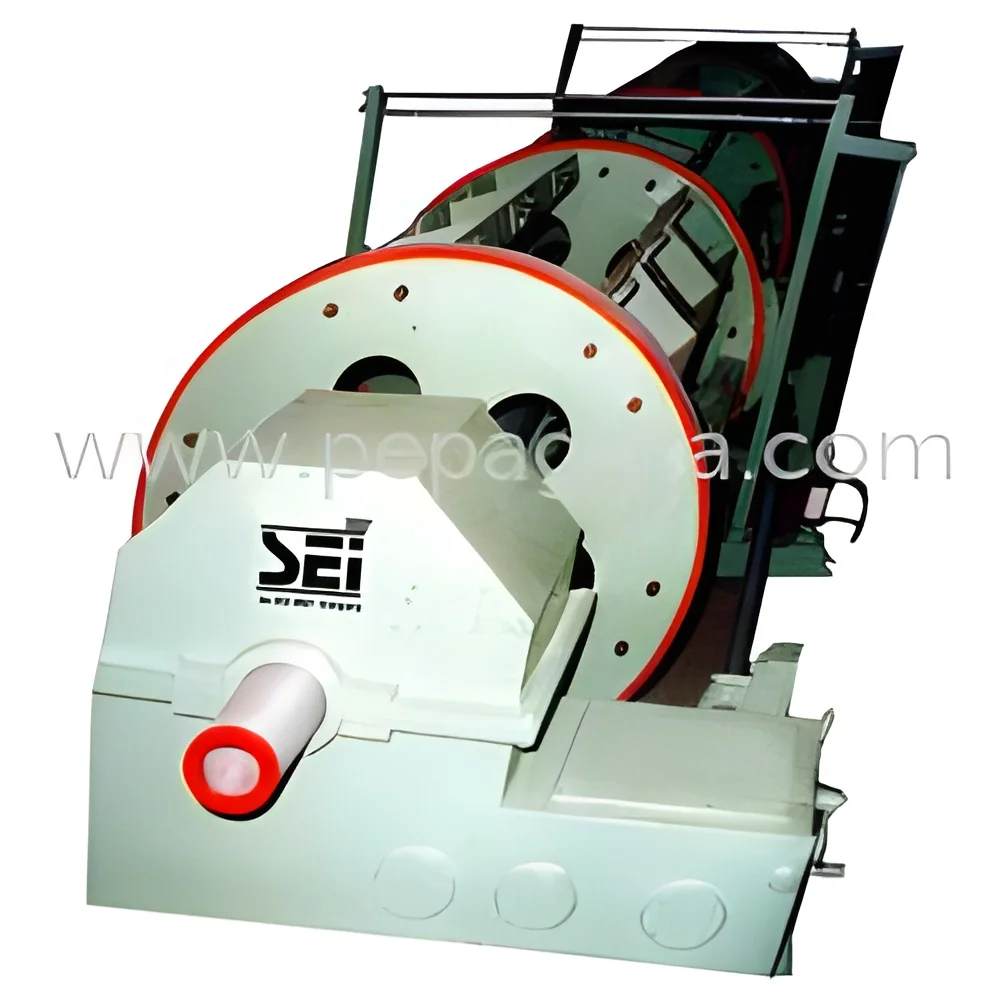
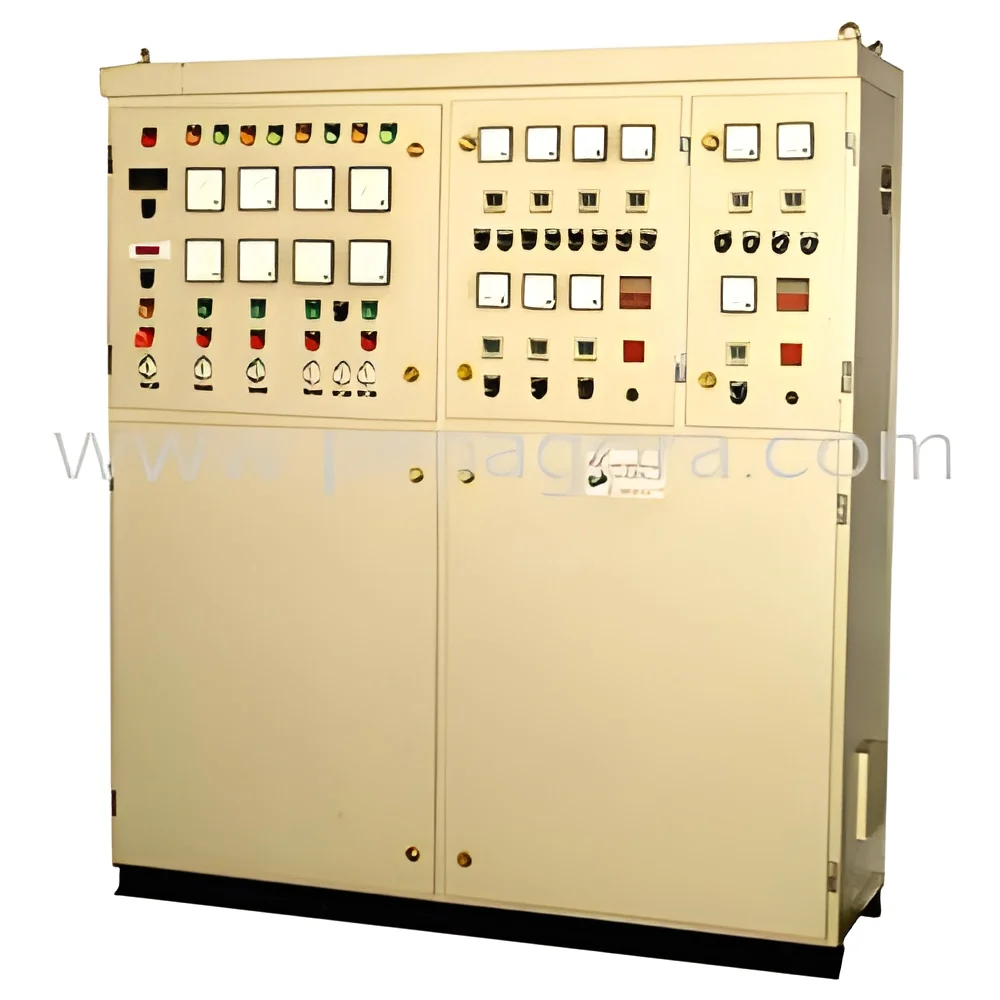
Industrial automation drive panels represent advanced control systems engineered to manage and synchronize motor drives in automated manufacturing environments. These panels deliver precise speed regulation, tension control, and energy-efficient operation while supporting a comprehensive range of drive options from basic DC to sophisticated AC frequency drives with PLC integration. Designed for reliability and performance, they ensure seamless coordination between critical machinery components including extruders, capstans, and take-up drives. This coordination enhances production speed while significantly reducing operational time and energy costs. The robust construction and adaptable design make these panels suitable for diverse industrial applications, providing scalable solutions for businesses focused on optimizing operational efficiency and minimizing production interruptions.

Multiple manufacturing sectors depend on drive panels to maintain high production standards and operat...
Industrial automation drive panels represent advanced control systems engineered to manage and synchronize motor drives in automated manufacturing environments. These panels deliver precise speed regulation, tension control, and energy-efficient operation while supporting a comprehensive range of drive options from basic DC to sophisticated AC frequency drives with PLC integration. Designed for reliability and performance, they ensure seamless coordination between critical machinery components including extruders, capstans, and take-up drives. This coordination enhances production speed while significantly reducing operational time and energy costs. The robust construction and adaptable design make these panels suitable for diverse industrial applications, providing scalable solutions for businesses focused on optimizing operational efficiency and minimizing production interruptions.

Multiple manufacturing sectors depend on drive panels to maintain high production standards and operational consistency. In plastics extrusion operations, these panels synchronize extruders and winders to prevent material breaks and ensure uniform output quality. Wire and cable manufacturing facilities utilize them for precise capstan control during drawing processes, while textile mills implement them for tension management in rewinding operations. Packaging production lines benefit from synchronized drives to prevent jams and maintain continuous operation, and printing presses achieve accurate color registration through integrated PLC systems. This broad industry application demonstrates their versatility and critical role in enhancing manufacturing precision across various production environments.

Drive panels deliver substantial business value by improving production throughput, reducing energy consumption, and lowering maintenance costs through reliable performance. Their design focuses on durability and precision engineering, which minimizes operational disruptions and extends machinery lifespan. This reliability makes them a trustworthy investment for businesses seeking to enhance their manufacturing capabilities. The ability to integrate with existing systems and support various drive technologies ensures these panels remain a future-proof choice for industries prioritizing automation advancement and operational efficiency. Their practical design addresses real-world manufacturing challenges while providing measurable improvements in production outcomes and cost management.

Key Features:
- Precise synchronization technology for extruders, capstans, and take-up drives
- Flexible drive options including DC digital and AC frequency with PLC integration
- Customizable configurations to meet specific technical and operational requirements
- Energy-efficient operation designed to reduce power consumption and operational costs
- Robust construction ensuring long-term durability and reliable performance

Benefits:
- Enhanced production speed and output consistency through precise synchronization
- Reduced energy consumption leading to lower operational costs and improved sustainability
- Minimal downtime due to reliable performance and durable construction
- Improved product quality through consistent tension and speed control
- Scalable solutions that adapt to various production requirements and budgets
Specifications
| Additional Information | |
|---|---|
| Country of Origin | India |
Application
Drive panels provide essential motor control and synchronization across industrial automation systems, ensuring consistent speed regulation and tension management. They support various drive technologies including DC digital and AC frequency options with PLC integration for seamless coordination between machinery. These systems deliver energy-efficient operation in manufacturing processes where accuracy and reliability are critical for production quality and output consistency.
Multiple industries rely on drive panels to enhance operational efficiency and minimize downtime in demanding production environments. Their adaptability to different power requirements and technical specifications makes them suitable for both small-scale operations and large industrial setups. This scalability provides practical solutions for improving production throughput while maintaining precise control over manufacturing processes and reducing energy consumption.
- Synchronizing extruders and take-up drives in plastic film production to maintain uniform tension
- Regulating capstan speed in wire drawing operations for consistent diameter control
- Managing rewinding tension in textile manufacturing for even fabric rolling
- Automating packaging machinery drives to enhance speed synchronization
- Integrating PLC-based systems in printing presses for precise registration
Trade Details
| Available Stock | In Stock |
| Sample Availability | No |
Payment Terms
| Payment Terms |
|
Company Profile

Saini Engineering Industries, Uttar Pradesh
 Uttar Pradesh, India
Industrial Equipment & Machinery•Manufacturer•Importer / Exporter
Factory Details
Factory SizeBelow 1000 sqm
Annual Production Capacity0
Main Markets
North America
Africa
Quality & Certification
We are able to fabricate an optimum range of Cable Extrusion and Thermoplastic Extrusion Machinery due to our state-of-the-art infrastructure. Our unit is spread over a huge area of 1000 square feet and is located at Ghaziabad in the state of Uttar Pradesh (India).
We are able to fabricate an optimum range of Cable Extrusion and Thermoplastic Extrusion Machinery due to our state-of-the-art infrastructure. Our unit is spread over a huge area of 1000 square feet and is located at Ghaziabad in the state of Uttar Pradesh (India). Industrial Automation Drive Panels For Precise Synchronization And Energy Efficiency
Industrial automation drive panels deliver precise synchronization and energy efficiency with flexible DC to AC frequency drive options and PLC integration. Optimize extruders, capstan, and take-up drives for enhanced production speed and reduced operational costs.
Min. Order Quantity: 1 unit
Shipping
Shipping fee and delivery date to be negotiated. Contact supplier now for more details.
Saini Engineering Industries
 Uttar Pradesh, India
Industrial Equipment & MachineryManufacturer