IN
IN₹
Apparel & Fashion
Loading subcategories...
View More
Description
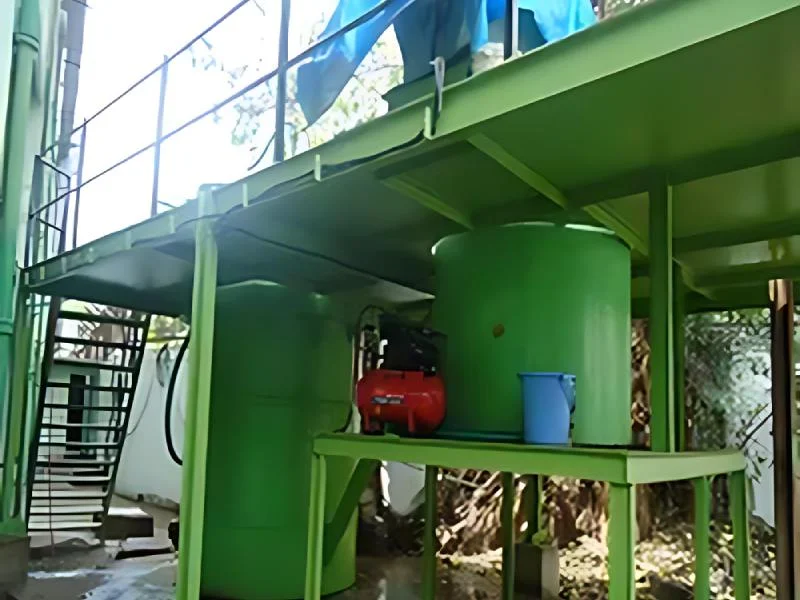
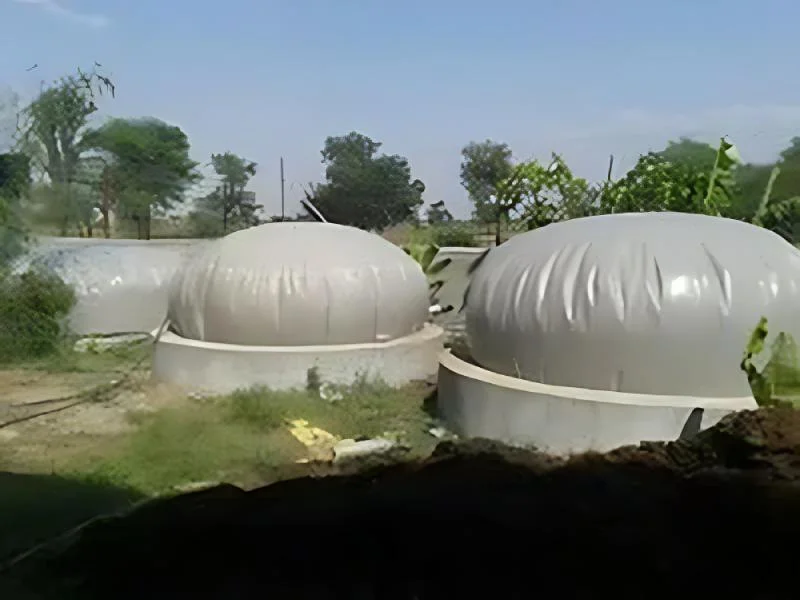
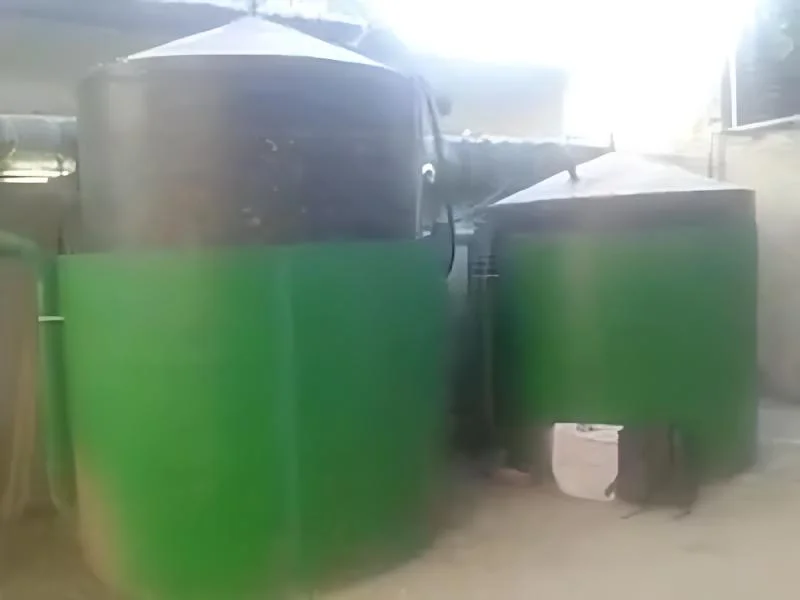
The Domestic Biogas Plant is a compact, efficient renewable energy system designed to convert everyday organic waste into valuable resources. Through proven anaerobic digestion technology, it processes kitchen waste, vegetable scraps, cow dung, and similar biodegradable materials to produce clean-burning biogas suitable for cooking applications. With plant capacities ranging from 1 to 10 cubic meters per day and digestion efficiency of 80-90%, this system can handle daily feedstock inputs of 20-250 kg, transforming waste into energy equivalent to 1-3 standard LPG cylinders monthly. The complete process also yields nutrient-rich organic slurry as a valuable byproduct, creating a sustainable cycle that addresses both energy needs and waste management challenges effectively.

These biogas systems serve diverse sectors where organic waste generation coincides with energy requirements. Households implement them to reduce dependence on commercial fuels and lower monthly energy expenditures. ...
The Domestic Biogas Plant is a compact, efficient renewable energy system designed to convert everyday organic waste into valuable resources. Through proven anaerobic digestion technology, it processes kitchen waste, vegetable scraps, cow dung, and similar biodegradable materials to produce clean-burning biogas suitable for cooking applications. With plant capacities ranging from 1 to 10 cubic meters per day and digestion efficiency of 80-90%, this system can handle daily feedstock inputs of 20-250 kg, transforming waste into energy equivalent to 1-3 standard LPG cylinders monthly. The complete process also yields nutrient-rich organic slurry as a valuable byproduct, creating a sustainable cycle that addresses both energy needs and waste management challenges effectively.

These biogas systems serve diverse sectors where organic waste generation coincides with energy requirements. Households implement them to reduce dependence on commercial fuels and lower monthly energy expenditures. Small and medium farms utilize the technology to convert animal manure into cooking gas and sometimes lighting fuel. Community facilities including rural schools, hostels, religious institutions, and small restaurants benefit from substantial operational savings on fuel costs. Agricultural enterprises value the high-quality organic fertilizer byproduct for enhancing soil health and improving crop yields. Even urban residences committed to sustainable living appreciate this integrated waste-to-energy solution that aligns with environmental responsibility while providing practical benefits.

The business value extends beyond immediate cost savings to encompass long-term operational reliability, environmental stewardship, and resource independence. Constructed from durable materials including FRP, HDPE, RCC, and flexible composites, these systems are engineered for 10-15 years of consistent performance with minimal maintenance requirements. The 30-40 day retention time ensures thorough digestion of organic matter, while operating pressures of 8-12 mbar maintain safety standards during gas production and storage. Available in manual or semi-automatic configurations with gas storage capacities from 0.5 to 10 cubic meters, these plants offer reliable performance across diverse climatic conditions and operational scales, making them a practical investment for sustainable energy generation.

Key Features:
- Plant capacity from 1 to 10 cubic meters per day with 80-90% digestion efficiency
- Processes 20-250 kg daily of kitchen waste or cow dung feedstock
- Produces biogas equivalent to 1-3 LPG cylinders monthly for cooking needs
- Constructed from durable FRP, HDPE, RCC, or flexible materials for 10-15 year lifespan
- Includes 0.5-10 cubic meter gas storage with 8-12 mbar operating pressure

Benefits:
- Reduces dependency on commercial LPG with self-generated renewable cooking fuel
- Converts organic waste into valuable resources instead of landfill disposal
- Produces nutrient-rich organic slurry byproduct for use as natural fertilizer
- Offers reliable 10-15 year operation with minimal maintenance requirements
- Provides substantial fuel cost savings for households, farms, and community kitchens
Specifications
| Attribute | Value |
|---|---|
| Plant Capacity | 1 m³/day to 10 m³/day |
| Feedstock Input | 20 kg/day to 250 kg/day (kitchen waste / cow dung) |
| Biogas Production | 0.5 m³/day to 5 m³/day |
| Energy Output | Equivalent to 1 to 3 LPG cylinders per month |
| Retention Time | 30 to 40 days |
| Operating Pressure | 8 to 12 mbar |
| Gas Storage Capacity | 0.5 m³ to 10 m³ |
| Construction Material | FRP / HDPE / RCC / Flexible material |
| Automation Level | Manual / Semi-automatic |
| Plant Life | 10 to 15 years |
| Byproduct | 90% of input converted into nutrient-rich organic slurry |
| Efficiency | 80% to 90% digestion efficiency |
| Additional Information | |
|---|---|
| Country of Origin | India |
| Customisable | No |
Application
This domestic biogas system transforms daily organic waste into a practical energy source, directly addressing fuel costs and waste disposal. By processing 20-250 kg of kitchen scraps or cow dung daily, it generates clean biogas equivalent to 1-3 LPG cylinders monthly, providing reliable cooking fuel while eliminating organic waste accumulation in residential and small commercial environments.
The plant delivers exceptional value in settings with consistent organic waste streams. Agricultural operations benefit from converting animal manure into usable energy, while community facilities like schools and hostels achieve significant operational savings. The nutrient-rich organic slurry byproduct serves as premium fertilizer, enhancing soil health and crop productivity, creating a complete circular economy solution.
- Households converting daily kitchen waste into cooking fuel for family meals
- Small to medium farms utilizing cow dung and agricultural waste for farm kitchen energy needs
- Community kitchens in rural schools, ashrams, and hostels reducing operational fuel costs
- Sustainable residences and eco-communities managing organic waste while generating renewable energy
- Agricultural operations using the organic slurry byproduct as natural fertilizer for crops and gardens
Trade Details
| Available Stock | In Stock |
| Sample Availability | No |
Payment Terms
| Payment Terms |
|
Company Profile

Diamond Engineering Enterprises , Tamil Nadu
 Tamil Nadu, India
Tamil Nadu, IndiaFood & Agriculture•Manufacturer•Importer / Exporter
Factory Details
Factory SizeBelow 1000 sqm
Annual Production Capacity0
Main Markets
Africa
Domestic Biogas Plant 1 10 m/Day Kitchen Waste Cow Dung Biogas Production
Domestic Biogas Plant converts kitchen waste and cow dung into clean cooking gas and organic fertilizer. This 1-10 m³/day capacity system reduces LPG dependency with 80-90% digestion efficiency, ideal for households, farms, and community kitchens.
Min. Order Quantity: 1 piece
Shipping
Shipping fee and delivery date to be negotiated. Contact supplier now for more details.
Diamond Engineering Enterprises 
 Tamil Nadu, India
Tamil Nadu, IndiaFood & AgricultureManufacturer