IN
IN₹
Apparel & Fashion
Description
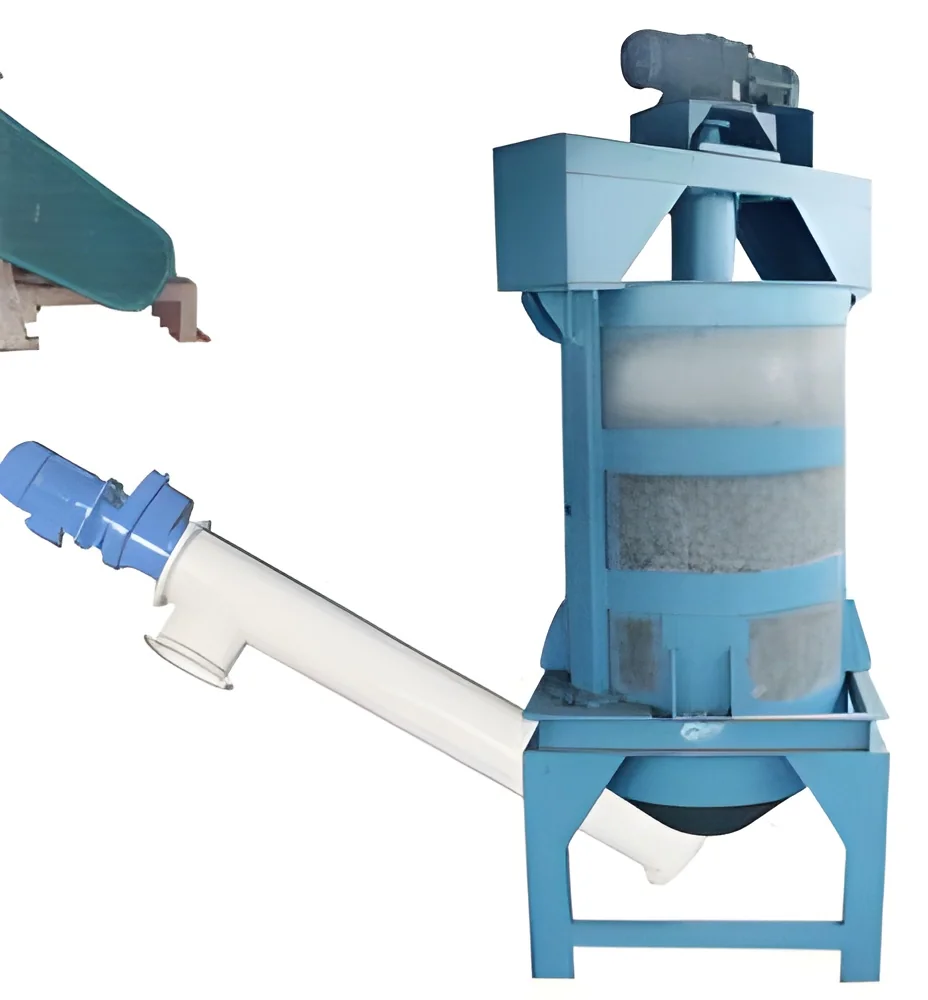
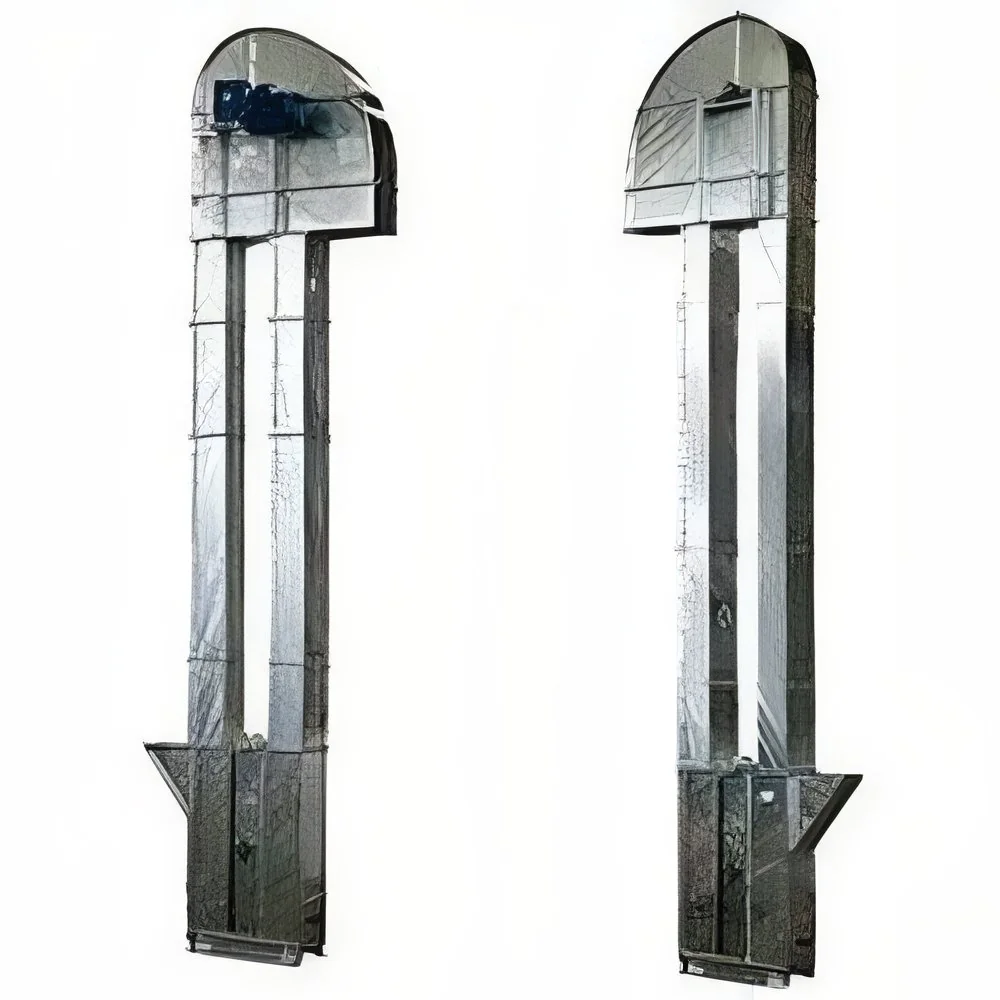
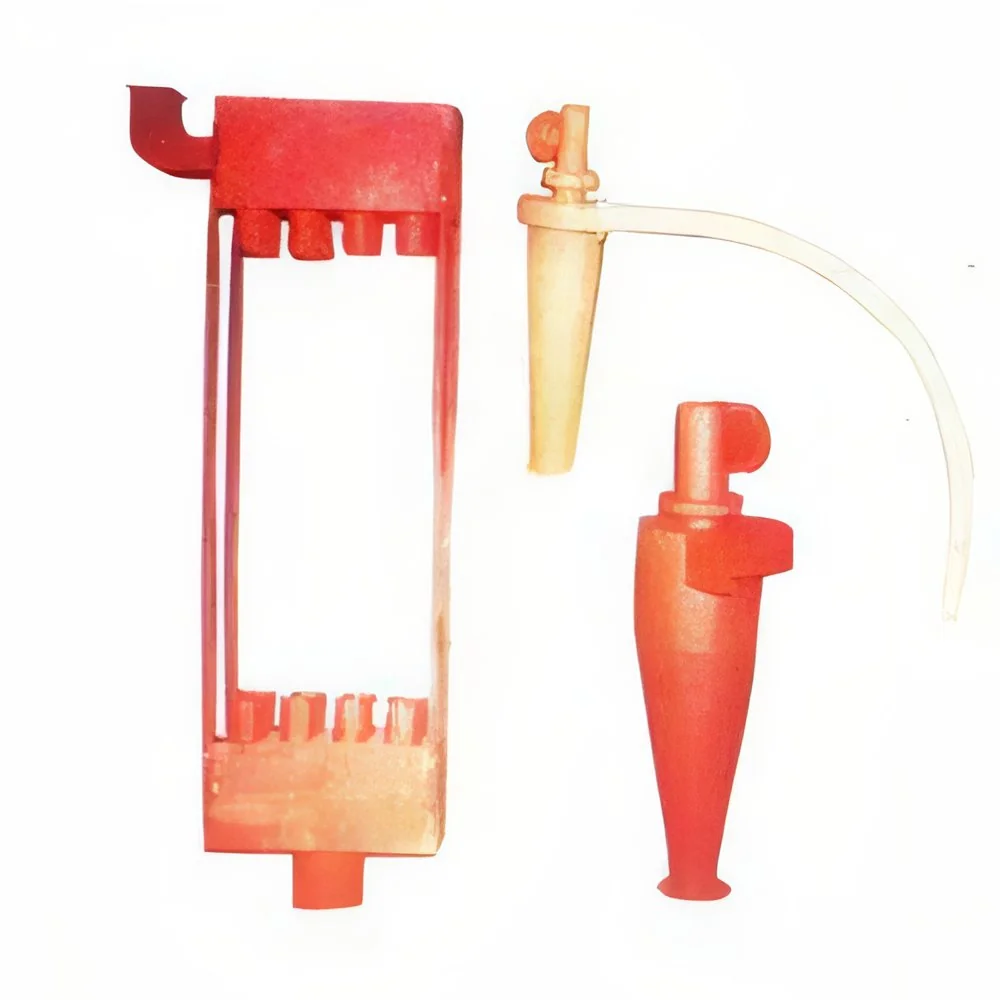
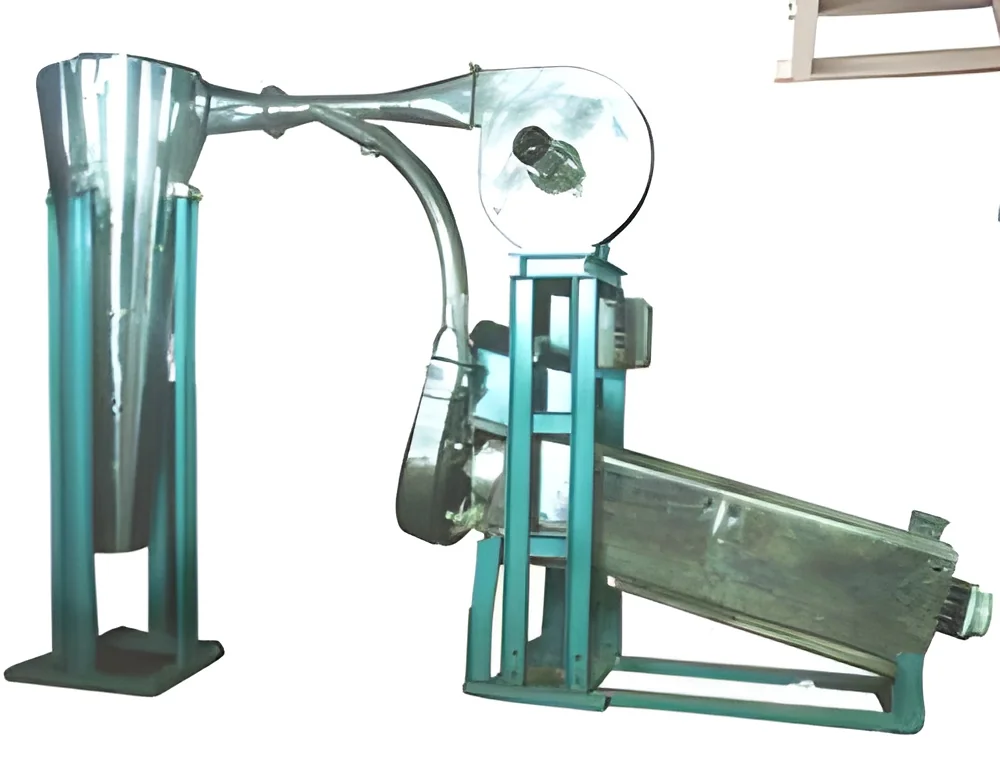
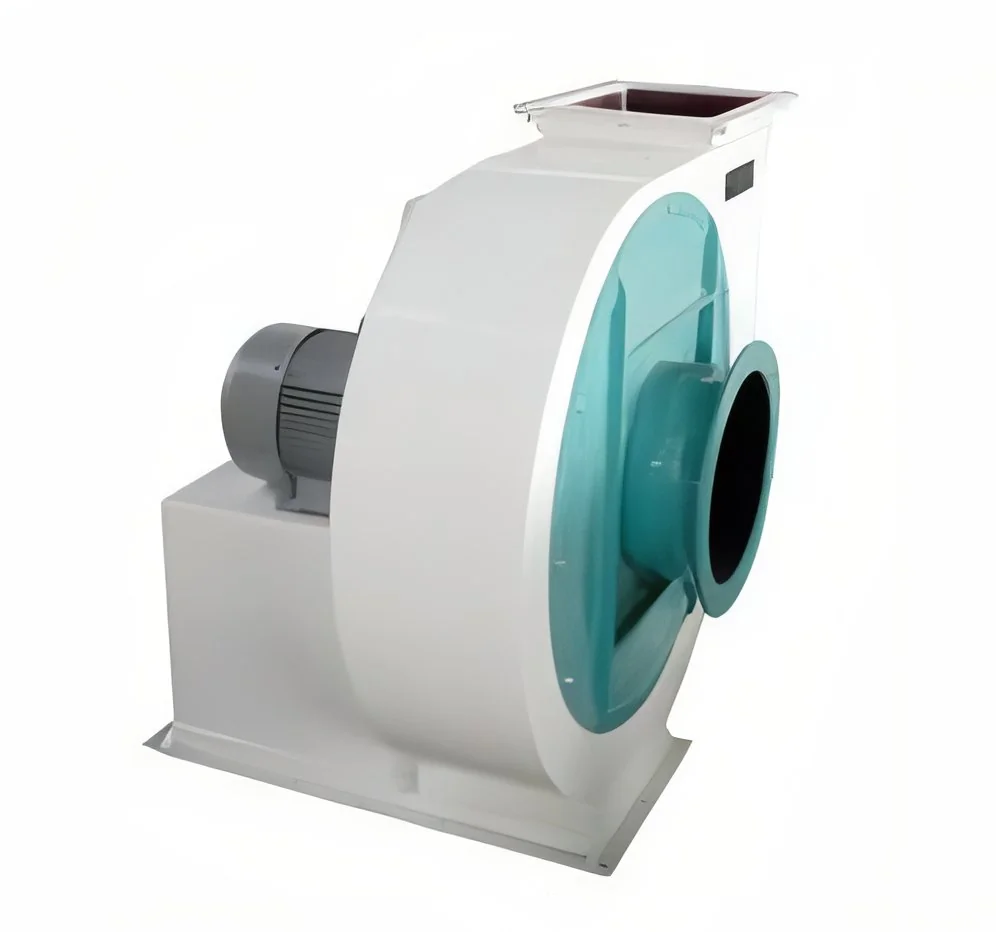
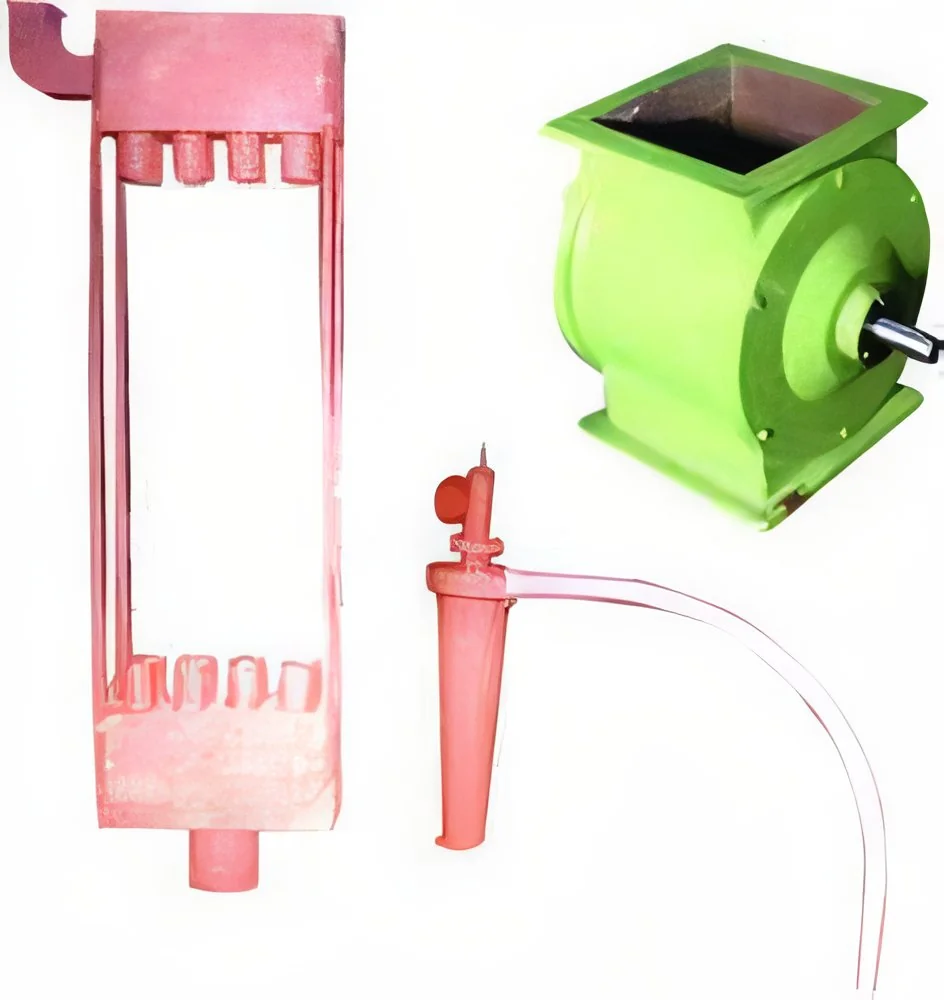
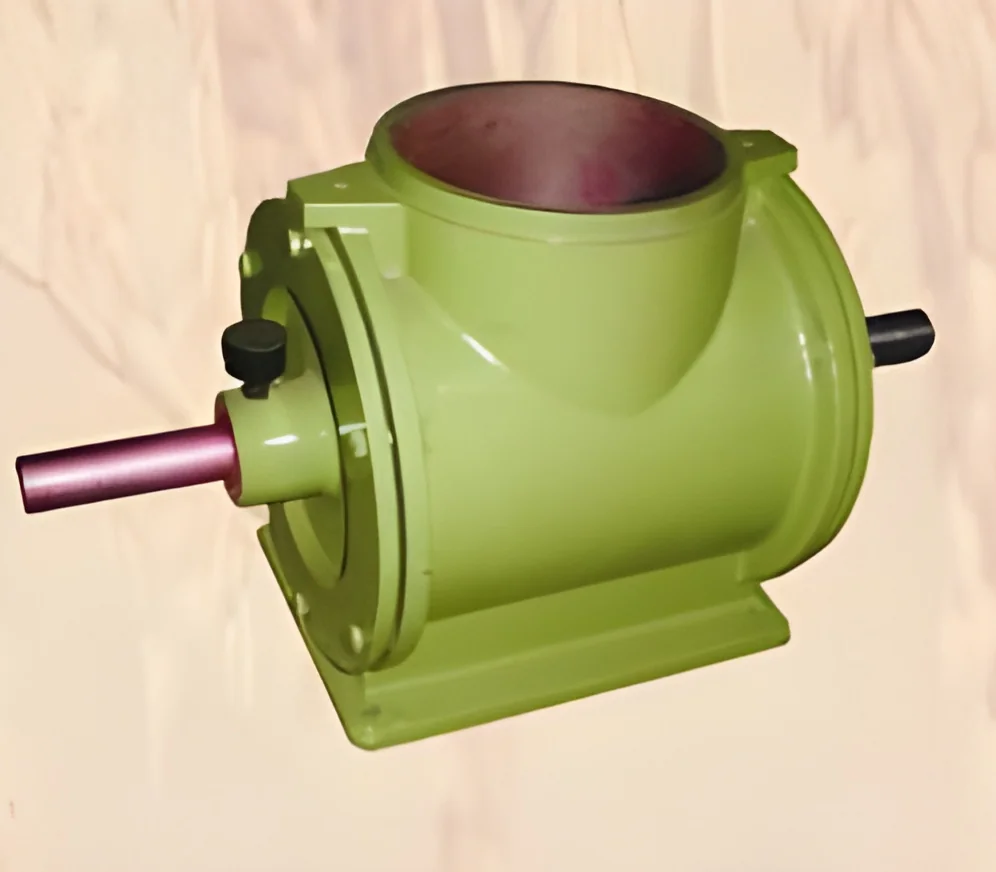
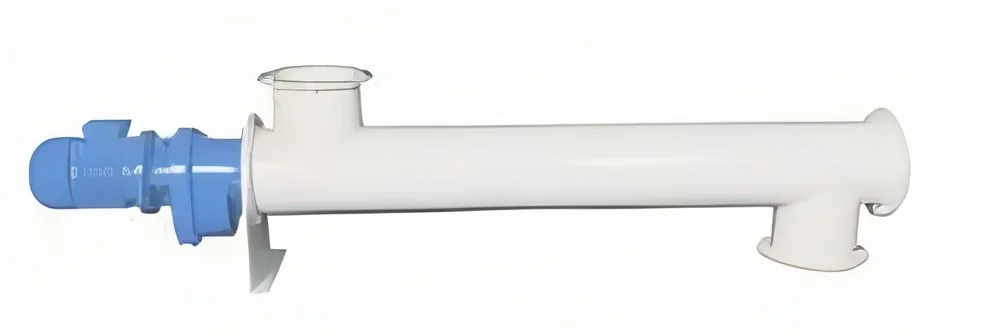
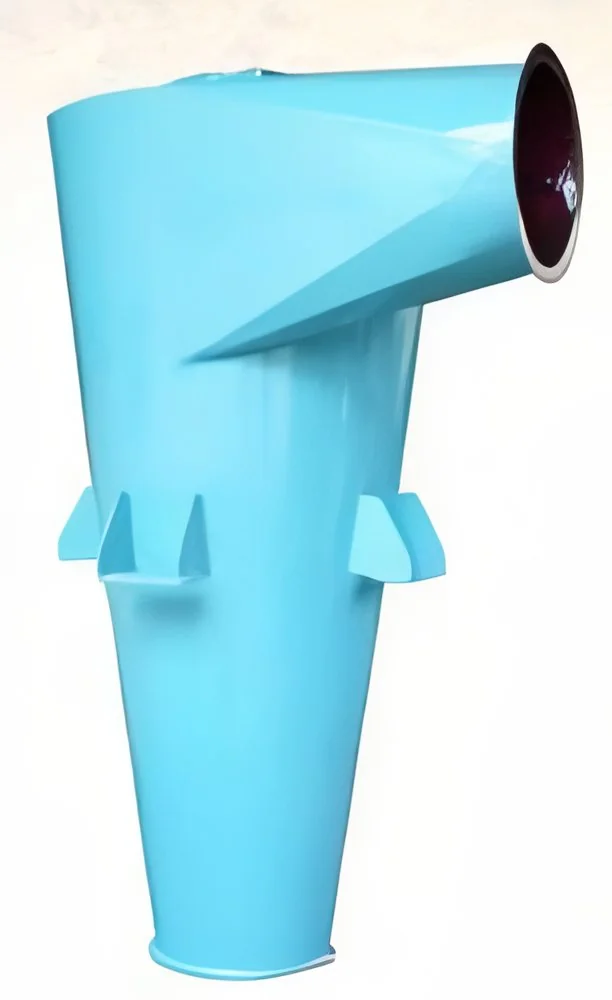
Industrial cyclone separators are engineered for superior performance in separating solid particles from gas streams. Utilizing centrifugal force, these units create a vortex that efficiently isolates dust, powders, and granules from air or process gases. Their robust, static design with no moving parts ensures exceptional reliability and reduces the need for frequent maintenance. Built to withstand harsh industrial conditions, they offer consistent separation efficiency, helping operations maintain clean air, protect sensitive equipment, and optimize overall process performance. This makes them a fundamental component for any facility requiring effective gas-solid separation.

These separators serve critical functions across a wide spectrum of industries. In manufacturing and metalworking, they capture metal fines and grinding dust, protecting machinery and ensuring a safe work environment. Food and agricultural processors rely on them to separate product streams, like separating grai...
Industrial cyclone separators are engineered for superior performance in separating solid particles from gas streams. Utilizing centrifugal force, these units create a vortex that efficiently isolates dust, powders, and granules from air or process gases. Their robust, static design with no moving parts ensures exceptional reliability and reduces the need for frequent maintenance. Built to withstand harsh industrial conditions, they offer consistent separation efficiency, helping operations maintain clean air, protect sensitive equipment, and optimize overall process performance. This makes them a fundamental component for any facility requiring effective gas-solid separation.

These separators serve critical functions across a wide spectrum of industries. In manufacturing and metalworking, they capture metal fines and grinding dust, protecting machinery and ensuring a safe work environment. Food and agricultural processors rely on them to separate product streams, like separating grain hulls from kernels or collecting spice powders, ensuring product quality and yield. The mining and minerals sector uses them for dust suppression at transfer points and crushers, crucial for health compliance. Chemical plants employ cyclones for initial product recovery and gas scrubbing, while wood product manufacturers use them as primary collectors for sawdust and sander dust, integral to both safety and material recovery processes.

The business value of these cyclone separators lies in their durability, operational simplicity, and significant return on investment. Constructed from heavy-gauge, abrasion-resistant materials, they deliver long service life even with abrasive particulates. Their low-maintenance design translates to reduced downtime and lower operational costs over time. By improving air quality, they help facilities adhere to stringent workplace safety and environmental regulations, avoiding potential fines. Investing in a high-efficiency cyclone system enhances overall plant productivity, safeguards employee health, and contributes to sustainable operations by enabling material recovery and reducing waste.

Key Features:
- High-efficiency centrifugal separation design for effective removal of a wide range of particle sizes.
- Robust construction using premium, abrasion-resistant materials suitable for demanding industrial environments.
- No moving parts within the separation chamber, ensuring high reliability and minimal maintenance requirements.
- Engineered for easy integration into existing ductwork and process ventilation systems.
- Durable design capable of handling high temperatures and various chemical compositions in process streams.

Benefits:
- Maintains superior air quality by efficiently removing particulate matter, protecting worker health and safety.
- Protects downstream equipment like fans, filters, and air handlers from abrasive dust, extending their lifespan.
- Reduces operational costs through low energy consumption and minimal maintenance needs.
- Helps ensure compliance with industrial health, safety, and environmental air quality regulations.
- Enables product recovery in processing applications, improving overall yield and reducing material waste.
Specifications
| Additional Information | |
|---|---|
| Country of Origin | India |
Application
Industrial cyclone separators efficiently remove dust and particulate matter from gas streams using centrifugal force. These robust systems operate without moving parts, ensuring reliable performance with minimal maintenance. They protect downstream equipment, improve air quality, and help facilities meet environmental and safety standards across diverse industrial settings.
These separation units are vital for maintaining clean operations in demanding environments. They handle various particle sizes and material types, from fine powders to coarse granules. Industries implement them for product recovery, contamination control, and workplace safety enhancement. Their design allows for integration into existing ventilation and process lines, providing a cost-effective solution for air pollution control and material separation needs.
- Grain milling and food processing plants for separating flour, starch, and powders from air streams to ensure product purity and prevent cross-contamination.
- Woodworking shops and sawmills for capturing wood dust and shavings, enhancing workshop safety and reducing fire hazards.
- Mineral processing and mining operations to control silica and ore dust, protecting worker health and meeting environmental regulations.
- Chemical and pharmaceutical manufacturing for cleaning process gases and recovering valuable catalyst or product particles.
- Cement production and construction material plants for managing kiln and grinding mill emissions, controlling particulate pollution.
Trade Details
| Available Stock | In Stock |
| Sample Availability | No |
Payment Terms
| Payment Terms |
|
Company Profile
Padmanaban Engineering Industries, Tamil Nadu
 Tamil Nadu, India
Tamil Nadu, IndiaIndustrial Equipment & Machinery•Manufacturer•Retailer•Importer / Exporter
Factory Details
Factory SizeBelow 1000 sqm
Annual Production Capacity0
Industrial Cyclone Separators For Dust Collection And Gas Solid Separation
Industrial cyclone separators provide high-efficiency dust collection and gas-solid separation for manufacturing, milling, and processing industries. Reliable, durable equipment for clean air and process optimization.
Min. Order Quantity: 1 unit
Shipping
Shipping fee and delivery date to be negotiated. Contact supplier now for more details.
Padmanaban Engineering Industries
 Tamil Nadu, India
Tamil Nadu, IndiaIndustrial Equipment & MachineryManufacturer