IN
IN₹
Apparel & Fashion
Description
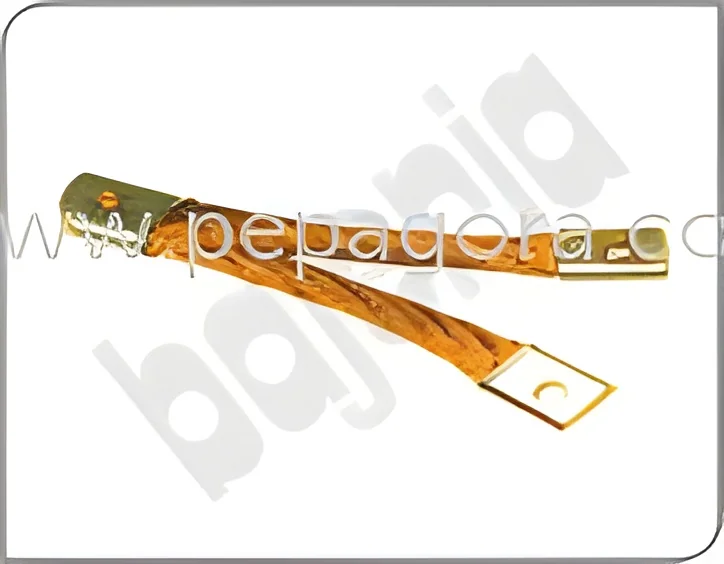
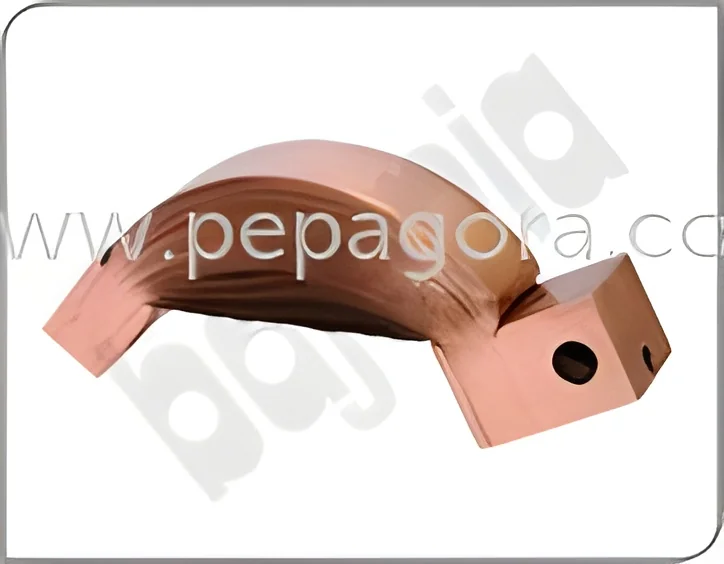
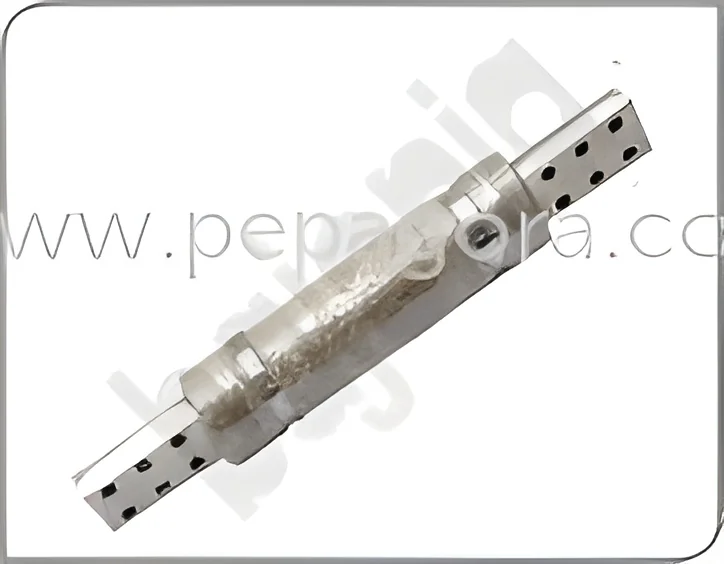
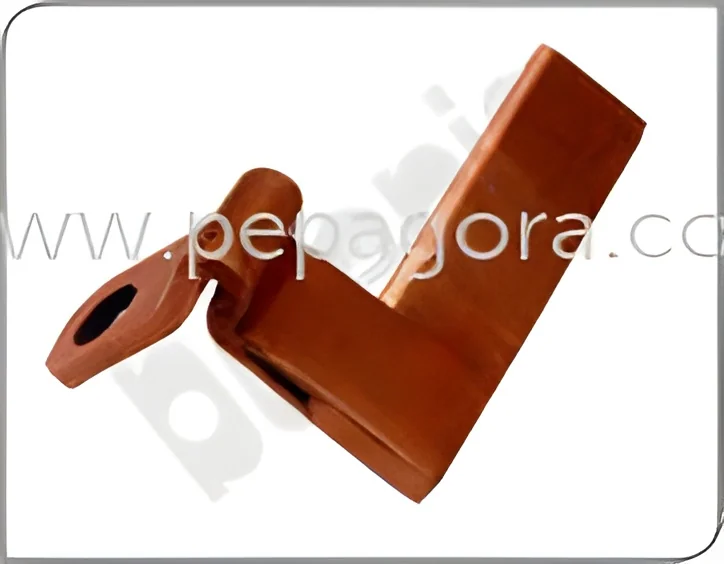
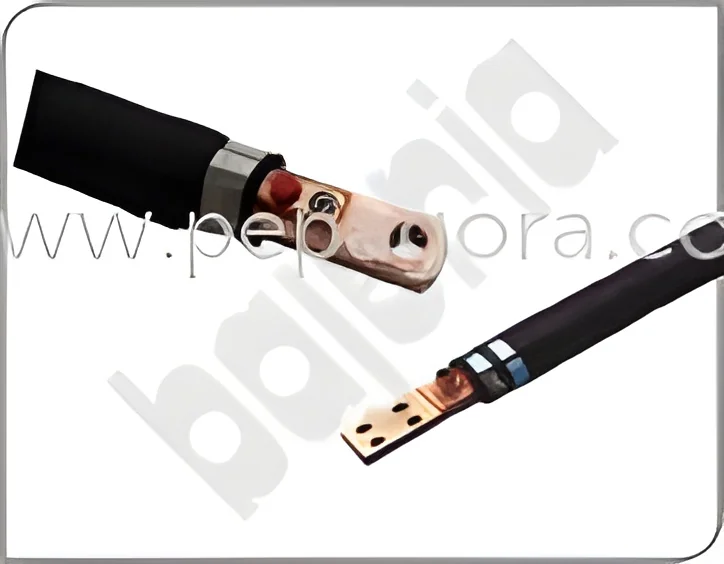
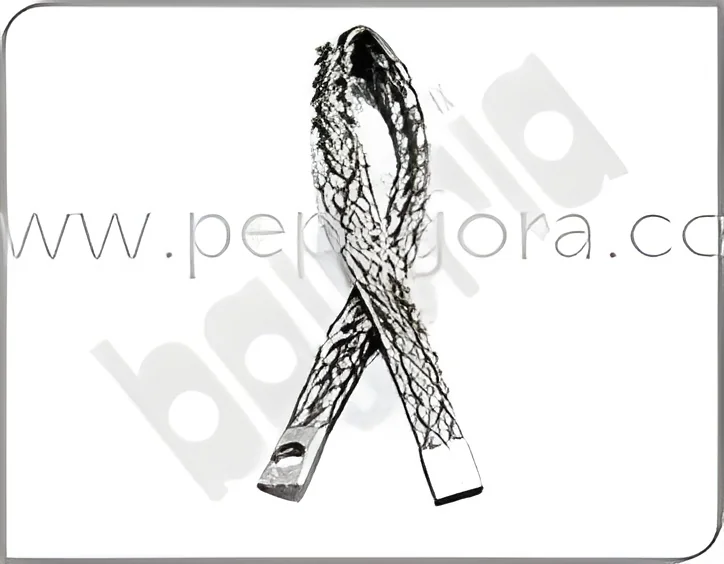
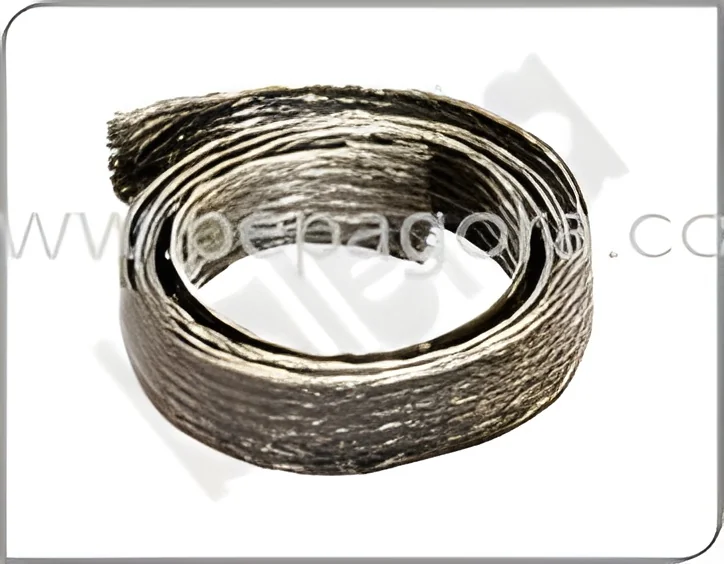
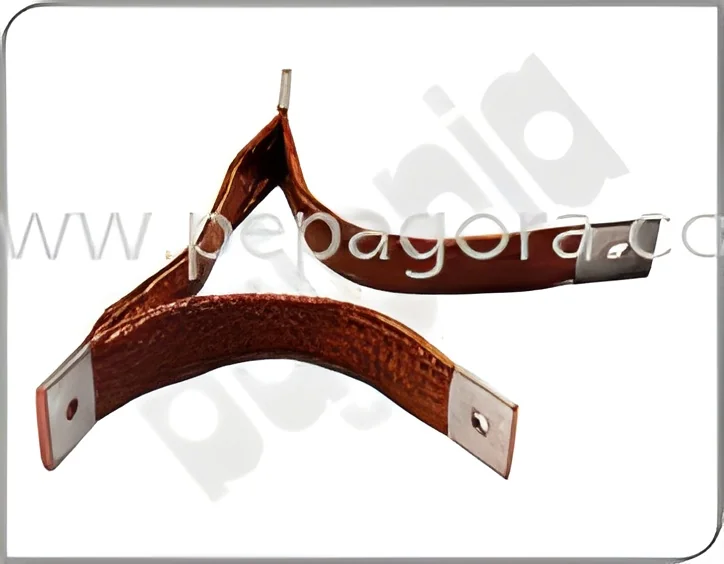
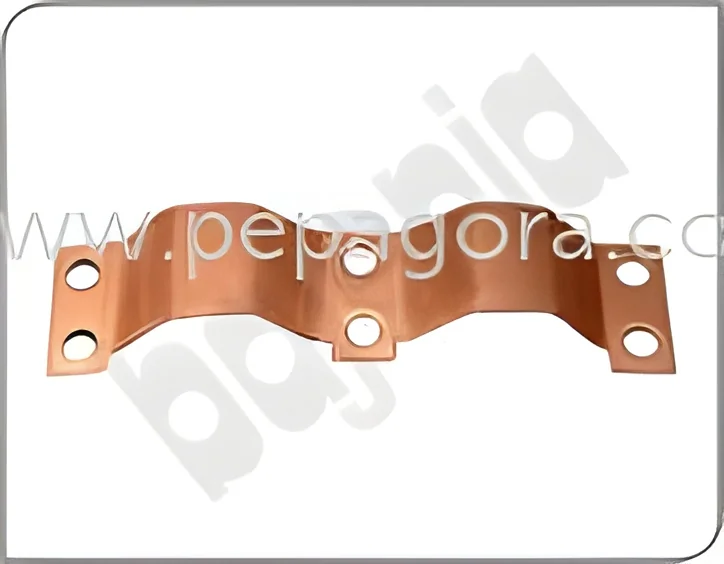
Industrial Copper Laminated Flexible Shunts represent a sophisticated solution for high-current electrical connectivity where reliability cannot be compromised. These shunts consist of multiple thin copper layers precisely laminated together, creating a flexible assembly that outperforms traditional solid conductors in demanding applications. The innovative laminated design ensures excellent current distribution across all layers while providing the necessary flexibility to accommodate thermal expansion, vibration, and movement in industrial settings. This construction maintains consistent electrical performance under extreme operating conditions, making these shunts essential for critical power transmission where system failure carries significant consequences.

These flexible shunts serve vital functions across numerous industrial sectors requiring robust electrical connectivity. In power generation and distribution, they are indispensable for transformer connections, switchgear inst...
Industrial Copper Laminated Flexible Shunts represent a sophisticated solution for high-current electrical connectivity where reliability cannot be compromised. These shunts consist of multiple thin copper layers precisely laminated together, creating a flexible assembly that outperforms traditional solid conductors in demanding applications. The innovative laminated design ensures excellent current distribution across all layers while providing the necessary flexibility to accommodate thermal expansion, vibration, and movement in industrial settings. This construction maintains consistent electrical performance under extreme operating conditions, making these shunts essential for critical power transmission where system failure carries significant consequences.

These flexible shunts serve vital functions across numerous industrial sectors requiring robust electrical connectivity. In power generation and distribution, they are indispensable for transformer connections, switchgear installations, and busbar systems where reliable current transmission is paramount. Manufacturing industries utilize them extensively in welding equipment, industrial furnace connections, and high-power machinery where consistent performance under thermal cycling is essential. The transportation sector employs these shunts in railway electrification systems, charging infrastructure, and marine electrical installations. Renewable energy applications benefit from their efficiency in solar farm connections, wind turbine installations, and energy storage systems where they ensure optimal power collection and distribution.

The value proposition of copper laminated flexible shunts centers on reducing operational downtime, minimizing maintenance requirements, and enhancing overall system reliability. These components deliver tangible return on investment through extended service life, reduced energy losses from superior conductivity, and decreased replacement frequency. Their reliable performance translates directly to fewer system failures and reduced operational interruptions, positively impacting productivity and operational costs. Users benefit from components that meet international electrical standards and quality assurance protocols, providing confidence for critical infrastructure projects and high-stakes applications where electrical performance directly affects operational success and safety.

Key Features:
- Multi-layer copper lamination for enhanced current distribution and conductivity
- Flexible design accommodating movement, vibration, and thermal expansion
- Superior thermal conductivity for effective heat dissipation
- Robust construction resistant to mechanical stress and environmental factors
- High current carrying capacity with minimal electrical resistance

Benefits:
- Reduced energy losses through superior conductivity and efficient current distribution
- Enhanced system reliability with fewer failures and maintenance requirements
- Extended service life through durable construction and thermal management
- Improved safety with stable performance under extreme operating conditions
- Optimal performance in dynamic environments where rigid connections would fail
Specifications
| Additional Information | |
|---|---|
| Country of Origin | India |
Application
Copper laminated flexible shunts are engineered for high-current electrical systems where movement, vibration, or thermal expansion demands flexibility. Their multi-layer copper construction ensures minimal electrical resistance and maximum current capacity while maintaining durability in demanding industrial environments.
These components are specifically designed for sectors where power transmission reliability is critical, including power generation, industrial machinery, and electrical equipment manufacturing. They deliver stable performance under continuous operational stress, variable temperatures, and dynamic conditions where rigid connections would fail.
- Busbar connections and jumpers in electrical switchgear and power distribution panels
- Flexible high-current links for transformers, generators, and large motors
- Power connections for electric arc furnaces, induction heaters, and industrial heating systems
- Welding machine power cables and critical ground connections
- Battery interconnections and bus systems in energy storage and renewable power installations
Trade Details
| Available Stock | In Stock |
| Sample Availability | No |
Payment Terms
| Payment Terms |
|
Company Profile
Bajeria Industries, Maharashtra
 Maharashtra, India
Maharashtra, IndiaElectronics & Electrical•Manufacturer•Importer / Exporter
Factory Details
Factory SizeBelow 1000 sqm
Annual Production Capacity0
Industrial Copper Laminated Flexible Shunts For High Current Connectivity
Industrial Copper Laminated Flexible Shunts provide reliable high-current connectivity with superior conductivity and heat dissipation for heavy-duty electrical applications across multiple industries.
Min. Order Quantity: 1 unit
Shipping
Shipping fee and delivery date to be negotiated. Contact supplier now for more details.
Bajeria Industries
 Maharashtra, India
Maharashtra, IndiaElectronics & ElectricalManufacturer