IN
IN₹
Apparel & Fashion
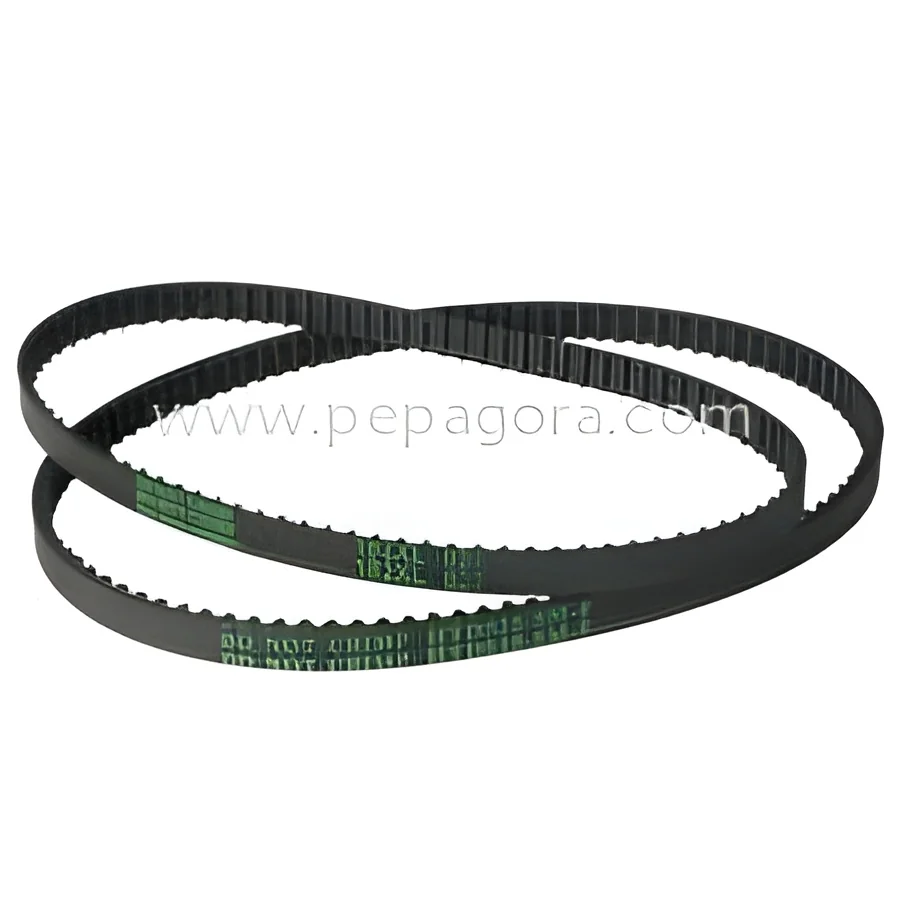
Description
Industrial metal conveyor and transmission flat belts represent essential components for reliable material handling and power transfer across diverse industrial operations. Manufactured from durable metal materials, these belts are engineered to withstand demanding conditions while maintaining consistent performance. Their flat design ensures efficient power transmission and smooth material conveyance, making them suitable for both light and heavy-duty applications. The standardized construction provides compatibility with existing machinery, while the robust metal composition offers exceptional resistance to wear, stretching, and environmental factors. These belts deliver the reliability that industrial operations require for uninterrupted productivity and efficient workflow management.

These metal flat belts find extensive application across multiple industrial sectors where material movement and power transmission are fundamental to operations. In manufacturing environments, they f...
Industrial metal conveyor and transmission flat belts represent essential components for reliable material handling and power transfer across diverse industrial operations. Manufactured from durable metal materials, these belts are engineered to withstand demanding conditions while maintaining consistent performance. Their flat design ensures efficient power transmission and smooth material conveyance, making them suitable for both light and heavy-duty applications. The standardized construction provides compatibility with existing machinery, while the robust metal composition offers exceptional resistance to wear, stretching, and environmental factors. These belts deliver the reliability that industrial operations require for uninterrupted productivity and efficient workflow management.

These metal flat belts find extensive application across multiple industrial sectors where material movement and power transmission are fundamental to operations. In manufacturing environments, they facilitate the seamless transfer of components between production stages, supporting assembly lines and automated systems. Logistics and warehousing operations utilize them for package handling, sorting, and distribution processes. The mining and aggregates industry depends on their strength for transporting heavy materials, while the automotive sector integrates them into vehicle assembly systems. Food processing facilities benefit from their durability in sanitation-intensive environments, and general industrial settings employ them for various conveying and power transmission needs. Each industry leverages the belts' consistent performance under specific operational demands.

The business value of these industrial metal conveyor and transmission flat belts lies in their exceptional reliability and operational efficiency. Companies implementing these components experience reduced equipment downtime, lower maintenance requirements, and improved production throughput. The standardized design ensures straightforward integration with existing systems, minimizing installation complexity and costs. The durable metal construction translates to extended service life and superior return on investment, as the belts withstand continuous operation without significant degradation. Businesses can trust these belts to perform consistently under varying loads and conditions, making them a strategic investment for operations where equipment reliability directly impacts productivity, safety, and profitability. Their proven performance supports long-term operational planning and resource optimization.

Key Features:
- Constructed from durable metal materials for exceptional strength and longevity
- Standard flat belt design suitable for both conveyor and transmission applications
- Engineered for reliable performance under continuous heavy-duty operation
- Compatible with various industrial machinery and existing system configurations
- Available in specifications including size, length, dimension, and thickness as required

Benefits:
- Delivers consistent performance with minimal maintenance requirements
- Reduces operational downtime through reliable, durable construction
- Supports efficient material handling and power transmission across industries
- Provides long service life for better return on investment
- Ensures compatibility with standard industrial equipment and systems
Specifications
| Key Attributes | |
|---|---|
| Condition | New |
| Type | Flat Belts |
| Belts Type | Conveyor & Transmission |
| Price | Negotiable |
| Application | Industries |
| Material | Metal |
| Standard or Non Standard | Standard |
| Features | Reliable and Durable |
| Specification | As per Clients Request |
| Size | As per Clients Request |
| Length | As per Clients Request |
| Dimension | As per Clients Request |
| Thickenss | As per Clients Request |
| Packing Material | Wooden Box or Carton Box |
| Additional Information | |
|---|---|
| Country of Origin | India |
Application
Industrial metal conveyor and transmission flat belts are engineered for demanding environments where consistent performance is critical. These durable belts handle heavy loads and continuous operation in manufacturing plants, warehouses, and processing facilities. Their reliable construction ensures minimal downtime and maintenance, making them essential components for operations that depend on smooth material flow and efficient power transmission. The standardized design allows for easy integration with existing machinery and systems.
These metal flat belts serve as the backbone for numerous industrial processes, transferring materials between production stages and transmitting power within equipment. They maintain operational integrity under varying temperatures, loads, and environmental conditions. Industries ranging from automotive assembly to food processing rely on their strength and longevity. The belts' versatility supports both horizontal and inclined conveying applications, while their robust metal construction withstands abrasion and wear over extended service periods.
- Automotive assembly lines for transporting vehicle components between workstations
- Warehouse distribution centers for sorting and moving packaged goods on conveyor systems
- Mining operations for carrying raw materials like ores and aggregates over long distances
- Food processing plants for moving ingredients and products through washing, cooking, and packaging stages
- Manufacturing facilities for transferring parts between machining, assembly, and inspection stations
Trade Details
| Available Stock | In Stock |
| Sample Availability | No |
Payment Terms
| Payment Terms |
|
Shipping & Logistics
| Port of Dispatch | Coimbatore |
Company Profile
K Tech Engineers, Tamil Nadu
 Tamil Nadu, India
Tamil Nadu, IndiaTools & Hardware
Factory Details
Factory SizeBelow 1000 sqm
Annual Production Capacity0
Main Markets
Domestic
Industrial Metal Conveyor Transmission Flat Belts Durable Standard
Industrial metal conveyor and transmission flat belts provide durable, reliable performance for material handling and power transfer. Standard sizes ensure compatibility, delivering robust operation across manufacturing, logistics, and processing industries.
Min. Order Quantity: 1 piece
Shipping
Shipping fee and delivery date to be negotiated. Contact supplier now for more details.
K Tech Engineers
 Tamil Nadu, India
Tamil Nadu, IndiaTools & Hardware