IN
IN₹
Description
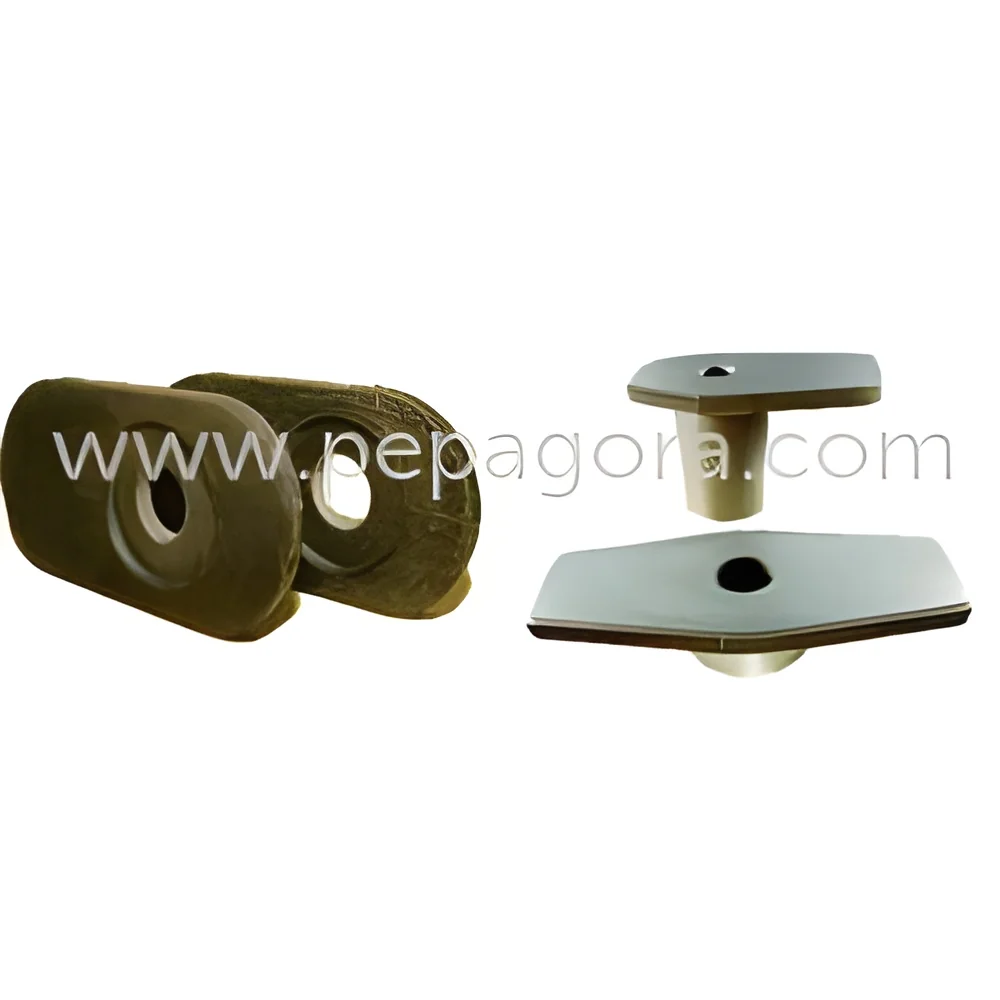
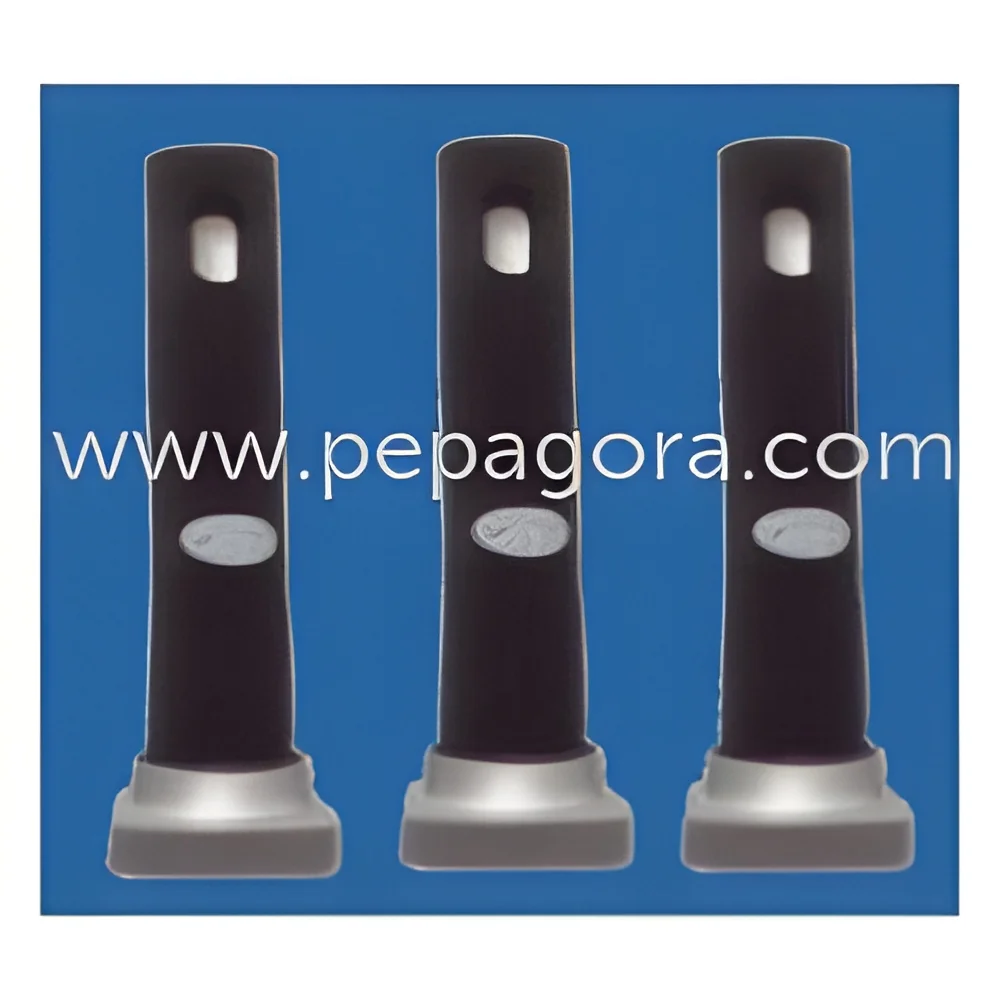
Our composite tundish nozzles are engineered for precise control of molten steel flow in continuous casting operations. Manufactured from premium alumina-carbon materials, these nozzles deliver exceptional thermal shock resistance and erosion durability. They serve as a critical interface between the tundish and the mold, ensuring a smooth, controlled transfer of steel that is essential for maintaining consistent product quality and operational stability. The composite construction synergizes the advantageous properties of alumina and carbon, offering performance that surpasses traditional refractory materials in the demanding conditions of steelmaking. This focus on material science and engineering results in a component built for reliability under extreme stress.

These nozzles are extensively utilized across the global steel industry, particularly within continuous casting processes for manufacturing billets, blooms, and slabs. They are indispensable in integrated steel plants, mini...
Our composite tundish nozzles are engineered for precise control of molten steel flow in continuous casting operations. Manufactured from premium alumina-carbon materials, these nozzles deliver exceptional thermal shock resistance and erosion durability. They serve as a critical interface between the tundish and the mold, ensuring a smooth, controlled transfer of steel that is essential for maintaining consistent product quality and operational stability. The composite construction synergizes the advantageous properties of alumina and carbon, offering performance that surpasses traditional refractory materials in the demanding conditions of steelmaking. This focus on material science and engineering results in a component built for reliability under extreme stress.

These nozzles are extensively utilized across the global steel industry, particularly within continuous casting processes for manufacturing billets, blooms, and slabs. They are indispensable in integrated steel plants, mini-mills, and facilities dedicated to special steel production, where precise control over molten metal directly influences the final product's integrity. The manufacturing sector depends on these components for producing a wide range of steel products, from construction materials to automotive grades and specialty alloys. Their versatility and compatibility with different casting machine configurations and steel compositions make them a fundamental solution for diverse industrial production requirements, supporting everything from large-scale operations to specialized manufacturing.

The business value of our composite tundish nozzles is rooted in their proven reliability and operational cost-effectiveness. They significantly reduce downtime through an extended service life and consistent performance, directly enhancing production efficiency and profitability. Their superior thermal stability minimizes the risk of catastrophic failure, while their high erosion resistance ensures the bore diameter remains consistent throughout the casting sequence. This reliability translates into fewer process interruptions, lower replacement costs, and improved casting yield. By providing a dependable component that withstands rigorous use, we help steel plants optimize their operations, protect their investments, and achieve a stronger return by maintaining continuous, high-quality production.

Key Features:
- Alumina-carbon composite construction for superior thermal performance
- Excellent thermal shock resistance to withstand extreme temperature cycling
- High erosion resistance that maintains consistent bore diameter
- Engineered for reliable performance across various steel grades and casting speeds
- Robust design minimizes clogging for smooth, controlled steel flow

Benefits:
- Extended service life reduces replacement frequency and associated costs
- Consistent performance enhances operational efficiency and productivity
- Superior thermal stability minimizes the risk of breakage and downtime
- Reliable flow control helps maintain consistent steel quality
- Durable construction contributes to improved casting yield and output
Specifications
| Additional Information | |
|---|---|
| Country of Origin | India |
Application
Composite tundish nozzles precisely regulate molten steel flow from the tundish to the mold in continuous casting systems. Their alumina-carbon construction provides exceptional thermal stability and erosion resistance, ensuring consistent steel quality and operational efficiency in high-temperature metallurgical processes. This reliability is crucial for maintaining production schedules and meeting stringent quality standards in modern steel manufacturing.
These components withstand extreme thermal cycling and chemical corrosion during continuous casting operations. They deliver reliable performance across various casting machines, supporting different steel grades and casting speeds. The robust design minimizes clogging and ensures smooth, controlled steel flow, which directly contributes to reduced operational downtime and enhanced productivity. Their durability makes them a trusted choice for facilities focused on maximizing uptime and output.
- Continuous casting of billets, blooms, and slabs in integrated steel plants
- Production of special steel grades including alloy and high-carbon steels
- Mini-mill operations requiring efficient and reliable molten metal transfer
- Foundry applications for the precision casting of large steel components
- Secondary steel processing facilities utilizing tundish-based casting systems
Trade Details
| Available Stock | In Stock |
| Sample Availability | No |
Payment Terms
| Payment Terms |
|
Company Profile
Yash Refractories, Rajasthan
 Rajasthan, India
Rajasthan, IndiaRaw Materials & Chemicals•Manufacturer•Importer / Exporter
Factory Details
Factory SizeBelow 1000 sqm
Annual Production Capacity0
Composite Tundish Nozzles Alumina Carbon For Steel Casting
Premium Alumina-Carbon Composite Tundish Nozzles for precise steel flow control in continuous casting, offering superior thermal shock resistance and extended service life for demanding steel production.
Min. Order Quantity: 1 unit
Shipping
Shipping fee and delivery date to be negotiated. Contact supplier now for more details.
Yash Refractories
 Rajasthan, India
Rajasthan, IndiaRaw Materials & ChemicalsManufacturer