IN
IN₹
Apparel & Fashion
Loading subcategories...
View More
Description
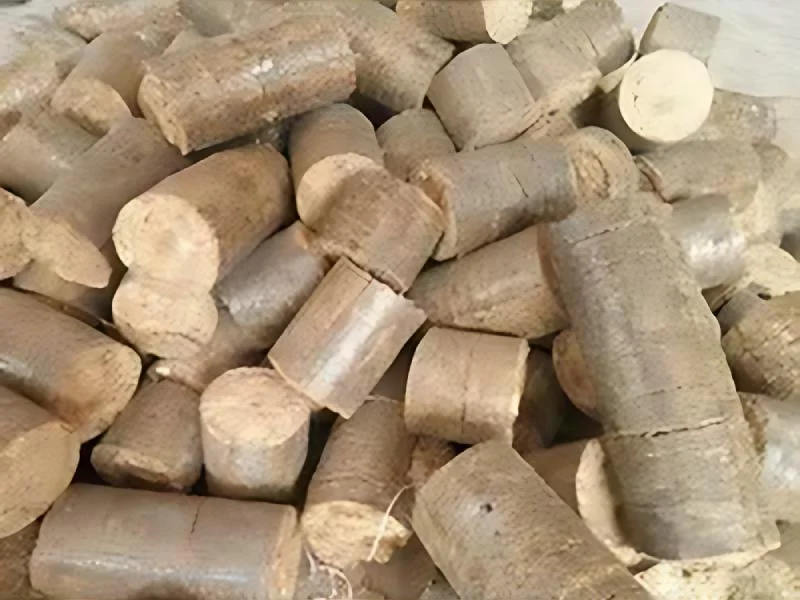
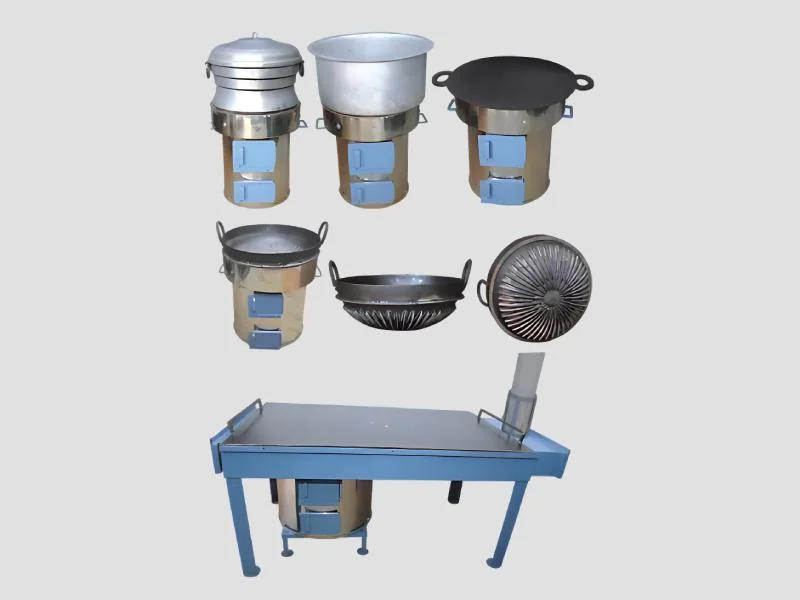
Commercial Biomass Cooking Stoves represent a significant advancement in commercial kitchen technology, designed for operations seeking to optimize cooking efficiency while embracing environmental sustainability. These high-performance stoves operate on various biomass fuels including wood pellets, briquettes, and agricultural waste, delivering exceptional thermal efficiency between 75-90%. Built with durable MS/SS construction, they withstand rigorous commercial use while providing consistent, smoke-free cooking performance. With heating capacities ranging from 10 kW to 100 kW and cooking capacities spanning 50-500 meals per cycle, these stoves cater to diverse operational scales while significantly reducing fuel costs compared to conventional LPG and firewood systems.

These biomass stoves find extensive application across multiple industries where high-volume cooking is essential. The hospitality sector, including restaurants, hotels, and catering services, benefits from their relia...
Commercial Biomass Cooking Stoves represent a significant advancement in commercial kitchen technology, designed for operations seeking to optimize cooking efficiency while embracing environmental sustainability. These high-performance stoves operate on various biomass fuels including wood pellets, briquettes, and agricultural waste, delivering exceptional thermal efficiency between 75-90%. Built with durable MS/SS construction, they withstand rigorous commercial use while providing consistent, smoke-free cooking performance. With heating capacities ranging from 10 kW to 100 kW and cooking capacities spanning 50-500 meals per cycle, these stoves cater to diverse operational scales while significantly reducing fuel costs compared to conventional LPG and firewood systems.

These biomass stoves find extensive application across multiple industries where high-volume cooking is essential. The hospitality sector, including restaurants, hotels, and catering services, benefits from their reliable performance and cost savings. Educational institutions such as schools, colleges, and hostels utilize them for mass meal preparation in canteens. Industrial canteens, corporate staff kitchens, and food processing units appreciate their consistent output and operational economy. Community kitchens, NGOs, and religious institutions including temple kitchens and gurudwaras value both the economic and environmental advantages for large-scale food service operations requiring dependable cooking solutions.

The business value proposition centers on substantial operational cost reduction, enhanced reliability, and sustainable practices. These stoves typically achieve 40-60% fuel cost savings compared to LPG systems while maintaining consistent cooking performance. With an impressive lifespan of 8-12 years and minimal maintenance requirements, they deliver long-term return on investment. The eco-friendly operation, characterized by minimal emissions and efficient fuel consumption, supports sustainability goals while meeting practical cooking needs. The single or multi-burner configurations and automated operation with 220V single-phase power ensure perfect suitability for specific operational requirements.

Key Features:
- High thermal efficiency ranging from 75% to 90% for optimal fuel utilization
- Compatible with multiple biomass fuels including wood pellets, briquettes, and agricultural waste
- Robust MS/SS construction ensuring 8-12 year operational lifespan
- Cooking capacity from 50 to 500 meals per cycle for various business scales
- Low ash content (≤2%) and smoke-free operation maintaining clean kitchen environments

Benefits:
- Significant fuel cost reduction of 40-60% compared to LPG and traditional firewood
- Eco-friendly operation utilizing renewable biomass resources sustainably
- Reliable performance with consistent flame output for uninterrupted cooking operations
- Reduced maintenance requirements and long service life minimizing operational downtime
- Versatile configurations including single or multi-burner options to match specific needs
Specifications
| Attribute | Value |
|---|---|
| Fuel Type | Biomass Pellets / Briquettes |
| Heating Capacity | 10 kW – 100 kW |
| Burner Type | Single / Multi-Burner |
| Material | MS / SS Construction |
| Thermal Efficiency | 75 – 90% |
| Pellet Consumption | 2 – 10 kg/hour (per burner) |
| Ash Content after Burning | ≤ 2% |
| Cooking Capacity | 50 – 500 meals per cycle |
| Operating Voltage (if auto) | 220 V / Single Phase |
| Lifespan | 8 – 12 years |
| Additional Information | |
|---|---|
| Country of Origin | India |
| Customisable | No |
Application
Our commercial biomass cooking stoves are engineered for high-volume food service operations requiring reliable, cost-effective cooking solutions. With cooking capacities ranging from 50 to 500 meals per cycle and thermal efficiency of 75-90%, these stoves handle intensive daily use while significantly reducing operational expenses compared to traditional LPG or firewood systems. The robust MS/SS construction ensures durability in demanding kitchen environments.
These versatile stoves serve diverse institutional and commercial sectors seeking sustainable cooking alternatives. From educational institutions and corporate canteens to hospitality establishments and community kitchens, the adaptability to various biomass fuels including wood pellets, briquettes, and agricultural waste makes them suitable across multiple geographic regions and operational scales. The smoke-free operation and minimal ash content (≤2%) maintain clean kitchen environments.
- Large-scale restaurant and hotel kitchens requiring consistent high-temperature cooking
- Educational institution canteens serving hundreds of students daily
- Corporate staff kitchens and industrial canteens for employee meal preparation
- Community kitchens and NGO food programs serving mass gatherings
- Religious institution kitchens preparing langar and prasad
Trade Details
| Available Stock | In Stock |
| Sample Availability | No |
Payment Terms
| Payment Terms |
|
Company Profile

Diamond Engineering Enterprises , Tamil Nadu
 Tamil Nadu, India
Tamil Nadu, IndiaFood & Agriculture•Manufacturer•Importer / Exporter
Factory Details
Factory SizeBelow 1000 sqm
Annual Production Capacity0
Main Markets
Africa
Commercial Biomass Cooking Stove 10 100 kW High Efficiency 75 90%
Commercial Biomass Cooking Stove 10-100 kW high efficiency 75-90% uses wood pellets, briquettes, and agricultural waste for smoke-free operation, reducing fuel costs versus LPG and firewood in commercial kitchens.
Min. Order Quantity: 1 piece
Shipping
Shipping fee and delivery date to be negotiated. Contact supplier now for more details.
Diamond Engineering Enterprises 
 Tamil Nadu, India
Tamil Nadu, IndiaFood & AgricultureManufacturer