IN
₹
Apparel & Fashion
Description
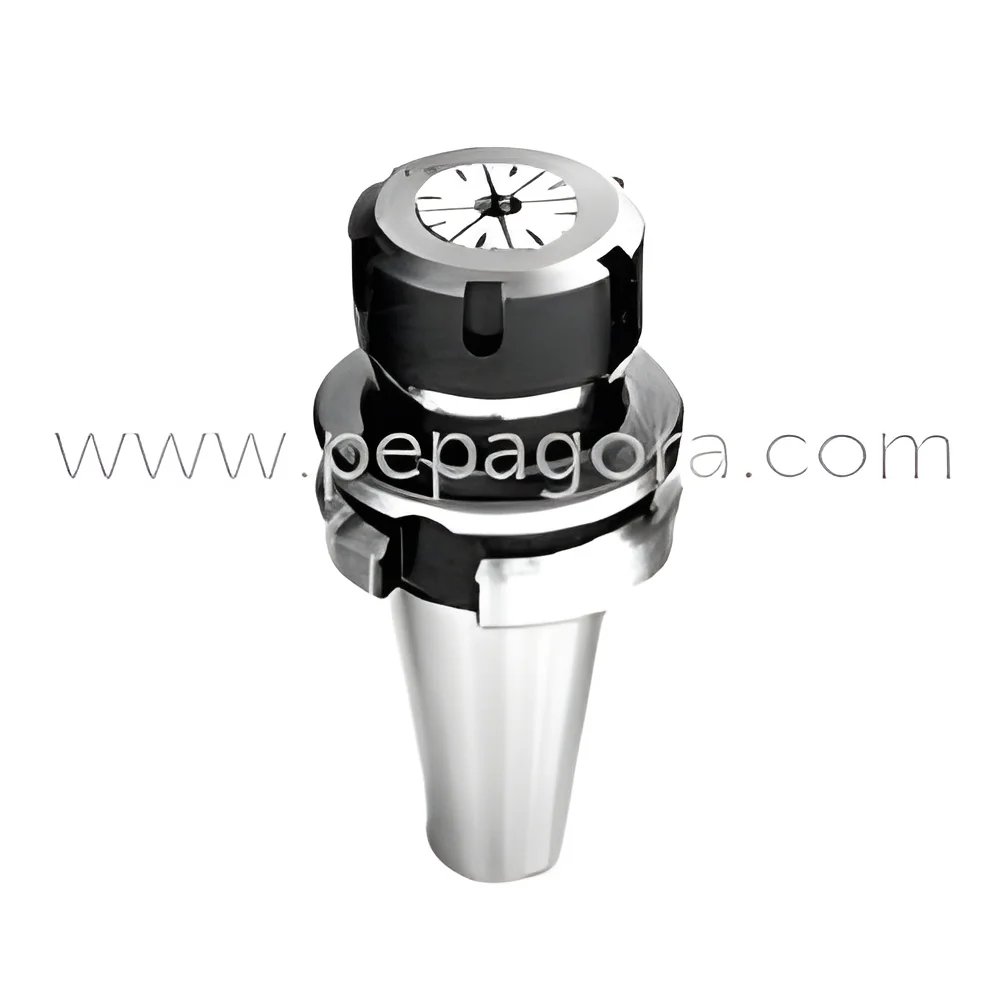
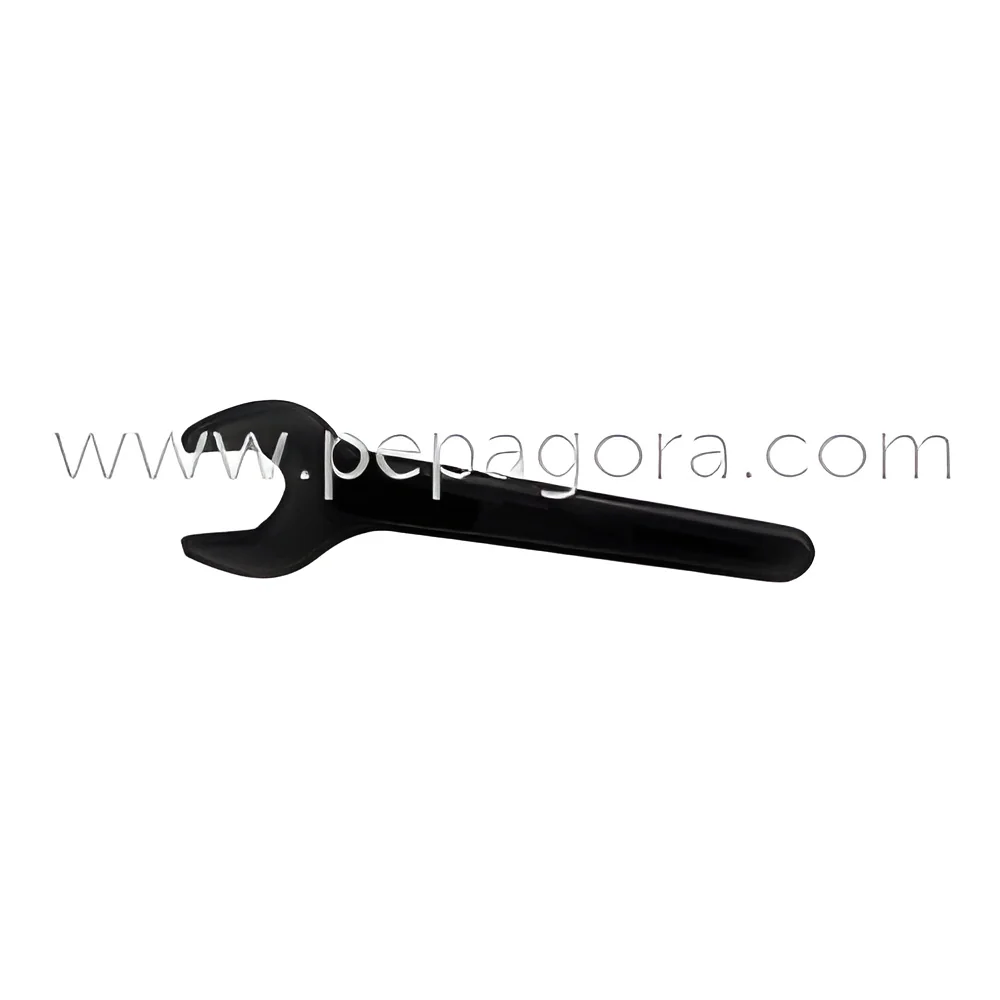
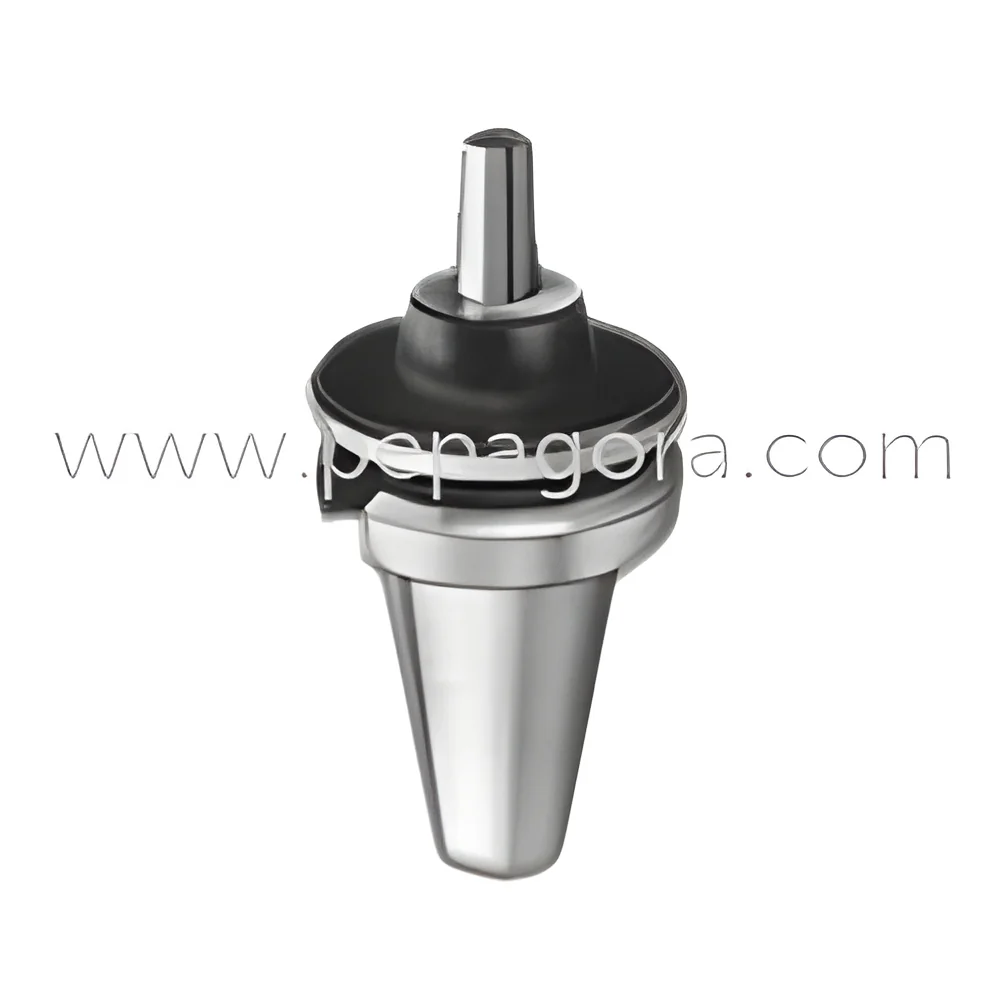
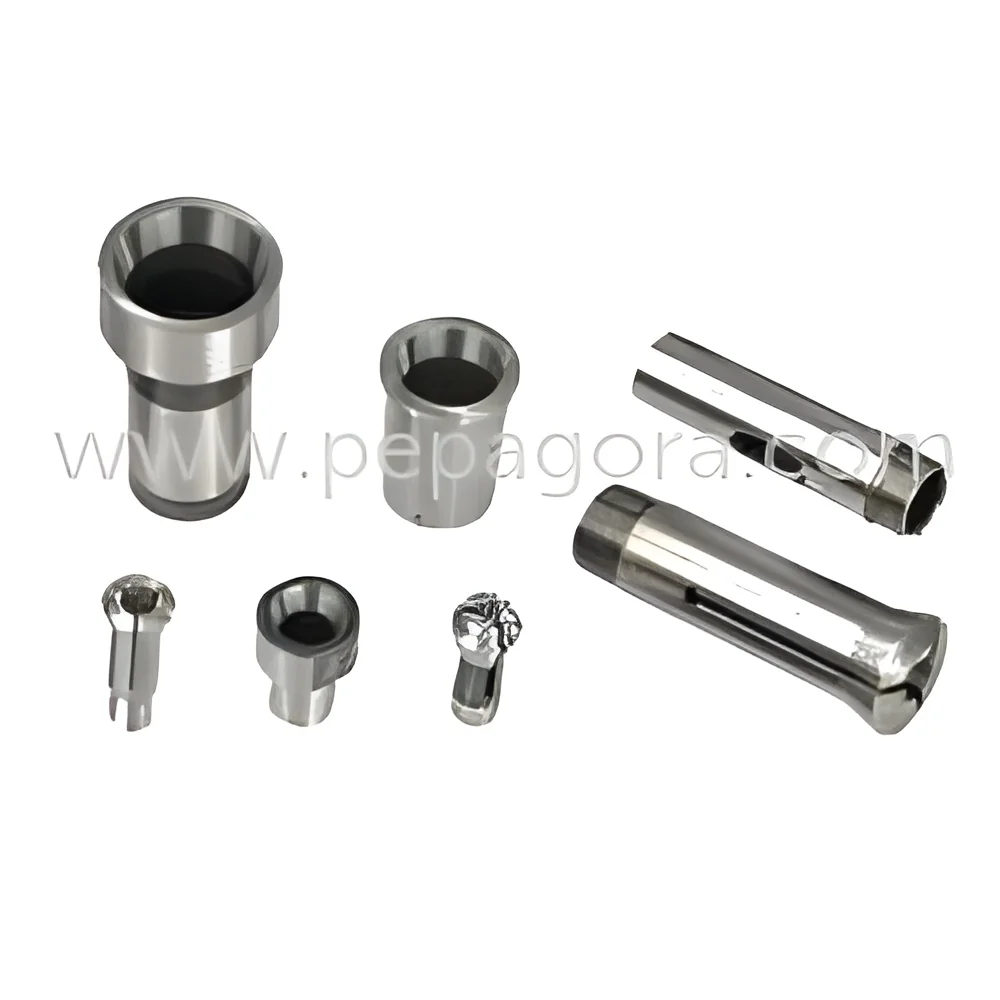
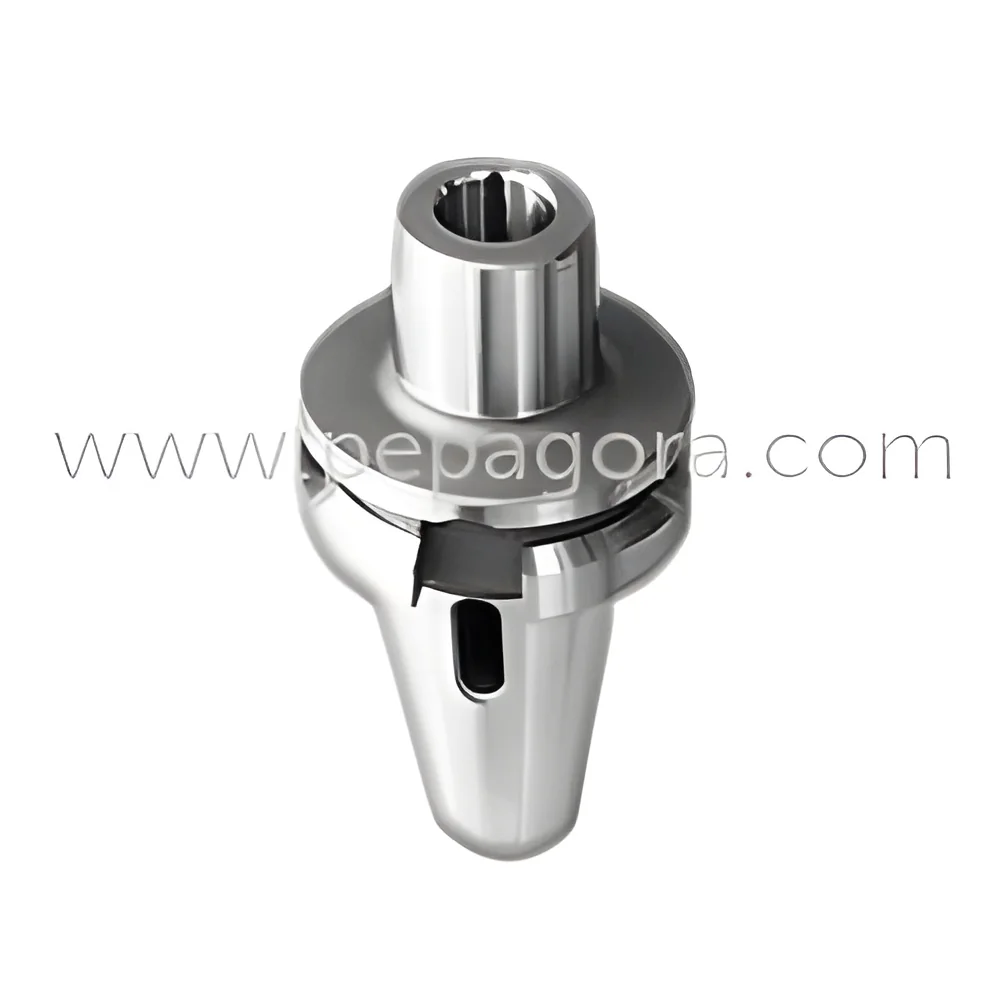
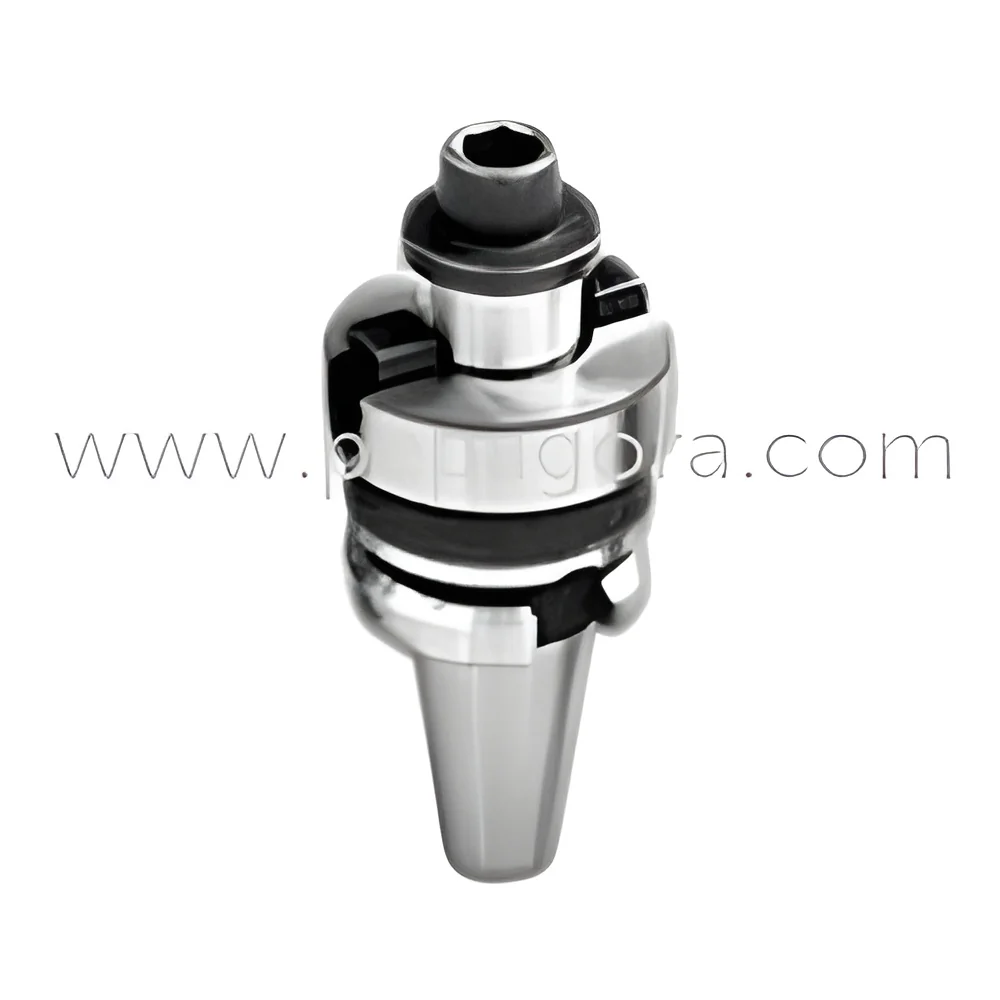
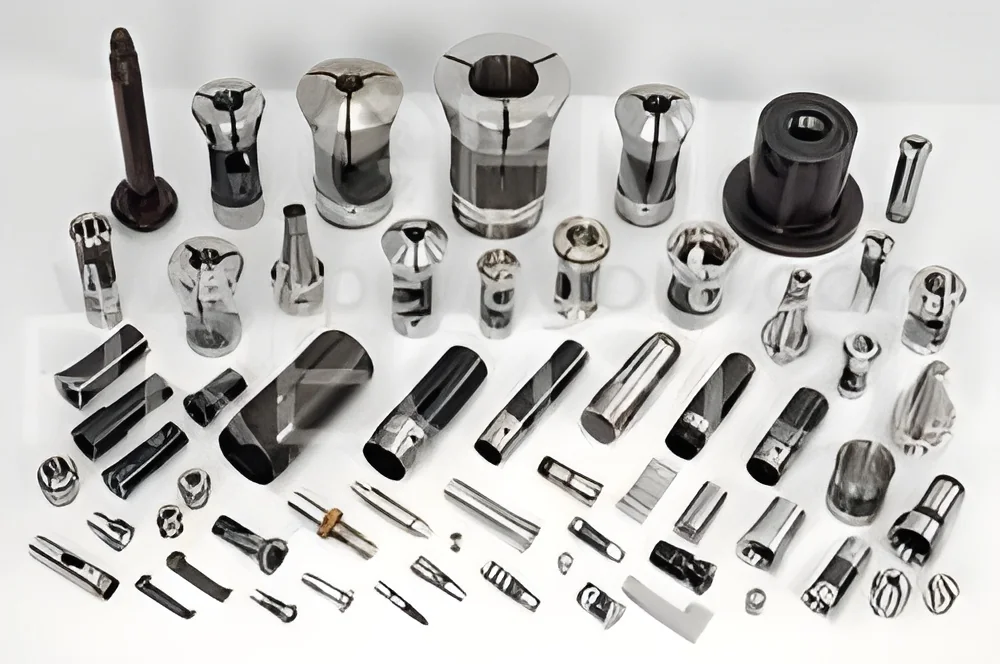
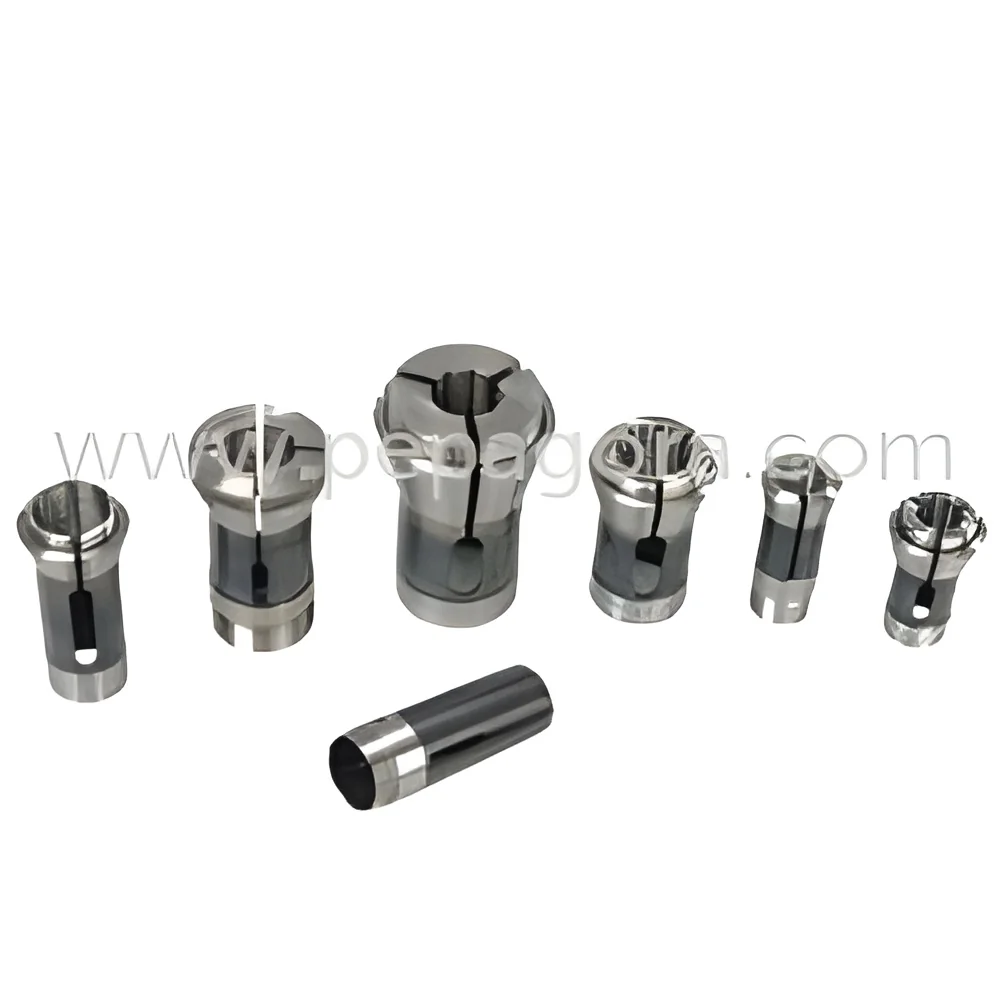
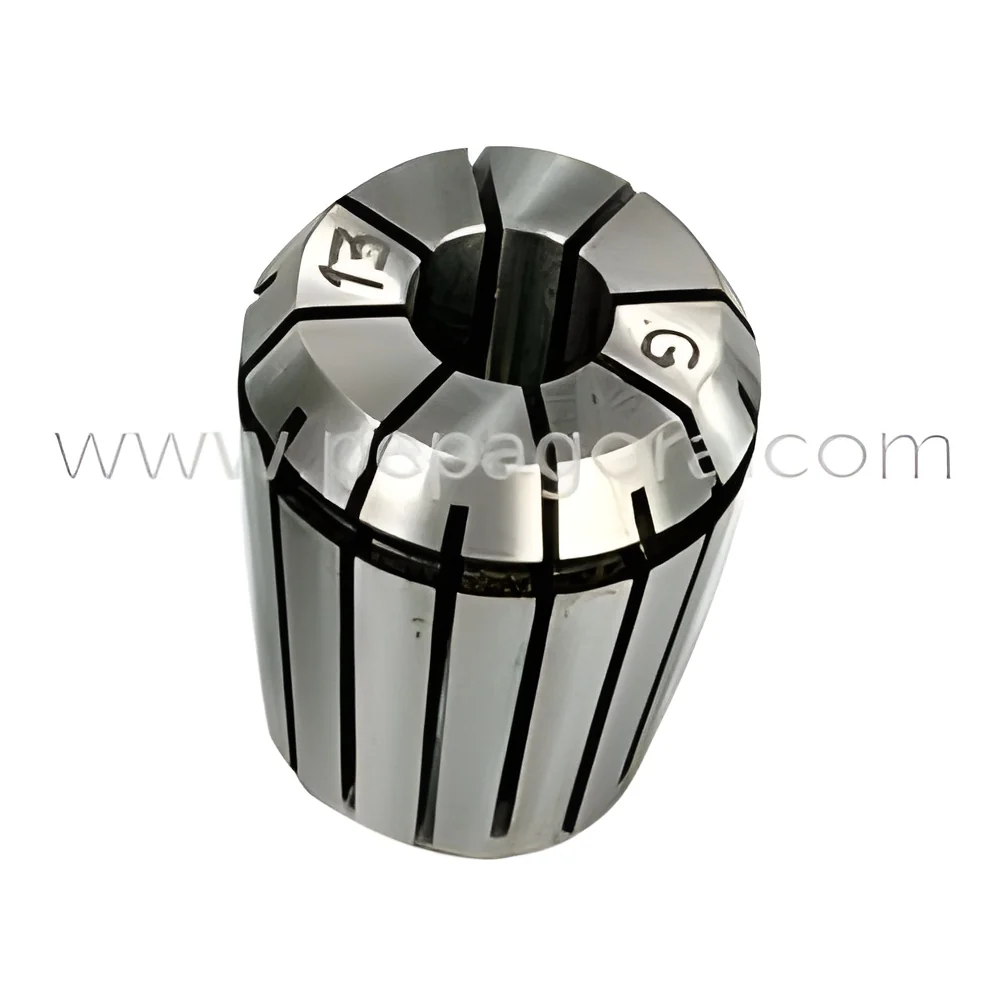
Our DIN 6499 collets represent the pinnacle of precision toolholding systems, engineered for manufacturers who demand exceptional accuracy and unwavering reliability in high-speed machining operations. Manufactured to exact German industrial standards, these collets ensure perfect compatibility with all vertical machining centers and milling machines. With operating capabilities reaching 40,000 RPM, they deliver superior performance in the most demanding applications. The precision engineering guarantees minimal runout and maximum grip strength, providing manufacturers with confidence that their cutting tools will perform consistently across production batches. This reliability translates directly to reduced downtime and increased productivity for operations of all scales, from small workshops to large manufacturing facilities.

These precision collets serve critical functions across multiple industries where machining accuracy directly impacts product quality and manufacturing efficie...
Our DIN 6499 collets represent the pinnacle of precision toolholding systems, engineered for manufacturers who demand exceptional accuracy and unwavering reliability in high-speed machining operations. Manufactured to exact German industrial standards, these collets ensure perfect compatibility with all vertical machining centers and milling machines. With operating capabilities reaching 40,000 RPM, they deliver superior performance in the most demanding applications. The precision engineering guarantees minimal runout and maximum grip strength, providing manufacturers with confidence that their cutting tools will perform consistently across production batches. This reliability translates directly to reduced downtime and increased productivity for operations of all scales, from small workshops to large manufacturing facilities.

These precision collets serve critical functions across multiple industries where machining accuracy directly impacts product quality and manufacturing efficiency. The aerospace industry utilizes them for manufacturing turbine components and structural elements requiring micron-level precision and repeatability. Automotive manufacturers rely on them for producing engine parts, transmission components, and braking systems where consistency is paramount. General engineering workshops employ these collets for prototyping, tool making, and custom part production requiring tight tolerances. The medical device industry depends on their accuracy for manufacturing surgical instruments and implants, while electronics manufacturers use them for precision machining of connectors, housings, and delicate components.

The business value of implementing our DIN 6499 collets extends beyond immediate performance benefits to substantial long-term operational advantages. Manufacturers experience significantly extended tool life due to reduced vibration and improved cutting stability, directly lowering consumable costs and replacement frequency. The reduced spindle wear characteristic preserves expensive machine components, decreasing maintenance expenses and extending equipment lifespan considerably. Quick tool loading capabilities minimize changeover times, increasing overall equipment effectiveness and production throughput. These collets deliver measurable return on investment through improved part quality, reduced scrap rates, and enhanced manufacturing efficiency across all production cycles.

Key Features:
- Manufactured to DIN 6499 standard ensuring universal compatibility
- High-speed operation capability up to 40,000 RPM for efficient machining
- Precision engineering for minimal runout and superior concentricity
- Reduced spindle wear design extending machine tool lifespan
- Quick tool loading mechanism for minimized production downtime

Benefits:
- Extended tool life through reduced vibration and improved stability
- Lower maintenance costs with reduced spindle wear protection
- Increased production efficiency with quick tool change capabilities
- Superior part quality with consistent precision and accuracy
- Enhanced operational reliability across all machining applications
Specifications
| Key Attributes | |
|---|---|
| Type | Collets (DIN 6499) |
| Tool Life | Longer |
| Wear on the spindle | Less |
| Operating Speed | Up to 40,000 rpm |
| Condition | New |
| Standard or Nonstandard | Standard |
| Quality | Best |
| Price | Reasonable |
| Delivery | On Time Delivery |
| Benefits | Accurate finish |
| Shelf Life | Long |
| Features | High Speed, High Accuracy |
| Advantages | Collets are very accurate, Maximum spindle speeds can be used |
| Additional Information | |
|---|---|
| Country of Origin | India |
Application
DIN 6499 collets are precision toolholding components essential for CNC machining centers and milling operations. These standardized collets provide secure grip and perfect concentricity for cutting tools, enabling superior surface finishes and dimensional accuracy across metals, plastics, and composites. Their universal compatibility with vertical machining centers makes them indispensable for modern manufacturing facilities prioritizing reliability and peak performance in every operation.
These high-performance collets operate seamlessly at speeds up to 40,000 RPM, making them ideal for high-production environments where spindle efficiency and tool longevity are paramount. Industries from aerospace to automotive depend on these collets for consistent clamping force, minimal runout, and sustained precision through extended production cycles. The reduced spindle wear characteristic helps extend machine lifespan while maintaining optimal cutting performance and operational reliability.
- CNC milling operations requiring precise tool positioning and minimal vibration
- High-speed machining of aerospace components where tight tolerances are critical
- Automotive part manufacturing for maintaining consistent production quality
- Precision engineering workshops handling complex machining tasks and prototypes
- Tool and die making industries for accurate mold and die production
Trade Details
| Available Stock | In Stock |
| Sample Availability | No |
Payment Terms
| Payment Terms |
|
Company Profile

Gem Precision Tool (P) Ltd, Tamil Nadu
 Tamil Nadu, India
Industrial Equipment & Machinery•Manufacturer•Distributor / Wholesaler•Importer / Exporter
Factory Details
Factory SizeBelow 1000 sqm
Annual Production Capacity0
Main Markets
Oceania
Mid East
Eastern Asia
DIN 6499 Collets High Speed 40,000 RPM CNC Milling Accuracy
DIN 6499 collets deliver high-speed precision up to 40,000 RPM for CNC milling. Engineered for extended tool life, reduced spindle wear, and superior accuracy in demanding machining applications worldwide.
Min. Order Quantity: 1 piece
Shipping
Shipping fee and delivery date to be negotiated. Contact supplier now for more details.
Gem Precision Tool (P) Ltd
 Tamil Nadu, India
Industrial Equipment & MachineryManufacturer