IN
IN₹
Apparel & Fashion
Description
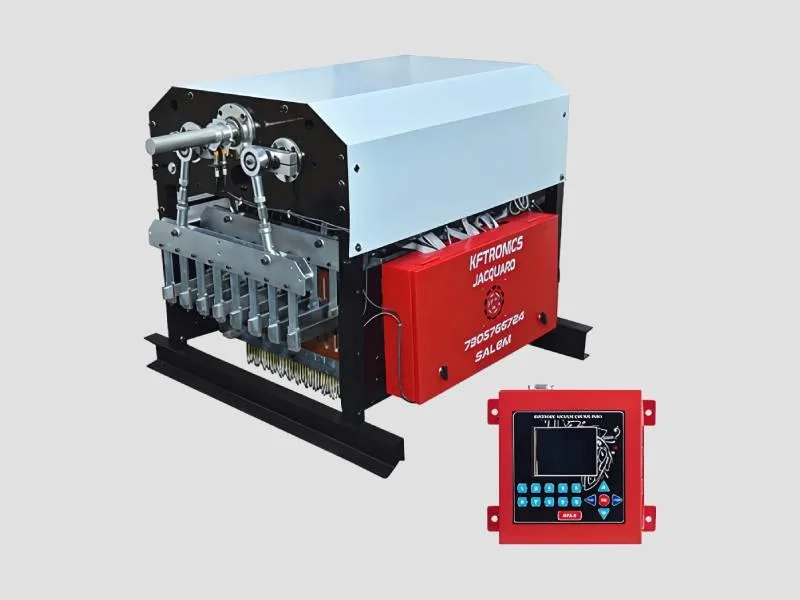
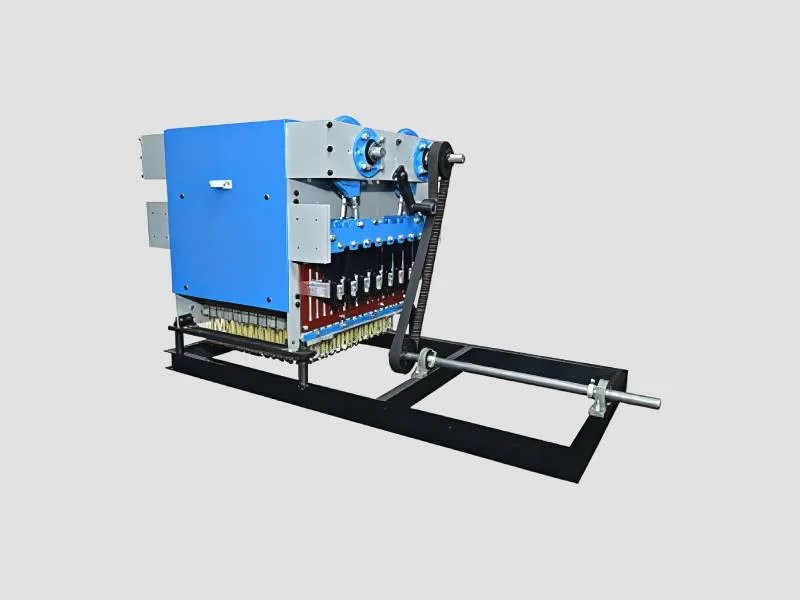
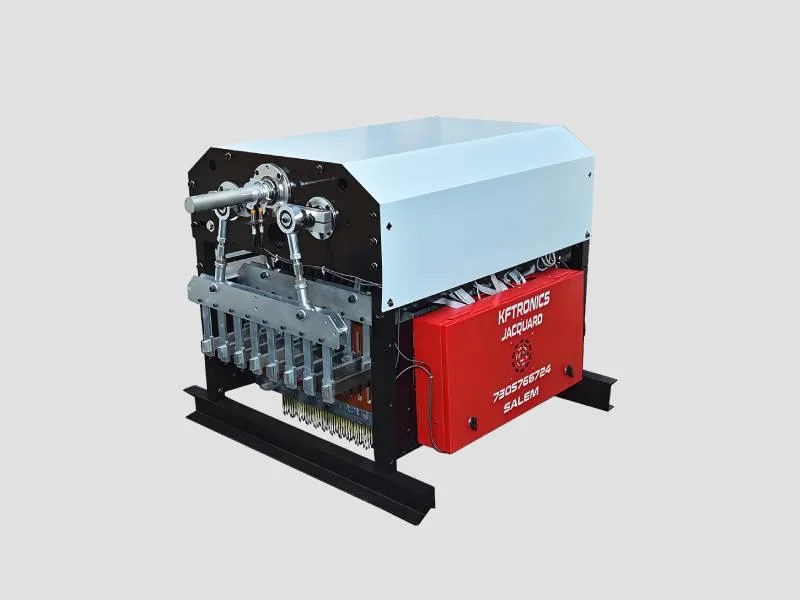
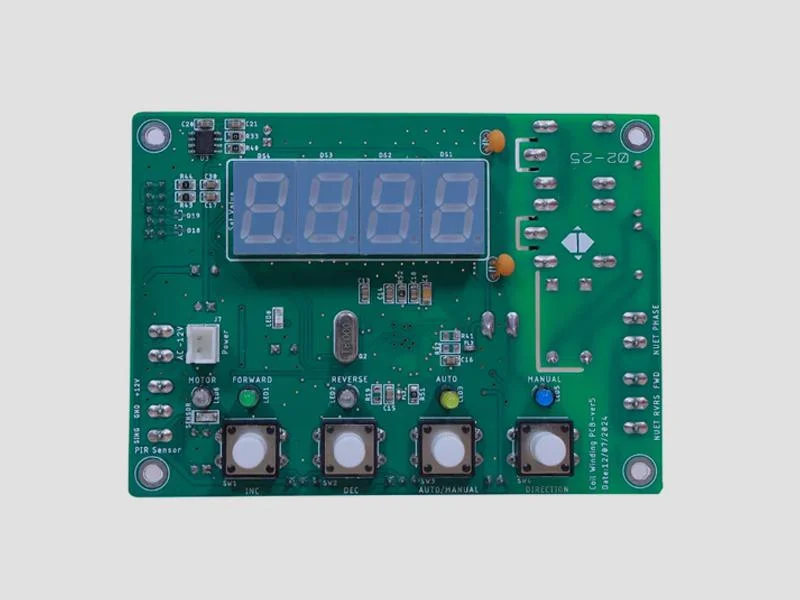
The Coil Winding Controller is an essential industrial automation component designed for the precise, repeatable manufacturing of electrical coils. It integrates advanced control systems to manage the motor driving the winding spindle, regulating critical parameters like rotational speed, wire tension, and layering patterns. Operating typically on 220V to 380V power supplies with motor drives ranging from 1HP to 5HP, this device translates digital or analog commands into flawless physical winding actions. Its core value lies in delivering consistent, high-accuracy results—typically within ±0.1%—which is non-negotiable for coils that must meet strict electrical specifications for inductance, resistance, and current-handling capacity. By storing multiple programs in memory, it enables quick changeovers between different coil types, boosting production flexibility and efficiency.

This equipment is indispensable across heavy electrical and precision electronics manufacturing. In the power...
The Coil Winding Controller is an essential industrial automation component designed for the precise, repeatable manufacturing of electrical coils. It integrates advanced control systems to manage the motor driving the winding spindle, regulating critical parameters like rotational speed, wire tension, and layering patterns. Operating typically on 220V to 380V power supplies with motor drives ranging from 1HP to 5HP, this device translates digital or analog commands into flawless physical winding actions. Its core value lies in delivering consistent, high-accuracy results—typically within ±0.1%—which is non-negotiable for coils that must meet strict electrical specifications for inductance, resistance, and current-handling capacity. By storing multiple programs in memory, it enables quick changeovers between different coil types, boosting production flexibility and efficiency.

This equipment is indispensable across heavy electrical and precision electronics manufacturing. In the power sector, it is used to wind large coils for distribution and power transformers. The automotive industry employs it for producing starter motor coils, alternator windings, and solenoid valves. Consumer appliance manufacturers rely on it for the motors in fans, pumps, and compressors. Furthermore, the electronics industry utilizes these controllers for creating miniature inductors and chokes found on PCBs, as well as coils for relays and sensors. Its ability to handle various wire materials—from enameled copper to aluminum—with precise torque control makes it a versatile asset in any facility producing electromagnetic components.

Investing in a reliable Coil Winding Controller translates directly into enhanced business value through superior product quality and optimized production throughput. The precision it ensures minimizes material waste from faulty windings and reduces rework, protecting profit margins. Compliance with international safety standards safeguards both personnel and equipment, reducing operational risk. The machine's reliability and accuracy ensure that every coil produced performs predictably in its end application, leading to fewer field failures and stronger customer trust. This operational consistency builds a reputation for quality, making your components preferred by assemblers and OEMs who cannot afford downtime due to part inconsistency.

Key Features:
- Offers a typical operational voltage range of 220V to 380V with adjustable current rating to suit various coil winding demands.
- Utilizes digital or analog control methods for precise command over the winding process.
- Powered by motors from 1HP to 5HP, capable of handling different coil sizes and wire gauges.
- Provides adjustable winding speed (RPM) and precise torque control for different wire materials.
- Delivers high accuracy of typically ±0.1% and includes program memory to store preset winding routines.

Benefits:
- Ensures consistent, high-precision coil production, which is critical for optimal electromagnetic performance in the final product.
- Increases production efficiency through programmable settings that allow for fast changeovers between different coil designs.
- Reduces material waste and operational costs by minimizing errors and the need for rework during the winding process.
- Enhances operator safety and equipment longevity by complying with recognized international safety standards.
- Improves overall manufacturing reliability, leading to higher customer satisfaction and fewer product returns due to coil failures.
Specifications
| Key Attributes | |
|---|---|
| Voltage Range | Typically 220V to 380V |
| Current Rating | Adjustable based on coil winding needs |
| Control Method | Digital/Analog |
| Motor Power | Usually 1HP to 5HP depending on coil size |
| Winding Speed | Adjustable RPM for different applications |
| Torque Control | Precise control for different wire materials |
| Accuracy | Typically ±0.1% for precise coil winding |
| Safety Standards | Compliant with international safety regulations |
| Program Memory | Stores preset programs for efficient winding |
| Additional Information | |
|---|---|
| Country of Origin | 106 |
Application
This controller serves as the intelligent core of automated winding systems, precisely managing the critical parameters of speed, torque, and tension during coil fabrication. Its programmable nature allows operators to store and recall settings for different wire gauges and coil geometries, ensuring repeatable quality across production batches and minimizing setup time between jobs.
Industries rely on this equipment to produce the fundamental inductive components found in countless electrical and electronic devices. From the stators and rotors in industrial motors to the primary and secondary windings in power transformers, the controller ensures each turn of wire is placed with exacting consistency, which is paramount for optimal electromagnetic performance and long-term operational reliability.
- Manufacturing stator and rotor windings for AC/DC motors used in industrial machinery, appliances, and automotive systems.
- Producing primary and secondary coil windings for power transformers, distribution transformers, and instrument transformers.
- Creating precise solenoid coils for valves, actuators, and electromechanical locking mechanisms.
- Winding inductor and choke coils for power supplies, filters, and electronic circuit boards.
- Fabricating field coils for generators, alternators, and specialized electromagnets.
Trade Details
| Available Stock | In Stock |
| Sample Availability | No |
Payment Terms
| Payment Terms |
|
Company Profile

KFTRONICS Electronic Jacquard, Tamil Nadu
 Tamil Nadu, India
Tamil Nadu, IndiaManufacturer
Factory Details
Factory SizeBelow 1000 sqm
Industrial Coil Winding Controller for Motors & Transformers with Digital Control
The Coil Winding Controller is a precision industrial device for manufacturing electrical coils in motors and transformers, featuring digital/analog control, adjustable speed/torque, and ±0.1% accuracy for reliable production.
Min. Order Quantity: 1 piece
Shipping
Shipping fee and delivery date to be negotiated. Contact supplier now for more details.
KFTRONICS Electronic Jacquard Tamil Nadu, India
Tamil Nadu, IndiaManufacturer