IN
IN₹
Apparel & Fashion
Loading subcategories...
View More
Description
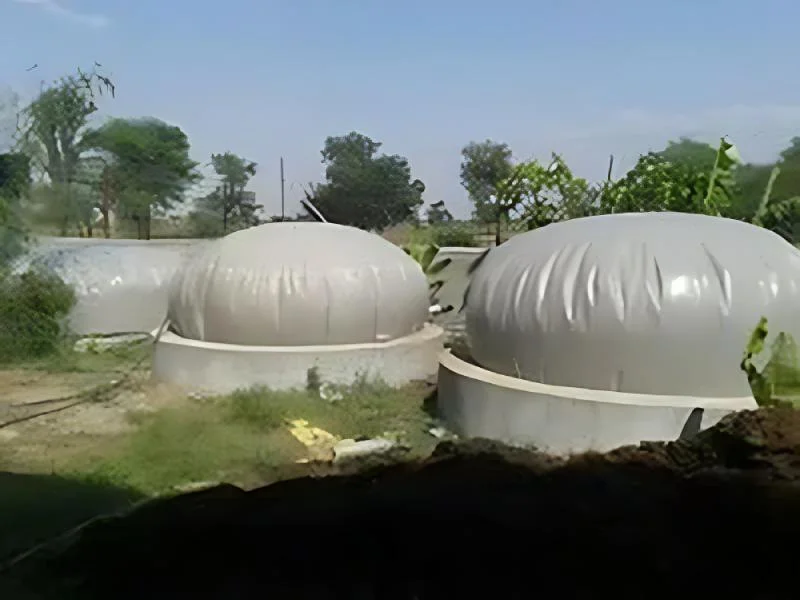
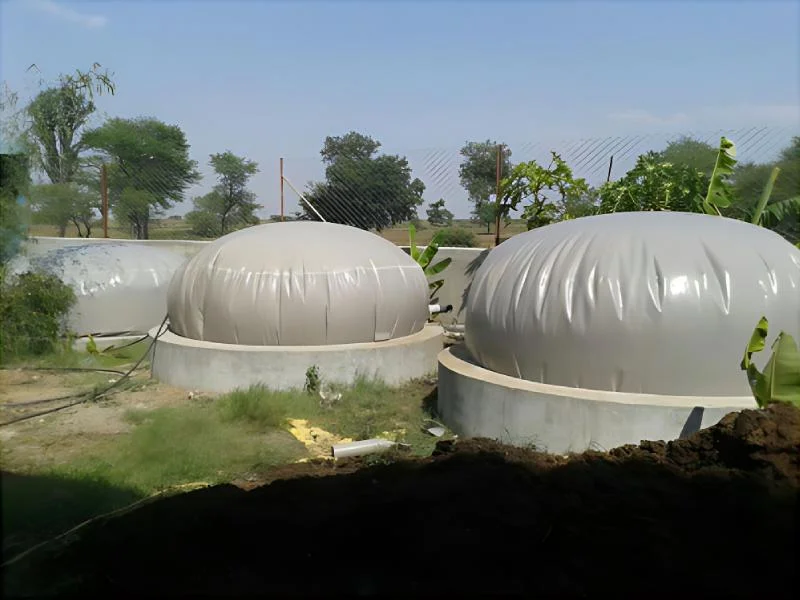
The Civil Construction Flexible Biogas Plant combines traditional construction durability with modern material technology to create a reliable organic waste-to-energy solution. Engineered with reinforced concrete or masonry digesters for structural integrity and high-strength flexible materials for gas storage, this system efficiently processes organic materials into clean biogas. With plant capacities ranging from 1-50 m³/day and gas output of 0.5-35 m³/day, the unit operates optimally at 25-40°C with 20-40 day retention periods. The robust construction ensures long-term performance while flexible components allow natural gas pressure regulation and volume adaptation, accommodating various feedstocks including kitchen waste, animal dung, and agricultural residues.

Multiple industries benefit from this biogas technology for sustainable energy generation and waste management solutions. Agricultural operations utilize livestock manure to produce cooking gas and organic fertilizer while ...
The Civil Construction Flexible Biogas Plant combines traditional construction durability with modern material technology to create a reliable organic waste-to-energy solution. Engineered with reinforced concrete or masonry digesters for structural integrity and high-strength flexible materials for gas storage, this system efficiently processes organic materials into clean biogas. With plant capacities ranging from 1-50 m³/day and gas output of 0.5-35 m³/day, the unit operates optimally at 25-40°C with 20-40 day retention periods. The robust construction ensures long-term performance while flexible components allow natural gas pressure regulation and volume adaptation, accommodating various feedstocks including kitchen waste, animal dung, and agricultural residues.

Multiple industries benefit from this biogas technology for sustainable energy generation and waste management solutions. Agricultural operations utilize livestock manure to produce cooking gas and organic fertilizer while reducing waste disposal expenses. Food processing facilities convert organic byproducts into renewable energy for heating and electricity requirements. Municipal authorities implement these systems for organic waste treatment with simultaneous energy recovery, while educational and healthcare institutions adopt them for sustainable energy generation. The scalable design supports everything from small farm installations to larger commercial applications, delivering consistent performance across different operational scales and waste input types.

The value proposition centers on operational reliability, cost efficiency, and environmental compliance. The civil engineering foundation ensures decades of service life with minimal maintenance requirements, while the flexible gas storage system eliminates mechanical components that typically fail in conventional biogas plants. Organizations benefit from reduced energy costs, additional revenue from organic fertilizer sales, and compliance with environmental standards including ISO certifications. The 2-8 week installation timeframe ensures quick operational readiness, supported by comprehensive operation and maintenance training for long-term self-sufficiency. This combination of durability, efficiency, and support makes it a strategic investment for operations prioritizing sustainable practices and energy independence.

Key Features:
- Reinforced concrete or masonry digester construction ensuring structural durability
- Flexible high-strength gas holder material providing safe biogas storage
- Plant capacity from 1-50 m³/day with gas output of 0.5-35 m³/day
- 20-40 day retention time optimizing biogas production efficiency
- Operating temperature range of 25-40°C for consistent performance

Benefits:
- Converts organic waste into clean renewable energy reducing fossil fuel dependency
- Produces nutrient-rich organic slurry (50-90% of input) as valuable fertilizer
- Complies with ISO and local environmental standards for regulatory compliance
- Quick 2-8 week installation with comprehensive operation training support
- Adaptable to various feedstocks including kitchen waste, manure, and agricultural residues
Specifications
| Attribute | Value |
|---|---|
| Plant Capacity | 1 m³ – 50 m³/day |
| Digester Material | Reinforced Concrete / Masonry |
| Gas Holder Type | Flexible High-Strength Material |
| Gas Output | 0.5 – 35 m³/day |
| Retention Time | 20 – 40 days |
| Slurry Output | 50 – 90% of input waste |
| Operating Temperature | 25°C – 40°C |
| Installation Time | 2 – 8 weeks |
| Safety Compliance | ISO / Local Environmental Standards |
| Post-Erection Support | Operation & Maintenance Training |
| Additional Information | |
|---|---|
| Country of Origin | India |
| Customisable | No |
Application
This flexible biogas plant serves multiple sectors requiring reliable organic waste conversion and energy generation. The reinforced concrete construction ensures structural durability while the flexible gas storage adapts to varying production volumes, making it suitable for farms, food processing facilities, and municipal waste management operations seeking consistent biogas output and organic fertilizer production.
The system efficiently processes diverse organic materials including kitchen waste, animal manure, and agricultural residues across different operational scales. From small agricultural setups to larger commercial installations, the plant maintains optimal performance while producing valuable nutrient-rich slurry for farming applications, supporting both energy needs and soil enrichment programs.
- Agricultural farms converting livestock manure into cooking gas and organic fertilizer
- Food processing industries transforming organic waste into renewable energy for operations
- Municipal waste management facilities processing organic solid waste with energy recovery
- Educational and healthcare institutions implementing sustainable energy solutions
- Rural community projects establishing centralized biogas plants for multiple households
Trade Details
| Available Stock | In Stock |
| Sample Availability | No |
Payment Terms
| Payment Terms |
|
Company Profile

Diamond Engineering Enterprises , Tamil Nadu
 Tamil Nadu, India
Tamil Nadu, IndiaFood & Agriculture•Manufacturer•Importer / Exporter
Factory Details
Factory SizeBelow 1000 sqm
Annual Production Capacity0
Main Markets
Africa
Civil Construction Flexible Biogas Plant 0.5 35 m/Day Reinforced Concrete
Civil Construction Flexible Biogas Plant converts organic waste into clean energy using reinforced concrete digesters and flexible gas holders. This robust system delivers 0.5-35 m³/day biogas with 20-40 day retention for agricultural, industrial, and municipal sustainable energy needs.
Min. Order Quantity: 1 piece
Shipping
Shipping fee and delivery date to be negotiated. Contact supplier now for more details.
Diamond Engineering Enterprises 
 Tamil Nadu, India
Tamil Nadu, IndiaFood & AgricultureManufacturer