IN
IN₹

Description
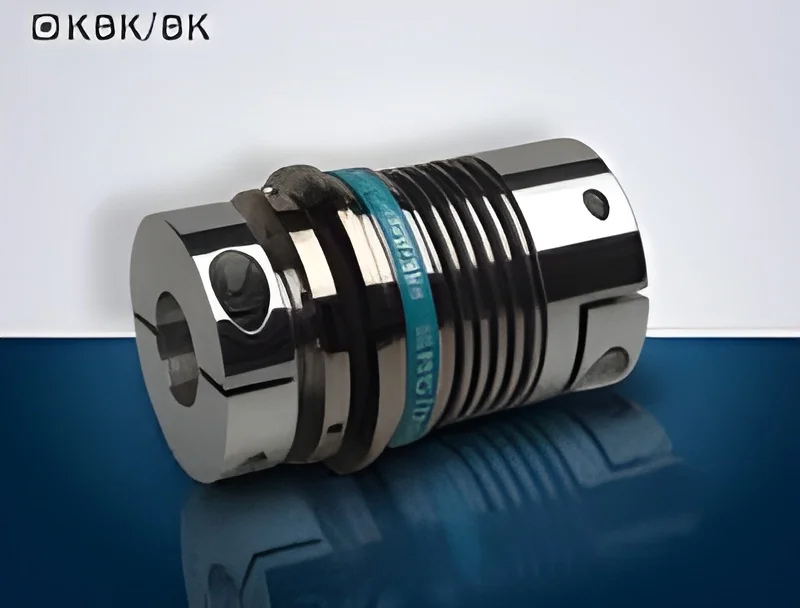
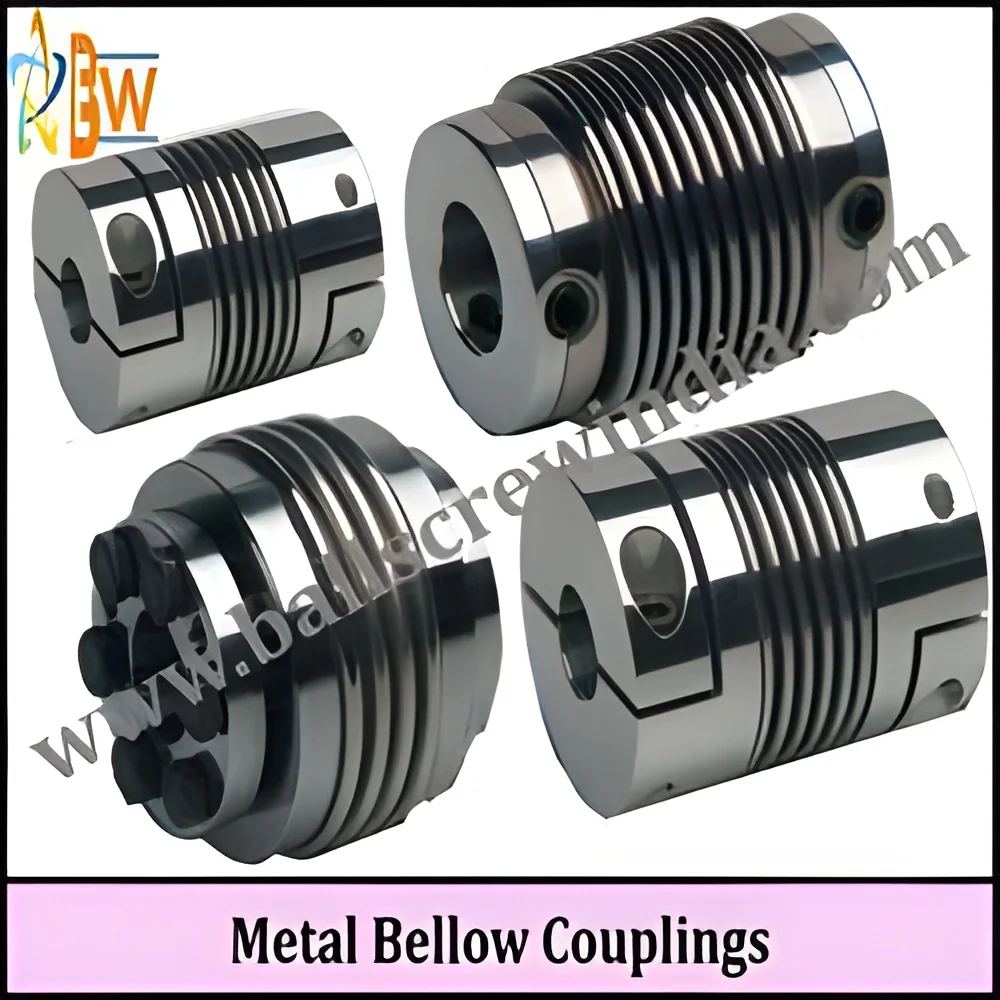
Buffer Type Flexible Couplings (BFC) are precision mechanical components designed to create a reliable connection between two rotating shafts. Their primary function is to transmit torque efficiently while accommodating inevitable misalignments—angular, parallel, and axial—that occur in real-world installations. The core design utilizes two hubs, manufactured from high-strength aluminum or stainless steel, connected by a single, flat stainless steel disc spring. This spring element provides the necessary flexibility to absorb vibrations and minor shock loads, ensuring smooth rotational power transfer. This design is critical for protecting sensitive drivetrain components from the damaging effects of misalignment, which can lead to excessive bearing wear, seal failure, and premature breakdowns in connected equipment like motors, pumps, and gearboxes.

These couplings serve as a foundational element in power transmission systems across a diverse industrial landscape. In manufacturing and...
Buffer Type Flexible Couplings (BFC) are precision mechanical components designed to create a reliable connection between two rotating shafts. Their primary function is to transmit torque efficiently while accommodating inevitable misalignments—angular, parallel, and axial—that occur in real-world installations. The core design utilizes two hubs, manufactured from high-strength aluminum or stainless steel, connected by a single, flat stainless steel disc spring. This spring element provides the necessary flexibility to absorb vibrations and minor shock loads, ensuring smooth rotational power transfer. This design is critical for protecting sensitive drivetrain components from the damaging effects of misalignment, which can lead to excessive bearing wear, seal failure, and premature breakdowns in connected equipment like motors, pumps, and gearboxes.

These couplings serve as a foundational element in power transmission systems across a diverse industrial landscape. In manufacturing and automation, they are found in conveyor systems, robotic arms, and machine tools, ensuring precise motion control. The energy sector, including oil, gas, and renewable power, relies on them for pumps, compressors, and turbine drives, where they must perform under high torque and in challenging environments. Water and wastewater treatment facilities utilize BFCs in aerators, mixers, and pump sets to guarantee continuous, reliable operation. Furthermore, industries such as mining, marine propulsion, and heavy vehicle manufacturing integrate these couplings into equipment where durability and failure resistance are non-negotiable for safety and productivity.

The business value of integrating Buffer Type Flexible Couplings is clear: enhanced operational reliability and reduced total cost of ownership. By correctly compensating for misalignment, they directly extend the service life of expensive capital machinery, leading to fewer unscheduled stoppages and lower maintenance expenses. Their robust construction ensures consistent performance, reducing the risk of catastrophic drivetrain failure. This reliability translates into predictable production schedules, higher output quality, and improved return on investment for machinery. For procurement specialists and plant managers, specifying these couplings means investing in a proven component that safeguards productivity and minimizes operational risk in demanding industrial applications.

Key Features:
- Hubs constructed from high-grade aluminum or stainless steel for superior strength and corrosion resistance.
- Incorporates a single flat stainless steel disc spring for effective vibration damping and flexibility.
- Engineered to accommodate angular, parallel, and axial shaft misalignments to protect connected assets.
- Designed specifically for high-torque transmission requirements in heavy-duty industrial settings.
- Available in standardized sizes with precise engineering tolerances for consistent performance.

Benefits:
- Protects motors, bearings, and seals from damage caused by misalignment, reducing maintenance costs.
- Dampens vibrations and absorbs shock loads, leading to smoother operation and less noise.
- Enhances the longevity and reliability of the entire power transmission system, minimizing downtime.
- Ensures efficient power transfer with minimal energy loss, contributing to operational efficiency.
- Provides a simple, durable, and maintenance-free solution for connecting rotating machinery.
Specifications
| Additional Information | |
|---|---|
| Country of Origin | India |
Application
Buffer Type Flexible Couplings are engineered to connect rotating shafts while effectively managing misalignment and dampening vibrations. Their robust construction, featuring high-grade hubs and a resilient disc spring, ensures reliable power transmission in high-torque environments. This makes them indispensable for heavy-duty applications where operational continuity and equipment protection are paramount, minimizing stress on connected components.
These couplings are deployed across critical industries to enhance system reliability and longevity. By absorbing shock loads and compensating for installation inaccuracies, they prevent premature wear on motors, pumps, and gearboxes. This protection is vital for maintaining efficiency in sectors like manufacturing, energy production, and water management, where unexpected downtime carries significant cost implications.
- Power transmission between motors and pumps in water treatment and chemical processing plants.
- Connecting drive systems to conveyors and material handling equipment in manufacturing facilities.
- Integrating servo motors and drives in automated packaging and assembly machinery.
- Coupling engines to generators or compressors in power generation and HVAC systems.
- Transmitting torque in industrial mixers, agitators, and fans within processing plants.
Trade Details
| Available Stock | In Stock |
| Sample Availability | No |
Payment Terms
| Payment Terms |
|
Company Profile

Balaji Engineering Works, Maharashtra
 Maharashtra, India
Maharashtra, IndiaIndustrial Equipment & Machinery•Manufacturer•Distributor / Wholesaler•Importer / Exporter
Factory Details
Factory SizeBelow 1000 sqm
Annual Production Capacity0
Main Markets
South Asia
Industrial Machinery Buffer Type Flexible Couplings For High Torque Transmission
Buffer Type Flexible Couplings (BFC) provide reliable high-torque transmission and misalignment compensation for industrial machinery, featuring durable aluminum or stainless steel hubs and a disc spring for smooth operation in demanding applications.
Min. Order Quantity: 1 unit
Shipping
Shipping fee and delivery date to be negotiated. Contact supplier now for more details.
Balaji Engineering Works
 Maharashtra, India
Maharashtra, IndiaIndustrial Equipment & MachineryManufacturer