IN
₹
Description
Industrial bright silver plating is a specialized electrochemical finishing process that deposits a pure, adherent layer of silver onto various metal substrates. This technique creates surfaces renowned for their exceptional combination of functional and aesthetic properties. The result is a fully bright, mirror-like finish that delivers superior electrical and thermal conductivity, excellent corrosion resistance, and brilliant reflectivity. The process is engineered to provide uniform, consistent coverage even on components with complex geometries, ensuring reliable performance across the entire plated surface. This makes it an indispensable solution for manufacturers who require a finish that meets stringent technical specifications while also delivering visual appeal and long-term durability for their products.

Multiple sectors utilize bright silver plating to solve specific engineering and design challenges. In electronics manufacturing, it is applied to connectors, switches, and ...
Industrial bright silver plating is a specialized electrochemical finishing process that deposits a pure, adherent layer of silver onto various metal substrates. This technique creates surfaces renowned for their exceptional combination of functional and aesthetic properties. The result is a fully bright, mirror-like finish that delivers superior electrical and thermal conductivity, excellent corrosion resistance, and brilliant reflectivity. The process is engineered to provide uniform, consistent coverage even on components with complex geometries, ensuring reliable performance across the entire plated surface. This makes it an indispensable solution for manufacturers who require a finish that meets stringent technical specifications while also delivering visual appeal and long-term durability for their products.

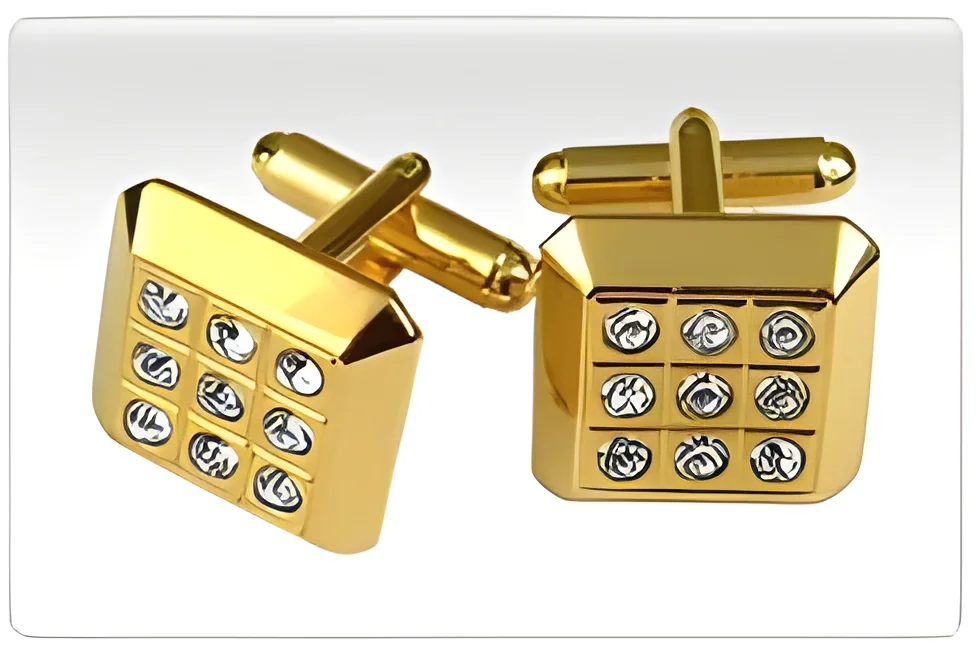
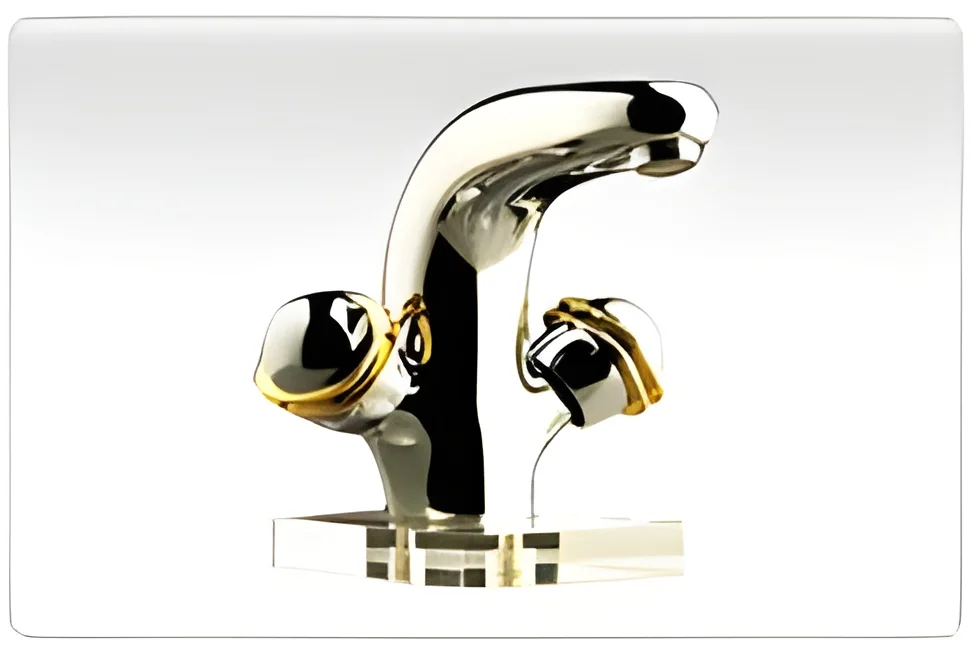
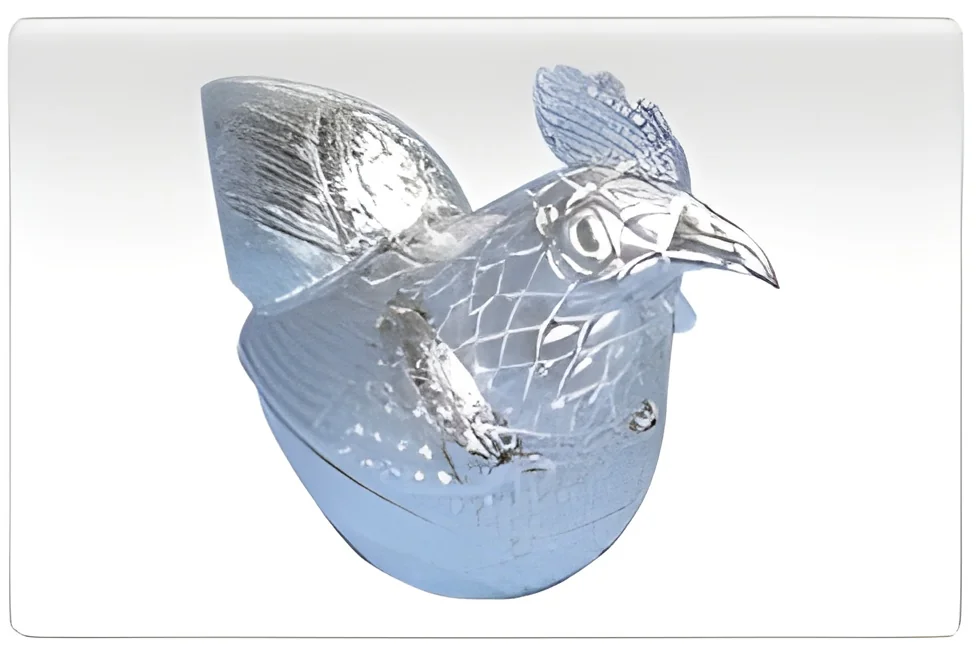
Multiple sectors utilize bright silver plating to solve specific engineering and design challenges. In electronics manufacturing, it is applied to connectors, switches, and contacts to ensure optimal signal transmission and low electrical resistance. The automotive industry specifies it for electrical system components, sensors, and decorative trim where reliability and appearance are critical. Jewelry and accessory makers leverage its brilliant, tarnish-resistant finish for high-quality items. Industrial equipment manufacturers value it for mechanical parts like bearings and gears due to its low friction and wear resistance. Furthermore, its properties are beneficial in specialized applications within the medical and telecommunications fields, where consistent performance and material integrity are paramount.

Choosing this bright silver plating delivers significant business value through enhanced product performance, reliability, and longevity. The plating process itself offers excellent throwing power, minimizing material waste and ensuring high first-pass yield rates for complex parts. The resulting silver deposit exhibits strong adhesion, resisting flaking or peeling under thermal stress, mechanical load, and environmental exposure. This translates directly into reduced failure rates, lower lifetime maintenance costs, and increased customer satisfaction. By providing a finish that consistently meets or exceeds industry standards for conductivity, corrosion resistance, and appearance, it helps manufacturers build trust, justify premium positioning, and secure contracts in competitive markets.

Key Features:
- Exceptional electrical conductivity for efficient signal and power transmission
- Superior thermal conductivity for effective heat dissipation in components
- Brilliant, mirror-like aesthetic finish with high light reflectivity
- Strong corrosion and tarnish resistance for long-term environmental protection
- Uniform deposition ensuring consistent coverage on complex part geometries

Benefits:
- Enhances component reliability and longevity in demanding operational environments
- Improves electrical system efficiency through minimal resistance and signal loss
- Delivers a premium aesthetic finish that adds value to end products
- Reduces maintenance frequency and associated downtime costs
- Provides consistent, high-quality results that meet strict industry specifications
Specifications
| Additional Information | |
|---|---|
| Country of Origin | India |
Application
This bright silver plating process delivers critical functional advantages where surface properties directly impact performance. Its exceptional electrical conductivity ensures minimal signal loss and reliable operation in demanding electrical and electronic applications, making it essential for components where consistent performance is non-negotiable. The brilliant, mirror-like finish offers both aesthetic appeal and functional benefits, including enhanced reflectivity and surface smoothness that contribute to reduced friction and improved durability in mechanical applications.
The combination of technical performance and visual quality makes this plating suitable for diverse industrial needs. It provides excellent corrosion and tarnish resistance, protecting components in harsh environments while maintaining their appearance and functionality over extended periods. This durability, coupled with the plating's reliable adhesion and uniform coverage, ensures long-term value and reduces maintenance requirements across various applications and operating conditions.
- Electrical connectors, terminals, and contacts in automotive control systems and aerospace electronics
- Semiconductor packaging, circuit board components, and RF shielding in consumer electronics and telecommunications
- Decorative elements, findings, and luxury accessories within the jewelry and fashion industries
- Precision bearings, gears, and sliding components in industrial machinery and automation equipment
- Medical device components and surgical instruments requiring reliable conductivity and surface integrity
Trade Details
| Available Stock | In Stock |
| Sample Availability | No |
Payment Terms
| Payment Terms |
|
Company Profile
Arihant Electroplaters, Maharashtra
 Maharashtra, India
Factory Details
Factory SizeBelow 1000 sqm
Annual Production Capacity0
Industrial Bright Silver Plating For Electronics Automotive Jewelry
Industrial bright silver plating provides superior electrical conductivity, brilliant reflectivity, and excellent corrosion resistance for electronics, automotive, and jewelry components requiring reliable, high-performance surface finishing.
Min. Order Quantity: 1 unit
Shipping
Shipping fee and delivery date to be negotiated. Contact supplier now for more details.
Arihant Electroplaters
 Maharashtra, India