IN
₹
Apparel & Fashion
Description
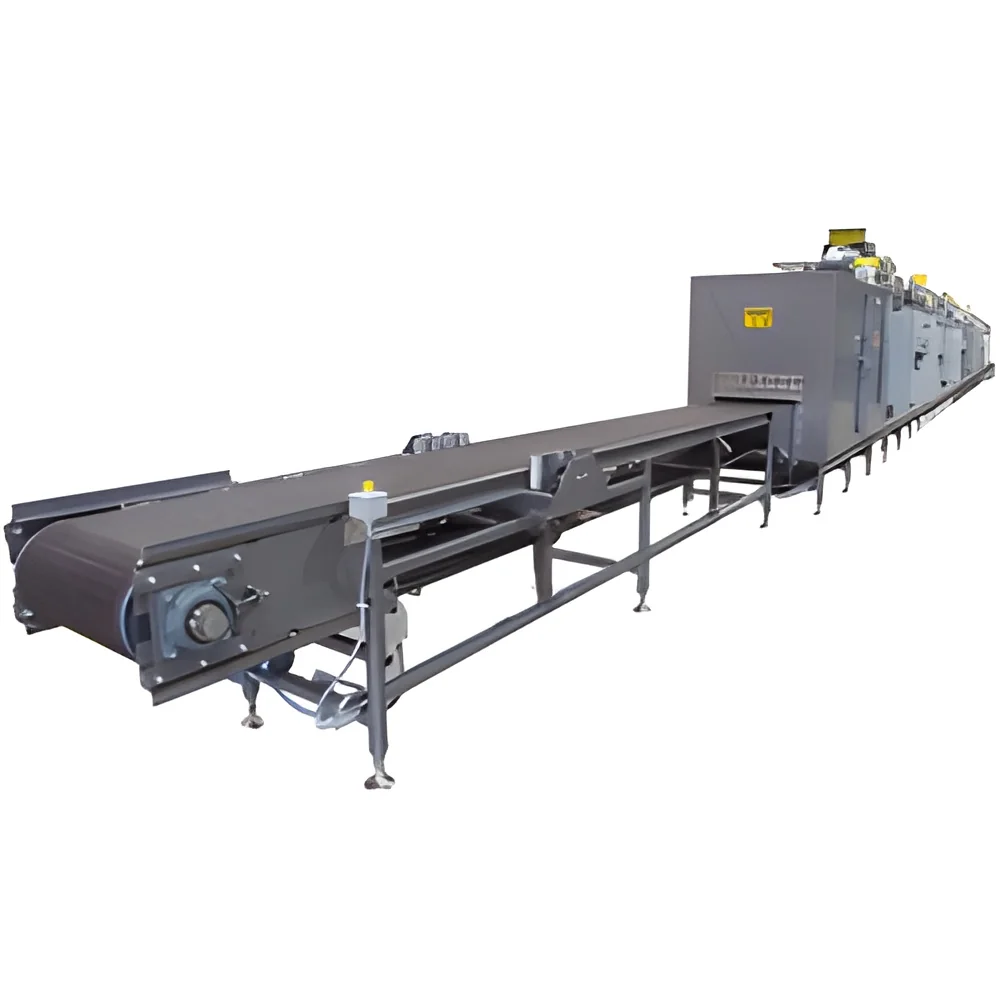
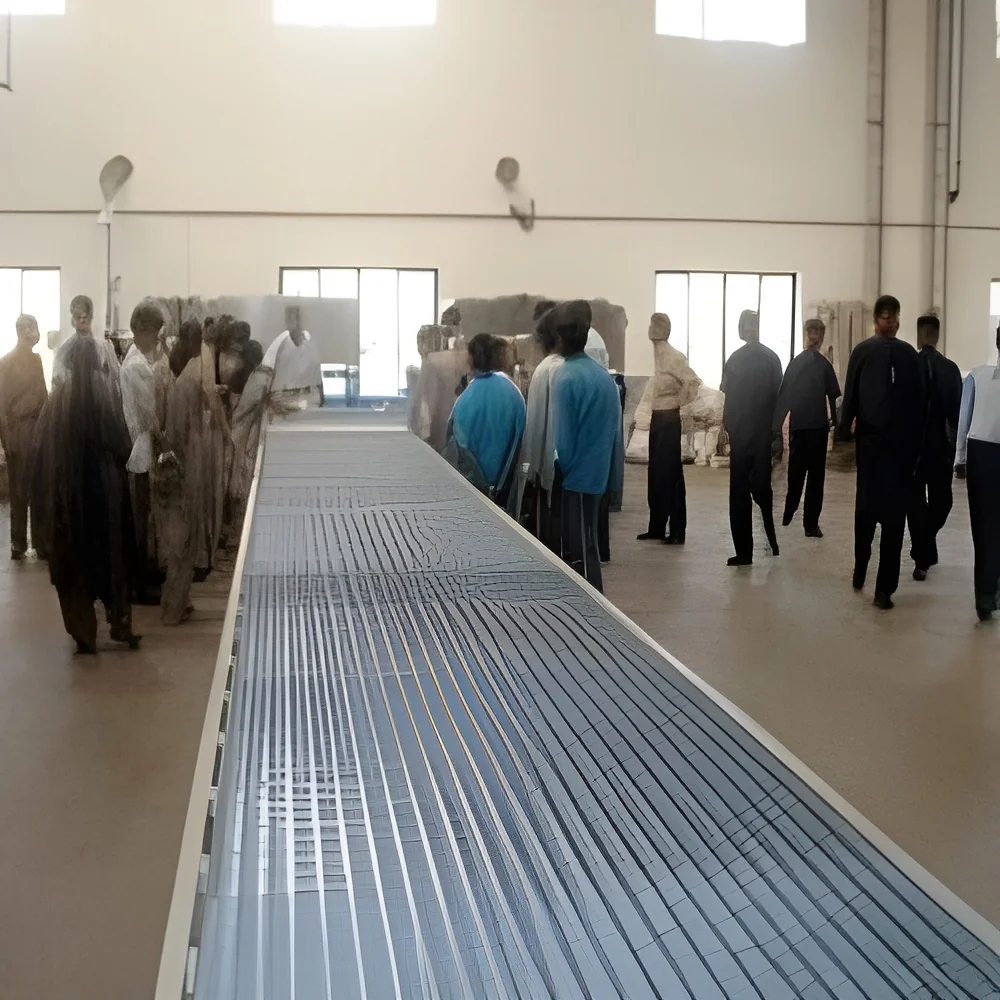
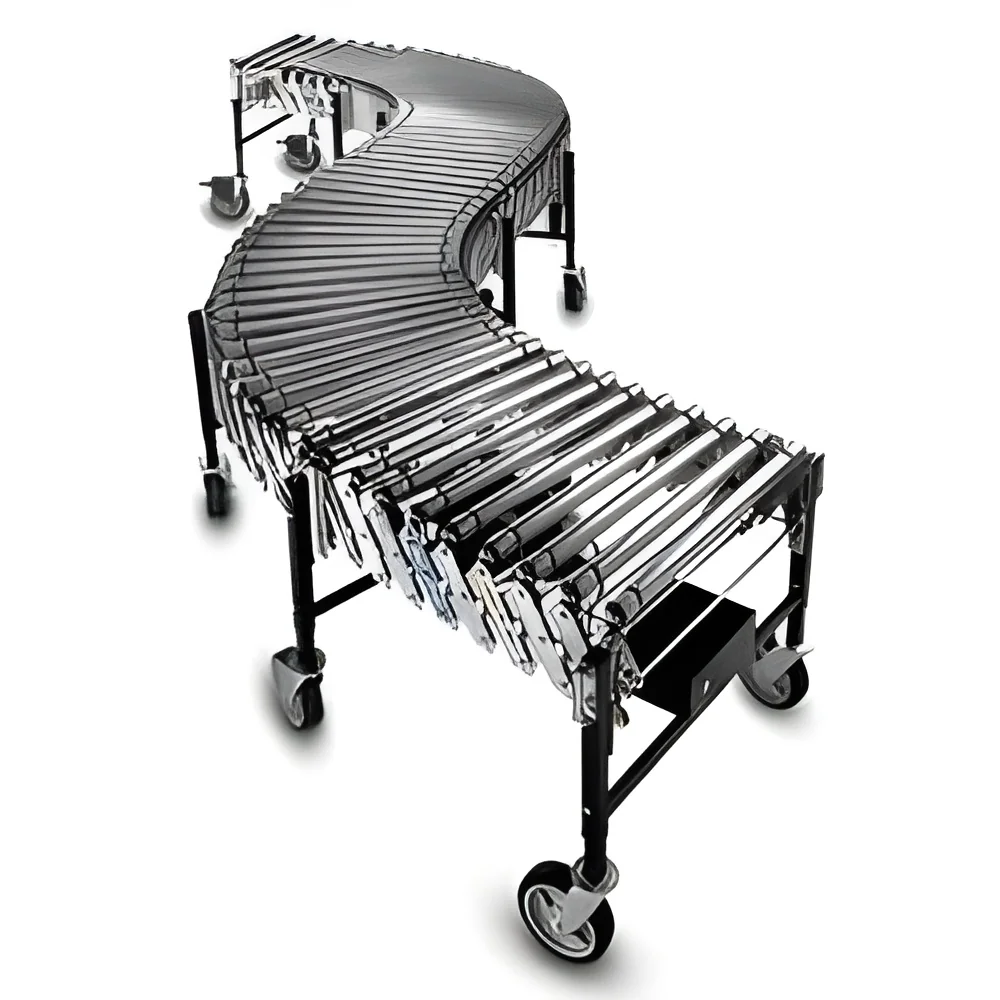
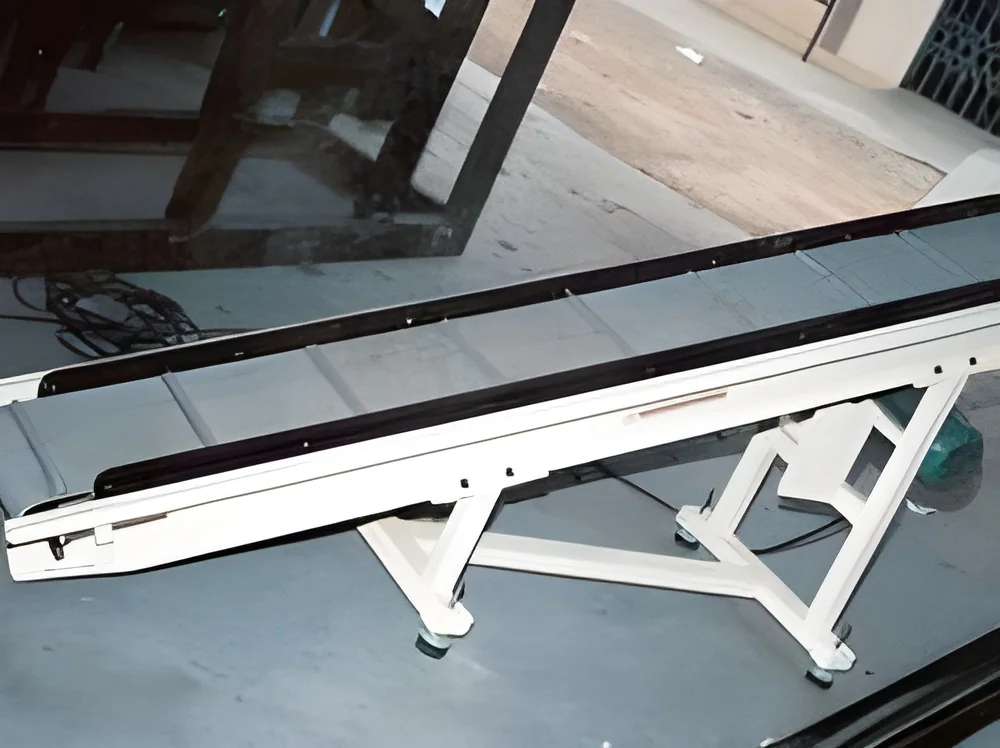
Industrial bridging conveyor systems are engineered to create seamless connections between separate production equipment and processes. These specialized material handling solutions ensure continuous material flow by bridging physical gaps between machinery, different production zones, or varying floor levels. Designed for reliability and durability, they handle various load types including boxes, packages, and raw materials across demanding industrial environments. The conveyors feature robust construction and precise engineering to match specific operational requirements and spatial constraints. Their efficient design minimizes maintenance requirements while maximizing operational performance in continuous-use industrial settings.

These conveyor systems find extensive application across numerous industrial sectors including manufacturing plants, distribution centers, food processing facilities, and packaging operations. In manufacturing environments, they connect assembly stations t...
Industrial bridging conveyor systems are engineered to create seamless connections between separate production equipment and processes. These specialized material handling solutions ensure continuous material flow by bridging physical gaps between machinery, different production zones, or varying floor levels. Designed for reliability and durability, they handle various load types including boxes, packages, and raw materials across demanding industrial environments. The conveyors feature robust construction and precise engineering to match specific operational requirements and spatial constraints. Their efficient design minimizes maintenance requirements while maximizing operational performance in continuous-use industrial settings.

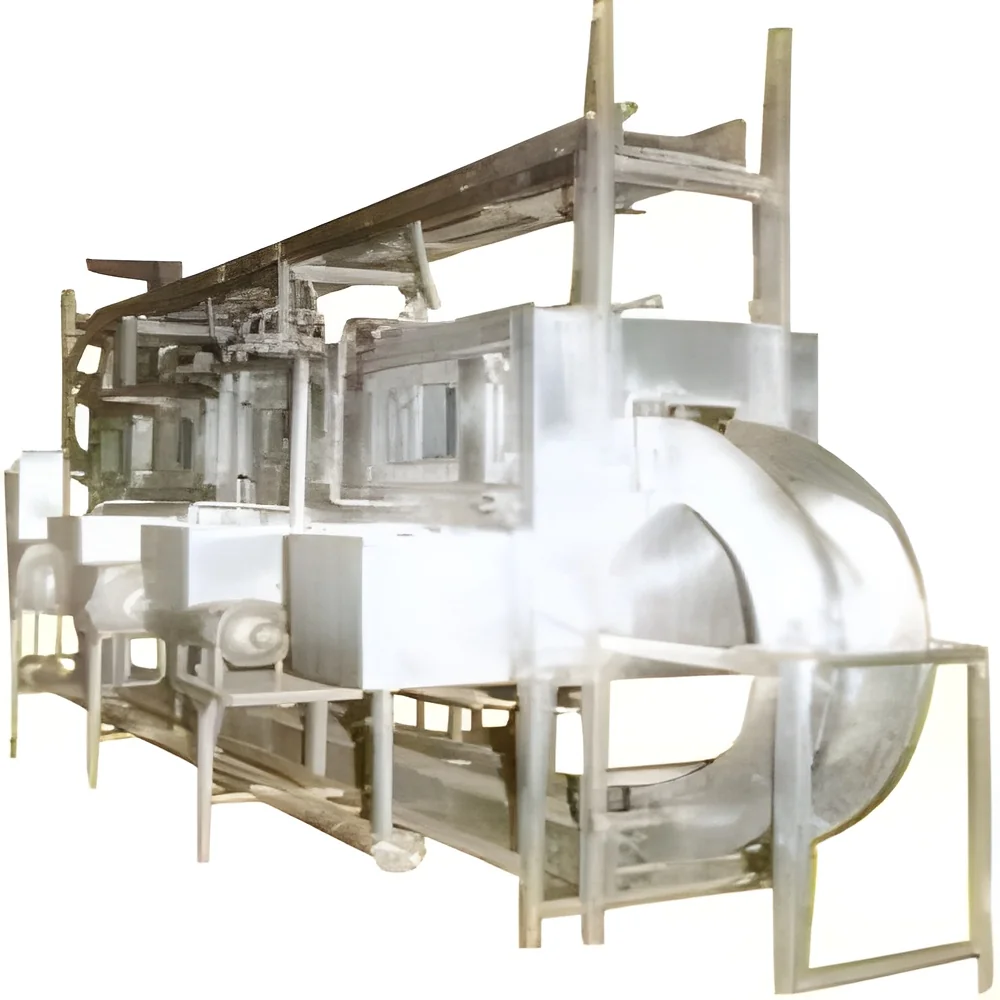
These conveyor systems find extensive application across numerous industrial sectors including manufacturing plants, distribution centers, food processing facilities, and packaging operations. In manufacturing environments, they connect assembly stations to testing equipment and packaging areas. Warehouses utilize them to bridge gaps between storage systems and loading areas. Food processing plants employ bridging conveyors to maintain strict hygiene standards while transferring products between processing stages. Packaging facilities rely on them to connect wrapping machines to labeling and sorting stations. The adaptability of these systems makes them essential in any operation requiring uninterrupted material movement between separated processes or equipment.

Investing in quality bridging conveyors delivers substantial business value through enhanced operational efficiency and reduced operational costs. These systems eliminate manual material handling between processes, reducing both labor requirements and potential workplace injury risks. Their reliable performance ensures minimal production downtime and consistent workflow, directly impacting overall productivity and profitability. The engineering precision allows businesses to optimize their workflow layout without compromising equipment compatibility. Constructed with industrial-grade components, these conveyors withstand continuous operation in challenging environments, providing long-term value and return on investment through years of dependable service and minimal maintenance requirements.

Key Features:
- Customizable dimensions to fit specific spatial and operational requirements
- Industrial-grade construction using durable materials for long service life
- Flexible configuration options to connect various machinery types
- Smooth transition mechanisms for efficient material transfer between processes
- Low maintenance design with easily accessible service components

Benefits:
- Enhanced operational efficiency through continuous material flow
- Reduced labor costs by eliminating manual handling between processes
- Minimal production downtime with reliable performance
- Improved workplace safety by reducing manual material transfer
- Long-term value through durable construction and minimal maintenance
Specifications
| Additional Information | |
|---|---|
| Country of Origin | India |
Application
Industrial bridging conveyor systems maintain continuous material flow by connecting separate production processes and equipment. They eliminate manual handling between machinery, reduce operational downtime, and ensure consistent movement of goods throughout your facility. These systems are particularly valuable in automated environments where uninterrupted material transfer directly impacts production efficiency and throughput capacity.
These versatile conveyors serve multiple industries including manufacturing plants, distribution centers, food processing facilities, and packaging operations. Their adaptable design accommodates various spatial requirements and operational needs. Businesses implement them to bridge equipment gaps, navigate around structural obstacles, and transition materials between different levels or conveyor types while maintaining smooth, continuous workflow throughout their operations.
- Connecting assembly stations to quality control checkpoints in manufacturing
- Bridging warehouse storage systems to automated sorting equipment
- Transferring packaged goods between different production floor levels
- Linking processing machinery to packaging stations in food facilities
- Facilitating continuous flow between separate conveyor systems in distribution
Trade Details
| Available Stock | In Stock |
| Sample Availability | No |
Payment Terms
| Payment Terms |
|
Company Profile
Sai Systems, Karnataka
 Karnataka, India
Industrial Equipment & Machinery•Manufacturer•Distributor / Wholesaler•Importer / Exporter
Factory Details
Factory SizeBelow 1000 sqm
Annual Production Capacity0
Industrial Bridging Conveyor Systems For Material Transfer
Industrial bridging conveyor systems provide seamless material transfer between production lines. These reliable systems are built for manufacturing, packaging, and logistics sectors, offering efficient workflow integration and consistent performance in demanding industrial environments.
Min. Order Quantity: 1 unit
Shipping
Shipping fee and delivery date to be negotiated. Contact supplier now for more details.
Sai Systems
 Karnataka, India
Industrial Equipment & MachineryManufacturer