IN
IN₹
Apparel & Fashion
Description
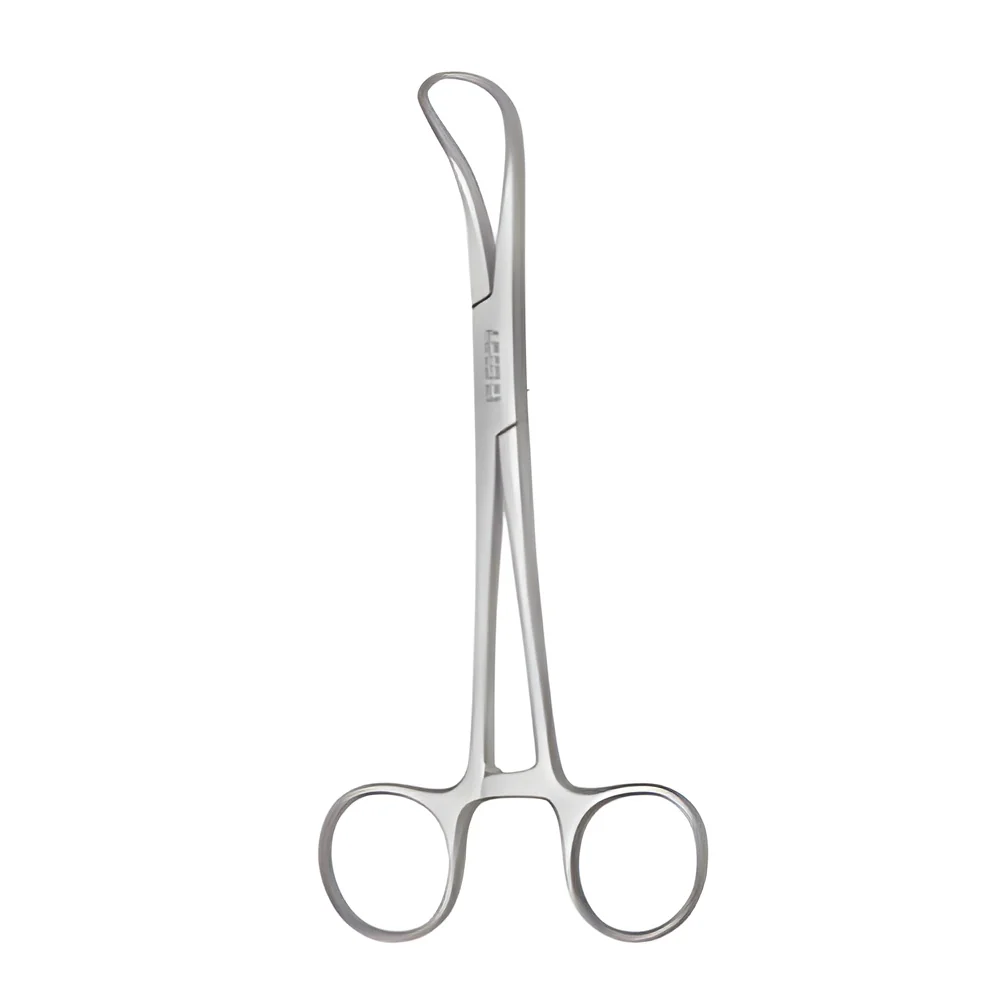
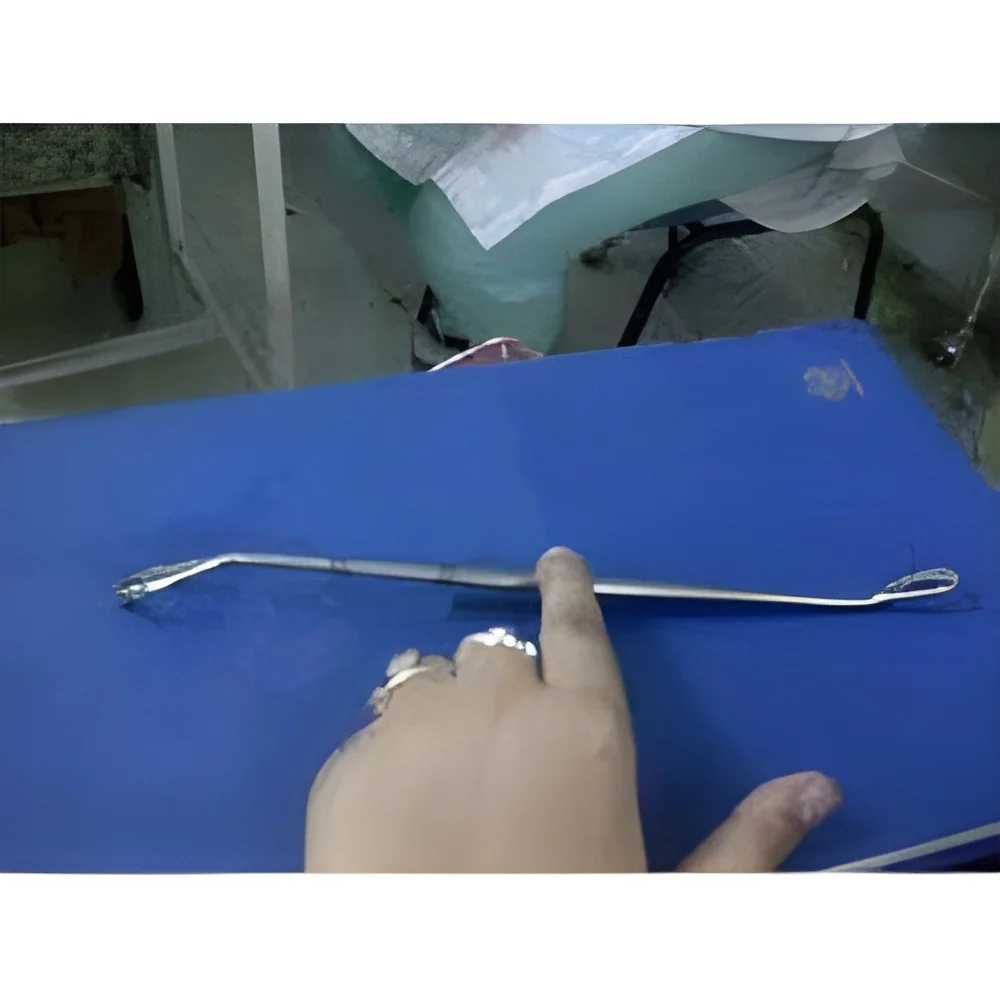
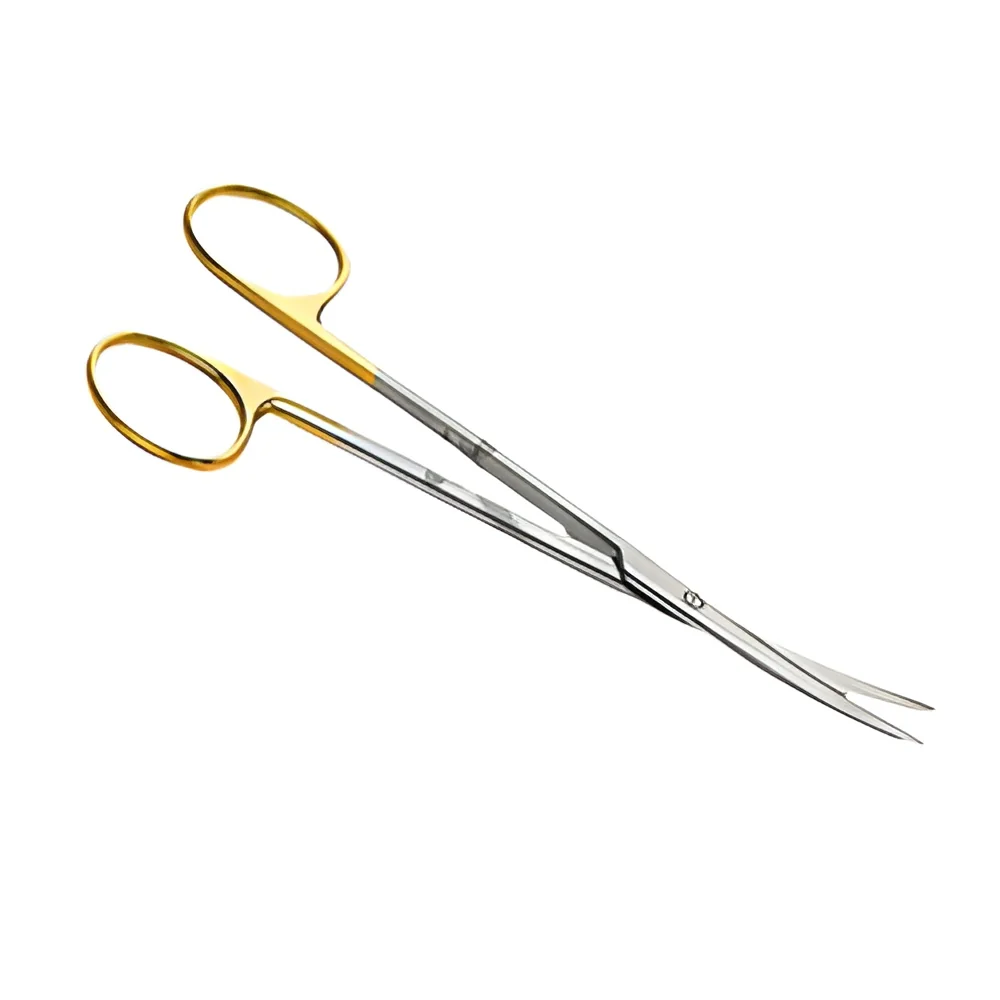
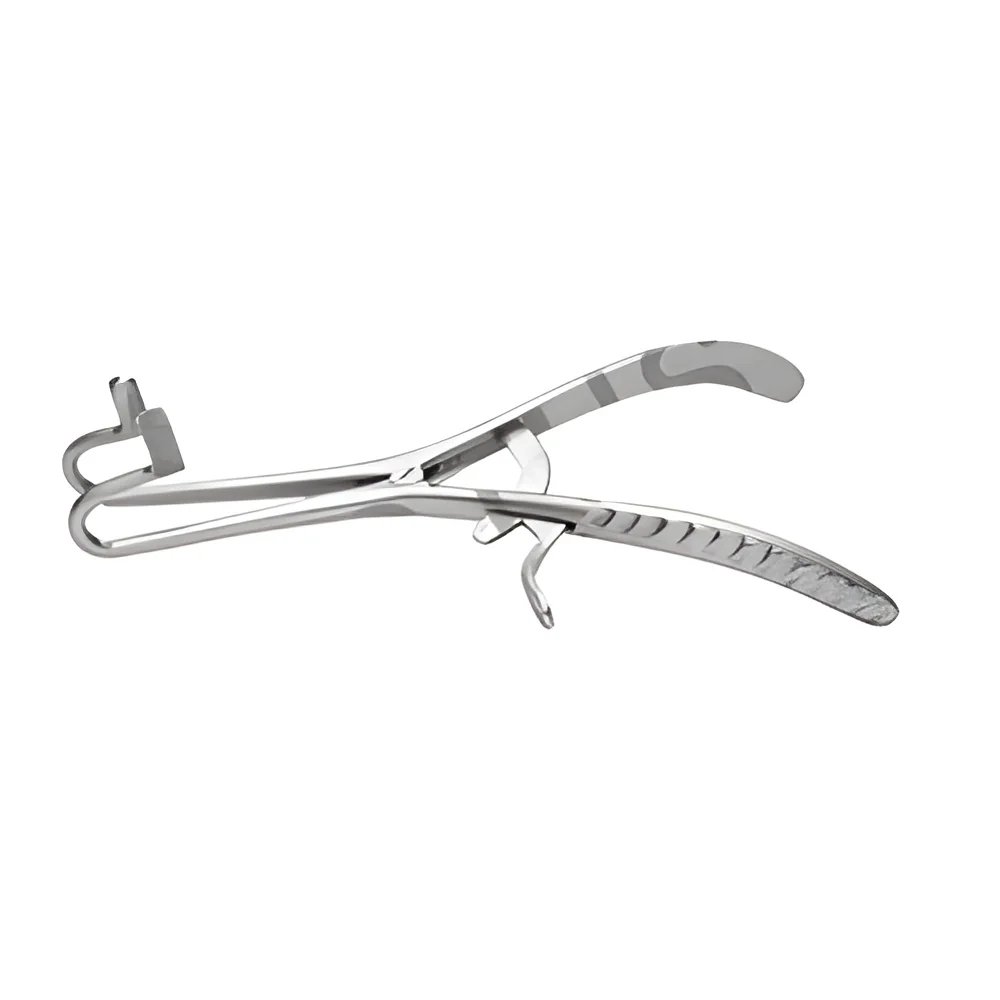
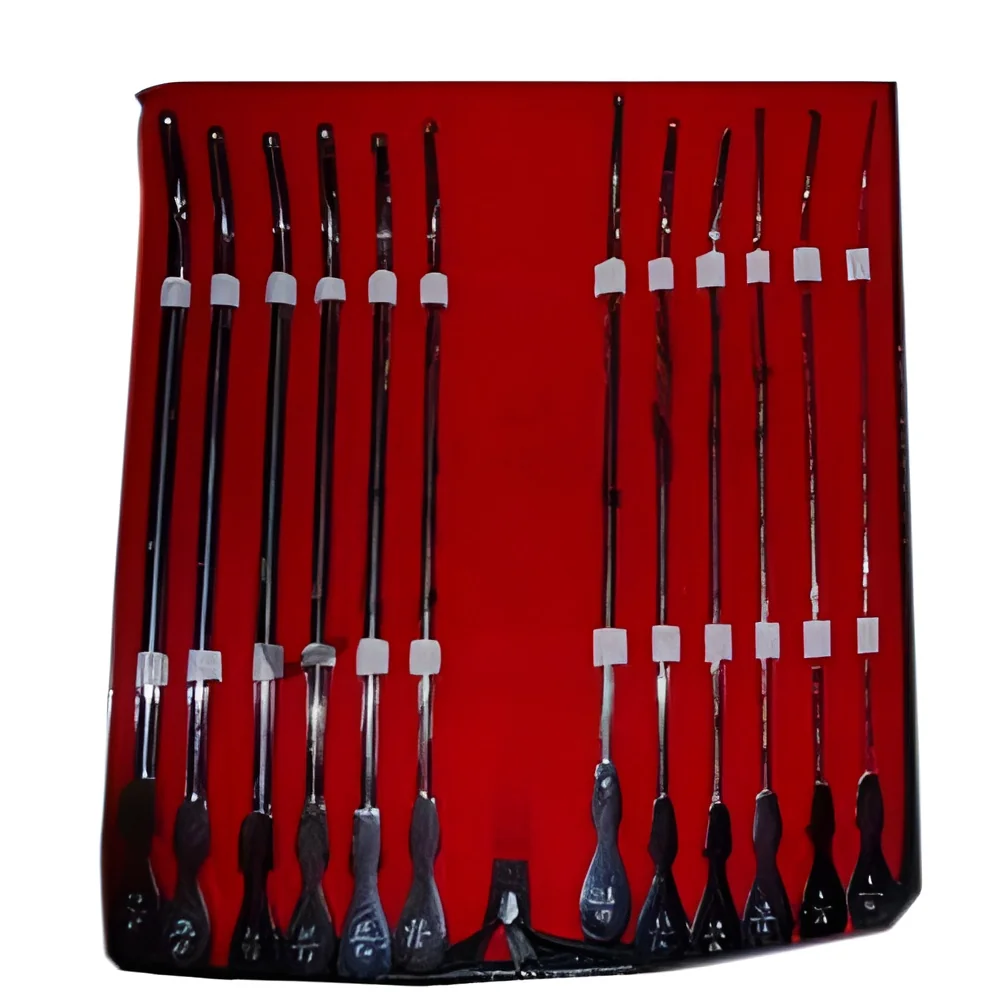
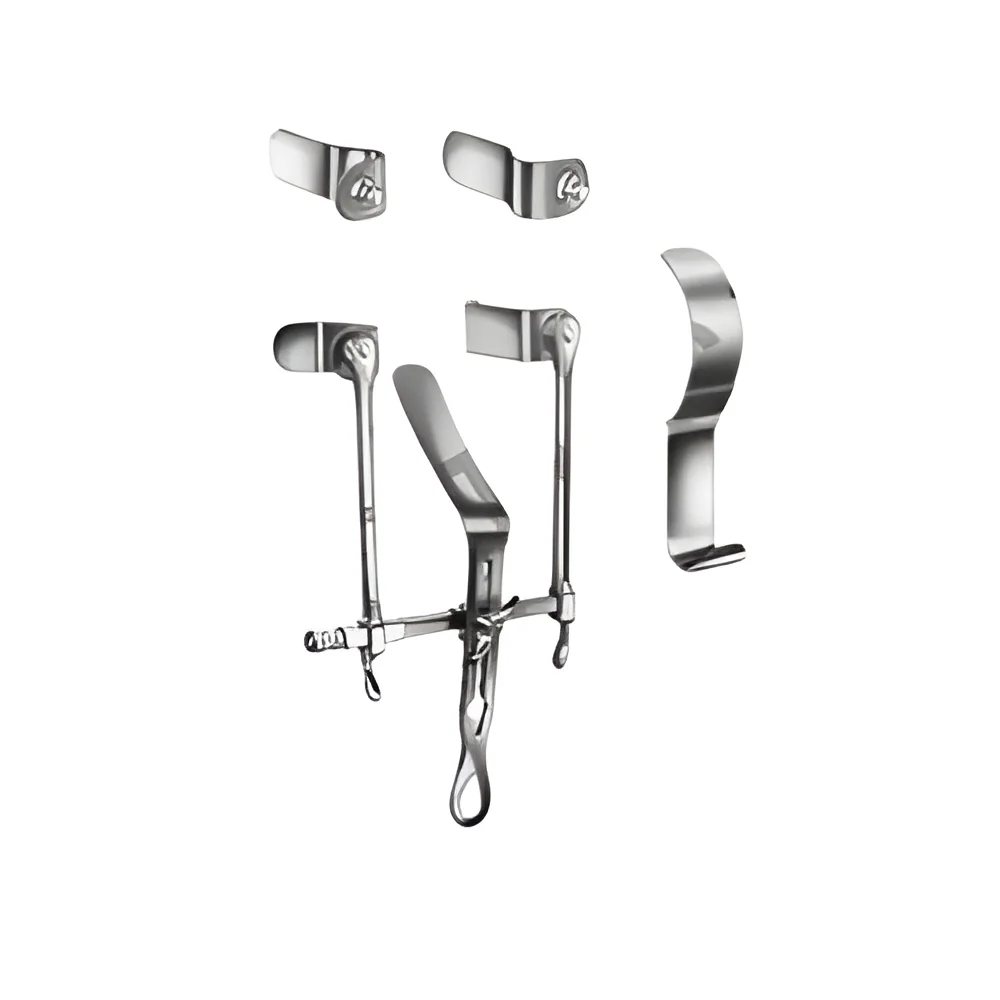
Our surgical bladder retractors represent a cornerstone of precision in the operating room, specifically engineered for the demanding requirements of urological and gynecological surgery. These instruments are meticulously crafted from premium, medical-grade materials to ensure unwavering reliability and performance. The core design focuses on a blade that delivers secure, yet gentle tissue retraction, minimizing the risk of iatrogenic damage to the delicate bladder and adjacent structures. This balance allows surgeons to work with enhanced confidence and control. The instruments are available in a range of sizes and specific configurations, offering the versatility needed to adapt to various surgical techniques and individual patient anatomy, making them a fundamental and adaptable component of any surgical set.

These retractors serve a vital role across multiple high-stakes medical specialties. In urology, they are indispensable for procedures such as prostatectomies, cystectomies, ...
Our surgical bladder retractors represent a cornerstone of precision in the operating room, specifically engineered for the demanding requirements of urological and gynecological surgery. These instruments are meticulously crafted from premium, medical-grade materials to ensure unwavering reliability and performance. The core design focuses on a blade that delivers secure, yet gentle tissue retraction, minimizing the risk of iatrogenic damage to the delicate bladder and adjacent structures. This balance allows surgeons to work with enhanced confidence and control. The instruments are available in a range of sizes and specific configurations, offering the versatility needed to adapt to various surgical techniques and individual patient anatomy, making them a fundamental and adaptable component of any surgical set.

These retractors serve a vital role across multiple high-stakes medical specialties. In urology, they are indispensable for procedures such as prostatectomies, cystectomies, bladder tumor resections, and reconstructive surgeries. Gynecological surgeons depend on them during total and radical hysterectomies, procedures for pelvic floor dysfunction, and operations involving complex endometriosis. Furthermore, surgical oncology teams utilize these tools for precise dissection and exposure during cancer resections in the pelvic region. Their consistent, reliable performance meets the stringent standards of diverse clinical environments, from major hospital operating theaters to ambulatory surgical centers and specialized urology or gynecology clinics globally.

Choosing our bladder retractors delivers tangible value through enhanced procedural efficiency and superior clinical results. The durable construction ensures a long service life, resisting corrosion and maintaining integrity through countless autoclave cycles, which reduces long-term instrument replacement costs. Their precision engineering contributes to smoother surgical workflows, potentially shortening procedure times and lowering the risk of complications. This reliability translates to improved operational throughput for medical facilities and higher standards of patient care. The instruments are designed for seamless integration into existing sterilization protocols, requiring minimal maintenance and offering dependable readiness for every surgical case.

Key Features:
- Fabricated from high-quality medical-grade stainless steel for exceptional durability and corrosion resistance.
- Precision-engineered blade geometry designed for effective tissue retraction with minimal trauma.
- Available in multiple standardized sizes and specialized configurations to suit diverse surgical needs.
- Fully compatible with standard hospital sterilization methods, including repeated autoclaving.
- Ergonomically designed handle to maximize surgeon comfort, control, and reduce fatigue during long procedures.

Benefits:
- Enhances surgical precision and visibility, leading to more accurate and safer operative outcomes.
- Robust construction ensures long-term reliability and cost-effectiveness through extended instrument lifespan.
- Versatile sizing and design options accommodate a wide range of procedures and patient anatomies.
- Simplifies facility operations with easy sterilization and low maintenance requirements.
- Improves surgeon ergonomics, promoting better control and reducing hand strain during critical procedures.
Specifications
| Additional Information | |
|---|---|
| Country of Origin | India |
Application
Surgical bladder retractors are precision instruments engineered for optimal tissue manipulation and exposure during delicate urological and gynecological procedures. Their primary function is to provide surgeons with clear, unobstructed access to the surgical site, enabling precise maneuvers while minimizing trauma to surrounding bladder tissues. This enhanced visibility and control are fundamental for complex operations, directly contributing to improved surgical accuracy and better patient outcomes.
Constructed from high-grade, medical-compliant materials, these retractors are built for the rigors of the operating room. They withstand repeated sterilization cycles without degradation, ensuring long-term performance and cost-effectiveness. Available in various sizes and blade configurations, they accommodate different surgical approaches and anatomical variations. The ergonomic design prioritizes surgeon comfort during lengthy procedures, reducing hand fatigue and promoting steady, controlled retraction throughout the operation.
- Essential in radical prostatectomy procedures to gently retract and protect the bladder, providing clear access to the prostate.
- Critical for hysterectomy surgeries, enabling safe displacement and visualization of the bladder to avoid injury during uterine removal.
- Utilized in cystectomy operations to securely isolate and retract the bladder during partial or complete removal.
- Applied in surgical repairs for pelvic organ prolapse to hold the bladder in a stable position for effective reconstruction.
- Employed in oncological surgeries involving the bladder or surrounding pelvic structures for precise tissue exposure and retraction.
Trade Details
| Available Stock | In Stock |
| Sample Availability | No |
Payment Terms
| Payment Terms |
|
Company Profile
Bir International, Punjab
 Punjab, India
Punjab, IndiaHealth & Personal Care•Manufacturer•Distributor / Wholesaler•Importer / Exporter
Factory Details
Factory SizeBelow 1000 sqm
Annual Production Capacity0
Surgical Bladder Retractors For Urology And Gynecology Procedures
Premium surgical bladder retractors for urology and gynecology procedures. Durable, sterilizable instruments designed for precision tissue manipulation, trusted by hospitals and clinics worldwide for reliability and patient safety.
Min. Order Quantity: 1 unit
Shipping
Shipping fee and delivery date to be negotiated. Contact supplier now for more details.
Bir International
 Punjab, India
Punjab, IndiaHealth & Personal CareManufacturer