IN
IN₹
Apparel & Fashion
Loading subcategories...
View More
Description
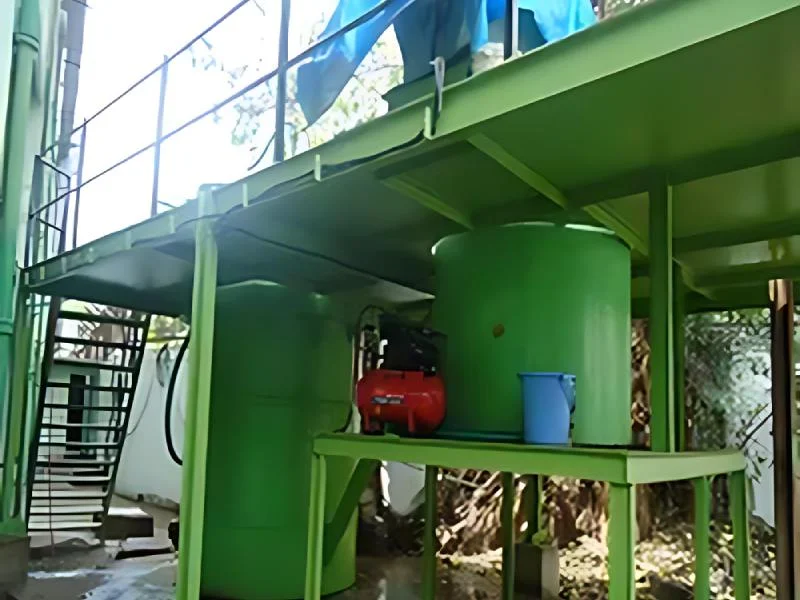
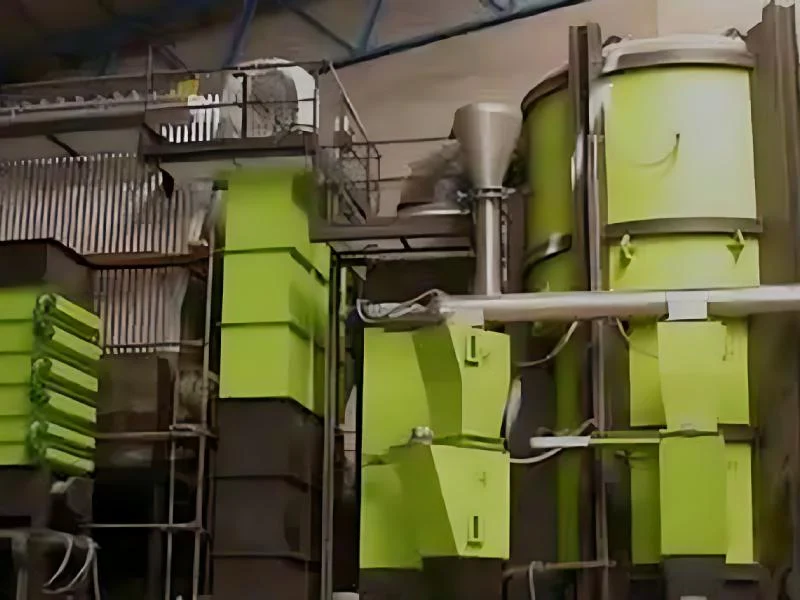
Biomass gasifier systems represent advanced renewable energy technology that efficiently converts solid biomass materials including wood, crop residues, and organic waste into clean producer gas. This combustible gas serves as a versatile energy carrier suitable for electricity generation, thermal applications, and industrial fuel requirements. With power output capacities ranging from 10 kW to 2 MW and operational efficiencies of 70-80%, these systems provide a practical alternative to conventional fossil fuels. The gasification process occurs at high temperatures of 800-1000°C, producing gas with a calorific value of 1000-1200 kcal/Nm³ while maintaining ash content below 5%. Available in both skid-mounted and fixed installation options, these systems feature robust construction designed for long operational lifespans of 15-20 years with minimal maintenance requirements.

These gasification systems find extensive application across numerous industries seeking sustainable and cost-effe...
Biomass gasifier systems represent advanced renewable energy technology that efficiently converts solid biomass materials including wood, crop residues, and organic waste into clean producer gas. This combustible gas serves as a versatile energy carrier suitable for electricity generation, thermal applications, and industrial fuel requirements. With power output capacities ranging from 10 kW to 2 MW and operational efficiencies of 70-80%, these systems provide a practical alternative to conventional fossil fuels. The gasification process occurs at high temperatures of 800-1000°C, producing gas with a calorific value of 1000-1200 kcal/Nm³ while maintaining ash content below 5%. Available in both skid-mounted and fixed installation options, these systems feature robust construction designed for long operational lifespans of 15-20 years with minimal maintenance requirements.

These gasification systems find extensive application across numerous industries seeking sustainable and cost-effective energy solutions. Manufacturing facilities utilize them for process heating, steam generation, and combined heat and power applications. Agricultural processing units including rice mills, sugar factories, and food processing plants benefit from utilizing their own biomass waste as fuel source. Textile industries employ them for dyeing and drying processes, while remote commercial establishments and institutions use them for reliable power generation. The systems' ability to handle diverse feedstocks makes them particularly valuable for industries with abundant agricultural or wood waste, transforming potential disposal problems into valuable energy assets while reducing carbon footprints significantly.

The business value of biomass gasifier systems lies in their ability to deliver substantial operational cost savings through reduced energy expenses and waste utilization. Companies investing in this technology achieve greater energy independence while demonstrating environmental responsibility to stakeholders. The systems' high reliability ensures consistent power supply for critical operations, with cooling systems (water/air cooled) and 400V/3-phase voltage output supporting industrial requirements. Their long operational lifespan and low maintenance needs translate to excellent return on investment, while the robust design ensures consistent performance across varying operational conditions. This combination of economic benefits and operational reliability makes biomass gasifiers a strategic investment for forward-thinking businesses.

Key Features:
- Power output capacity from 10 kW to 2 MW suitable for various scales
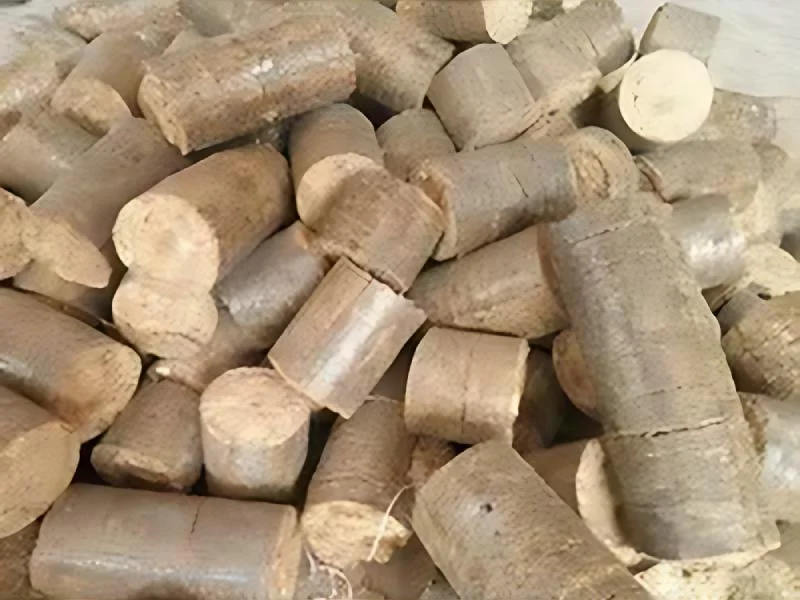
- Compatible with multiple feedstocks including wood, crop residues, and biomass waste
- High-temperature operation (800-1000°C) ensuring complete gasification
- Water or air cooling systems for optimal thermal management
- Skid-mounted or fixed installation options for flexible deployment

Benefits:
- Significant reduction in energy costs compared to fossil fuels
- Utilization of waste materials transforms disposal expenses into energy assets
- Lower carbon emissions supporting sustainability goals and compliance
- Reliable power generation with 70-80% efficiency ratings
- Long operational lifespan of 15-20 years with minimal maintenance requirements
Specifications
| Attribute | Value |
|---|---|
| Power Output Capacity | 10 kW – 2 MW |
| Feedstock Types | Wood, Crop Residues, Biomass Waste |
| Gas Calorific Value | 1000 – 1200 kcal/Nm³ |
| Operating Temperature | 800 – 1000 °C |
| Efficiency | 70 – 80% |
| Voltage Output (with Generator) | 400 V / 3-Phase |
| Cooling System | Water / Air Cooled |
| Operational Lifespan | 15 – 20 years |
| Ash Content Handling | ≤ 5% |
| Installation Type | Skid-Mounted / Fixed Setup |
| Additional Information | |
|---|---|
| Country of Origin | India |
| Customisable | No |
Application
Biomass gasifier systems provide versatile energy conversion solutions that transform organic waste materials into valuable producer gas. These systems support diverse industrial operations seeking cost-effective power generation and thermal energy while utilizing readily available biomass resources. Their efficient conversion process makes them ideal for businesses aiming to reduce energy costs and enhance sustainability without compromising operational reliability.
From small-scale power needs to large industrial applications, these gasifiers deliver consistent performance across multiple sectors. They are engineered for various energy requirements including electricity generation for remote operations, thermal energy for manufacturing processes, and alternative fuel production for industrial heating. The systems' adaptability makes them suitable for both standalone and integrated energy setups across commercial and institutional environments.
- Rural electrification projects providing reliable off-grid power to remote communities
- Thermal energy generation for heating processes in food processing industries
- Electricity production for manufacturing units and industrial workshops
- Alternative fuel source for industrial boilers, kilns, and drying systems
- Sustainable power solutions for agricultural processing facilities like rice mills
Trade Details
| Available Stock | In Stock |
| Sample Availability | No |
Payment Terms
| Payment Terms |
|
Company Profile

Diamond Engineering Enterprises , Tamil Nadu
 Tamil Nadu, India
Tamil Nadu, IndiaFood & Agriculture•Manufacturer•Importer / Exporter
Factory Details
Factory SizeBelow 1000 sqm
Annual Production Capacity0
Main Markets
Africa
Biomass Gasifier System 10 kW to 2 MW High Efficiency Renewable Energy
Biomass Gasifier System converts wood, crop residues, and biomass waste into clean producer gas for electricity and heating applications. This high-efficiency renewable energy solution delivers 10 kW to 2 MW power output with 70-80% efficiency for reliable industrial use.
Min. Order Quantity: 1 piece
Shipping
Shipping fee and delivery date to be negotiated. Contact supplier now for more details.
Diamond Engineering Enterprises 
 Tamil Nadu, India
Tamil Nadu, IndiaFood & AgricultureManufacturer