IN
IN₹
Apparel & Fashion
Loading subcategories...
View More
Description
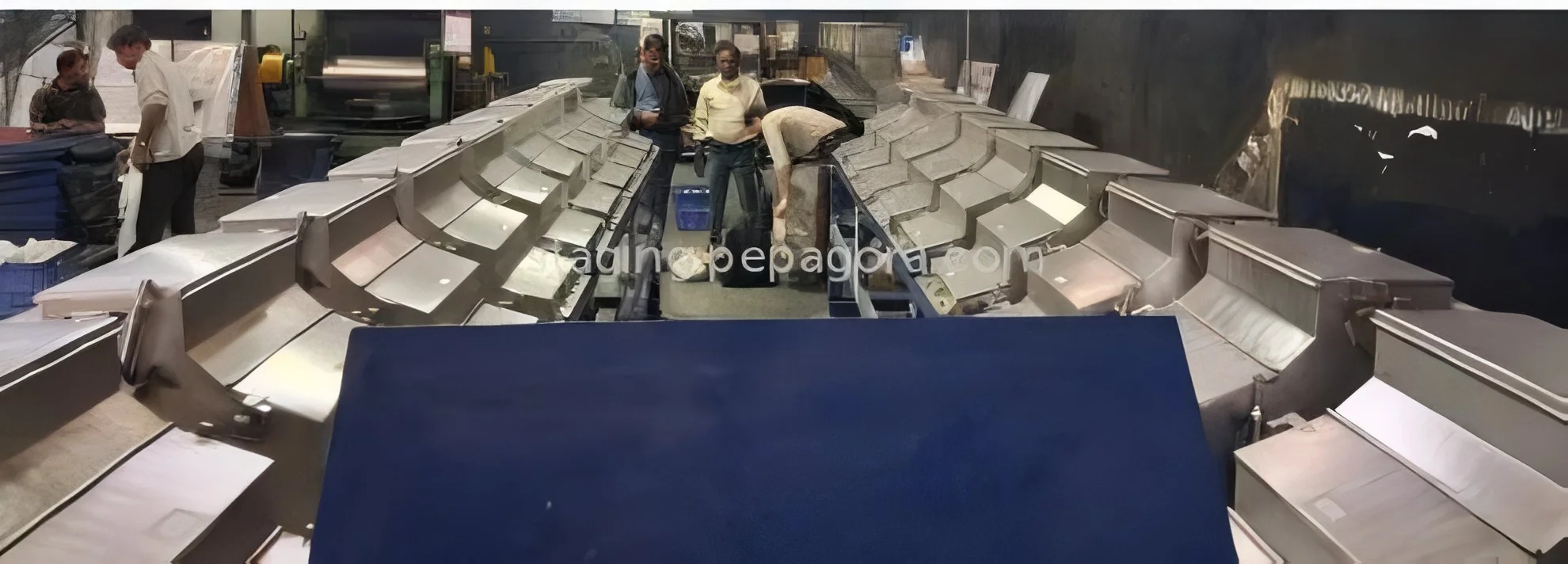
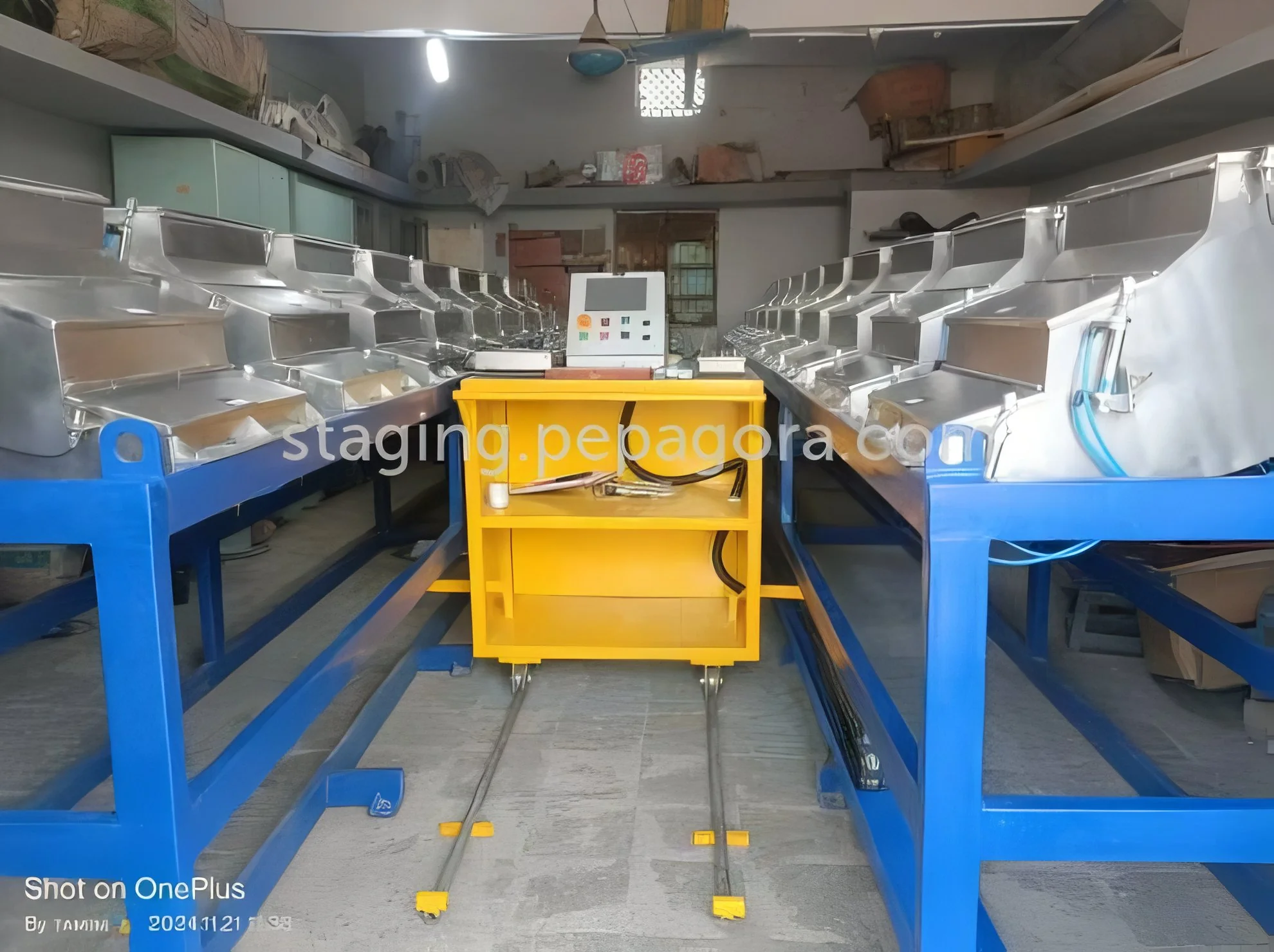
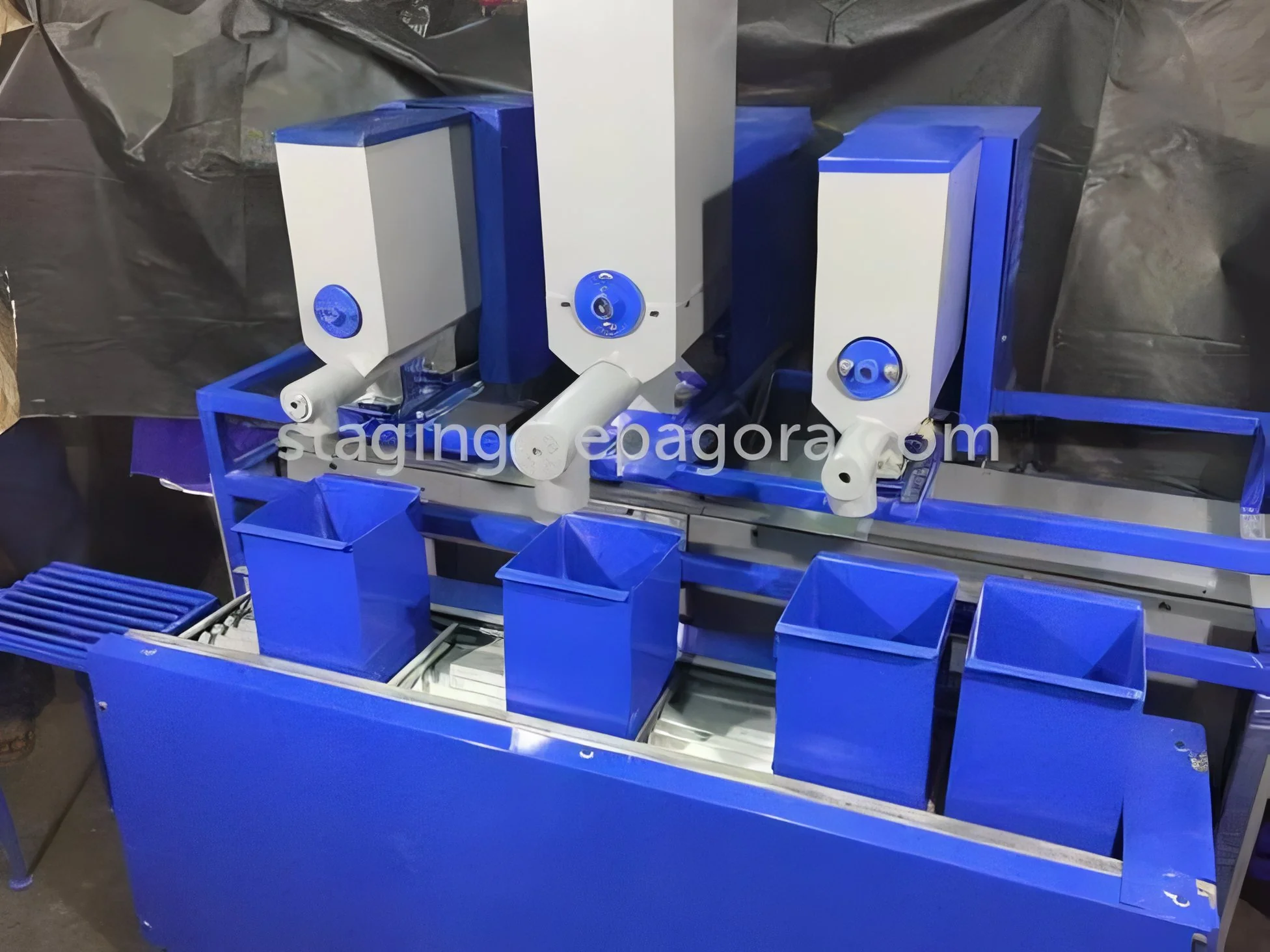
Industrial Automatic Batch Weighing Systems represent advanced automation technology for material handling and processing operations. These sophisticated systems combine precision weighing mechanisms with automated control systems to deliver consistent, accurate batching operations for various industrial raw materials. Designed for manufacturing environments where product quality depends on exact material proportions, these systems eliminate manual weighing errors and ensure batch-to-batch consistency throughout production cycles. With programmable logic controllers and intuitive interfaces, operators can efficiently manage complex recipes and production schedules while maintaining comprehensive process documentation and quality control records for optimal operational management. Multiple industries rely on automatic batch weighing technology to maintain their product standards and competitive positioning. In plastics manufacturing, these systems ensure precise compounding of polymers ...
Industrial Automatic Batch Weighing Systems represent advanced automation technology for material handling and processing operations. These sophisticated systems combine precision weighing mechanisms with automated control systems to deliver consistent, accurate batching operations for various industrial raw materials. Designed for manufacturing environments where product quality depends on exact material proportions, these systems eliminate manual weighing errors and ensure batch-to-batch consistency throughout production cycles. With programmable logic controllers and intuitive interfaces, operators can efficiently manage complex recipes and production schedules while maintaining comprehensive process documentation and quality control records for optimal operational management.

Multiple industries rely on automatic batch weighing technology to maintain their product standards and competitive positioning. In plastics manufacturing, these systems ensure precise compounding of polymers and additives for consistent material properties. Food processing facilities utilize them for accurate ingredient proportioning in recipes where consistency and safety are paramount considerations. Pharmaceutical companies depend on them for exact formulation of medicinal products requiring strict compliance with regulatory standards, while construction material producers use them for batching concrete and mortar mixes with precise material ratios. Chemical processing plants implement these systems for safe, accurate handling of various compounds, demonstrating the technology's versatility across different industrial sectors with varying material characteristics and processing requirements.

The operational value of implementing automatic batch weighing systems extends beyond basic automation to measurable improvements in production efficiency and cost management. These systems significantly reduce material waste by eliminating over-use and under-use of expensive raw materials, directly impacting production costs and resource utilization. They enhance workplace safety by minimizing manual handling of materials, particularly important when dealing with hazardous substances or heavy ingredients that require careful management. The reliability of these systems ensures uninterrupted production cycles, while their accuracy guarantees consistent product quality that meets industry standards and customer expectations. The systems' design allows for optimal integration with existing processes and provides scalability as production requirements evolve and expand over time.

Key Features:
- PLC-based control systems with user-friendly operational interfaces
- High-precision load cells and weighing mechanisms for accuracy
- Robust construction using industrial-grade components for durability
- Multiple batch capacities and ingredient handling capabilities
- Integration capabilities with existing production machinery

Benefits:
- Consistent product quality through precise batching accuracy
- Reduced operational costs and minimized human error
- Lower material waste and optimized resource utilization
- Enhanced workplace safety with automated material handling
- Improved production efficiency and throughput capacity
Specifications
| Additional Information | |
|---|---|
| SKU | EAP-ABWS-310 |
| Country of Origin | 106 |
| Customisable | No |
Application
Our automatic batch weighing systems serve industries where precise material proportioning directly impacts product quality and operational efficiency. These robust systems handle diverse raw materials from powders and granules to liquids, ensuring perfect batch consistency across continuous production cycles while reducing material waste and minimizing human error in demanding industrial environments.
Manufacturing sectors including plastics, food processing, pharmaceuticals, construction materials, and chemical production benefit from these automated solutions. The systems integrate seamlessly with existing production lines, providing reliable performance where accuracy, repeatability, and process control are essential for maintaining product standards and business success in competitive markets.
- Precisely batching raw materials for plastic compounding and polymer production
- Automated weighing and mixing of ingredients in food manufacturing facilities
- Pharmaceutical production where exact ingredient proportions are critical
- Construction material batching for concrete, mortar, and dry mix formulations
- Chemical processing for accurate formulation of compounds and mixtures
Trade Details
| Available Stock | In Stock |
| Sample Availability | No |
Payment Terms
| Payment Terms |
|
Shipping & Logistics
| Shipping Internationally | - | |
| Methods | -- | |
| IncoTerms | -- | |
| Port of Dispatch | Ahmedabad, Gujarat, India | |
| Packaging Type | -- | |
| Units per Package | -- | |
| Barcode / HSN / GTIN / UPC | -- | |
| Dispatch Lead time | -- |
Company Profile
Eeshaan Automation Private Limited, Gujarat
 Gujarat, India
Gujarat, IndiaPackaging & Printing•Manufacturer
Factory Details
Factory SizeBelow 1000 sqm
Annual Production Capacity0
SKU: EAP-ABWS-310
Industrial Automatic Batch Weighing Systems For Manufacturing
Industrial automatic batch weighing systems deliver precision material handling for manufacturing. Achieve consistent quality with automated weighing and batching solutions designed for high accuracy and reliability across various industrial applications.
Min. Order Quantity: 1 Unit
Shipping
Shipping fee and delivery date to be negotiated. Contact supplier now for more details.
Eeshaan Automation Private Limited
 Gujarat, India
Gujarat, IndiaPackaging & PrintingManufacturer