IN
IN₹
Apparel & Fashion
Loading subcategories...
View More
Description
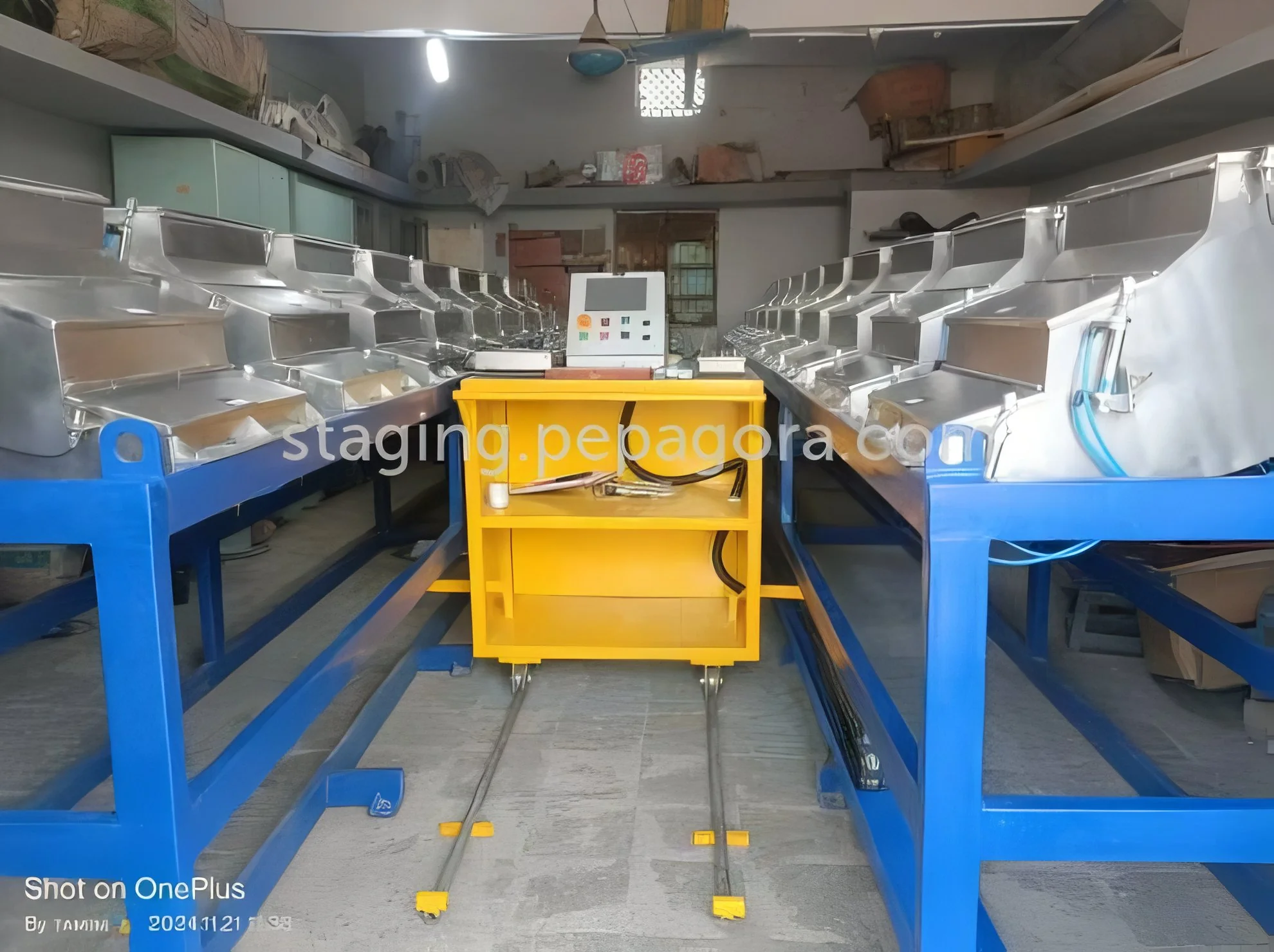
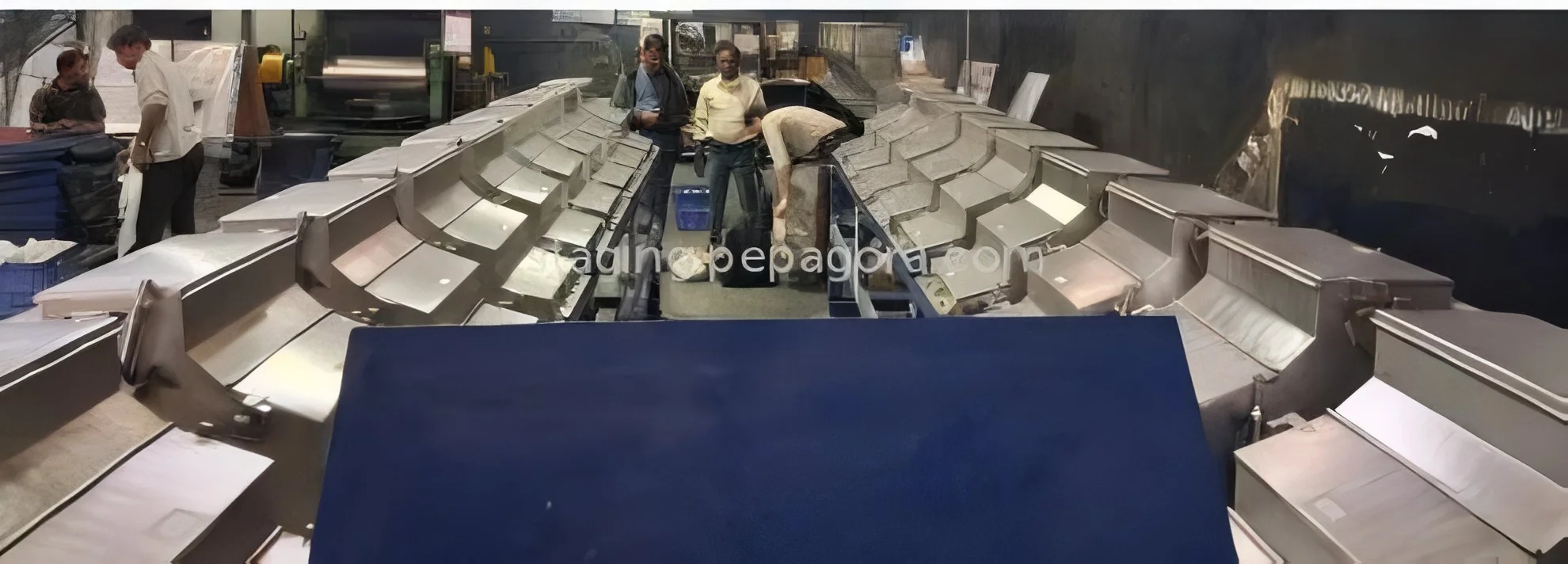
Semi Automatic Batching Systems represent the optimal balance between manual control and automated precision for material handling processes. These robust systems are engineered to accurately weigh, mix, and batch various materials with consistent repeatability, ensuring every batch meets specified quality parameters. Featuring user-friendly interfaces that allow operators to monitor and control the process with minimal training, these systems significantly reduce human error while maintaining flexibility for recipe changes and process adjustments. Built with industrial-grade components, they deliver reliable performance across diverse production environments, from harsh industrial settings to cleanroom applications. The partial automation approach provides cost-effective automation benefits without the complexity of fully automated systems.

These batching systems find extensive application across multiple industries where precise material proportioning is critical to product quality ...
Semi Automatic Batching Systems represent the optimal balance between manual control and automated precision for material handling processes. These robust systems are engineered to accurately weigh, mix, and batch various materials with consistent repeatability, ensuring every batch meets specified quality parameters. Featuring user-friendly interfaces that allow operators to monitor and control the process with minimal training, these systems significantly reduce human error while maintaining flexibility for recipe changes and process adjustments. Built with industrial-grade components, they deliver reliable performance across diverse production environments, from harsh industrial settings to cleanroom applications. The partial automation approach provides cost-effective automation benefits without the complexity of fully automated systems.

These batching systems find extensive application across multiple industries where precise material proportioning is critical to product quality and operational efficiency. In construction, they batch concrete, mortar, and other building materials with exact ingredient ratios. Chemical manufacturers rely on them for preparing compounds, pigments, and specialty formulations where accuracy determines final product properties. Food processing facilities use them for ingredient mixing, ensuring consistent taste, texture, and compliance with safety standards. Pharmaceutical companies implement them for powder blending and drug formulation where precision is non-negotiable. Plastics and rubber manufacturers utilize them for polymer compounding and additive batching.

The business value of Semi Automatic Batching Systems extends beyond operational efficiency to encompass significant cost savings and quality improvements. By reducing material waste through precise weighing and minimizing human error, these systems deliver rapid return on investment while enhancing product consistency. Their reliability ensures uninterrupted production with minimal downtime, supported by robust construction that withstands demanding industrial environments. The systems' longevity and low maintenance requirements translate to reduced total cost of ownership, while their scalability supports business growth without requiring complete system replacement. These factors combine to make them a strategic investment for businesses focused on quality improvement and operational excellence.

Key Features:
- Precise weighing mechanisms ensuring accurate material proportioning
- User-friendly control interface for easy operation and monitoring
- Robust industrial construction for long-term reliability
- Flexible adaptation for different materials and batch sizes
- Partial automation balancing control with efficiency

Benefits:
- Consistent batch quality and product uniformity
- Reduced material waste and operational costs
- Lower labor requirements with minimized human error
- Adaptable to various production scales and material types
- Enhanced process control with reliable repeatability
Specifications
| Additional Information | |
|---|---|
| SKU | EAP-SABS-308 |
| Country of Origin | 106 |
| Customisable | No |
Application
Semi Automatic Batching Systems provide accurate material proportioning and consistent batch quality across diverse production environments. These systems handle weighing, mixing, and batching with partial automation, reducing manual intervention while maintaining precision where recipe consistency and operational control are critical to meeting quality standards and regulatory compliance requirements.
These versatile systems serve multiple sectors including construction for concrete batching, chemical industries for compound preparation, and food processing for ingredient mixing. They also support pharmaceutical manufacturing where precise formulation is essential and plastics industries for polymer and additive batching. Their flexibility allows adaptation to various material types and batch sizes, making them ideal for small to medium-scale production setups requiring reliable performance.
- Concrete and mortar batching in construction and building material production
- Chemical compound preparation and specialty formulation manufacturing
- Food ingredient mixing and recipe batching in processing facilities
- Pharmaceutical powder blending and precise drug formulation
- Polymer compounding and additive batching in plastics industries
Trade Details
| Available Stock | In Stock |
| Sample Availability | No |
Payment Terms
| Payment Terms |
|
Shipping & Logistics
| Shipping Internationally | - | |
| Methods | -- | |
| IncoTerms | -- | |
| Port of Dispatch | Ahmedabad, Gujarat, India | |
| Packaging Type | -- | |
| Units per Package | -- | |
| Barcode / HSN / GTIN / UPC | -- | |
| Dispatch Lead time | -- |
Company Profile
Eeshaan Automation Private Limited, Gujarat
 Gujarat, India
Gujarat, IndiaPackaging & Printing•Manufacturer
Factory Details
Factory SizeBelow 1000 sqm
Annual Production Capacity0
SKU: EAP-SABS-308
Semi Automatic Batching Systems For Precise Weighing And Mixing
Semi Automatic Batching Systems deliver precise weighing and mixing with partial automation for construction, chemicals, plastics, food, and pharmaceutical industries requiring consistent quality output and reduced operational errors.
Min. Order Quantity: 1 Unit
Shipping
Shipping fee and delivery date to be negotiated. Contact supplier now for more details.
Eeshaan Automation Private Limited
 Gujarat, India
Gujarat, IndiaPackaging & PrintingManufacturer