IN
₹
Apparel & Fashion

Description
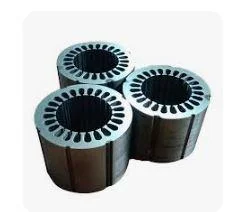
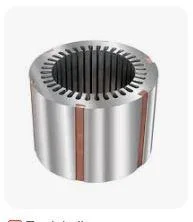
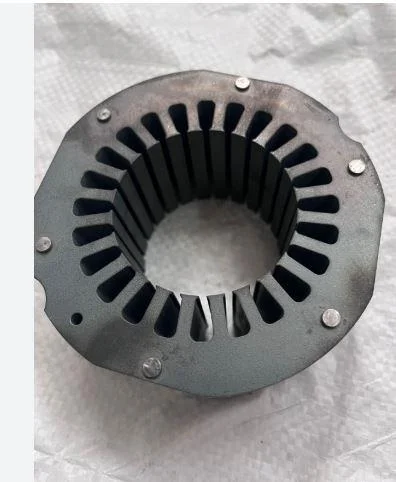
Electric Motor Auto Skewed Stators represent a precision-engineered solution designed to enhance motor performance through advanced magnetic design. Manufactured using automated skewing processes, these stators feature a deliberately offset winding configuration that optimizes magnetic flux distribution within the motor. This technical approach directly addresses common motor performance challenges, specifically targeting the reduction of torque ripple—the periodic variation in output torque that causes vibration—and minimizing operational noise generated during rotation. The result is a stator component that promotes smoother rotational motion, improved efficiency, and extended operational life for the motors into which they are integrated. Their construction prioritizes dimensional accuracy and material consistency, ensuring they meet the exacting requirements of modern electric motor assembly and repair.

These auto skewed stators find application across a diverse range of industrie...
Electric Motor Auto Skewed Stators represent a precision-engineered solution designed to enhance motor performance through advanced magnetic design. Manufactured using automated skewing processes, these stators feature a deliberately offset winding configuration that optimizes magnetic flux distribution within the motor. This technical approach directly addresses common motor performance challenges, specifically targeting the reduction of torque ripple—the periodic variation in output torque that causes vibration—and minimizing operational noise generated during rotation. The result is a stator component that promotes smoother rotational motion, improved efficiency, and extended operational life for the motors into which they are integrated. Their construction prioritizes dimensional accuracy and material consistency, ensuring they meet the exacting requirements of modern electric motor assembly and repair.

These auto skewed stators find application across a diverse range of industries that rely on electric motor-driven equipment. In industrial manufacturing, they are incorporated into motors powering conveyor systems, machine tools, and processing equipment where reliability and quiet operation are paramount. The HVAC sector utilizes them in motors for fans, blowers, and pumps, benefiting from their noise reduction in commercial and residential settings. Appliance manufacturers integrate them into products like washing machines, refrigerators, and dishwashers to enhance user experience through quieter performance. Additionally, they are specified for automation systems, robotics, and precision equipment where smooth torque delivery is essential for accurate control and positioning.

The business value of these stators lies in their ability to deliver tangible performance improvements and operational reliability. For manufacturers, they provide a standardized, high-quality component that simplifies production and ensures consistent motor output. For maintenance and repair operations, they offer a reliable replacement part that can restore or even upgrade motor performance, reducing equipment downtime and associated costs. Their design inherently increases motor efficiency, which can translate to lower energy consumption over the motor's lifespan. The automated manufacturing process guarantees repeatable quality, minimizing defects and ensuring every stator meets specified performance criteria. This reliability makes them a trusted component for serious buyers who prioritize long-term value and consistent performance in their motor applications.

Key Features:
- Automated skewing process for precise, consistent winding offset and alignment.
- Design specifically engineered to reduce torque ripple and minimize operational vibration.
- Construction focused on noise reduction for quieter motor performance across applications.
- High dimensional accuracy ensuring compatibility with standard motor housings and rotors.
- Robust materials and manufacturing for durability and long service life in demanding conditions.

Benefits:
- Delivers smoother motor operation with reduced vibration, enhancing equipment performance.
- Lowers acoustic emissions, making motors suitable for noise-sensitive environments.
- Improves overall motor efficiency, potentially reducing energy consumption.
- Provides reliable, repeatable quality for consistent results in manufacturing and repair.
- Extends motor lifespan by reducing mechanical stress associated with torque ripple.
Specifications
| Additional Information | |
|---|---|
| Country of Origin | India |
Application
Auto skewed stators are engineered for integration into new motor manufacturing processes, providing the foundational magnetic structure for efficient operation. Their precision design ensures compatibility with various motor types, from small appliance units to large industrial systems, making them ideal for production lines seeking consistent quality components.
These components serve equally well in repair and refurbishment scenarios, where replacing worn or outdated stators can restore motor performance to original specifications. The standardized design allows for straightforward installation in maintenance operations, reducing downtime and extending the operational life of existing motorized equipment across multiple sectors.
Real-world applications:
- Industrial machinery motors requiring quiet, vibration-free operation in manufacturing facilities.
- Pump and compressor systems where reduced torque ripple enhances energy efficiency and reliability.
- Fan and blower applications in HVAC systems that benefit from lower acoustic emissions.
- Home appliance motors in washers, dryers, and refrigerators for smoother, quieter performance.
- Automation equipment and robotics where precise motor control and minimal vibration are critical.
Trade Details
| Available Stock | In Stock |
| Sample Availability | No |
Payment Terms
| Payment Terms |
|
| Payment Methods |
|
Company Profile

Pressmatic Engineers India Pvt Ltd, Tamil Nadu
 Tamil Nadu, India
Industrial Equipment & Machinery•Manufacturer
Factory Details
Factory SizeBelow 1000 sqm
Electric Motor Auto Skewed Stators For Noise Reduction And Efficiency
Electric Motor Auto Skewed Stators reduce noise and torque ripple for improved efficiency. Precision-manufactured for motor production, repair, and maintenance across industrial applications.
Min. Order Quantity: 1 piece
Shipping
Shipping fee and delivery date to be negotiated. Contact supplier now for more details.
Pressmatic Engineers India Pvt Ltd
 Tamil Nadu, India
Industrial Equipment & MachineryManufacturer